 VANTAGE Windows & Doors
 Roofing Industries
 ALTHERM Window Systems
 Dimond Roofing
 Juralco Aluminium
 SPAX
SPAX



 Prolam
 Case Studies
 PGH Bricks
 Metwood






 DriSpace







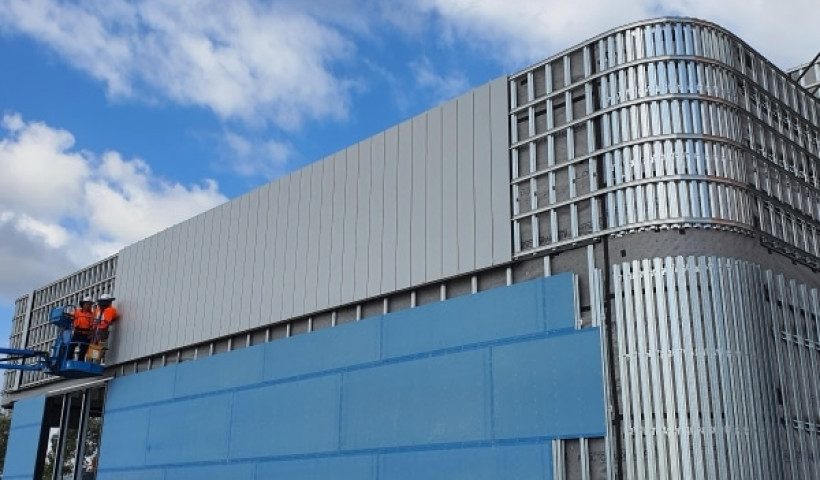
With the removal of the Schedule Method from NZBC Clause H1, residential design in New Zealand has fully shifted toward performance-based compliance. Architects and designers can no longer rely on individual R values; instead, H1 compliance in 2026 depends on understanding how the entire building envelope performs using the calculation or modelling methods.
While insulation and glazing remain important, higher performance requirements have made airtightness, vapour control and passive ventilation critical to achieving comfortable, compliant homes without over-specifying materials or introducing new risks such as overheating and condensation.
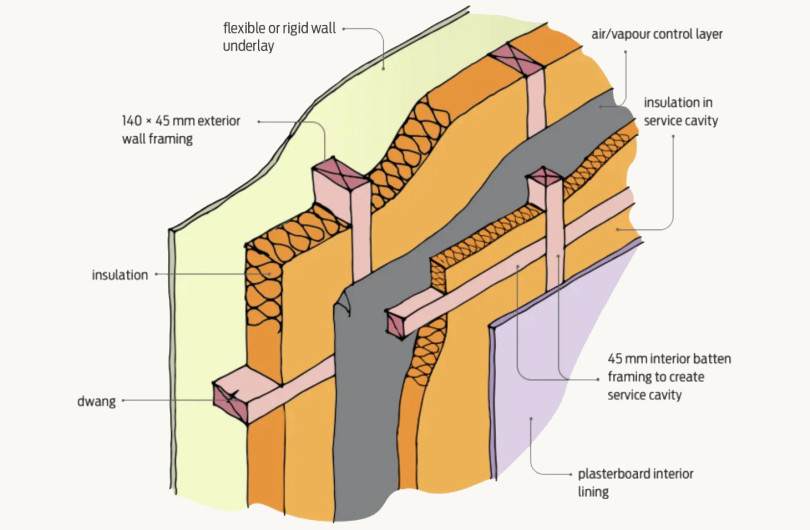
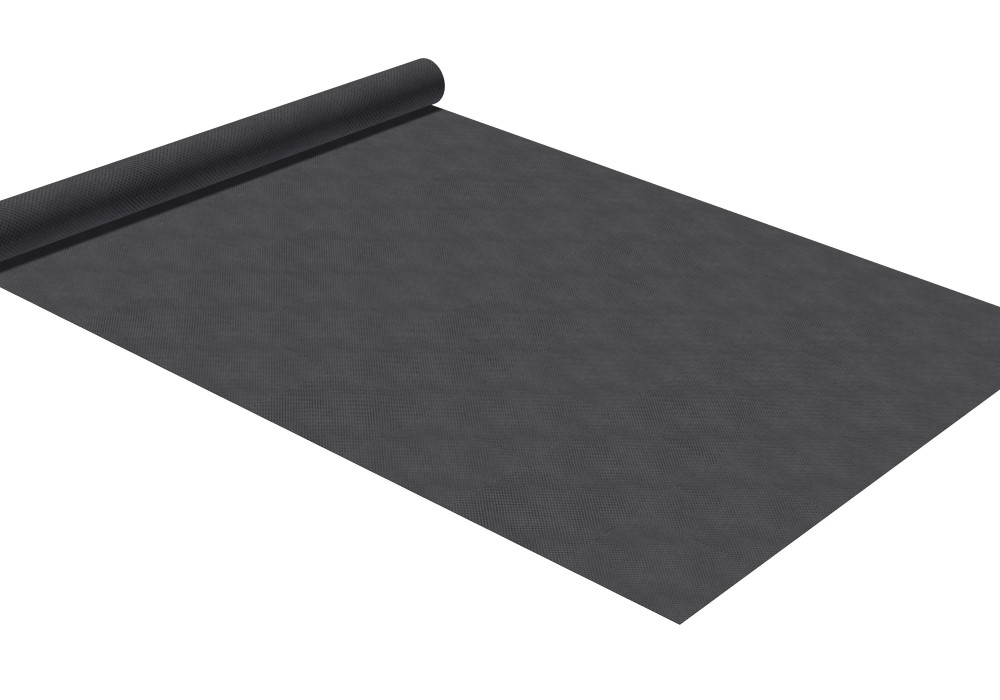
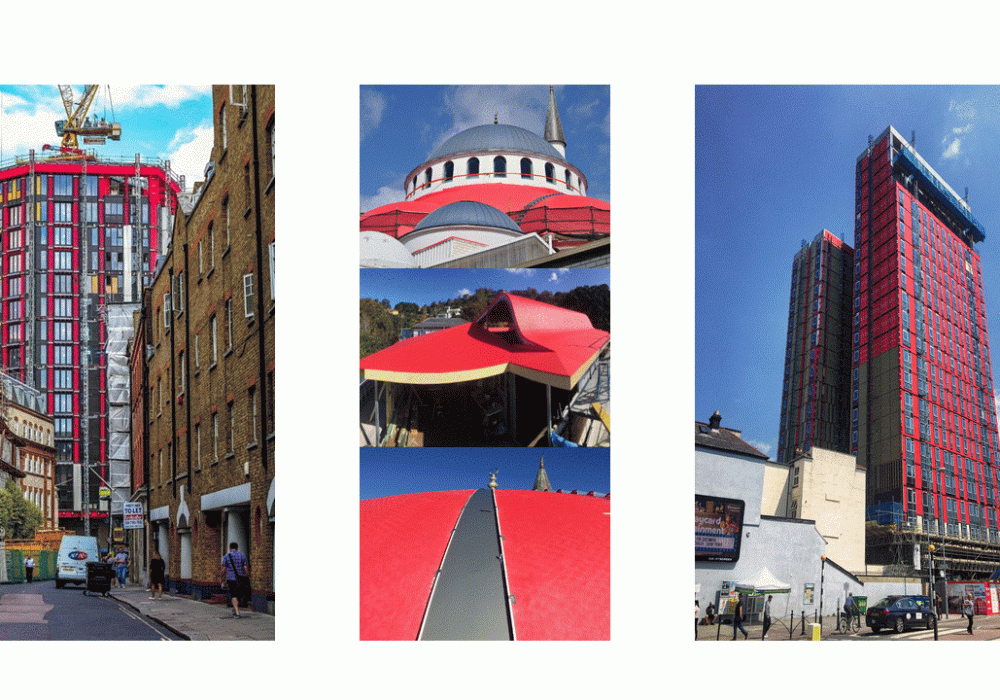
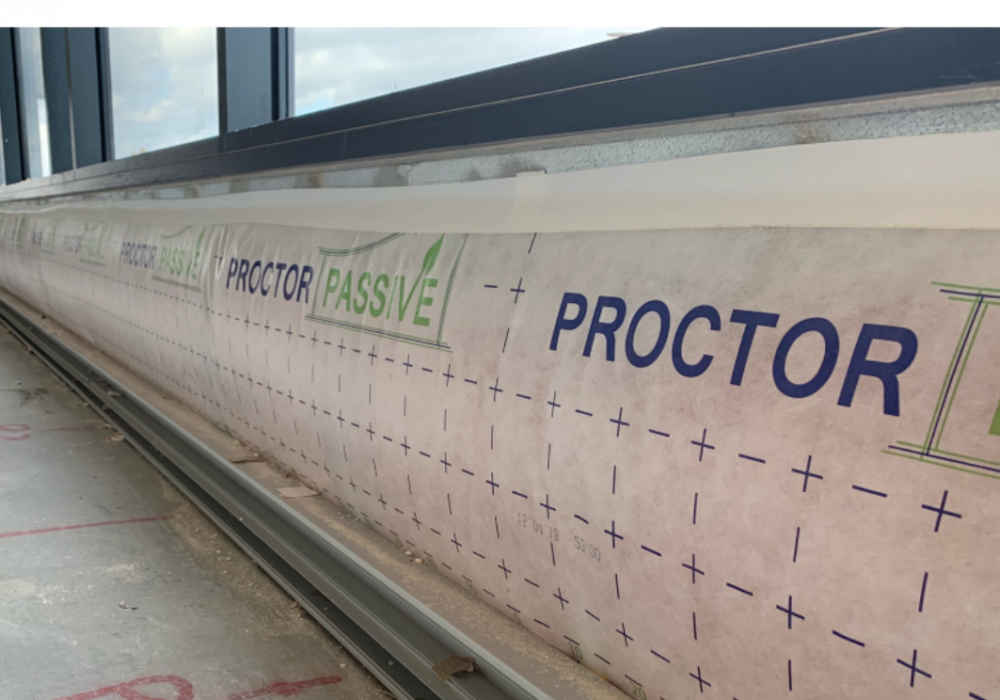
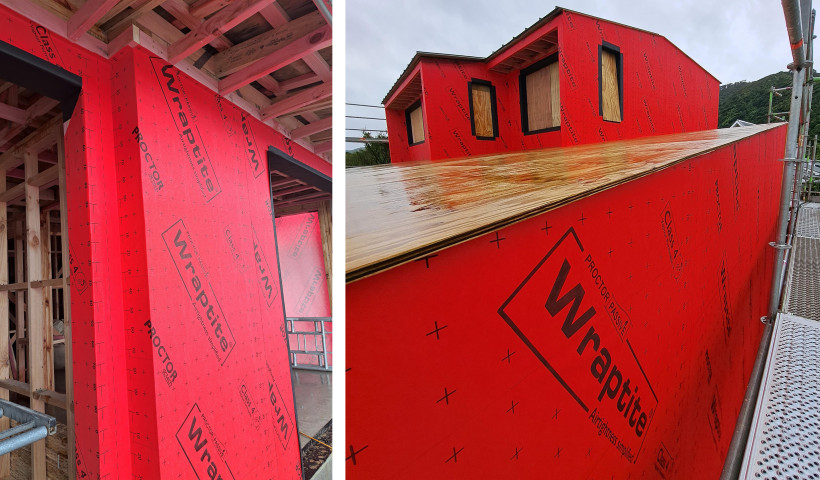
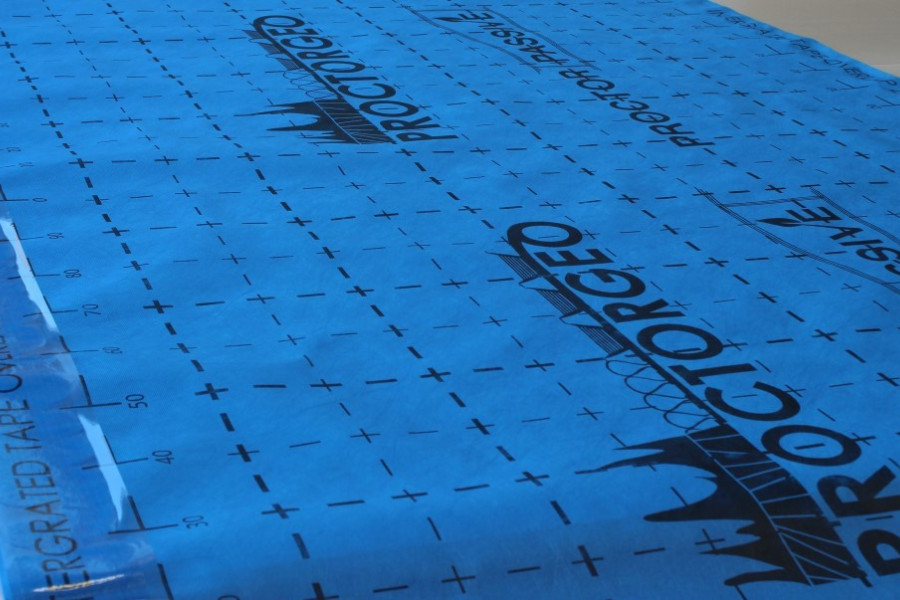
Under the modelling and calculation methods, uncontrolled air leakage can significantly undermine thermal performance. Externally applied airtight membranes such as DriSpace ProctorPassive Wraptite SA and Wraptite UV SA provide a continuous air barrier while remaining vapour permeable, helping insulation perform as intended. Applying airtightness externally also simplifies detailing by reducing the impact of internal services and penetrations.
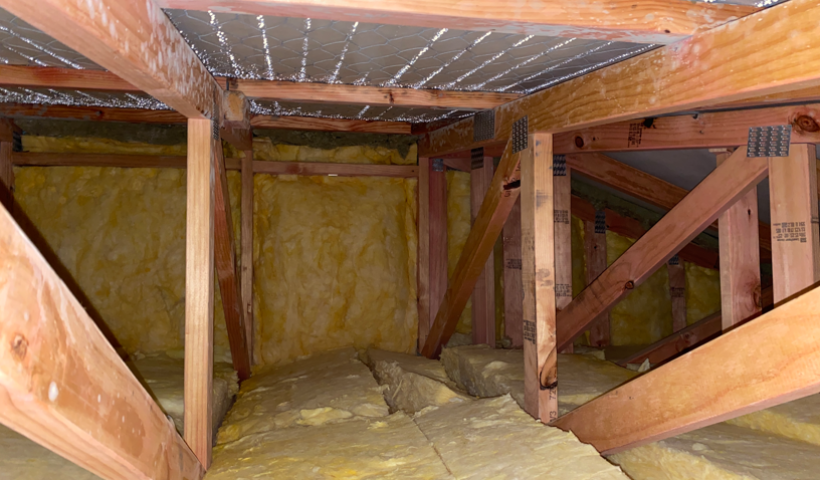
As insulation levels increase, managing vapour movement becomes equally important. Internal vapour control layers such as SmartVap and ProctorPassive vapour control systems help regulate moisture from the warm side of the envelope, reducing the risk of interstitial condensation while still allowing assemblies to dry. This is particularly relevant in highly insulated roofs, complex wall build ups and multi unit residential projects.
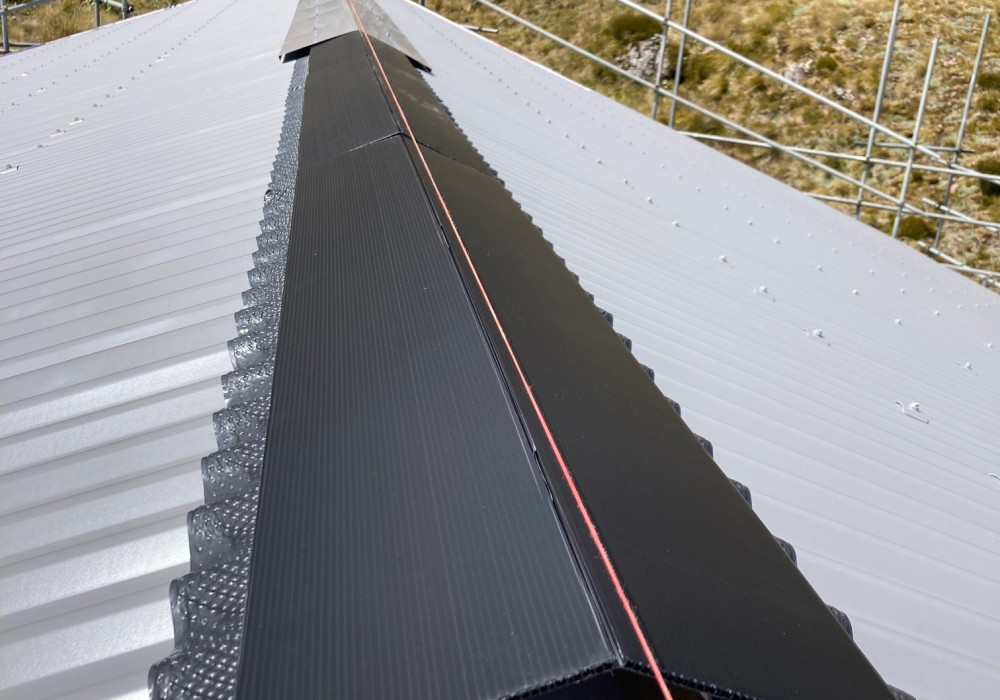
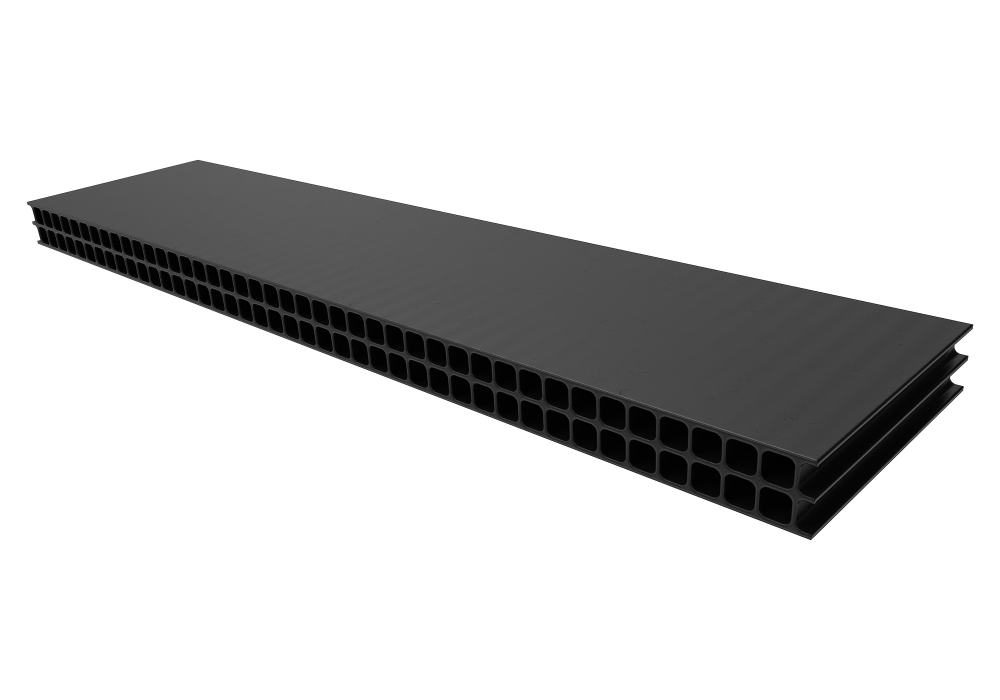
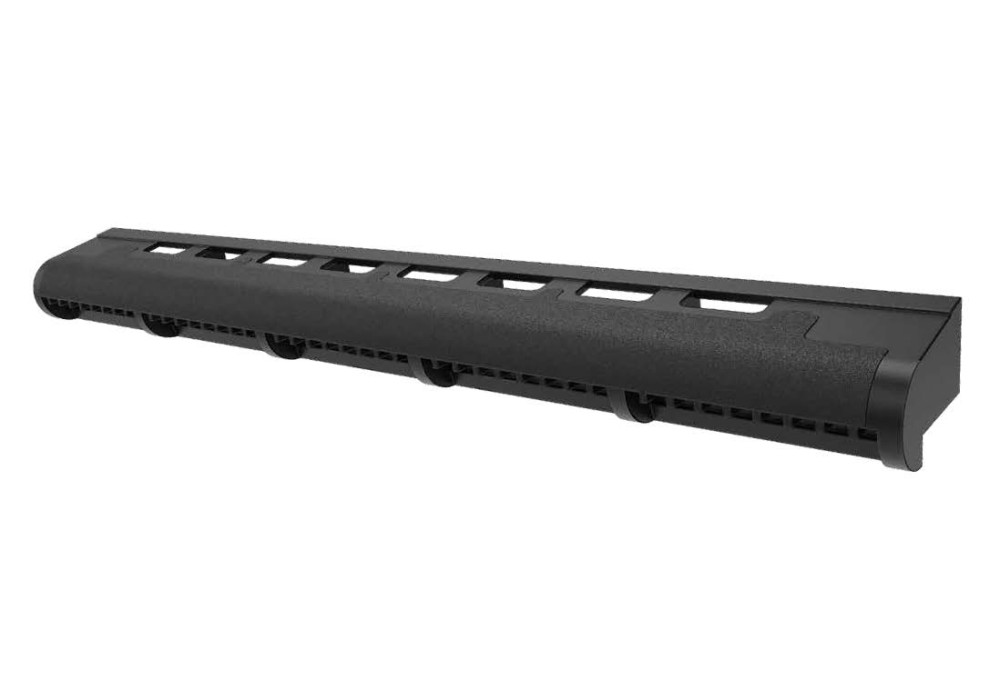
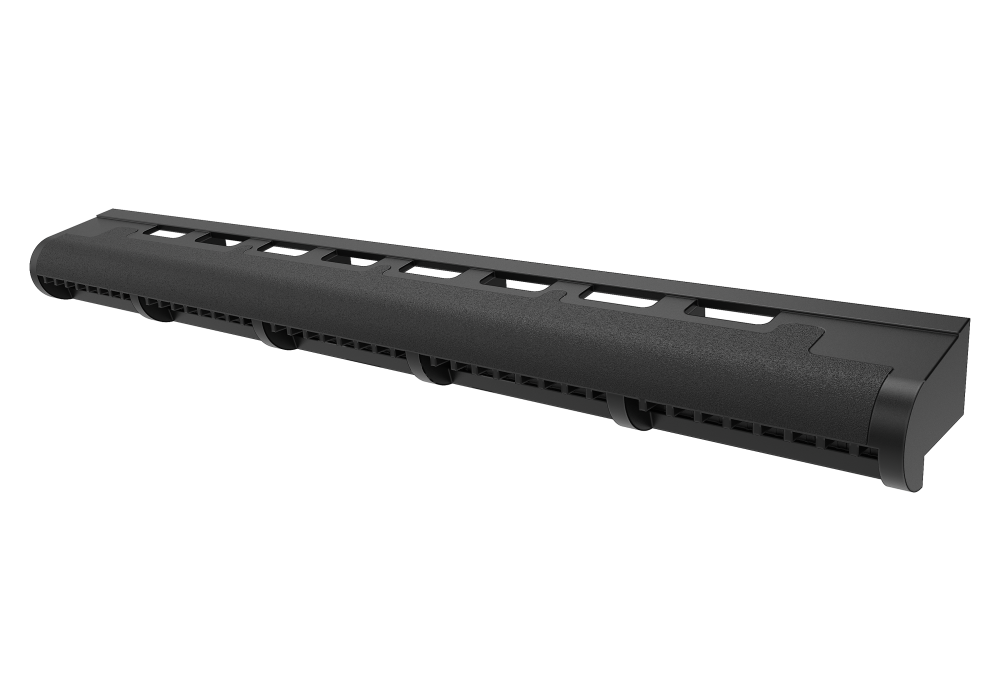
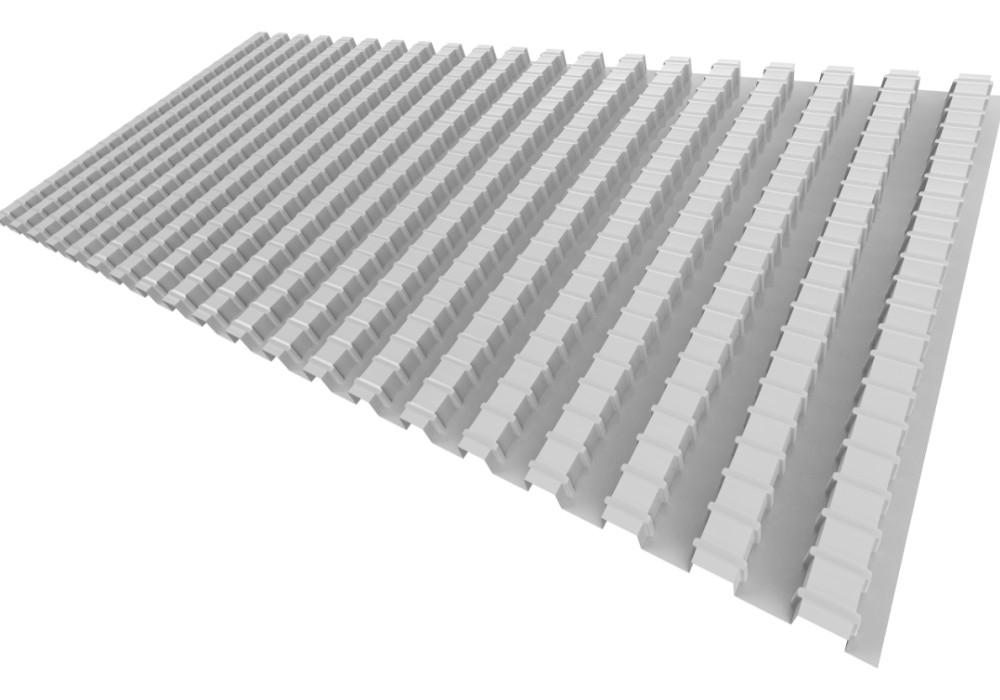
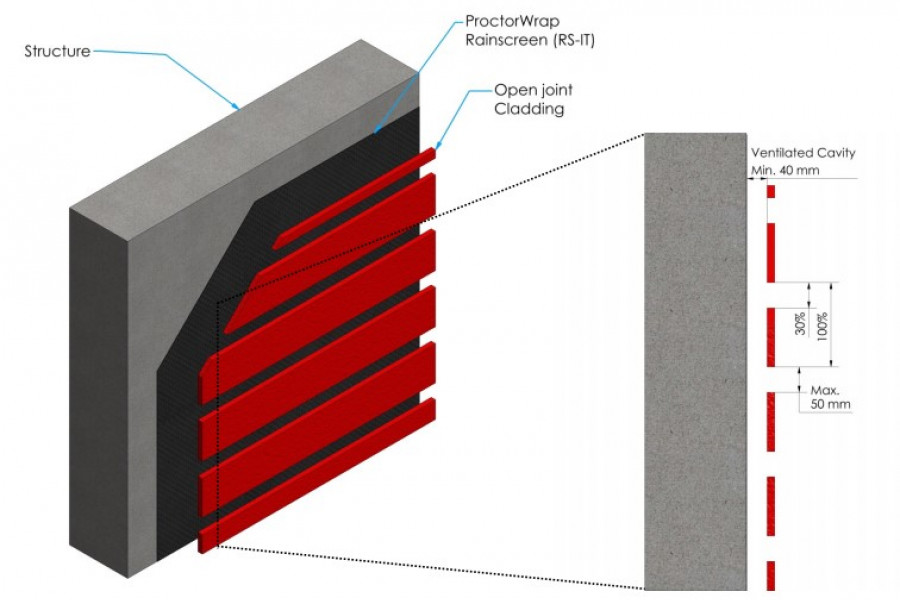
Overheating has also emerged as a common issue highlighted through H1 modelling. DriSpace VENT passive ventilation systems support thermal comfort by promoting continuous airflow within roof and wall cavities. In cold roof designs, now common under higher H1 roof R values, passive ventilation helps manage moisture and heat build up without increasing reliance on mechanical cooling.
By combining airtightness, vapour control and passive ventilation into a coordinated envelope system, designers can achieve H1 compliant outcomes that are robust, buildable and comfortable — ensuring homes perform as designed, not just comply on paper.
DriSpace is the authorised exclusive distributor for DriStud, VENT NZ, Proctor Australia, and NoDrip®.
 Popular Products from DriSpace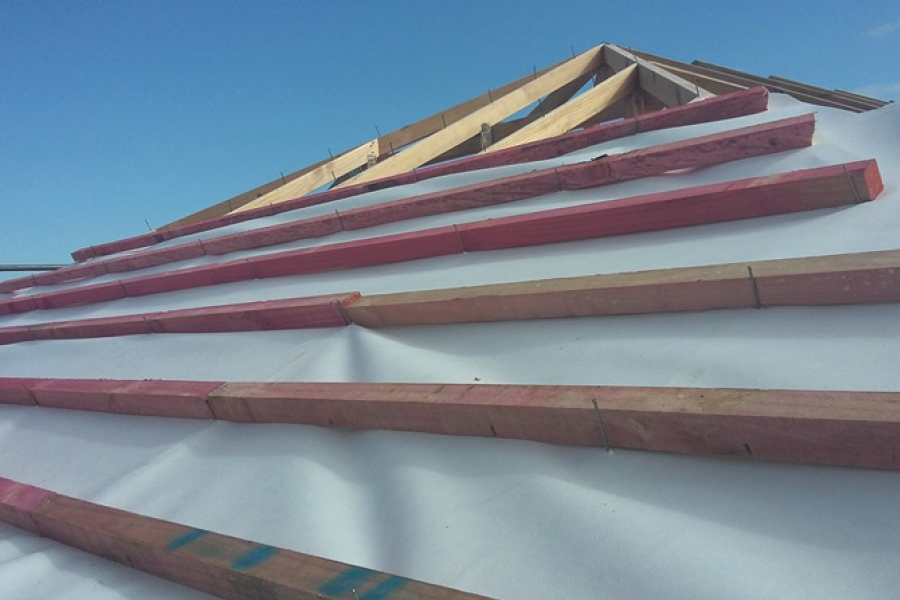
 Most Popular
 Popular Blog Posts