 VANTAGE Windows & Doors
 Roofing Industries
 ALTHERM Window Systems
 Dimond Roofing

 Juralco Aluminium
 SPAX


 Prolam
 Case Studies
 PGH Bricks
 Metwood





 DriSpace
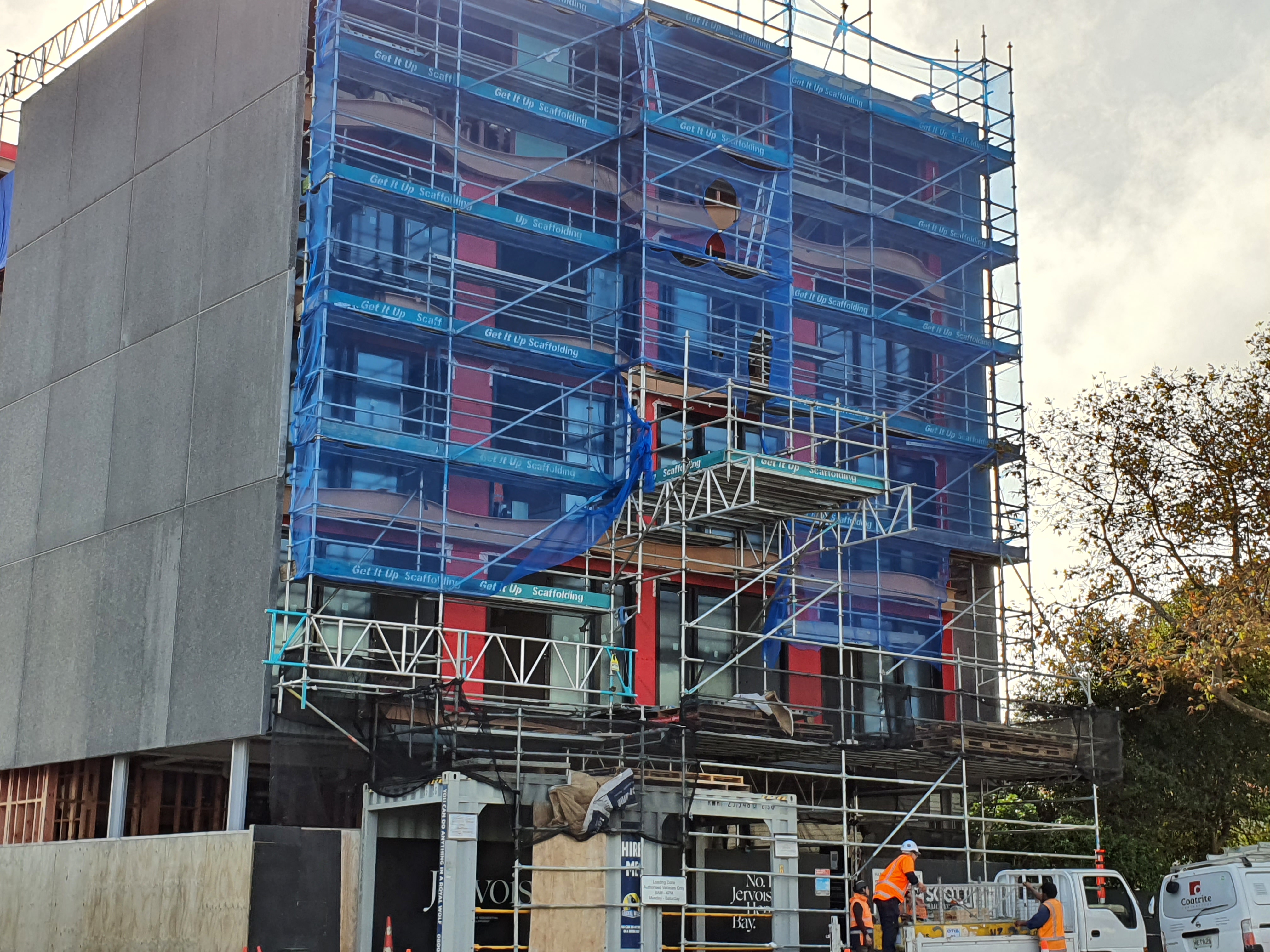



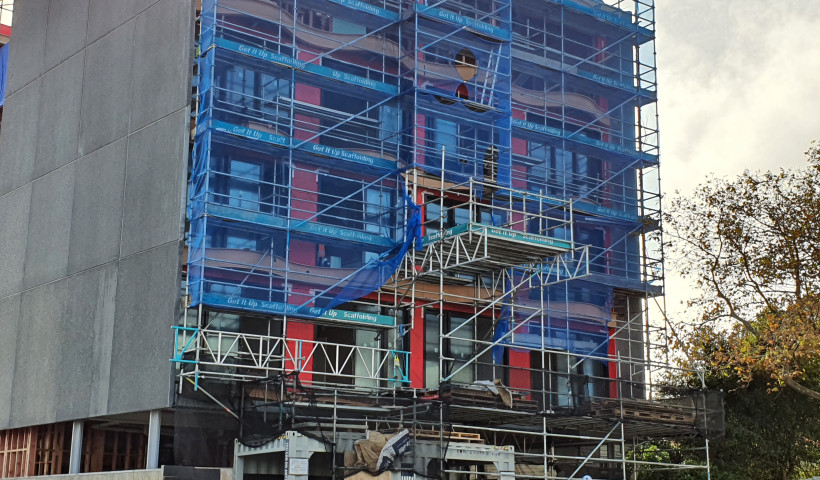
As New Zealand embraces higher-density housing, designers are being challenged to create apartments that are comfortable, healthy, durable and energy efficient, while making the most of increasingly limited space. Achieving these outcomes requires more than attractive finishes and good layouts. The building envelope also plays a critical role in long-term occupant comfort and building performance.
Apartment buildings introduce unique design challenges. Intertenancy walls, floor-to-wall junctions, balconies and complex façade connections often require acoustic, fire, thermal and moisture performance requirements to be coordinated within the same construction detail. Maintaining continuity through these interfaces is essential to delivering high-performing apartment buildings.
Supporting healthier and more durable apartments
Moisture management is an important consideration in higher-density residential construction. Moisture can enter wall systems during construction or accumulate through everyday activities such as cooking, showering and drying clothes. If this moisture becomes trapped within the building envelope, it can increase the risk of condensation, mould growth and reduced durability.
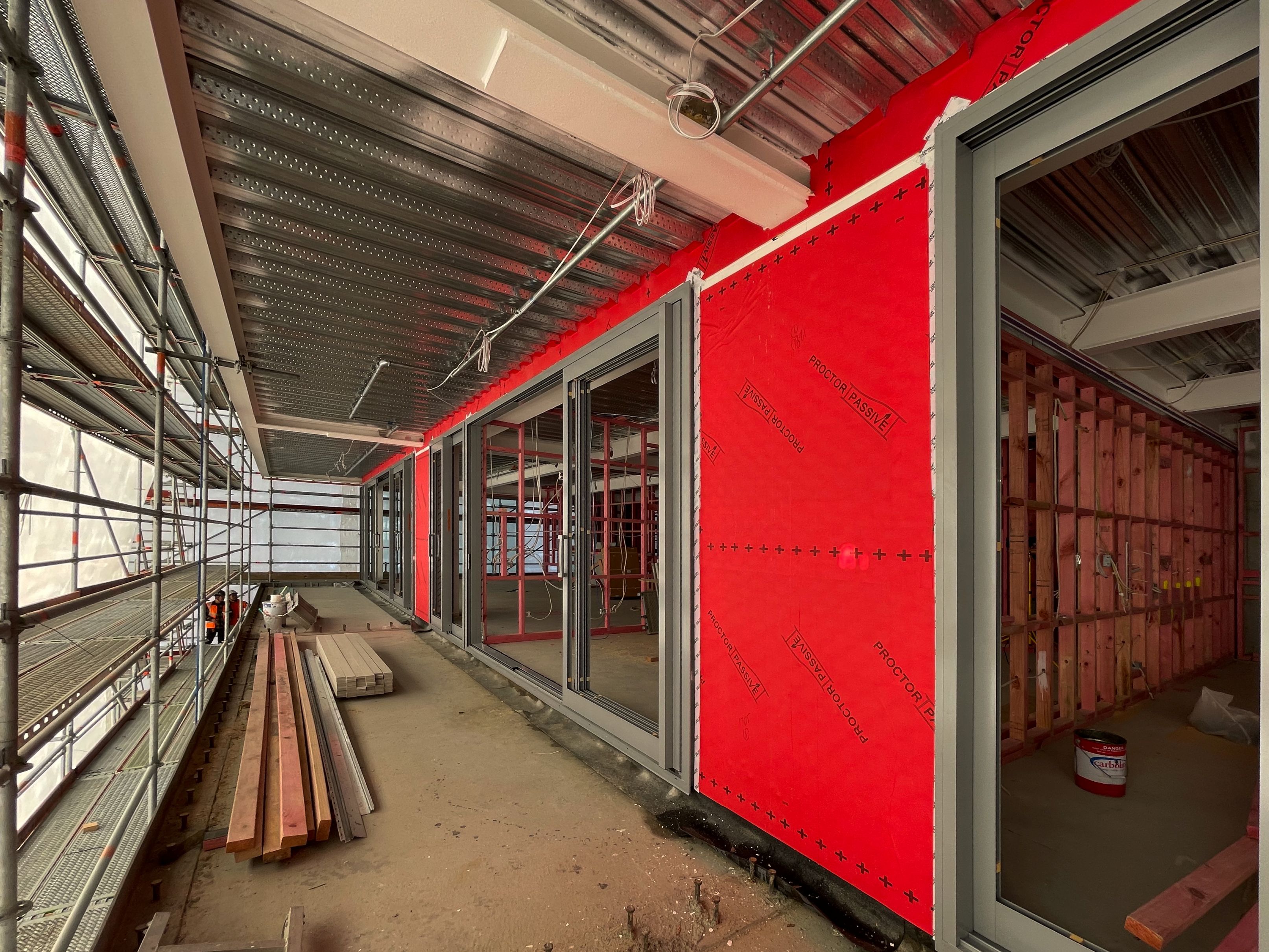
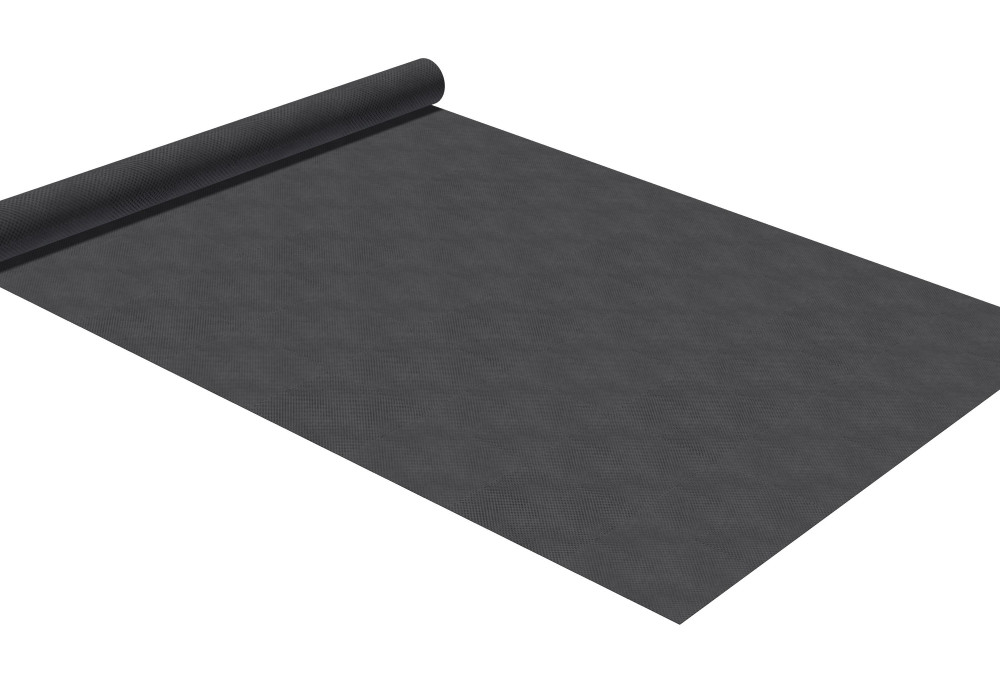
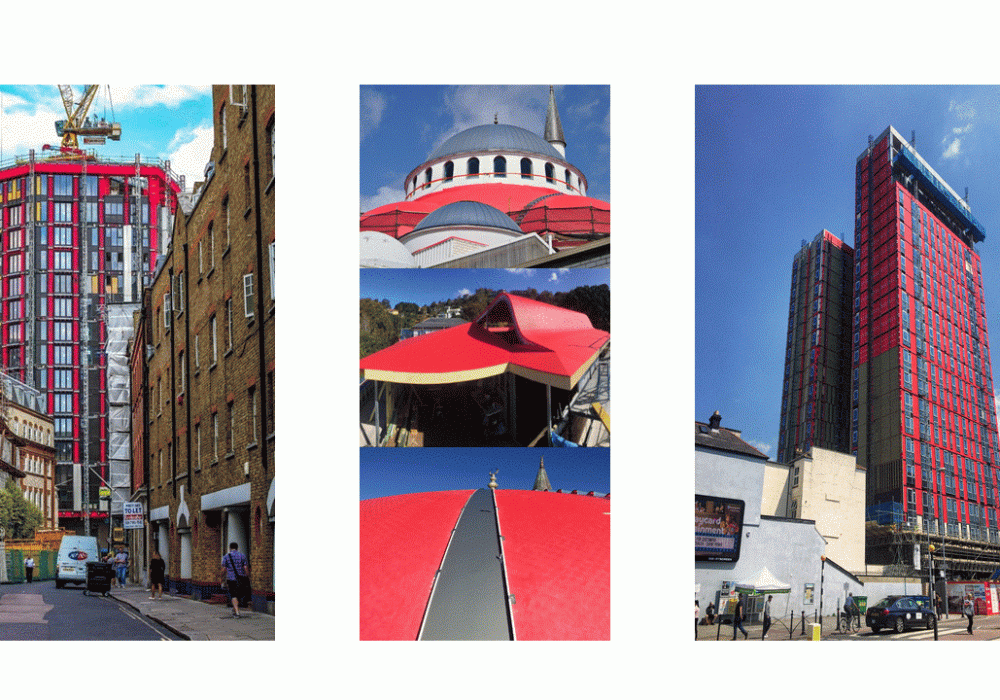
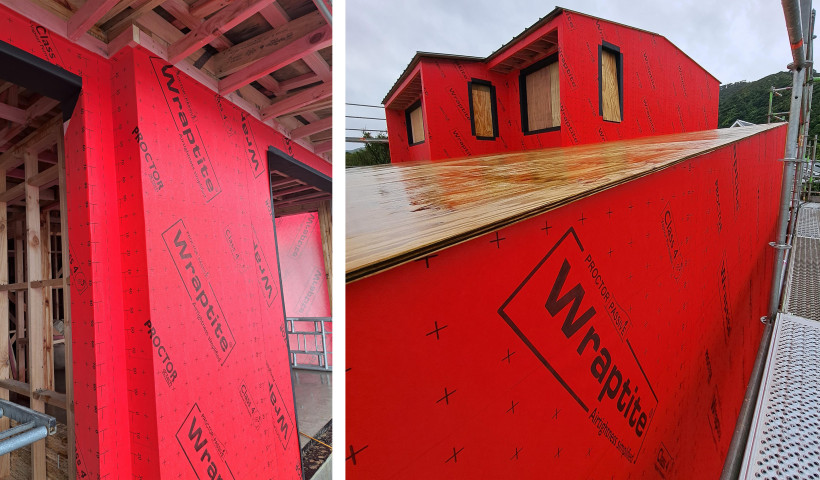
Self-adhered vapour-permeable wraps such as ProctorPassive Wraptite SA and Wraptite UV-SA provide an external weather-resistant layer while allowing moisture vapour to escape. Their high vapour permeability supports drying to the exterior and helps reduce the risk of moisture becoming trapped within wall assemblies.
This can be particularly beneficial around intertenancy walls, floor junctions and other complex apartment interfaces where drying pathways may be limited.
Simplifying airtightness in complex apartment designs
As apartment performance expectations continue to increase, airtightness is becoming an important design consideration. Uncontrolled air leakage can reduce thermal performance, impact occupant comfort and transport moisture into building assemblies.
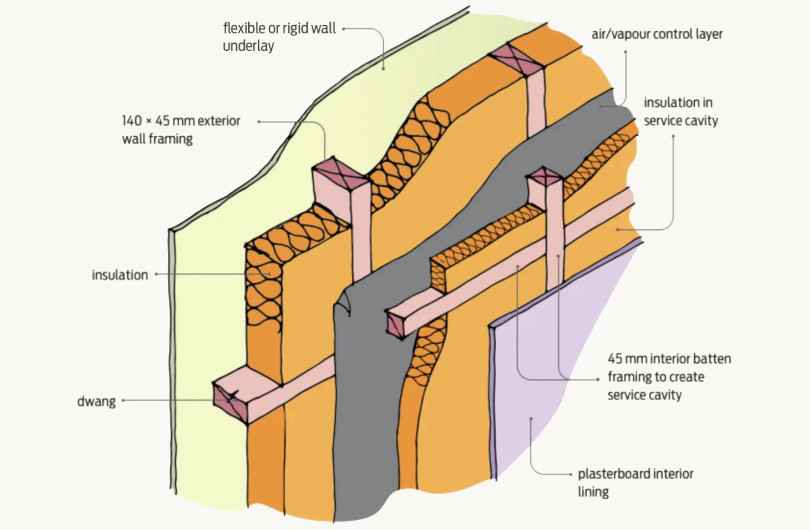
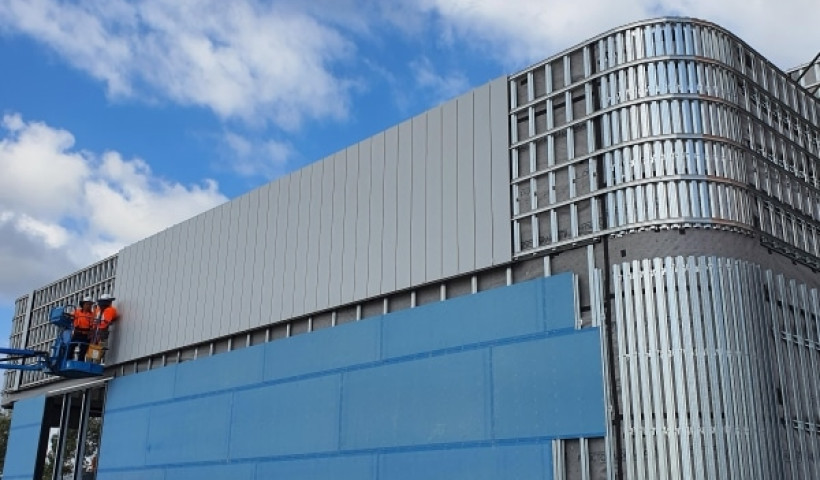
Locating the air barrier on the exterior of the structure can help simplify detailing around apartment interfaces while reducing conflicts with internal services. Wraptite SA and Wraptite UV-SA combine airtightness and secondary weather protection in a single external layer, supporting continuity across complex junctions and façade transitions.
For architects and designers working on higher-density residential developments, this can help achieve healthier, more comfortable and more durable apartments while simplifying building envelope detailing. By combining airtightness, weather protection and vapour permeability, Wraptite SA and UV-SA help support the performance outcomes that modern apartment living demands.
To learn how ProctorPassive Wraptite SA and UV-SA can simplify airtightness, contact the DriSpace technical team to arrange a CPD or technical presentation: [email protected]
 Popular Products from DriSpace
 Most Popular
 Popular Blog Posts