 VANTAGE Windows & Doors
 Roofing Industries
 ALTHERM Window Systems
 Dimond Roofing
 Juralco Aluminium
 SPAX
SPAX



 Prolam
 Case Studies
 PGH Bricks
 Metwood






 Simpson Strong-Tie


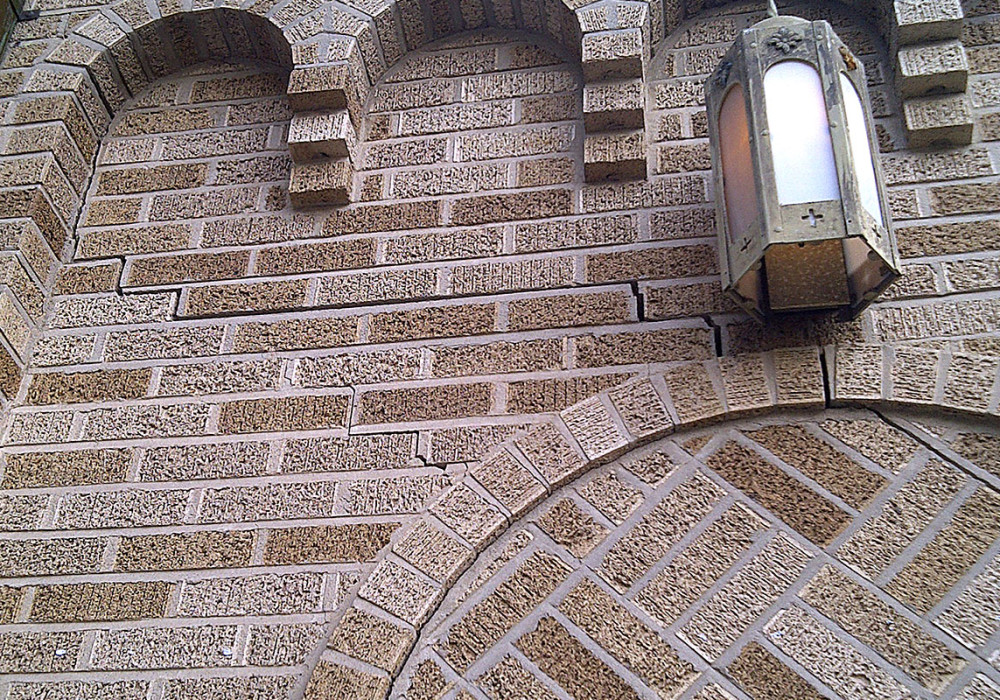
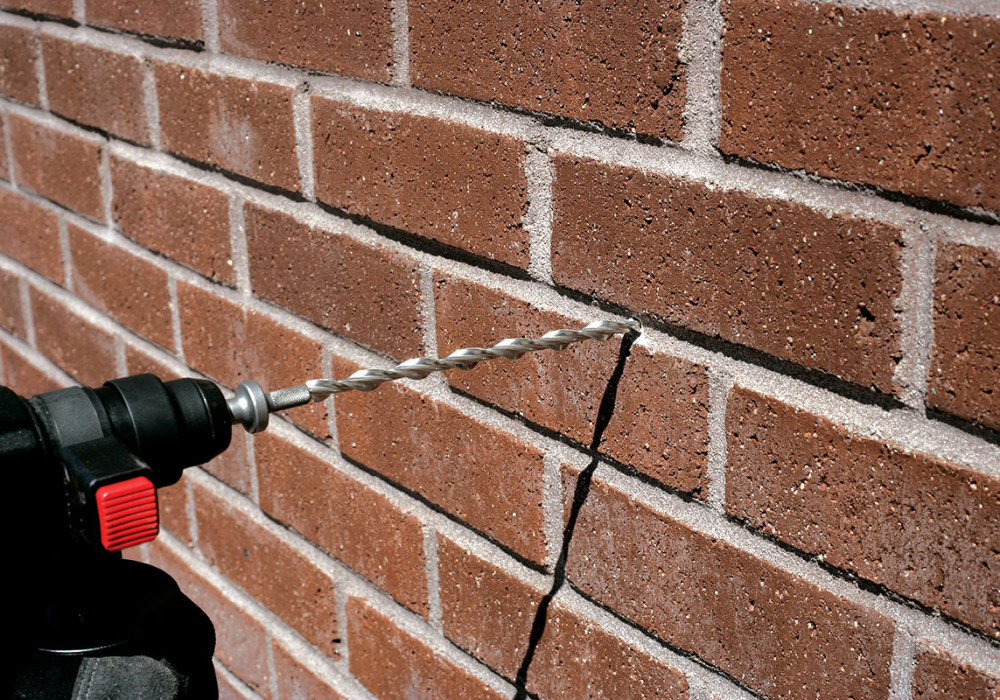

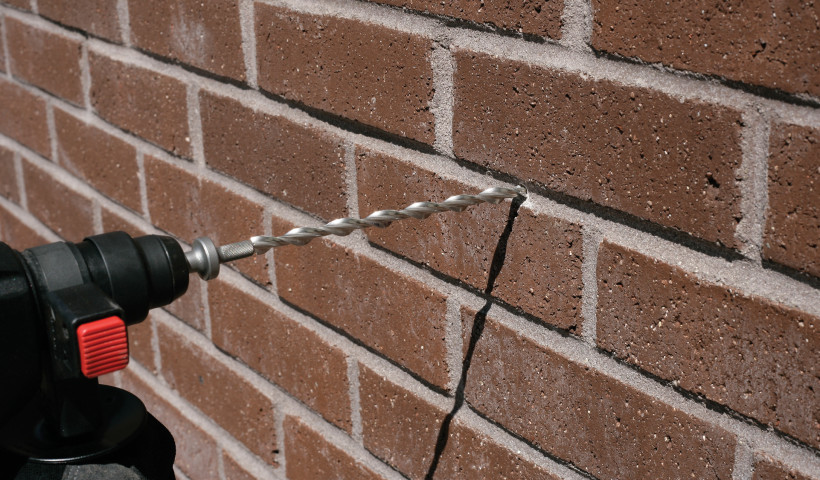
Today, the industry has shifted toward a more surgical approach: the helical tie. This technology represents a marriage of historical preservation and modern structural engineering, offering a non-destructive way to restore damaged masonry.
From innovation to restoration
The shift toward veneer construction in the mid-20th century introduced a significant long-term vulnerability. Mild-steel ties, used to anchor brick to internal structures, were prone to corrosion. As these ties failed, façades became unstable. Early remedial attempts relied on "brute force" expansion anchors, which often created internal stress that cracked fragile, historic brickwork.
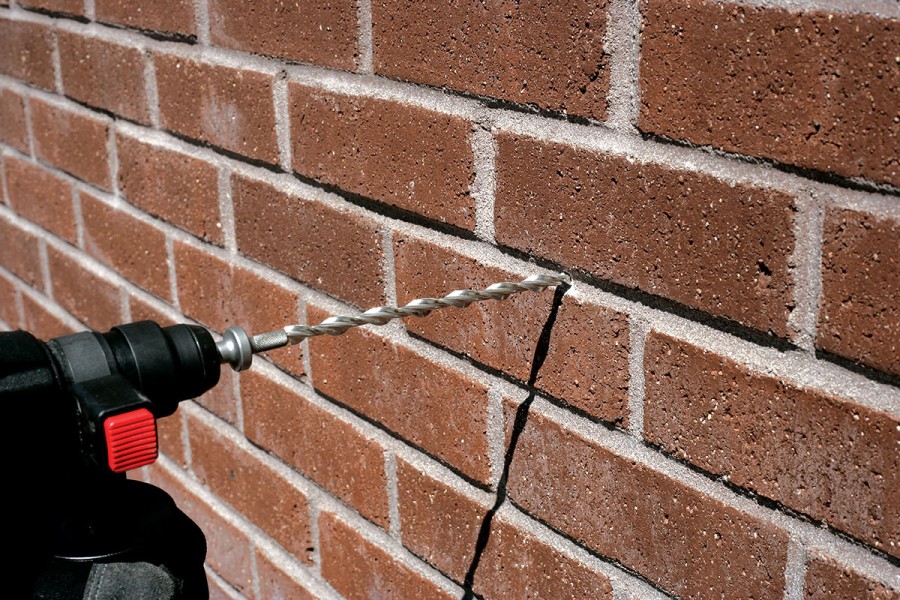
The breakthrough arrived with the development of the helical shape. By utilising a "twisted" profile, engineers created a fastener that functions like a screw rather than an expansion bolt. This allowed for a high-strength mechanical connection with a significantly smaller diameter and zero expansion stress — turning a destructive repair into a precision stabilisation.
The anatomy of the Heli-Tie
The effectiveness of the modern Heli-Tie is found in its specialised geometry. Unlike traditional anchors, it provides a permanent fix through three key features:
- Expansion-free interlock: The spiraled fins undercut the masonry as the tie is driven in, providing tension and compression resistance without stressing the substrate.
- 304/316 stainless steel: Specifically chosen for the ANZ environment, this grade of steel prevents "rust-jacking" and ensures longevity in high-corrosion coastal zones.
- High torsional capacity: A large-diameter solid core allows the tie to be driven through varying substrates — including concrete, CMU, timber, and steel—without deflection.
Versatile applications
Helical ties serve two primary remedial functions. As Wall Tie-Backs, they re-establish the connection between a masonry veneer and its backup. As Stitching Ties, they are embedded horizontally across structural cracks to restore monolithic behaviour, allowing the wall to transfer shear forces as a single unit once more.
The installation is remarkably discreet. Using a specialized SDS-plus tool, the tie is automatically countersunk 12mm below the surface. The small entry hole is then patched with colour-matched mortar, leaving the building’s aesthetic completely undisturbed. By moving away from aggressive expansion and toward the elegant geometry of the Heli-Tie, we can preserve the structures of the past with the technology of the future.
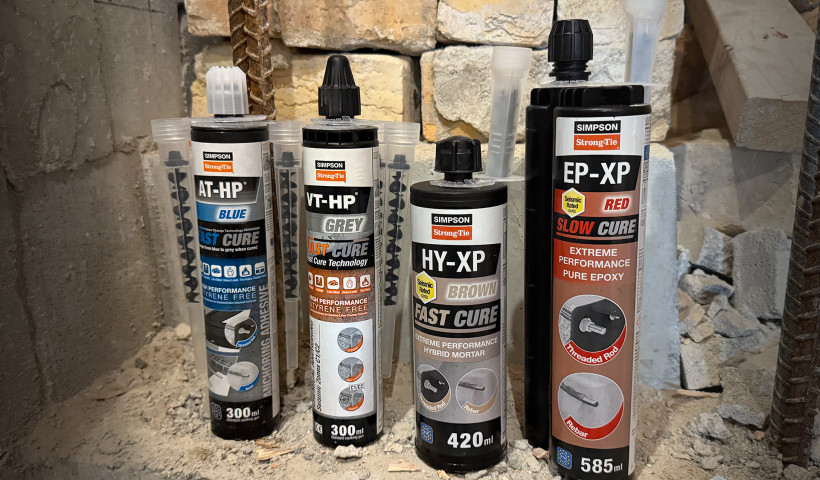
 Popular Products from Simpson Strong-Tie
 Most Popular
 Popular Blog Posts