 VANTAGE Windows & Doors
 Roofing Industries
 Dimond Roofing
 ALTHERM Window Systems

 Juralco Aluminium
 SPAX



 Nuralite

 GreenStuf
 MiTek New Zealand Limited





 Dulux
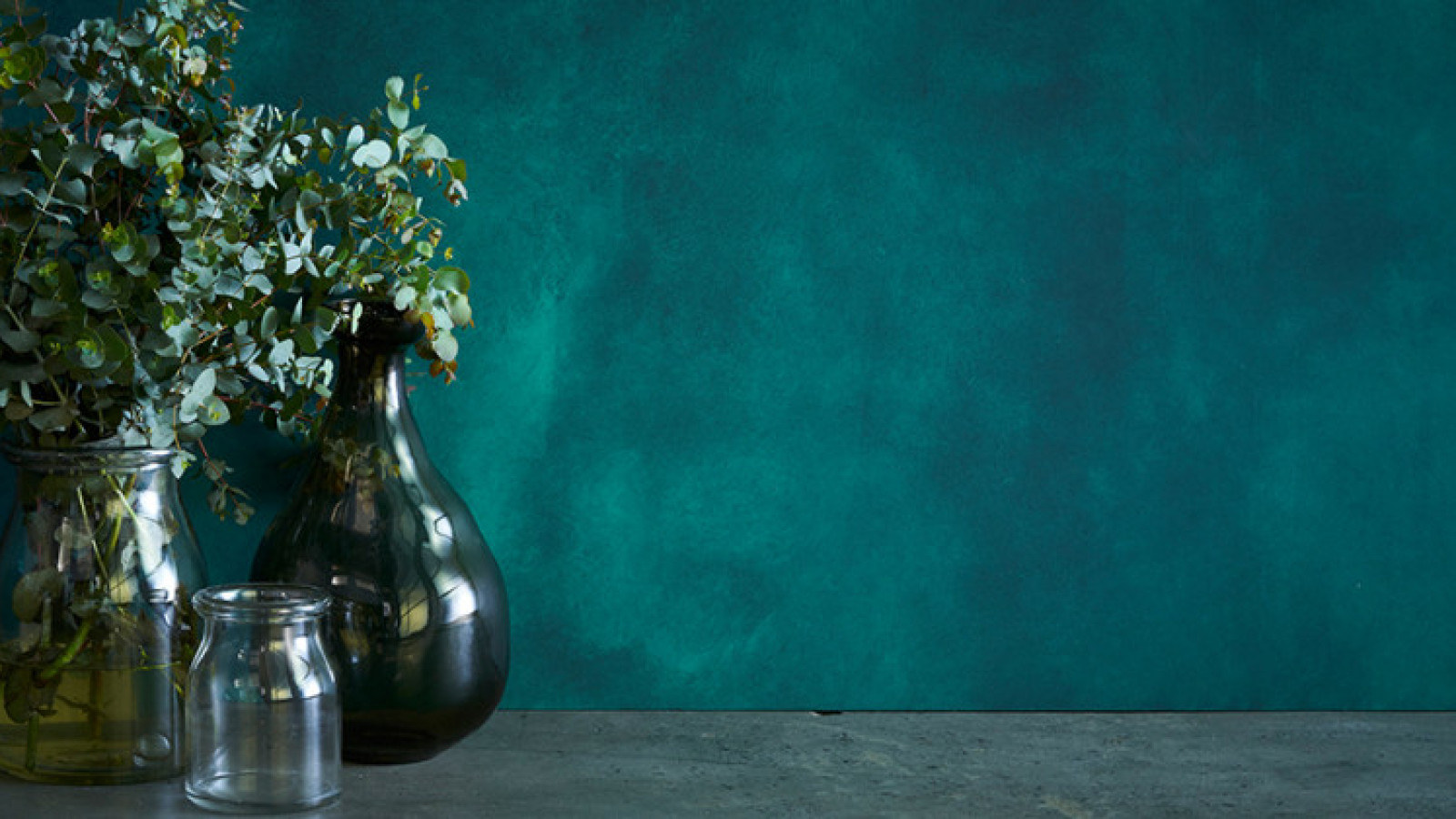
Jeremy Meates, Business Development Manager for Porter’s Paints New Zealand, answers your questions on how finish and texture can be used shape interior environments.
Why is the paint finish an important consideration when developing an interior material palette?
Paint should be considered as a material, not simply a colour selection. Its sheen, depth, texture and response to light can influence how the entire room feels.
Because painted surfaces often form a large part of an interior, the finish can either sit quietly within the palette or become an expressive design element. The right choice helps connect the walls and ceilings with materials such as stone, timber, metal and textiles, supporting the overall architectural intent.
How can texture and variation on a painted surface change the character of a room?
Texture gives a surface depth. Even a restrained amount of variation can soften a room and make it feel more layered, while a more pronounced treatment can create movement and a stronger focal point.
Light is central to this. A flat, uniform surface responds consistently, whereas a finish with tonal or textural variation changes as natural and artificial light moves across it. That can bring a sense of warmth and atmosphere to an otherwise simple interior.
How do you decide whether a project calls for a subtle finish or something with greater texture and visual impact?
Start with the role the surface needs to play. If the architecture, furniture or natural materials are already visually strong, a quiet finish may provide the right balance. If the walls are intended to contribute to the identity of the room, greater texture or tonal movement may be appropriate.
Scale and lighting also matter. A finish sampled on a small board can appear quite different when applied across a large wall. It is important to view samples in the intended space, under the lighting conditions the surface will experience throughout the day.
The most successful result is not necessarily the most dramatic one. It is the finish that supports the design concept and feels connected to the rest of the material palette.
What qualities do Eggshell, Interno, French Wash and Fresco bring to an interior?
Each offers a different level of surface presence.
Eggshell Matt Sheen provides a smooth, refined finish with a gentle sheen. It is useful where designers want an understated, polished surface that complements the surrounding materials without becoming a feature in its own right.
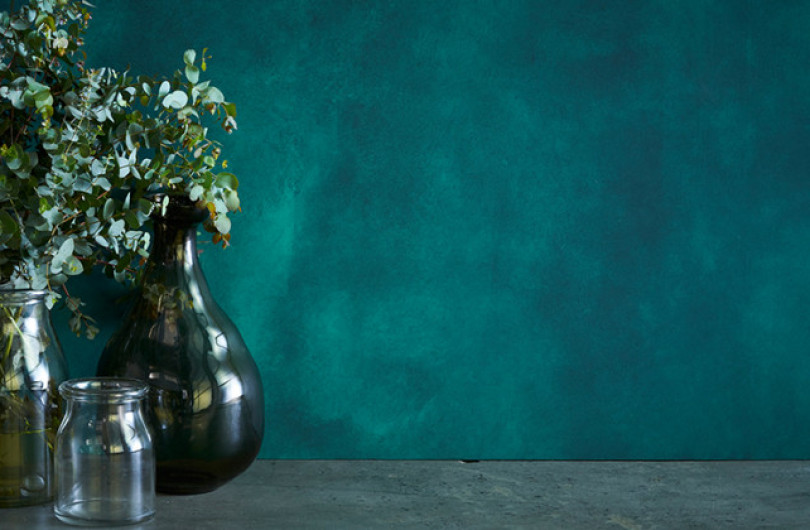
Interno Limewash creates natural blooming in the colour, bringing out the natural lime in the product. This creates a soft, ultra-matt appearance. By minimising reflection, it can give colour a sense of depth and support calm, contemporary interiors in which architectural form is the focus.
French Wash introduces tonal variation and subtle movement through its layered application. It works well when the intention is to add softness and character without creating a heavily textured surface.
Fresco offers a more pronounced, handcrafted expression. Applied using a trowel and then polished, its texture and movement allow the wall to become an active part of the design, with the finished surface changing in response to light and viewing angle.
Together, these finishes provide a spectrum from restrained and uniform to layered and expressive. The selection should be based on the substrate, intended appearance, application environment and broader design concept.
How should the finish relate to stone, timber, metal and textiles within the space?
It is useful to think in terms of both harmony and contrast. A restrained painted surface can allow heavily grained timber or strongly figured stone to remain dominant. In a more minimal palette, a finish with subtle movement can prevent the room from feeling overly flat.
Textured and tonal finishes can also form a visual bridge between materials. They can soften the transition between hard and tactile surfaces or echo the natural variation found in timber, stone and woven fabrics.
The aim is not for every material to compete for attention. A successful interior usually has a hierarchy, with some surfaces leading and others providing depth and continuity.
What role does application technique play in the finished result?
Application technique is fundamental, particularly with decorative and textural finishes. The tools, direction of movement, number of layers and individual hand of the applicator can all influence the final appearance.
That variation is part of the character of these finishes, but it also means expectations need to be established early. Samples and larger project mock-ups allow the designer, client and applicator to agree on the desired degree of texture, movement and consistency before work proceeds across the full surface.
Experienced applicators are especially important where the finish is intended to remain visible as a crafted element of the interior.
Are there misconceptions about textured surface treatments?
A common misconception is that texture must be bold, rustic or highly decorative. In practice, some of the most effective finishes are very subtle. Their contribution may only become apparent as light moves across the wall or as the surface is viewed from different positions.
There can also be an expectation that a decorative finish will conceal imperfections. Because these treatments interact with light and surface variation, they may instead make aspects of the substrate more visible. Good preparation remains essential.
Texture does not have to mean visual complexity. It can simply bring softness, depth and a more tactile quality to an otherwise restrained room.
What practical considerations should architects and interior designers keep in mind when specifying these finishes?
Begin with the substrate. Its condition, porosity and existing coatings can affect the preparation required and the appearance of the completed surface.
Sampling should be part of the specification process rather than treated as a final colour check. Ideally, the sample should show the proposed colour, finish and application technique at a meaningful scale and under the project’s actual lighting conditions.
Designers should also consider the function of the room, expected levels of contact and wear, cleaning requirements and the ability to repair or refresh the surface over time. The selected finish needs to satisfy both the visual intent and the practical demands of the space.
Clear communication between the designer, supplier and applicator is critical. When the desired level of variation is understood from the outset, textured and decorative finishes can be specified with much greater confidence.
About the author
Jeremy Meates is the Business Development Manager of Porter’s Paints.

 Most Popular
 Popular Products