 VANTAGE Windows & Doors
 Roofing Industries
 Dimond Roofing
 ALTHERM Window Systems

 Juralco Aluminium
 SPAX


 Nuralite
 GreenStuf
 MiTek New Zealand Limited





 Dulux
Long-term timber performance depends on more than choosing an oil or stain. It requires architects, designers and builders to align species, exposure, detailing, finish and maintenance from the outset.
Rob Farmer, Technical & Training Manager, Woodcare at Dulux answers your questions on timber oils and stains, and shares the key considerations for ensuring timber will look, weather and remain maintainable over the lifetime of the building.
When specifying timber for an exterior project, what should architects consider about its long-term protection from the outset?
The biggest mistake is to think about timber protection after you've selected the timber. Long-term performance starts with understanding how that timber will behave in its environment and interact with the coating. The species, orientation, level of exposure, accessibility for maintenance and desired appearance all need to be considered together.
I always encourage architects to think beyond practical completion. The real question is not how the timber will look on day one, but how it will perform in five, ten or twenty years. If you start with that mindset, the specification decisions become much clearer.
How do factors such as timber species, orientation, sun exposure and weather conditions influence the type of oil or stain that should be specified?
These factors influence almost everything.
A north-facing elevation in New Zealand will experience very different weathering from a sheltered south-facing wall. Timber species also behave differently. Some timbers absorb finishes readily, while others are denser and less porous. Some move significantly with changes in moisture, while others are naturally more stable.
The level of UV exposure, prevailing weather, proximity to the coast and the amount of protection provided by eaves all influence how quickly a finish will weather. There is no universally correct product. The right specification is always a response to the specific conditions of the project.
What is the difference between a finish that protects timber and one that is primarily intended to maintain a particular colour or appearance?
They're often confused, but they're not the same thing.
A finish designed primarily to maintain colour focuses on controlling the appearance of the timber over time. A finish designed to protect timber focuses on managing moisture, reducing movement and helping maintain the integrity of the substrate itself.
At Dryden, we've always believed that protecting the timber is the priority. If you can keep water out of the timber and reduce moisture cycling, you can significantly improve its long-term performance. Colour and appearance remain important, but they should sit alongside protection, not replace it.
There are many different approaches to timber protection, from penetrating oils to film-forming stains and coatings.
What should specifiers understand about how these different finishes perform over time?
All systems have strengths and limitations.
Film-forming coatings create a protective layer over the timber surface. They can provide excellent appearance and initial protection, but over time they're exposed to the same UV, moisture and movement as the timber beneath. If that film breaks down, maintenance can become more involved.
Penetrating systems work differently. Rather than sitting on the surface, they move into the timber and help manage moisture from within. Because there's no surface film to crack or peel, maintenance is generally about replenishing protection rather than repairing failure.
The most important thing specifiers can understand is that coatings don't stop timber being timber. Timber moves, breathes and responds to its environment.
The best systems work with those natural characteristics rather than trying to fight them.
How should designers think about the choice between allowing timber to naturally silver and using colour to retain more of its original appearance?
There isn't a right or wrong answer. It's really about design intent and client expectations.
Natural silvering can be a beautiful outcome. Many architects deliberately choose timber because they want that weathered appearance to become part of the architecture over time.
Equally, some projects aim to retain warmth and consistency of colour for as long as possible. In those situations, pigments play an important role because they provide additional UV protection and help slow the weathering process.
The important thing is that the client understands the decision. If timber is going to silver, that should be seen as part of the design outcome, not a surprise several years later.
What role does preparation and the initial application play in determining how well a timber finish performs over the long term?
It's critical.
You can have the best product available, but if the preparation isn't right, the long-term performance will suffer. Timber moisture content, cleanliness, treatment compatibility, coverage rates and application technique all matter.
We've always said that protection starts with proper preparation. Good preparation allows the finish to perform as intended and establishes the foundation for future maintenance. Shortcuts at the beginning often become expensive problems later
Can you talk us through what a good maintenance regime looks like for exterior timber cladding, and how often should specifiers expect it to require attention?
The first thing I'd say is that maintenance should be planned, not reactive.
Exterior timber should be inspected regularly and cleaned when necessary to remove contaminants such as dirt, pollen and mould. The aim is to identify areas that are beginning to weather before significant degradation occurs.
The actual maintenance interval depends on the timber, exposure and finish used. High-UV elevations will always need attention sooner than sheltered areas.
Rather than asking "How many years will it last?", a better question is "How often should I inspect it?" Regular inspection allows maintenance to be carried out at the optimal time and prevents small issues from becoming major remedial projects.
Are there particular mistakes you see in timber specifications or applications that can compromise the longevity of the finished project?
The most common mistake is specifying solely for appearance.
People understandably fall in love with how timber looks when it's first installed, but long-term performance depends on a much broader set of decisions.
Other common issues include selecting systems without considering exposure, failing to plan for maintenance access, underestimating the impact of UV and moisture, and assuming that all timber species behave the same way.
Perhaps the biggest mistake of all is not having a maintenance conversation with the client. Every exterior timber system requires maintenance. The difference is in the type and frequency of that maintenance.
Can you share an example of a project where the choice of timber protection system and its maintenance approach has helped the timber perform well over many years?
The projects that tend to perform best aren't necessarily the most expensive or the most complex. They're the projects where the architect, builder and owner all understood what success looked like from the beginning.
We've seen numerous examples of cedar and cladding systems that continue to perform exceptionally well after many years because the protection strategy matched the timber, the exposure conditions and the maintenance programme. The finish wasn't expected to do everything on its own. It formed part of a broader approach to timber stewardship.
That's really the key lesson. Good products are important, but they work best when they're supported by good specification and consistent maintenance.
If longevity is the priority, what are the key things architects and designers should look for when selecting and specifying a timber oil or stain?
First, look at how the system manages moisture. Moisture is the biggest driver of timber movement, weathering and deterioration.
Second, consider how the product will be maintained over time. The easiest finish to apply is not always the easiest finish to maintain.
Third, understand how the product behaves as it ages. Does it weather predictably? Can it be maintained simply? Does it support the natural behaviour of the timber?
Finally, align the protection system with the expectations of the client. The most successful specifications are the ones where performance, maintenance and appearance are all working toward the same outcome.
If you get those fundamentals right, timber can remain one of the most durable, beautiful and rewarding materials we have available to us.
About the author:
Rob Farmer is Technical & Training Manager – Woodcare at Dulux New Zealand.
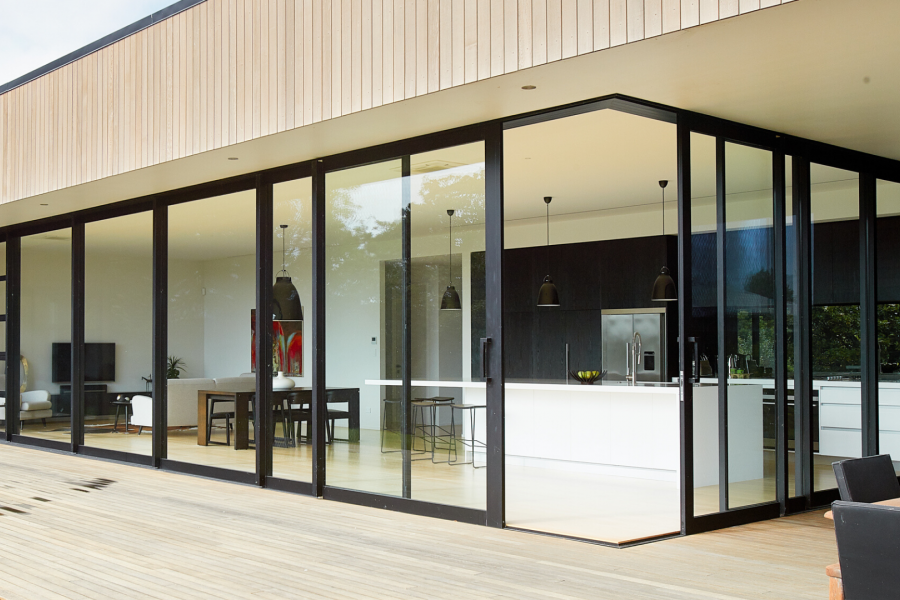
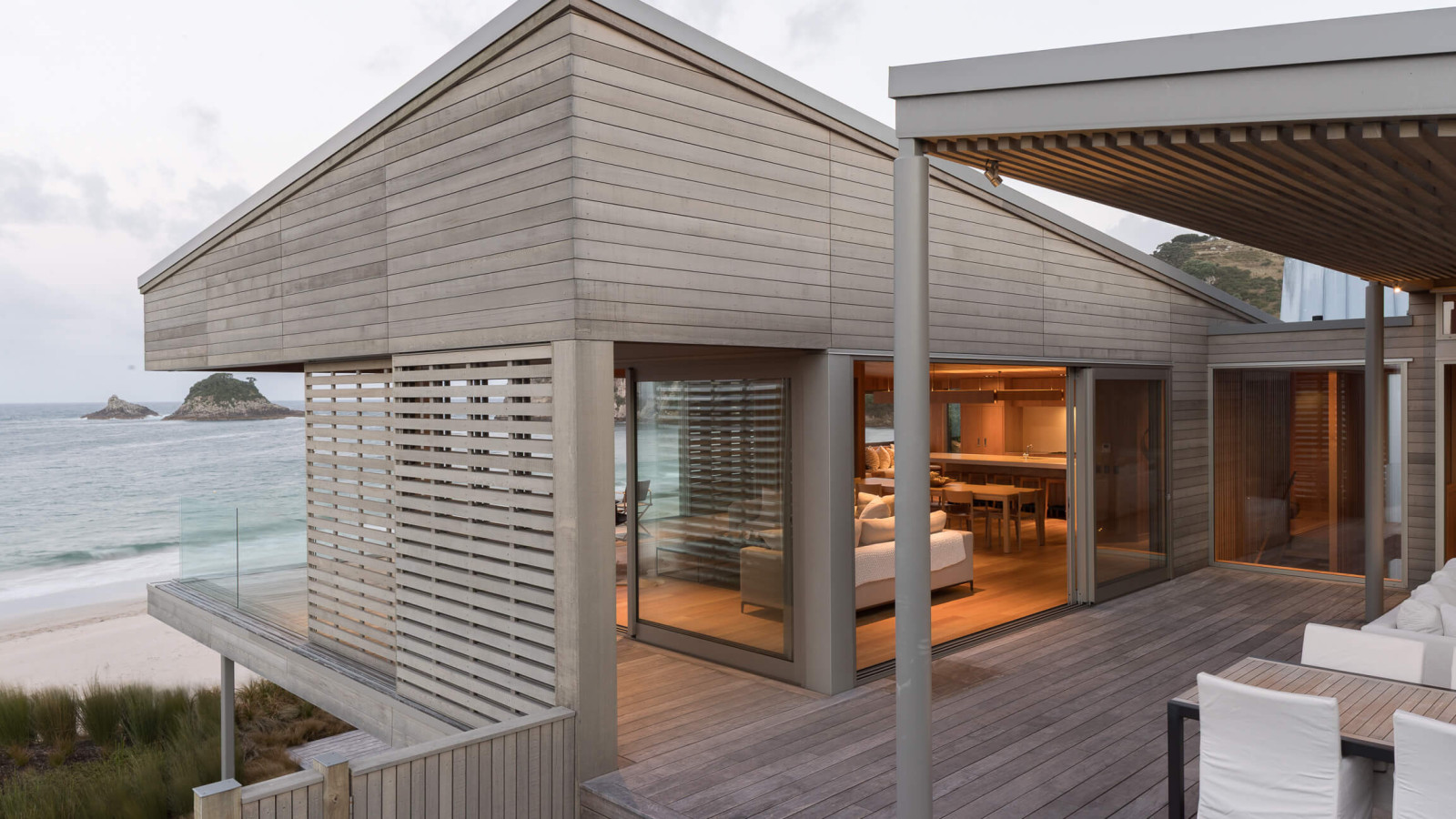
Photo by Simon Devitt

 Most Popular
 Popular Products