 VANTAGE Windows & Doors
 Roofing Industries
 ALTHERM Window Systems
 Dimond Roofing
 Juralco Aluminium
 SPAX
SPAX



 Prolam
 Case Studies
 PGH Bricks
 Metwood






 DriSpace


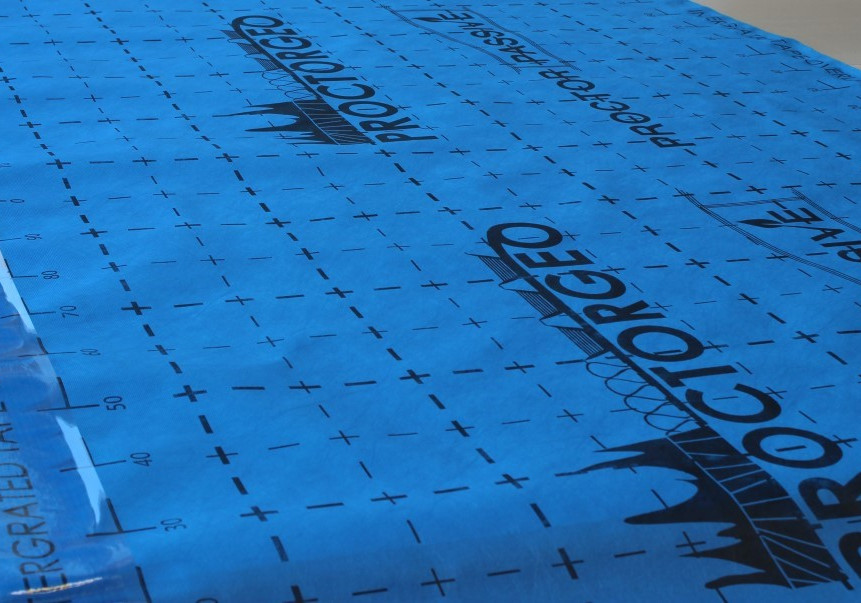

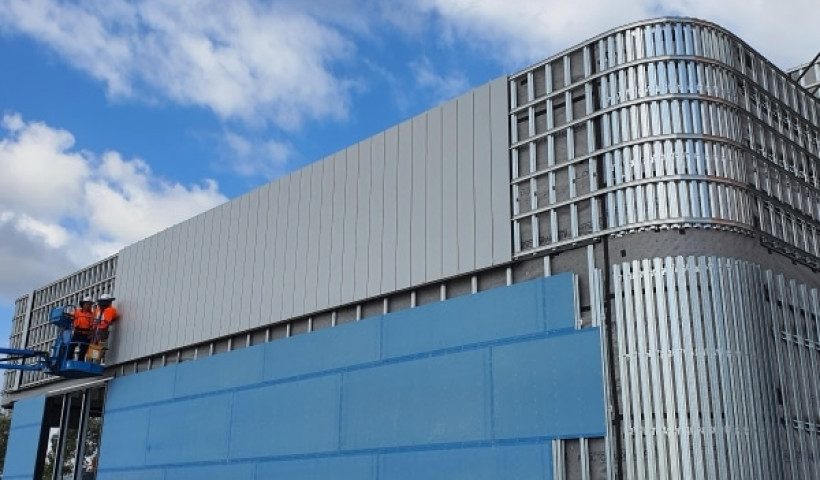
Warm pool water, elevated humidity levels, and year-round occupancy create a constant source of moisture. Unlike many wet areas where humidity levels fluctuate, indoor pools are exposed to high vapour loads for extended periods. Without appropriate vapour control, moisture can migrate into wall and roof assemblies where it may condense within the construction.
The hidden risk of moisture
Water vapour naturally moves from areas of higher humidity to areas of lower humidity. In indoor pool buildings, this means moisture is continually driven toward the building envelope.
When water vapour reaches a temperature below its dew point, condensation can occur within walls and roofs. Because this process happens inside the construction, the resulting damage is often hidden from view until significant deterioration has occurred.
Potential consequences include:
- Corrosion of structural components
- Mould and mildew growth
- Reduced insulation performance
- Premature degradation of building materials
- Increased maintenance and repair costs
Managing vapour movement is therefore an important part of protecting the long-term performance of the building envelope.
Why vapour control is important
While waterproofing systems protect buildings from external moisture, they do not control water vapour generated within the building.
A vapour control layer helps reduce the movement of moisture into wall and roof assemblies, limiting the risk of interstitial condensation. This is particularly important in indoor swimming pools, hydrotherapy facilities, aquatic centres, and other high-humidity environments where elevated vapour levels are expected throughout the life of the building.
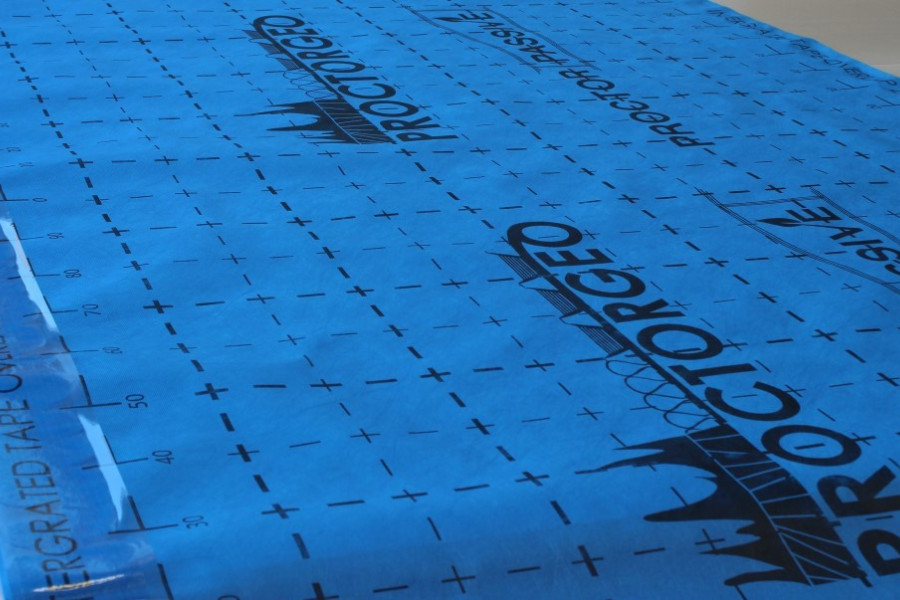
DriSpace supplies ProctorPassive GeoVap for high-humidity environments
GeoVap is a dedicated vapour control layer designed to help manage water vapour movement within the building envelope. With consistent vapour resistance, GeoVap is well suited to applications where moisture control is critical.
By helping reduce the migration of water vapour into wall and roof assemblies, GeoVap supports the long-term durability of insulation, structural components, and internal building materials. This can help minimise the risk of hidden condensation-related damage and contribute to more durable, resilient buildings.
Selecting an appropriate vapour control layer is an important consideration in the design of indoor pool buildings and other high-humidity environments.
 Popular Products from DriSpace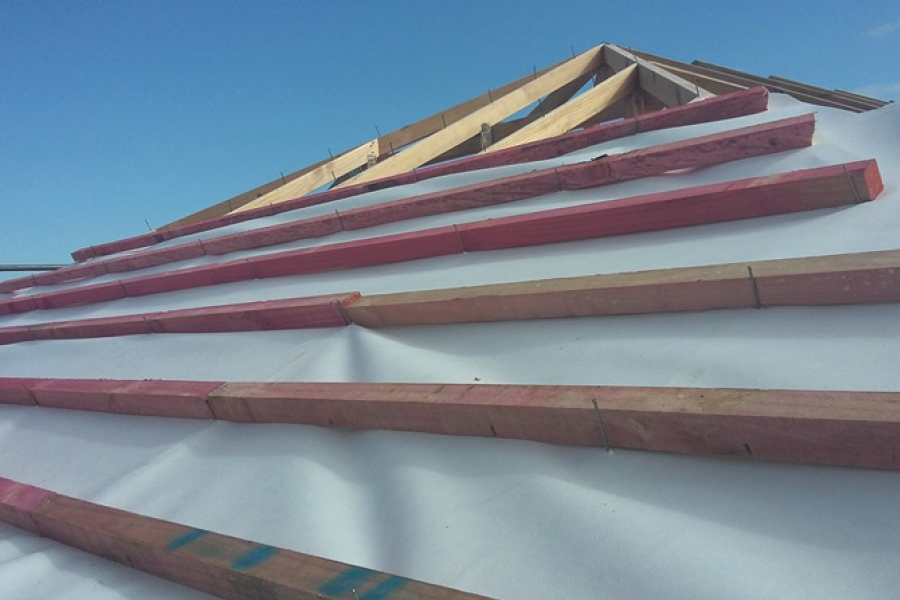
 Most Popular
 Popular Blog Posts