 VANTAGE Windows & Doors
 Roofing Industries
 ALTHERM Window Systems
 Dimond Roofing
 Juralco Aluminium
 SPAX
SPAX



 Prolam
 Case Studies
 PGH Bricks
 Metwood







 Allproof Industries


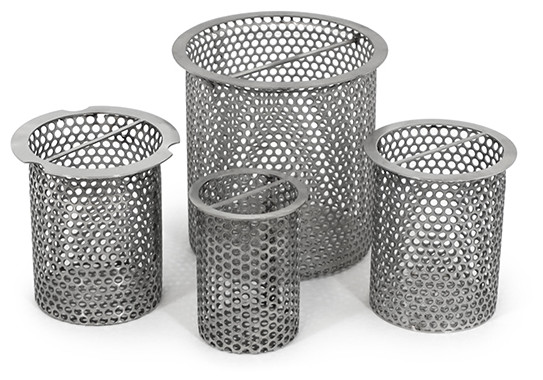



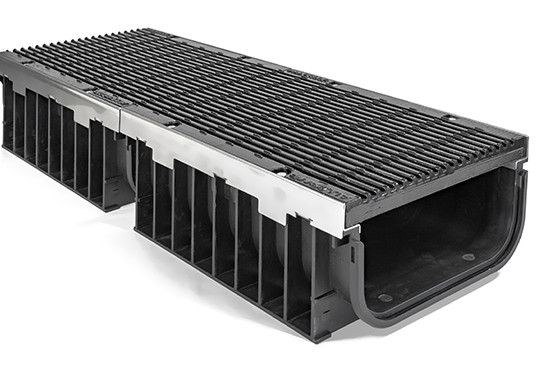



Commercial kitchens are classified as trade waste producers, and councils require trade waste outlets to incorporate strainer baskets to capture solids before they enter the drainage system. Generally, these will include a fixed primary strainer pressed into the fixture, and then a secondary removable basket that allows for cleaning the primary catchment of debris. Strainer baskets should be designed to be durable and tethered to the fixture to prevent them from being lost or removed by staff. This tether will also prevent the grate from being installed without the basket, providing a good safeguard to prevent operation without all components installed.
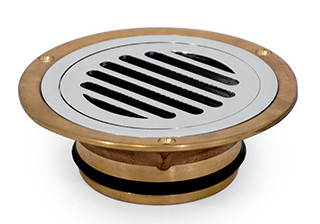
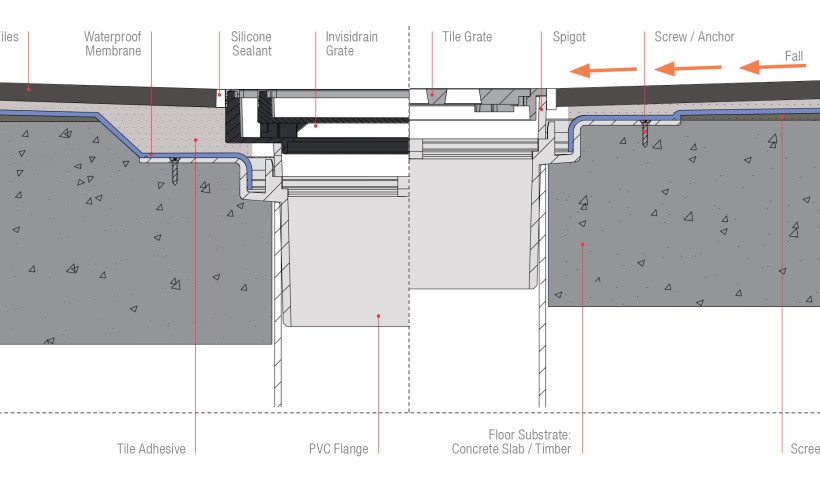
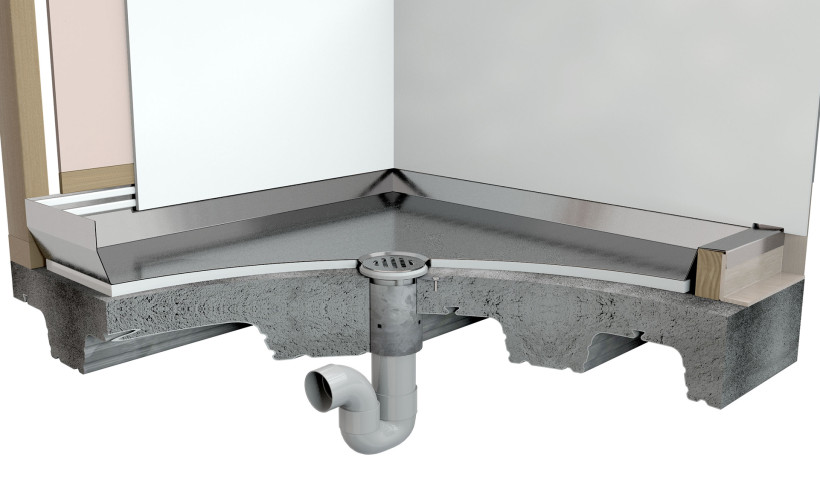
The selected flooring system will drive the specification of the type of drainage product detailed. An epoxy or finished concrete floor will lead toward a solid-edged drain, generally epoxy filled for durability. If vinyl or sheet flooring is installed, the fixture will require a clamp ring to secure the edge of the flooring product, often referred to as a vinyl clamping channel (VCC) or a bronze clamping flange and ring (VCR).
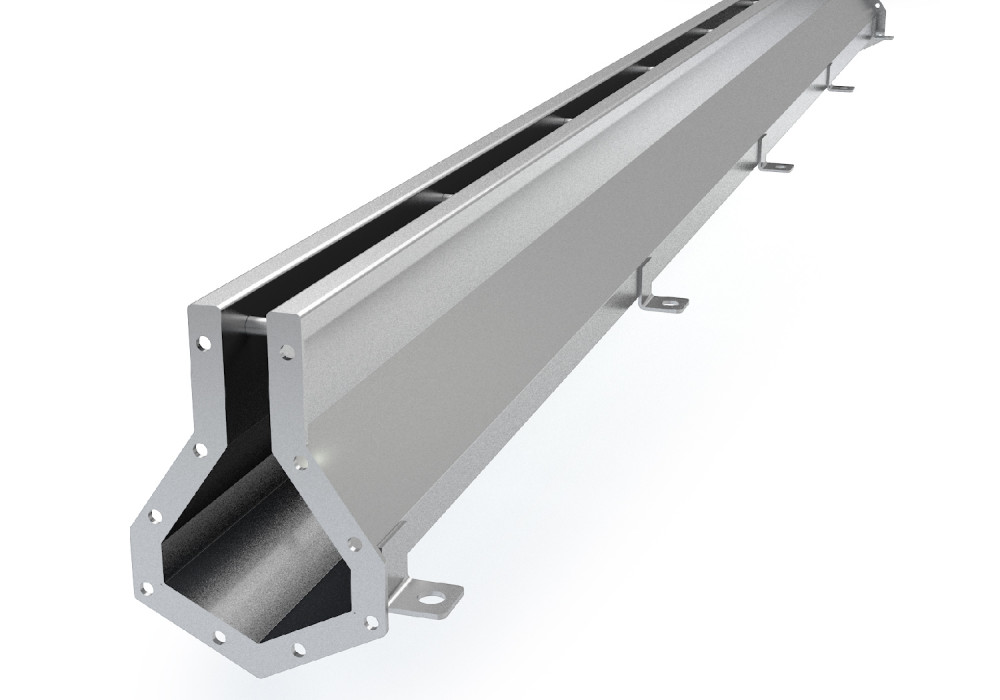
Depending on the type of kitchen the products are being installed in, there will be either point, channel, or slot drains selected. A point drain will provide simpler installation; however, greater screeded falls will be required to direct water to the outlet. The point drain can be a flanged drain, or sometimes a sump or a “brat pan” will be provided to accept a larger demand or sluicing of water during the cleaning process.
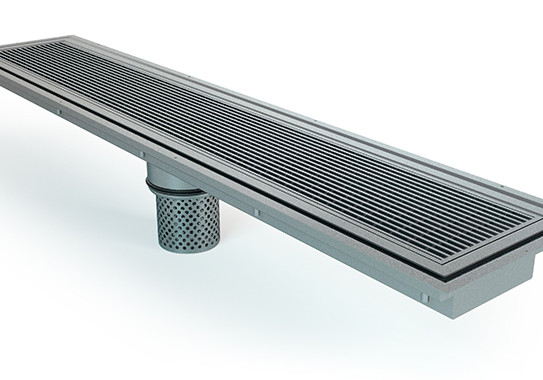
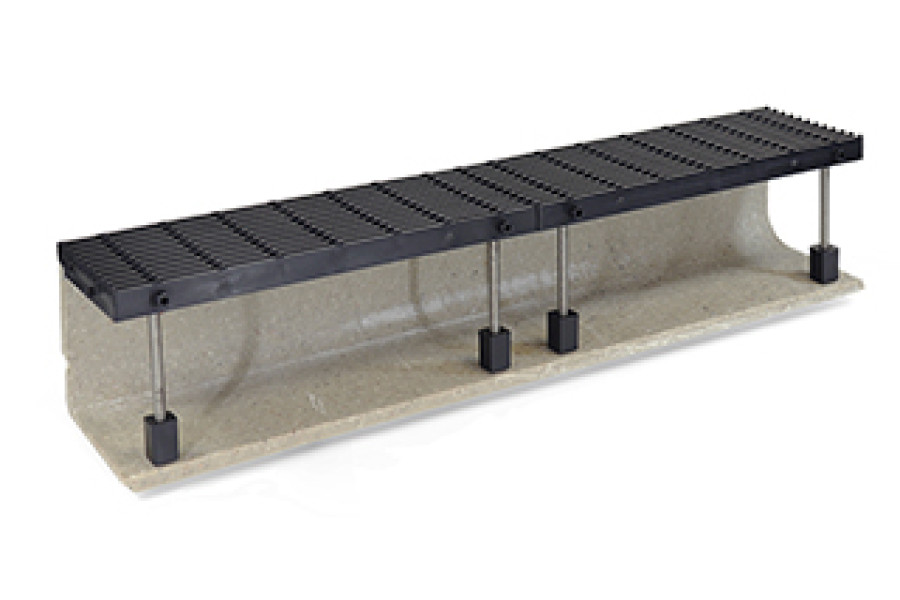
Linear or channel drains offer easier maintenance and greater catchment area, which may service more appliances or improve the falls in the floor to a lesser extent. Alternatively, a slot drain can provide a good drainage path into the subsurface channel and reduce grated areas. This is a particular advantage in high-traffic or high wheel-loading areas.
When selecting a channel drain setup, there will be options of stock systems that provide a modular product built up to suit the space, or a fully customised channel and integrated sump system designed and specified to suit the type of environment it is to be installed in. Meat processing will see a different type of environment to a hotel kitchen, for example. This could require a different strainer basket design and grating to suit either gumboots or flat-soled shoes of house staff. At this point, relying on a local manufacturer with both the capacity to supply and experience in the industry is crucial. Relying on imported products can present difficulties with delays, non-variable dimensions, and consideration of sustainability when sourcing finished products shipped across the globe.
Allproof Industries manufactures all its commercial kitchen fittings in its Auckland-based, Toitū-accredited manufacturing plant, located within a few hundred kilometres of any project site nationwide. Add to this nationwide representation and merchant support, and you can be assured that your designs will be compliant, functional, and delivered on time.
 Popular Products from Allproof Industries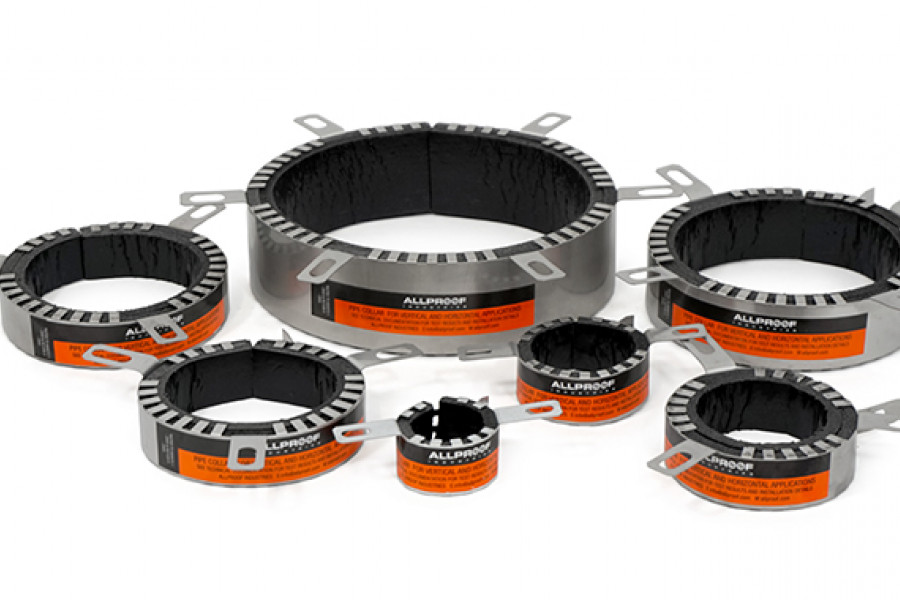
 Posts by Andrew Smith

 Most Popular