 VANTAGE Windows & Doors
 Roofing Industries
 ALTHERM Window Systems
 Dimond Roofing
 Juralco Aluminium
 SPAX
SPAX



 Prolam
 Case Studies
 PGH Bricks
 Metwood





 Allproof Industries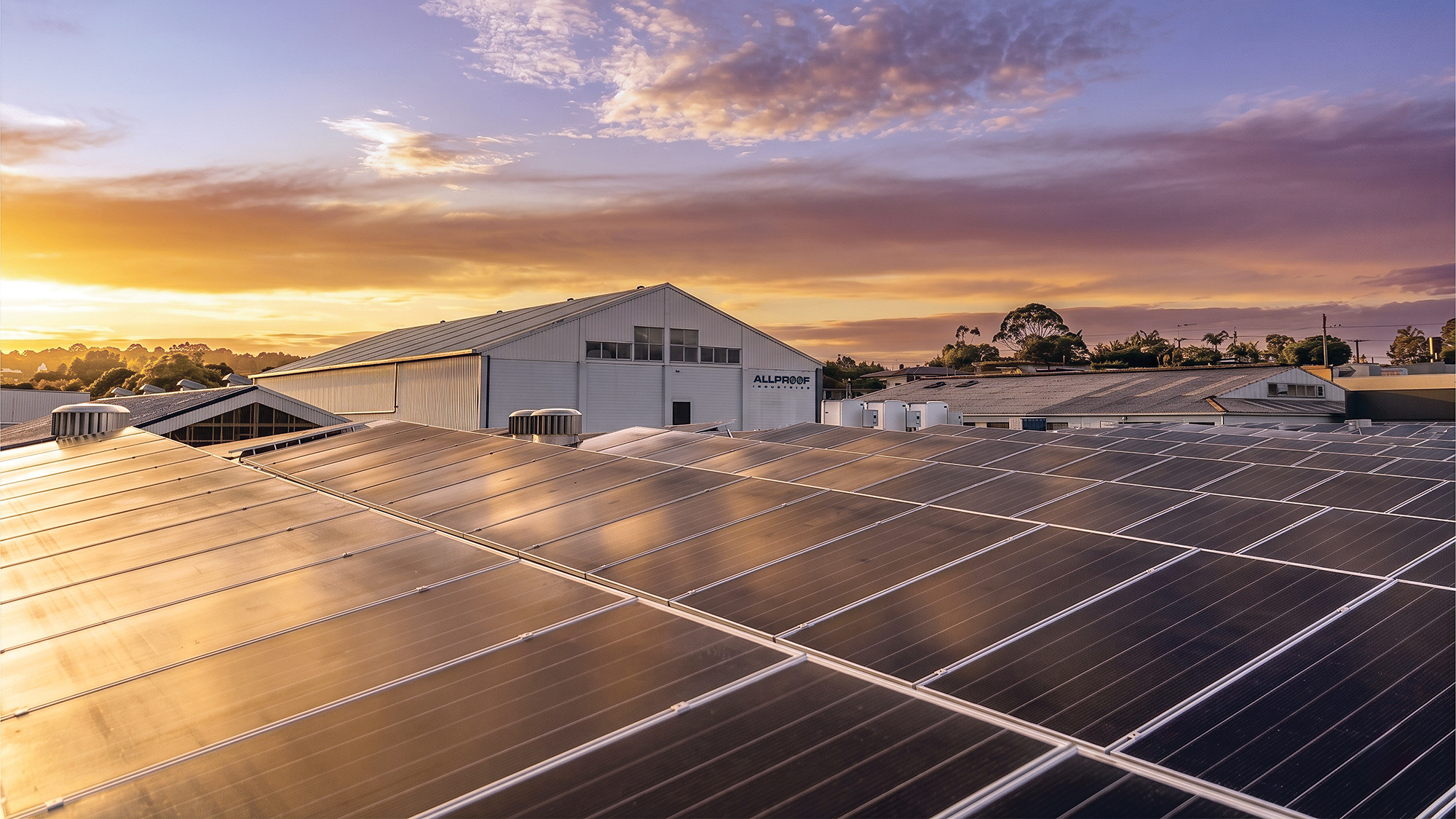
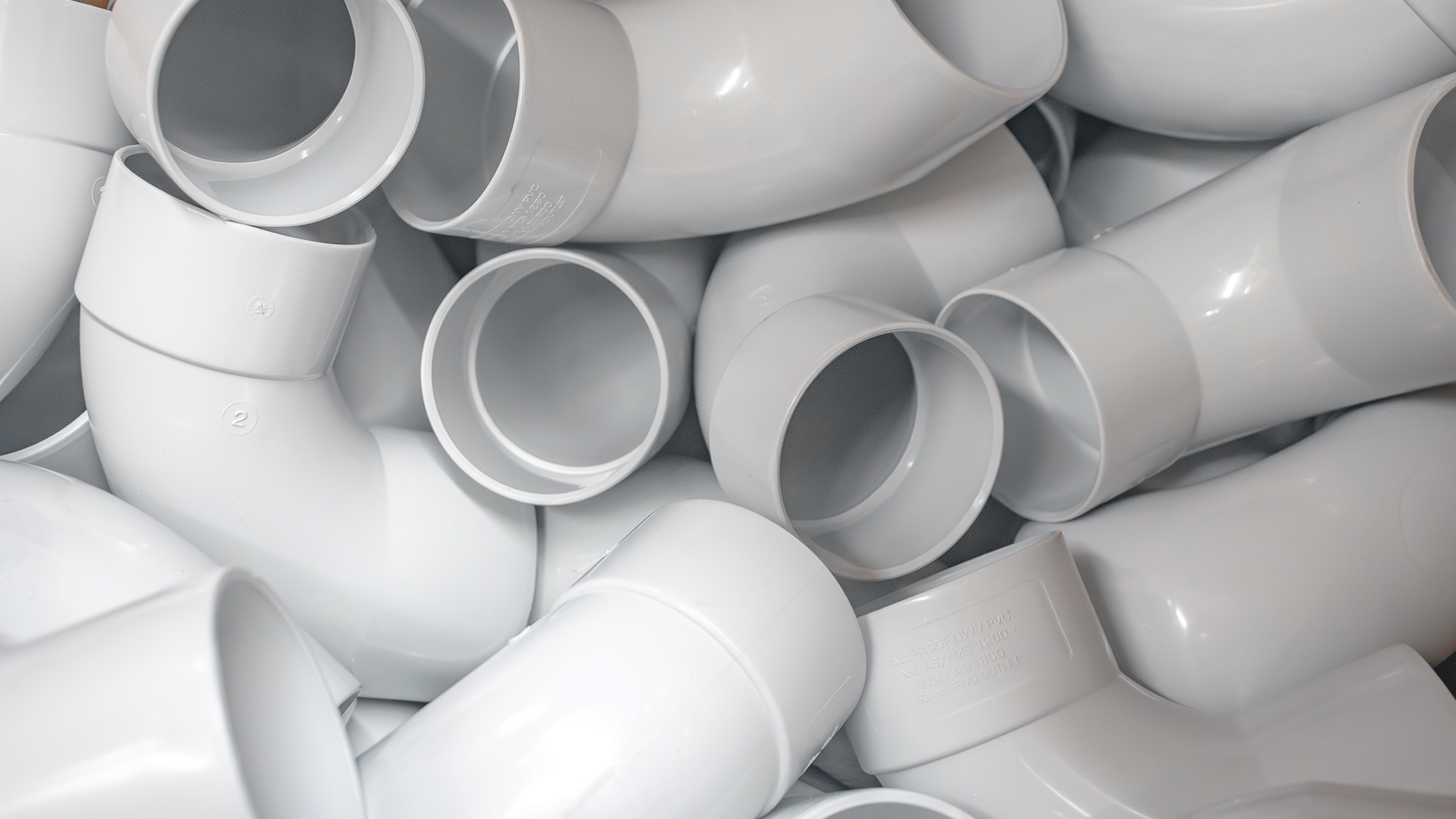
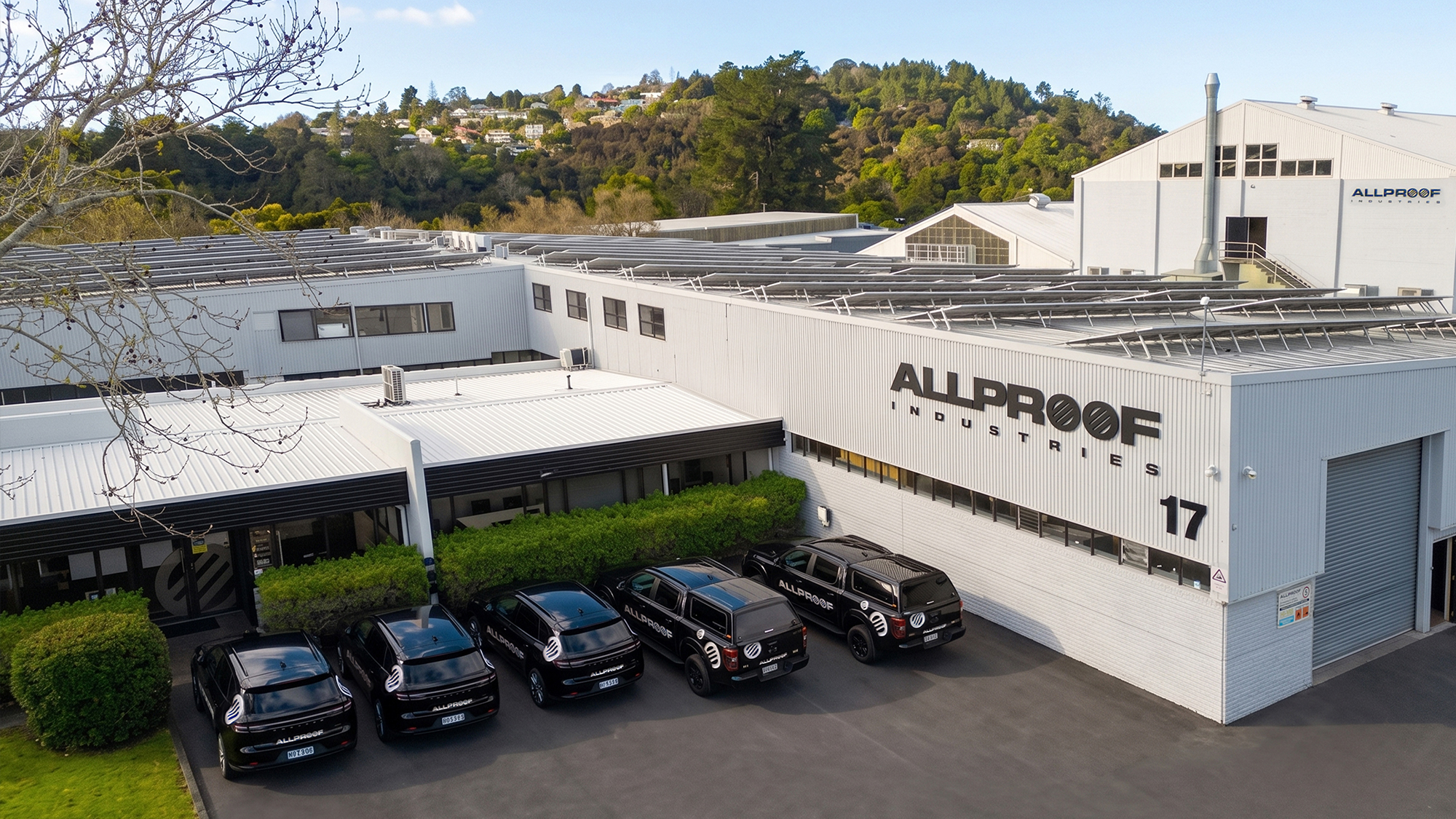
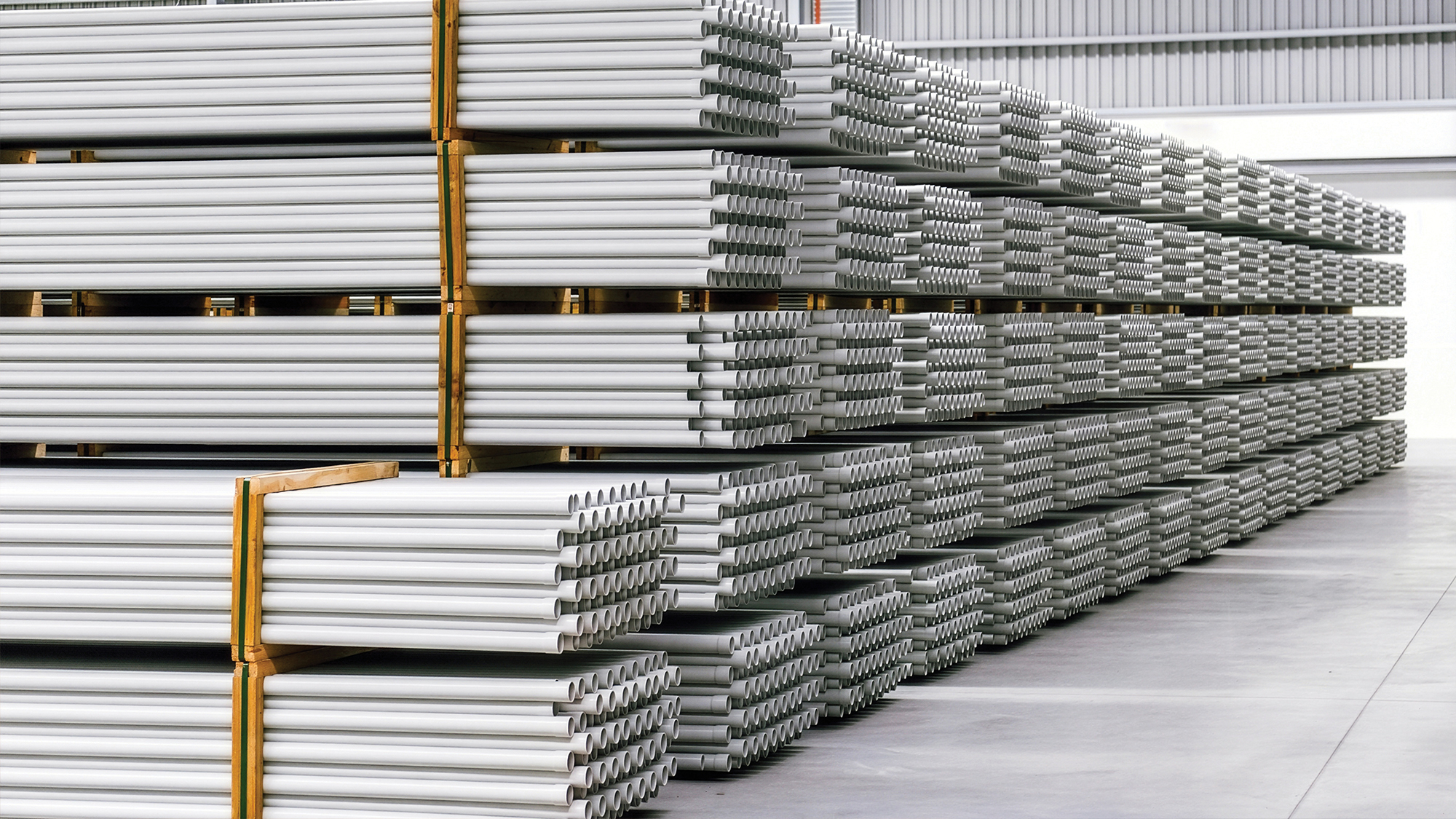


Looking at the location that a product is manufactured makes a real impact on the embedded carbon in an installed product. Many a product may be deemed to be carbon zero at the source of manufacture, but the transportation of a fully manufactured product being imported from offshore will have a real effect on this claim.
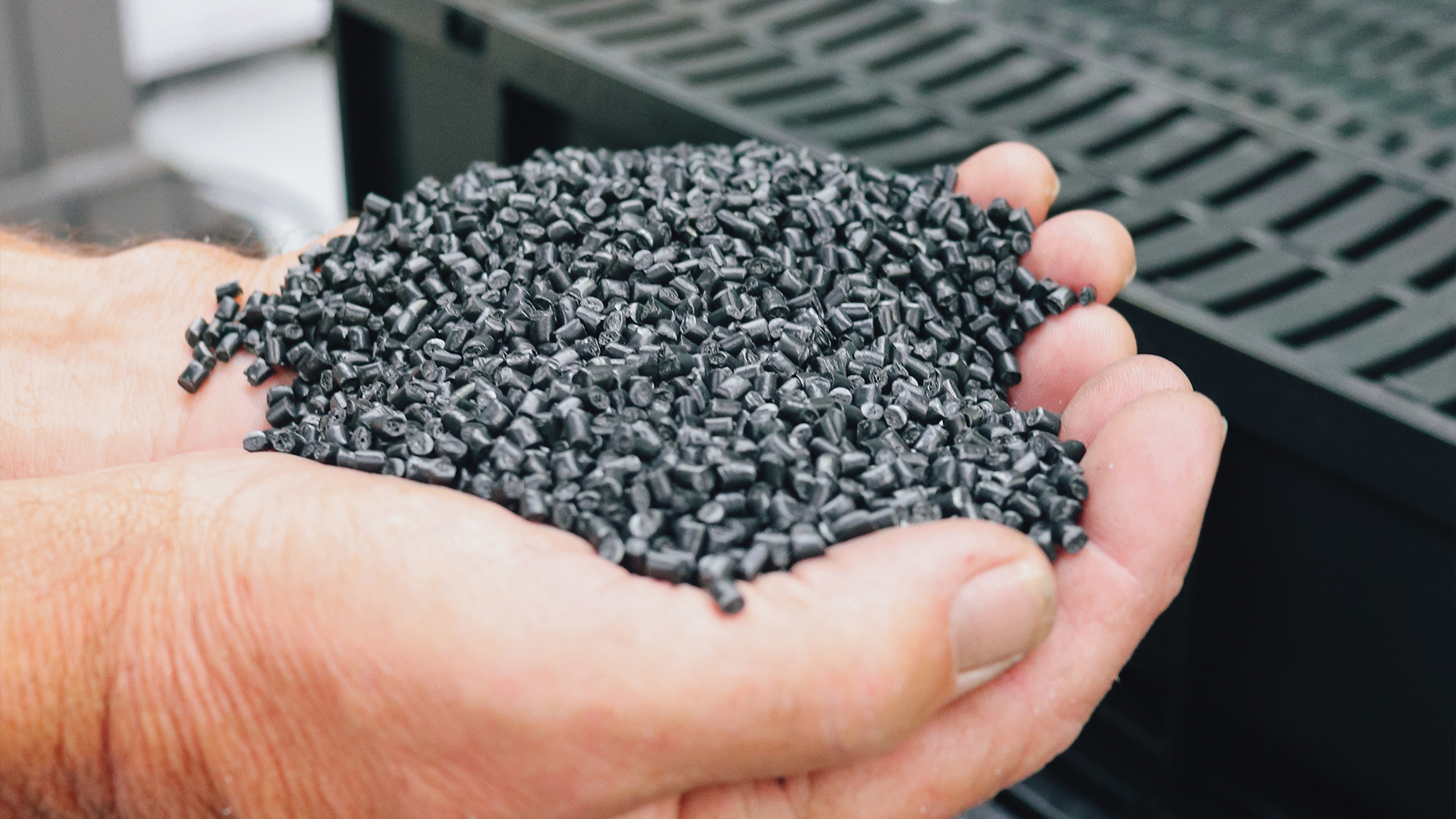
In thinking of a locally manufactured product, the importation, or local sourcing, of raw material means a far more efficient supply to the manufacturer. Allproof sources its raw material and ships to their New Zealand based manufacturing plants in the most efficient manner possible, either sheet stainless steel, or bagged resin products to then be fabricated, injection moulded or extruded into finished products, with the final installation location no more than a few hundred kilometres from manufacture. In fact, a large amount of the raw material is post consumer recycled material from the Auckland market.
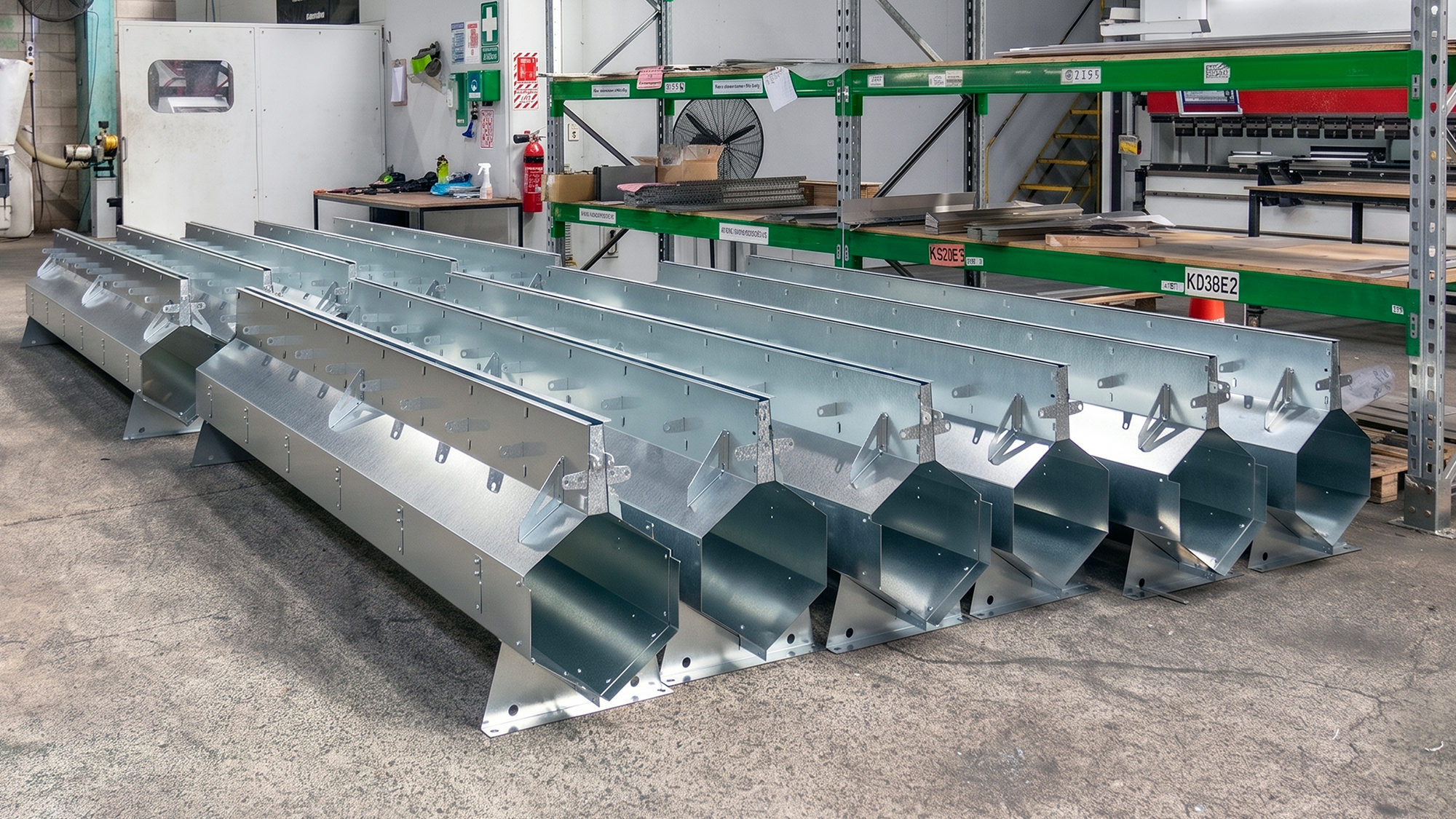
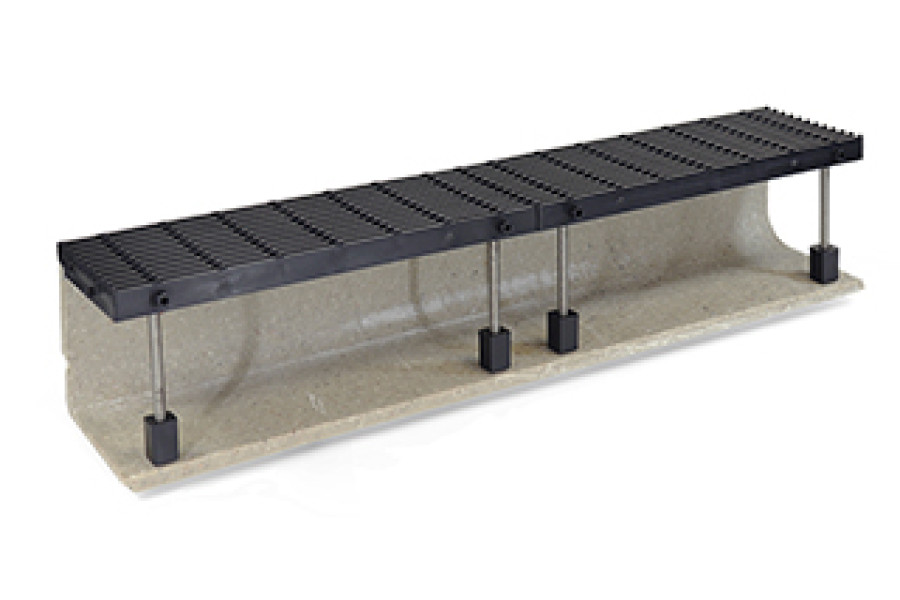
A recent example of this is the Auckland International Airport airside works team selecting the Allproof Heavy Duty Slot Drain to be supplied for pavement upgrades for these reasons. The incumbent product was an imported, fully fabricated solution.
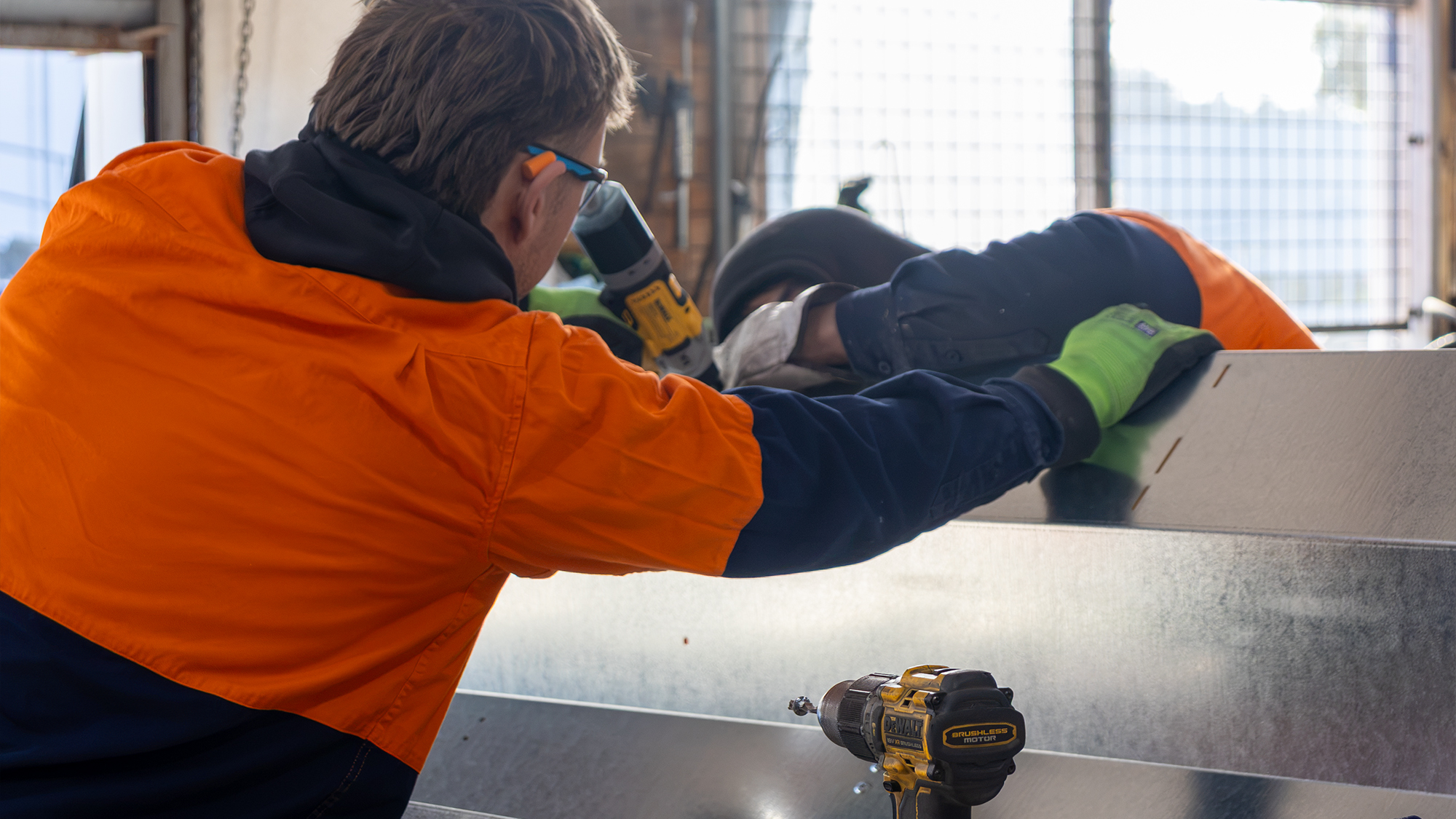
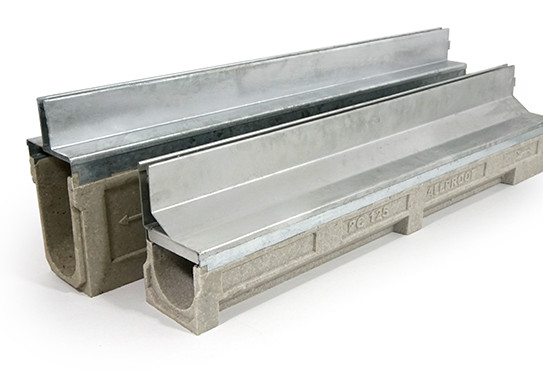
The heavy duty slot is a galvanised steel, fabricated slot drain measuring up to 1.8 Cu/M per 3 meter long unit. The option of utilising a local manufacturer to supply over 200 l/m of product presented efficiencies in supply chain methods and reduced minimum order numbers. Allproof imports raw material as a flat sheet, fabricates their product in the plant and ships to site, in this case only 25km away. Being so close to the installation team has allowed for the fabrication and supply of the product to align with construction timelines, spreading the purchasing over time and not requiring prefabricated product to be stored on site due to having to mass order offshore ahead of time.
On the PVC side of things, utilising a local manufacturer also ensures that the raw material is not only imported in the most efficient manner, but that the manufacturing process is audited with local TOITU accreditation. This ensures that the sourcing of material, manufacturing, health and safety of staff and waste management is all up to NZ standards for the best practice in low impact manufacturing. This has been further enhanced by the installation of solar arrays to their two Auckland manufacturing facilities. In the case of Allproof’s Pokeno PVC pipe extrusion plant, the installation will result in a solar positive situation, with the supply exceeding the electricity demand the plant utilises.
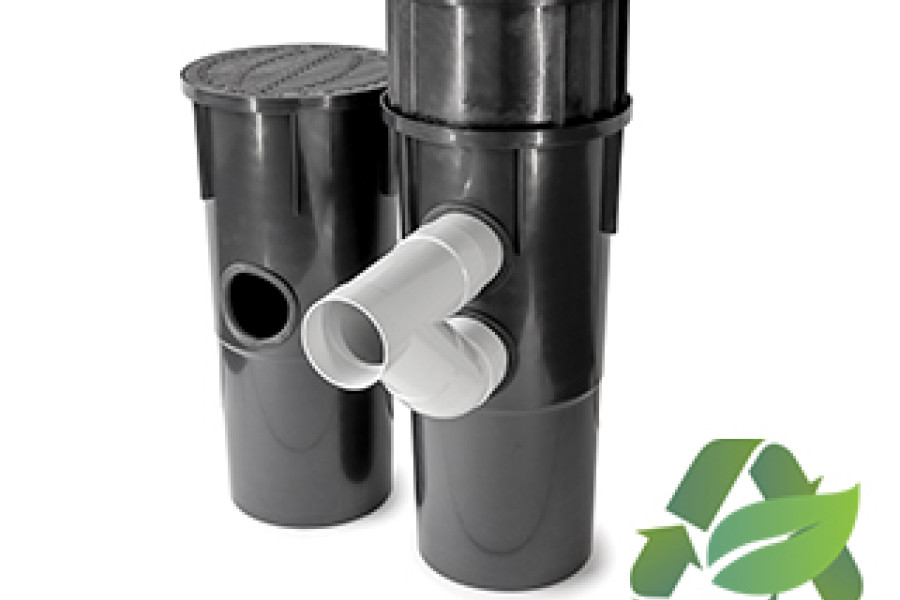
In house, the company has invested in ensuring the moulding process is zero waste, with a purpose built regrind room taking trade waste from the manufacturing lines and reconstituting it to be reused in the moulding process. Any material that can’t be used is passed onto recyclers to form into less dimensionally stringent products such as packaging and linings. The use of Auckland post consumer recycled raw material is changing the way channel drainage, pits and passive fire protection products are manufactured. With the curbside recycled material not even leaving the city before becoming a new, 100% recycled base material product. A step change from using a polymer concrete material that includes volatile silicas and polyester resin in their manufacture. Allproof is offering a system that is safe and light, and meets the demands of class D, slip resistant surface water drainage solutions.
When considering embedded carbon in a product it is crucial to look local for supply. There cannot be any more efficient way to turn a raw material into a finished product than selecting local.
 Popular Products from Allproof Industries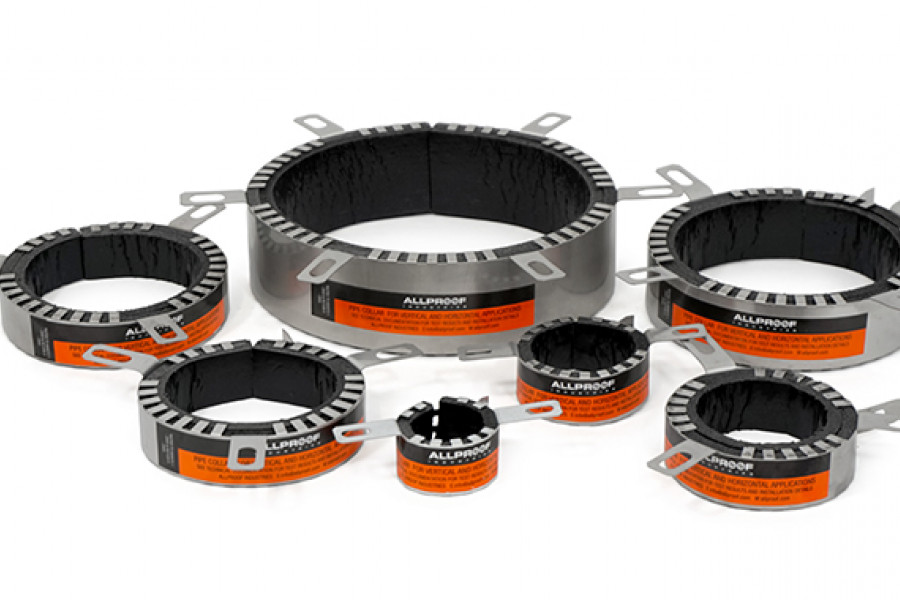
 Posts by Andrew Smith

 Most Popular