 VANTAGE Windows & Doors
 Roofing Industries
 ALTHERM Window Systems
 Dimond Roofing
 Juralco Aluminium
 SPAX
SPAX



 Prolam
 Case Studies
 PGH Bricks
 Metwood






 Allproof Industries






Wet areas are spaces in buildings that contain sanitary fixtures and fittings, which creates a risk to the building and occupants from moisture. The primary method of protection from this moisture is by way of a waterproof membrane underneath a surface or an impervious surface finish.
Several documents make up the requirements for protection in these areas:
- NZBC E3, and E3/AS1 are the benchmarks for design
- AS 3740-2010 Waterproofing of domestic wet areas and AS/NZS 4858:2004 Wet area membranes are key documents for the membrane specification
- The WMAI Code of Practice for Internal Wet area membranes is cited in E3, with best practice guidelines.
- AS3500:2 and G13/AS1 cover the sanitary plumbing requirements.
NZBC clause E3 3.1 states:
Lining materials for floors include integrally waterproof sheet material with sealed joins- i.e. Vinyl sheet, ceramic or stone tiles on an impervious substrate- i.e. Waterproof Membrane or steel trowelled slab on grade concrete floor in a domestic laundry located in a garage. (Splash zone only)
A wet area will generally be protected by the following;
- Waterproof sheet
- Vinyl sheet with welded seams
- Waterproof membrane
- Either liquid applied or sheet style, laid under an impervious lining such as tiles.
- Impervious linings/ Shower tray
- LVT flooring should not be used in a wet area.
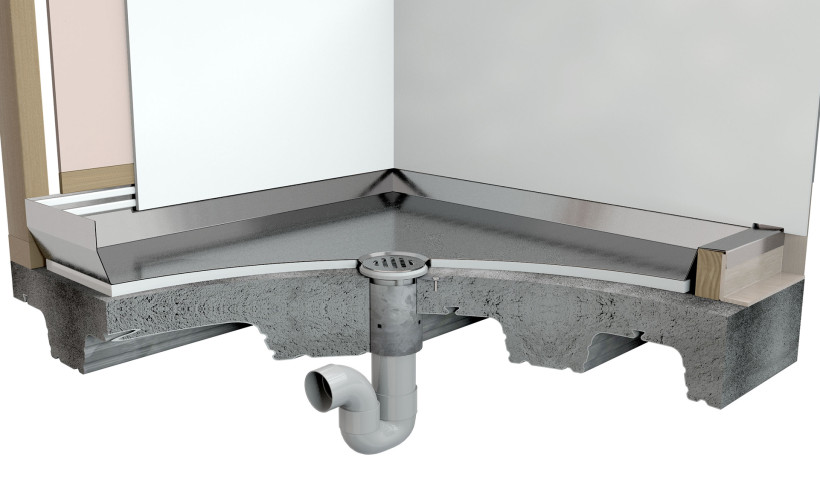
The termination of these products to the waste is an important design factor and should be treated with a system approach.
With a vinyl sheet, the membrane is both the wear layer and the membrane layer. It is important that the outlet provides both a surface for adhesion of the sheet and also a clamp to secure it and support the grate, like in the Vinylrite or VCC clamping channel.
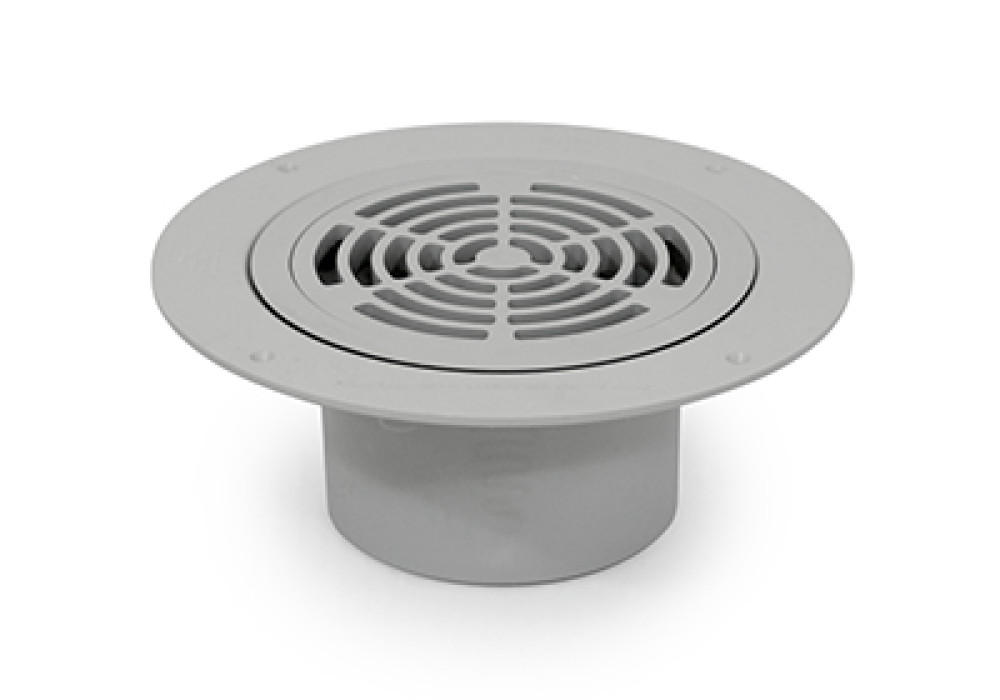
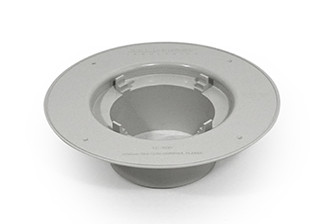
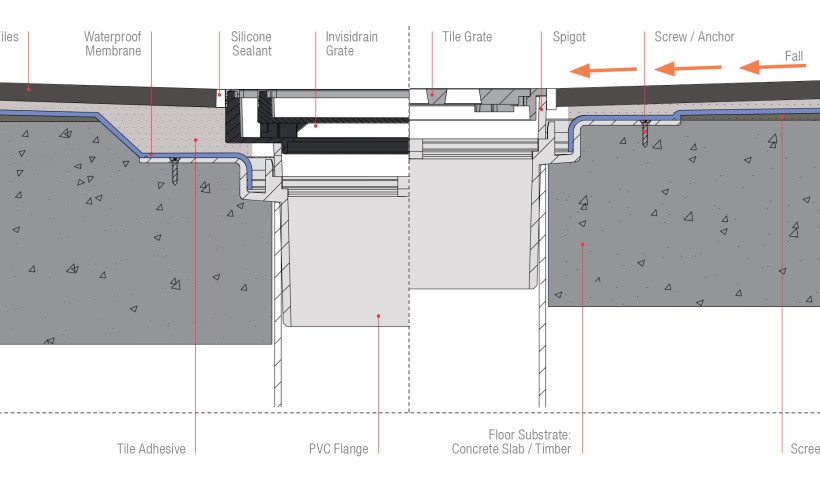
With a tile finish, you are dealing with a membrane install and the surface finish, generally tiles or stone on a layer of adhesive. This visible layer is porous, so it is expected that the membrane will be subjected to sub surface moisture, which needs to be managed. There are various forms of leak control flange that serve the purpose of membrane termination, and grate support with drainage paths built in to allow the passage of sub surface moisture to the gulley trap — leak control.
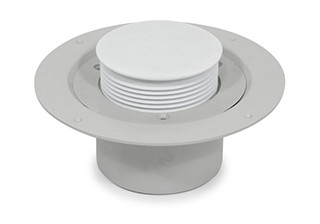
For a liquid applied membrane the standard “LC” leak control flange or the easily adjustable Cyclone flange will be the best selection, note that sheet membranes will need to be clamped, and for this application Allproof endorses the use of the Tilerite flange that incorporates a clamping ring and a threaded spigot to support the grate.
Many specifiers lean toward a tile over shower tray for the ultimate level of protection. This fully welded system with built in falls, will allow for a flood tested, ultimately durable system that removes the risk of reliance on membrane systems or covered boards to be the protection barrier. The outlet has a fully welded, threaded spigot to connect to outlet pipe, a far advance from some that rely on a silicone join for protection.
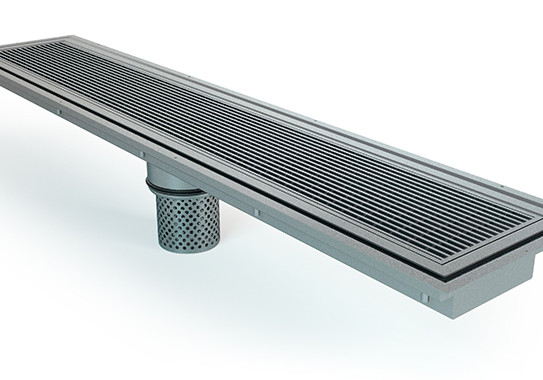
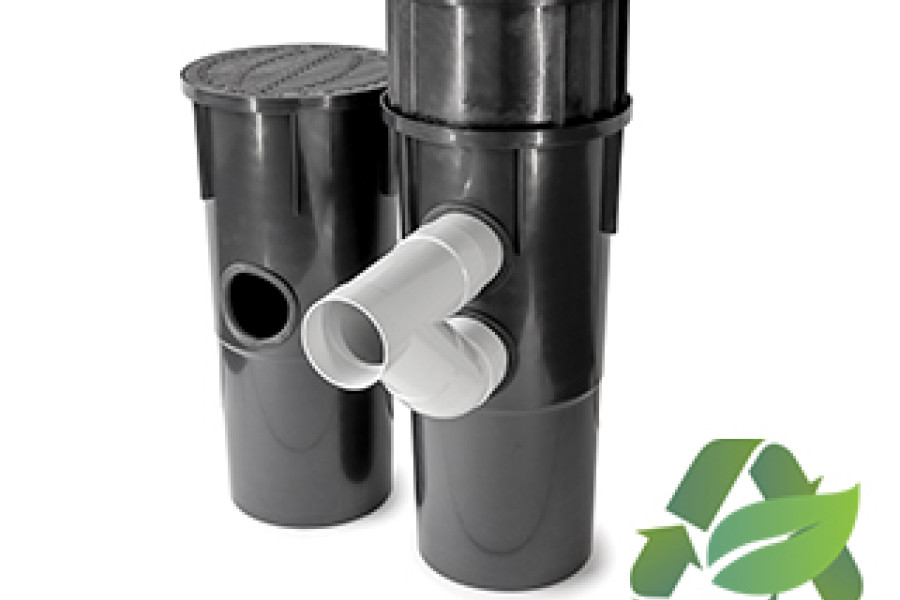
All outlets should be connected to a floor waste gulley that will provide excellent flow rates, minimum maintenance and simple selections for passive fire solutions. An easy clean waste will not provide this and should only be selected where space is a constraint.
Using a system approach to meet acceptable solutions, and plumbing standards will ensure a durable install. Relying on trusted brands, such as Allproof, that have developed their products with this ethos in mind will ensure a successful project, from specification to delivery.
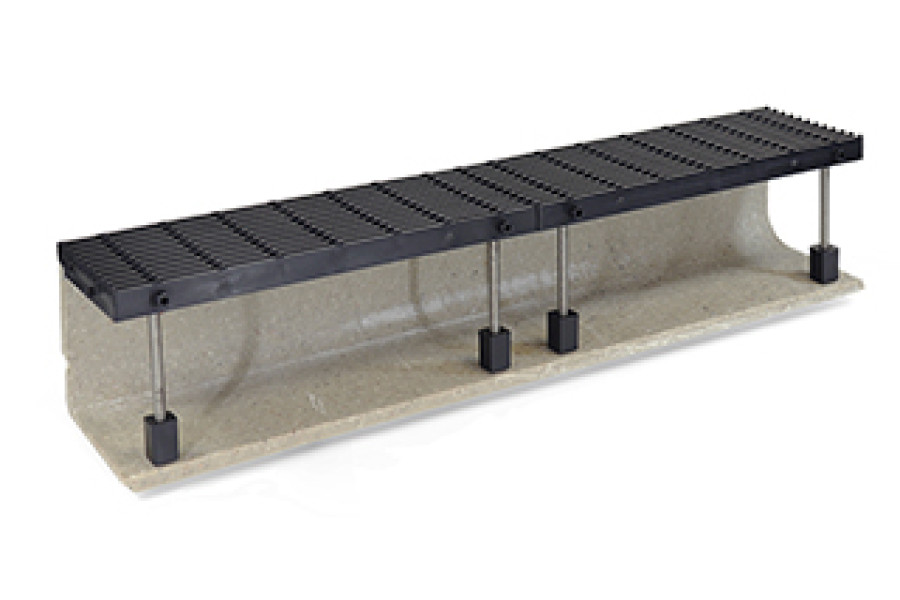
 Popular Products from Allproof Industries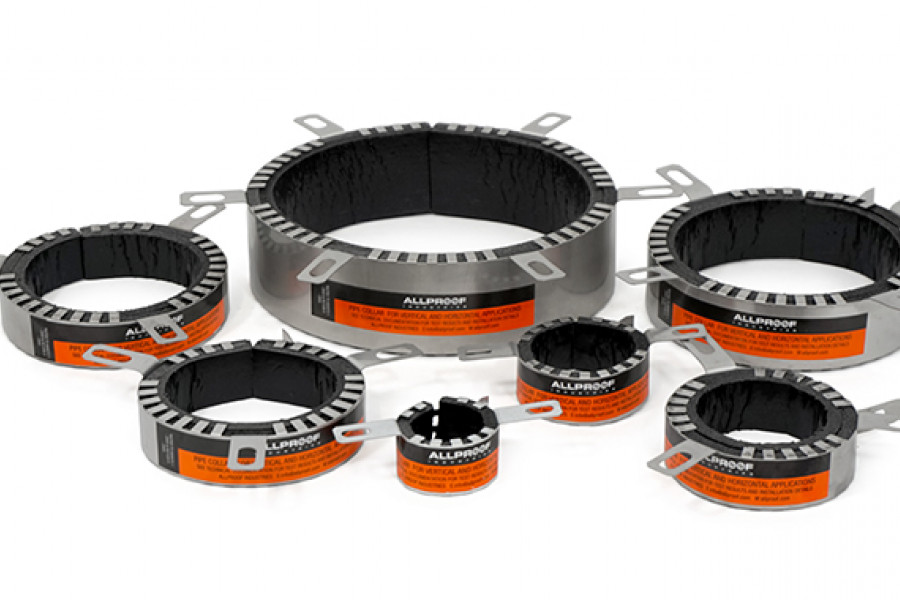
 Posts by Andrew Smith

 Most Popular