 VANTAGE Windows & Doors
 Roofing Industries
 ALTHERM Window Systems
 Dimond Roofing
 Juralco Aluminium
 dormakaba



 Prolam
 Case Studies
 PGH Bricks
 Metwood






 DriSpace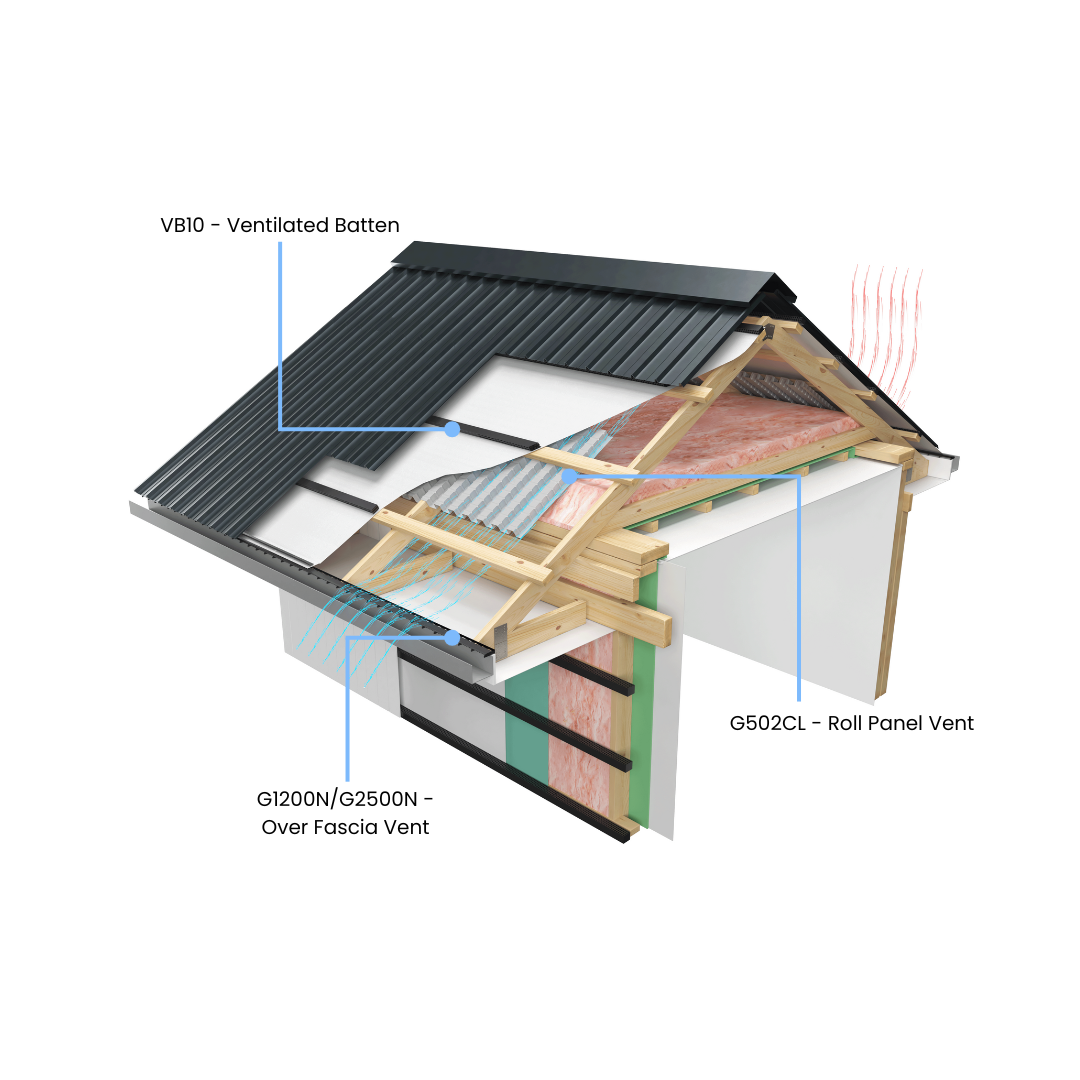




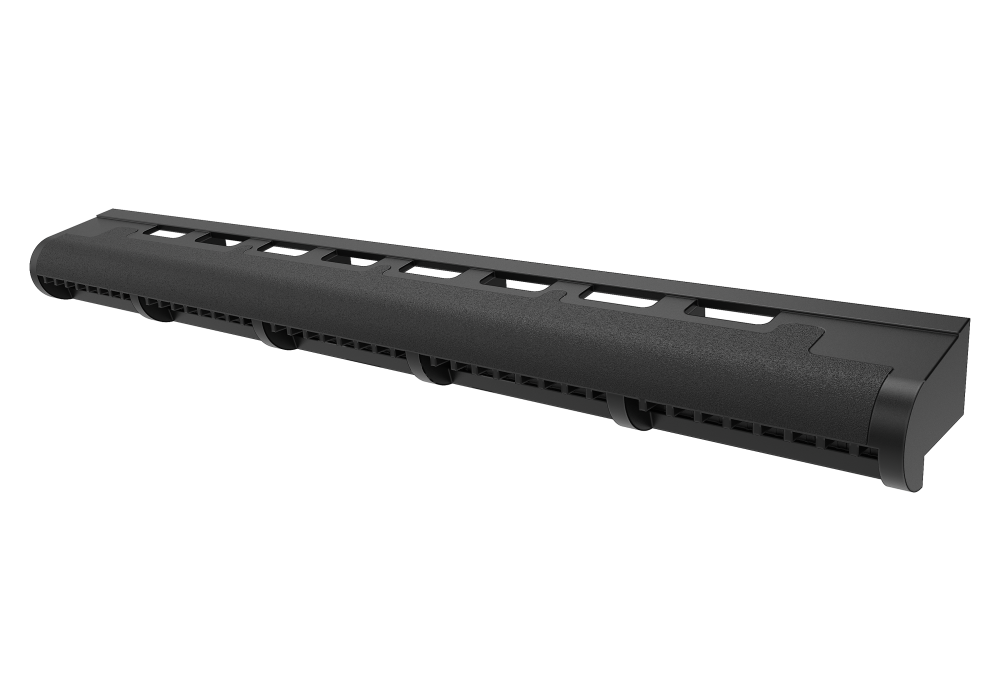

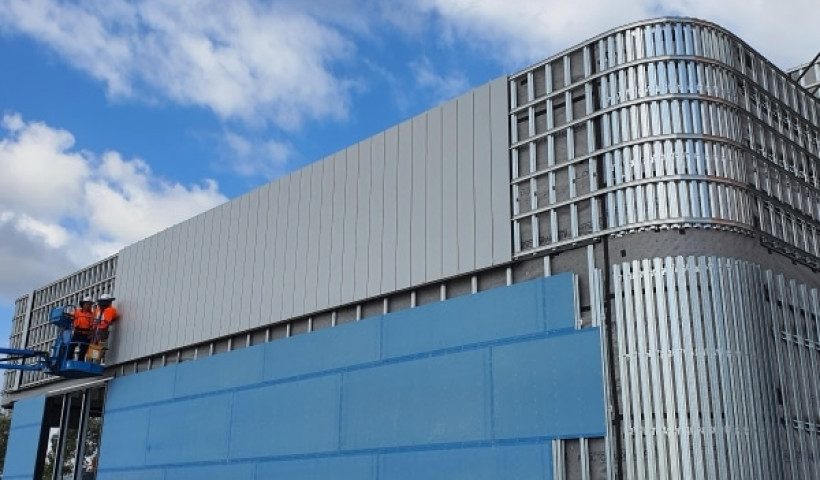
The question of whether passive roof ventilation accelerates corrosion in metal fixtures has long sparked debate in the building industry. To address this, BRANZ conducted a comprehensive study, Study Report SR462, in one of New Zealand’s most extreme environments: the coastal region of Wellington, known for its high salt exposure and harsh marine conditions.
The research involved installing mild steel and galvanised steel samples in two identical roof cavities: one vented and one unvented, within a test structure located near the beach. Samples were also placed outside the structure to serve as reference points. After one year of exposure, corrosion rates were measured using standard chemical etching and weighing techniques.
The study found that first-year corrosion rates were higher in the vented roof cavity compared to the unvented one, particularly for mild steel. This suggests that increased air exchange may introduce more moisture and salt particles into the cavity, contributing to faster corrosion in the short term.
However, the impact was far less pronounced for galvanised steel. The report notes:
“The overall impact of ventilating a roof space on the corrosivity of metal fixtures appears to be low, especially for galvanised samples.”
In fact, the corrosion rates for galvanised steel in both vented and unvented cavities fell within the C1 (Very Low) and C2 (Low) categories as defined by ISO 9223:2012, even in this extreme coastal zone. This is reassuring for builders and specifiers who rely on galvanised components in roof assemblies.
The study ultimately concludes:
“Based on these results, the installation of passive ventilation openings to roof cavities is not envisaged to have a significant negative impact on the long-term performance of galvanised metal fixtures in these spaces.”
Why this matters
Passive ventilation is widely used to reduce condensation, improve air quality, and extend the life of roofing materials. Concerns about corrosion have sometimes led to hesitation in adopting these systems, especially in coastal areas. This BRANZ study provides evidence-based reassurance that, when using galvanised steel, passive ventilation does not pose a significant long-term risk.
 Popular Products from DriSpace
 Most Popular
 Popular Blog Posts