You are using an outdated browser version not supported by this website.
Click here to upgrade your browser

InteriorInterior

Surface Water Sumps: Their Location, Sizing and Function

In designing a surface water drainage solution, you must consider the performance of the design in service. This design must allow for stormwater to be disposed of without causing damage, nuisance, flooding, erosion, or water entry into buildings.

Read all

21 September 2026
25 August 2025

Goodbye Schedule Method, Hello Predictability!

modelling image

Why it’s time for architects to get hands-on with energy modelling, airtightness, and real building performance.

Read all

25 August 2025

Specifying the Correct Drainage System in a Commercial Kitchen or Food Production Facility

Moana Fisheries cleaning

During the design stage it is important to specify a drainage system that caters to the activity of the facility, allows for the desired layout and delivers reliable performance.

Read all

8 August 2025

Understanding Clause E2 of the New Zealand Building Code: A Critical Guide for LBPs

house by the sea

Clause E2 of the New Zealand Building Code, called 'External Moisture,' helps make sure buildings stay dry, safe, and healthy. It’s especially important for restricted building work (RBW) where following moisture rules is legally required. 

Read all

8 August 2025

Why it is Crucial for LBPs to Make Sure a Building Consent is Issued Before Starting Work

house image

Not having a building consent has been a key theme in complaints to the Building Practitioners Board recently. This is the first in a series of articles looking at recurring reasons for complaints about LBPs.

Read all

21 July 2025

I Hate Tenders

tender image

Are tenders the best way of selecting your build partner? Are you going to accept the lowest tender? Does the lowest price ever deliver the best outcome?

Read all

21 July 2025

Load Ratings: What Are They and How Do I Achieve Them?

loadratings forklift on PC200 225

When detailing channel drainage be it in a domestic driveway or in a public thoroughfare, load ratings will be important along with other aspects such as slip resistance and hydraulic performance.

Read all

21 July 2025

Flood-plains and Floating houses

flooding  1

Yet again there have been record rainfalls in the country with devastating outcomes for the local inhabitants and their livelihoods.


The Post Editorial published in THE POST of Saturday, July 12 2025, referred to:

‘… The Independent Reference Group on Climate Adaption released a framework this week. While not government policy, it was commissioned by the Ministry for the Environment. It said our unpreparedness for climate change is leading to “larger and more frequent recovery costs, unmanaged financial strain, and disproportionate impact on some groups.”…’

Read all

16 July 2025

Eyes on Recovery and Apprentice Shortages as Builders Navigate Tough Market

EBOSS Builder Sentiment Report cover 2025 copy

The EBOSS 2025 Builder Sentiment Report, funded by the BRANZ Building Research Levy, brings together significant data from a June survey of 431 New Zealand builders. The data reveals that New Zealand’s construction sector remains under significant pressure, however, many builders are adapting to the realities of a weaker market, and a looming skills shortage is set to create new opportunities for apprentices as the industry recovers.

Read all

23 June 2025

Three Key Ways We Can Speed Up the Building Consent Process

liam shaw yhFto6SaKf4 unsplash copy

Professor Anthony Hōete shares three recommendations from ModelDocs — a BRANZ funded research programme that delves into NZ’s building consent process to seek behavioural transformation.

What can LBPs, architects and BCOs do better to reduce consenting timeframes?

Read all

23 June 2025

Modelling the Passive Thermal Performance of Dwellings

EBOSS blog Jun25 KeithH copy

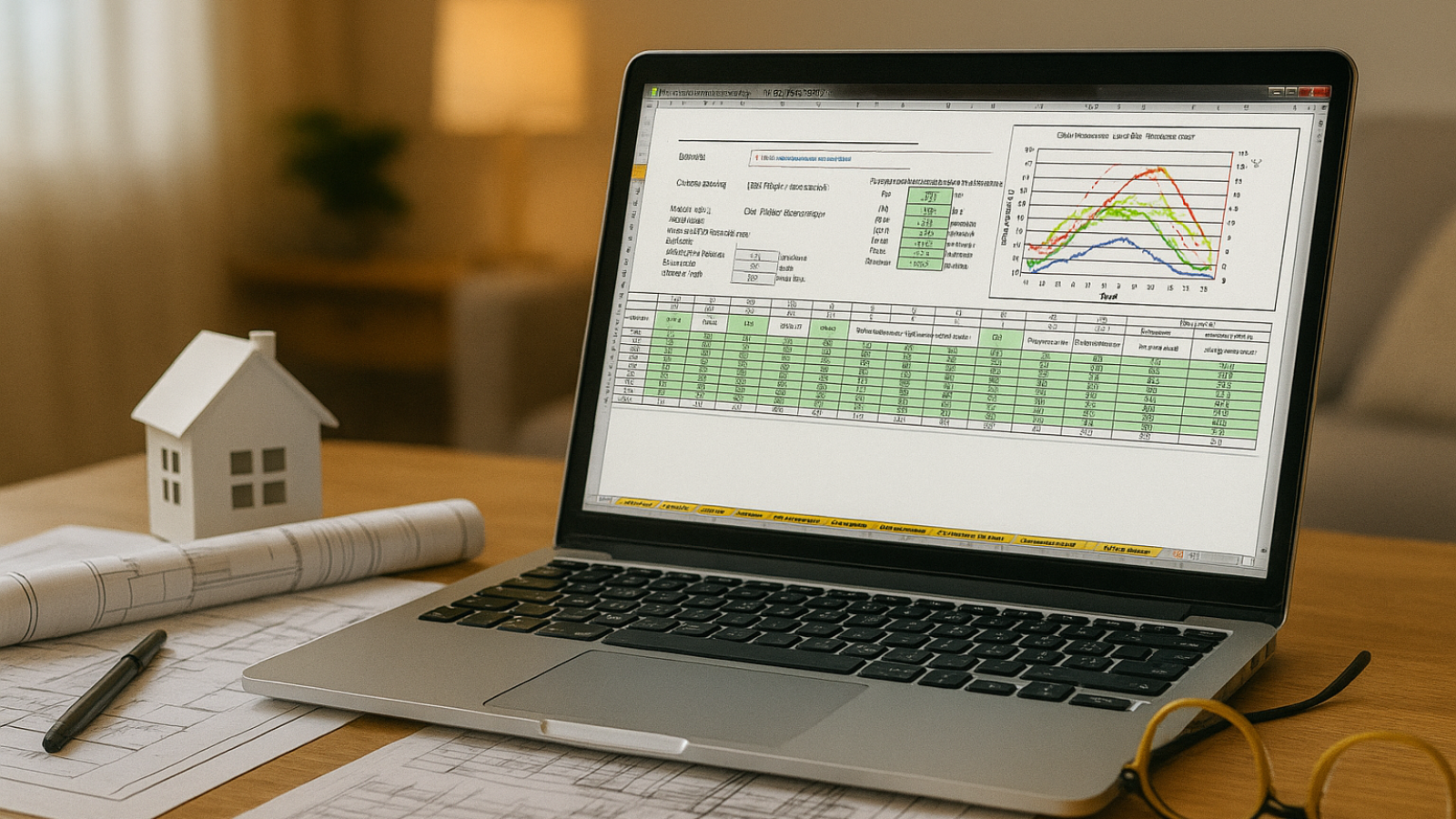
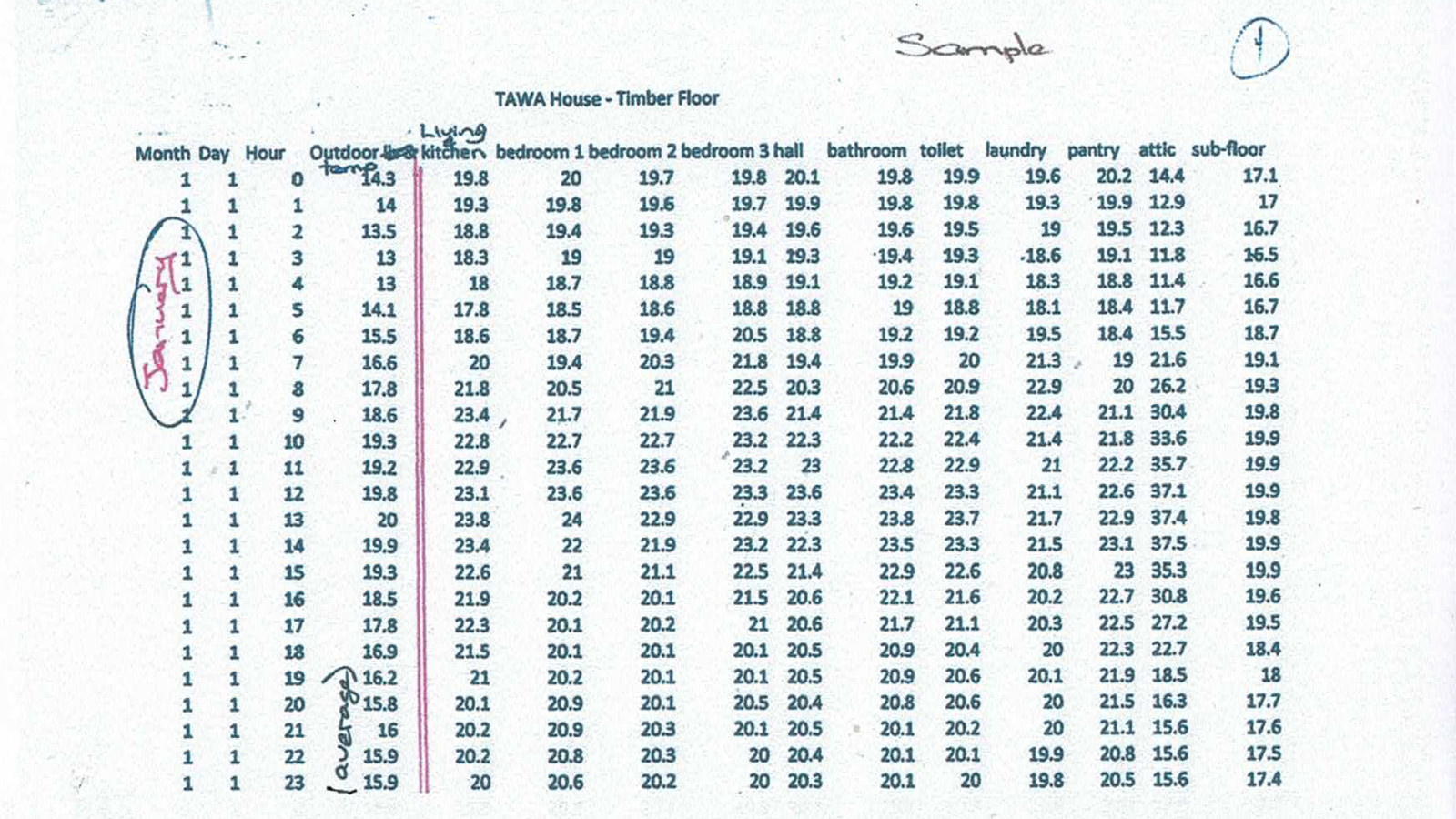
In my opinion it is only by analysing Terrace and Apartment housing developments with the use of Dynamic Simulation computational modelling processes that an objective evaluation can be made of the potential for passive summer over-heating to occur in the most likely vulnerable units.

Read all

Get a free weekly digest of essential news

New and updated architectural products, design solutions, inspiration, technical advice and more when you sign up for EBOSS.