 VANTAGE Windows & Doors
 Roofing Industries
 ALTHERM Window Systems
 Dimond Roofing
 Juralco Aluminium
 SPAX
SPAX


 Prolam
 PGH Bricks
 Metwood






 Ecorate Ltd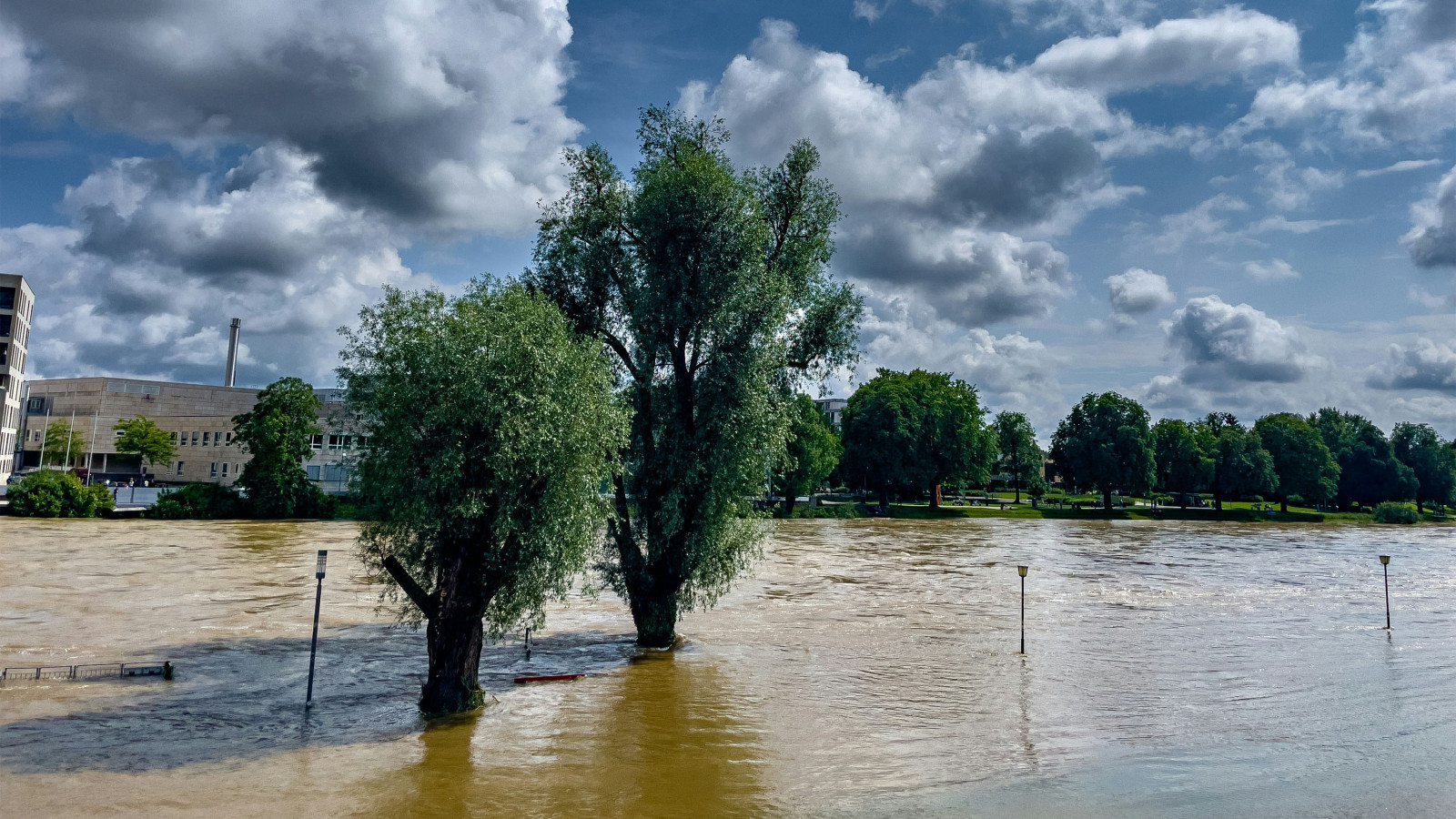
In early 2023 Cyclone Hale, the Auckland Anniversary Floods and Cyclone Gabrielle occurred in close succession which are reported to have caused damage of up to $14.5 billion. Yes these weather events, on the historic scale, were well out of the ordinary but in the future is there any guarantee that they are not likely to become the norm?
Climate Change is usually expressed, and is thought of, in terms of very gradually rising average temperatures which can be addressed ‘ín the future’ so immediate urgent action is not necessary. Even so, there are other effects also in play. It only takes a very small increase in atmospheric temperature over the oceans to significantly increase the rate of evaporation from the sea which then forms much larger atmospheric rivers than have been occurred in the past. It is these ‘rivers’ and changing wind patterns which are transporting the greater quantities of water from the tropics direct to New Zealand where the water is released as intense rainstorms which overwhelm our river catchments.
At the time of the 2023 flood events I wrote of some of the effects of the concentrated rainfall on the built environment and the need for the building industry to adapt, and rethink design details and construction methods, in my February 2023 Blog Dealing with Climate Change Rain. In the following month I wrote of a problem with pod insulated concrete floors to dwellings which has been brought to the fore by the excessive flooding — Flotation Perils for Concrete Floor Houses, March 2023. This displacement of buildings, even as little as only 100mm (so that service connections are severed), is much more disastrous financially than simple flooding where the home can often be dried out and repaired.
The adaption framework referred to in the introduction above addresses the wider societal problem of what recovery support should be given to those people who suffer from storm events. It raises the question of ‘Council/Government Buyouts’ and how these costs should be allocated. Will the Public continue to accept the use of taxpayer money being used to compensate homeowners for the risk of building their new houses on floodplain land? There is now enough common knowledge available to prospective purchasers to assess their risk of significant flood damage (and also the associated disproportionately rising insurance premium) to be able to make sensible decisions on the long-term risks they are being exposed to. Councils are not helping by continuing to allow the development of new residential sites in known flood prone areas. While decisions are simple for greenfield sites, there is still the much more difficult question of suburbs which in the past were considered to be safe from floods. The same questions are raised for commercial land developments.
As an aside, what is the likelihood that this question of compensation for known natural disasters will come under the provisions of the Regulatory Standards Bill, should it be passed? If a Council should determine that land which has been land-banked by a Developer for future housing is now designated as flood prone and so is not available for housing, should compensation be given for loss of anticipated profit?
Through EcoRate Ltd – Architect, I provide objective independent passive solar thermal performance analysis and comment on sustainability matters, to Architects, Designers, Builders, Manufacturers, and others in the construction industry, included those proposing to build a new home. For more information feel free to contact Keith at EcoRate Ltd on 021 890 251, [email protected], or our website www.settlement.co.nz.

 Most Popular
 Popular Products