 VANTAGE Windows & Doors
 Roofing Industries
 ALTHERM Window Systems
 Dimond Roofing
 Juralco Aluminium
 dormakaba



 Prolam
 PGH Bricks
 Metwood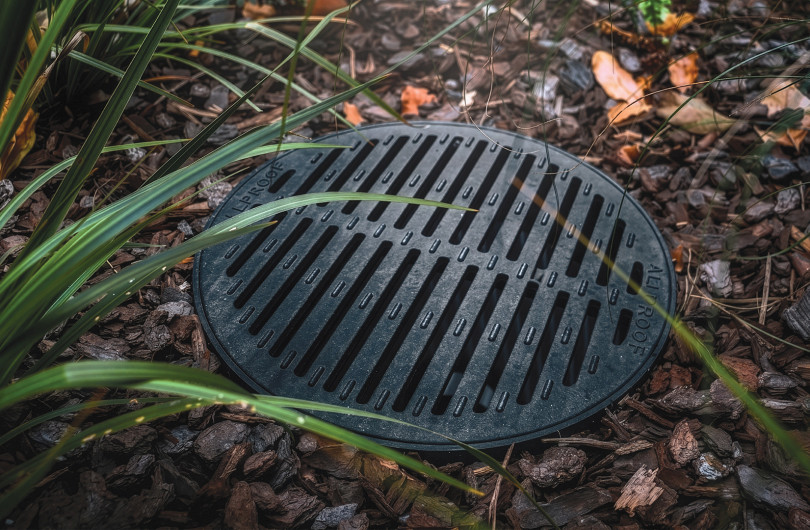







 Allproof Industries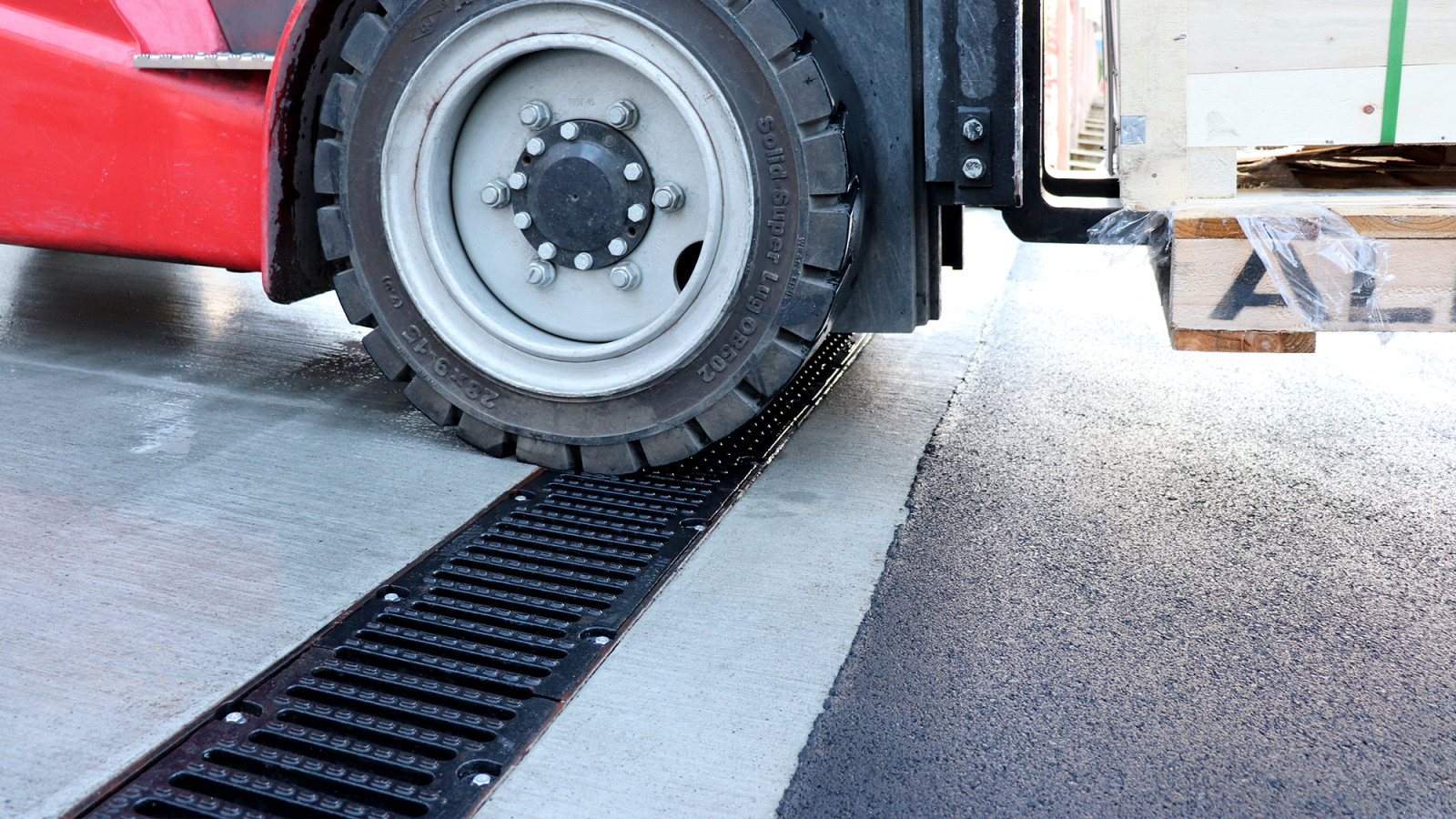
Hydraulic performance will get you to the selection of channel, or sometimes a grate in frame system, to service the area based on E1 surface water demand calculations. Sizing of channels and sumps will vary based on this. The area that it is being installed will demand a load rating too.
Driveways, council owned spaces, commercial food preparation areas and loading docks will all have different requirements due to the type and size of traffic they will realise in service.
Load ratings are outlined in AS3996 – Access covers and grates, which describes the testing methods to allow publication of a standardised and recognised performance for grating systems. Ratings range from A through to G as per table 3.1 below:
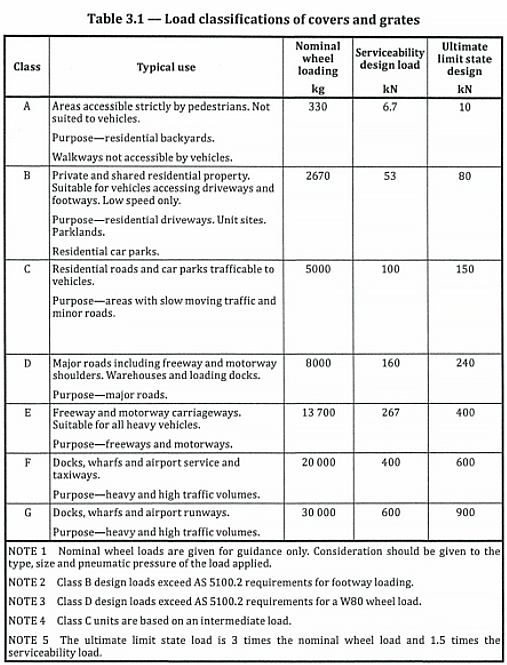
Loadings are generally achieved by concrete encasement of a channel or support frame.
A pre-formed channel such as the Commercial Channel from Allproof achieves up to a load rating of “D” which seems high for a channel made of recycled polypropylene plastic. It needs to be pointed out that the channel does not provide the support for loadings, it merely is a rebate former for the concrete and the support is provided by the encasement of the metal sidebar to transfer loads from the grating; cast iron is selected for load D. It is also to be noted that butting a pre-formed channel against an existing slab or structure, such as a garage door install, will not allow the concrete encasement required, and could be detrimental to the durability of the install. If full encasement is not possible then a flowable grout could be poured into a separation between channel and slab to ensure the sidebar receives support.
Some installations will require a concrete formed channel, due to hydraulic or structural demands pushing dimensions outside of what is available off the shelf. For this application, Allproof can draw from its wide range of cast iron gratings for channels and sumps, or custom make a stainless steel grate to suit the design. These grates would be installed into a cast-in frame, fabricated in-house at Allproof, that will provide a secure base for the channel to sit in, have lock downs, and achieve loading as per the standard. Sitting grates into a formed concrete rebate should be avoided as the grates are hard to secure, can become loose and slowly erode the support to point of failure. We have all witnessed the “clanging” grate in a footpath or driveway. This is a result of a grate working away at its support.
An example of a grate in frame system is at the just completed University of Auckland Recreation Centre. Drainage was designed in an overland flow path, on an insulated podium over a swimming pool in the university’s busiest precinct. That's quite an ask to satisfy all parties — particularly hydraulics and architect. The custom system involved laser cut, fabricated sidebars, a drop in stainless steel channel and then Class D Heelproof cast iron grating to finish the system. It has really given a functional, efficient solution to this award winning project.
Allproof prides itself on presenting products and installs that will always meet standards, codes and acceptable solutions. Nearly 40 years in the local game has built trust and reliability through meeting with all parties to ensure products perform and fit with design intentions.

 Most Popular
 Popular Products