 VANTAGE Windows & Doors
 Roofing Industries
 Blum

 Symonite
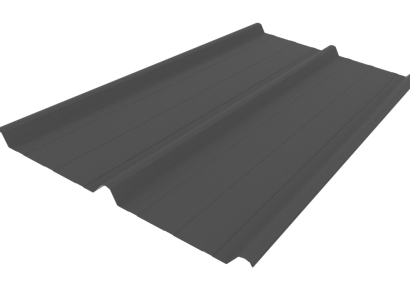
 Dimond Roofing
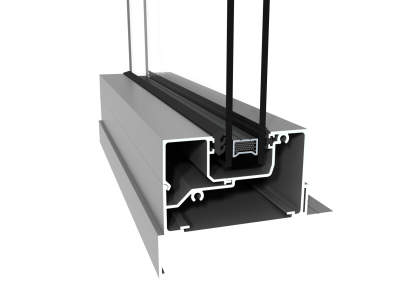
 ALTHERM Window Systems



 Nuralite

 GreenStuf
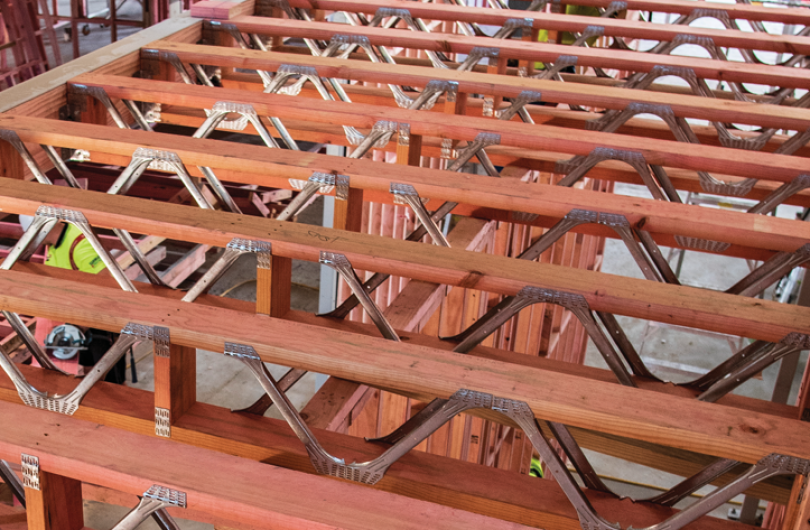
 MiTek New Zealand Limited







 Allproof Industries
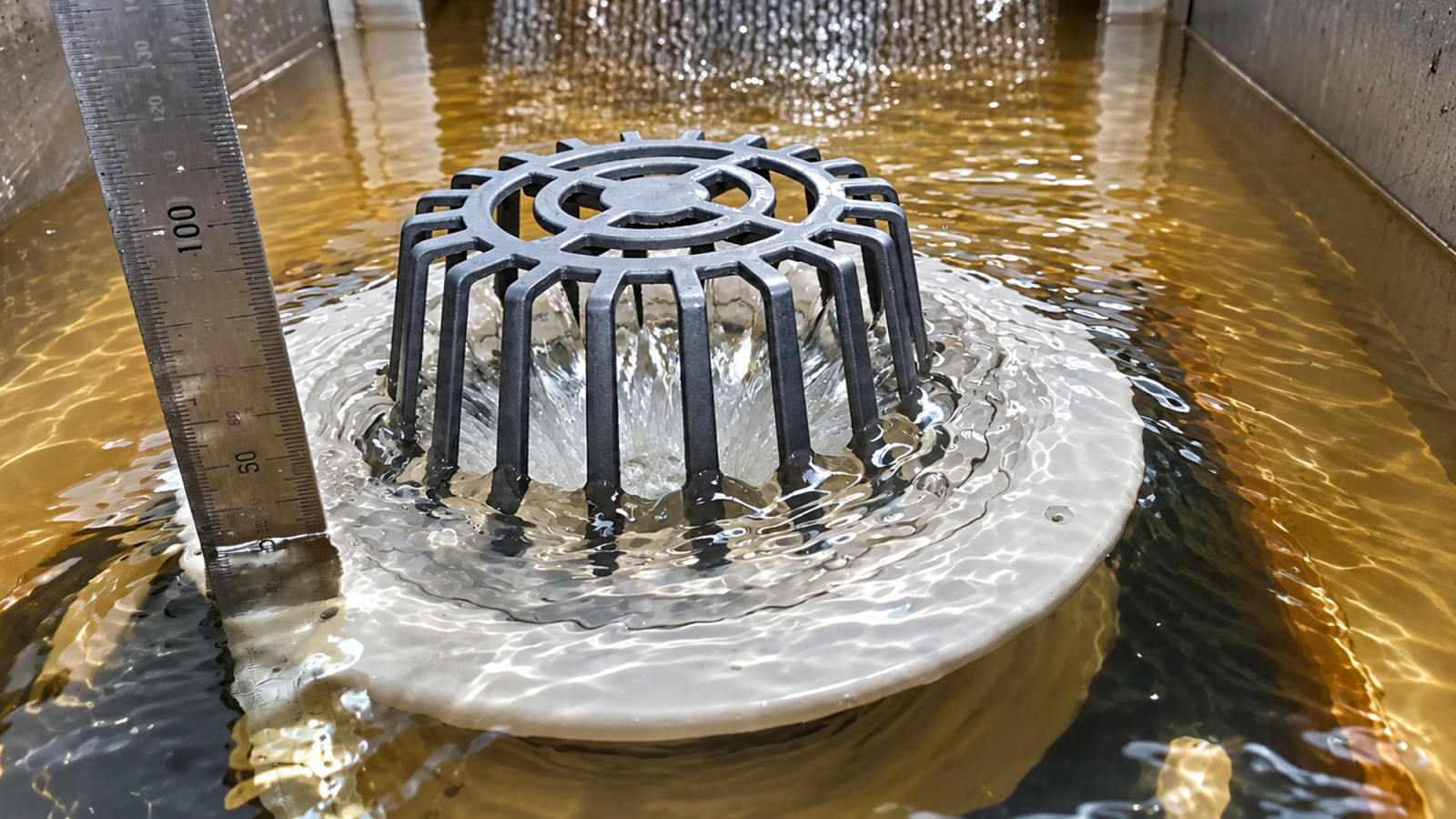
When flow rates are tested, the flow calculations will be set out with varying heads of water above the grate or outlet. As the water builds up above the fixture, the capacity of the outlet will increase. This is easily shown when a rainwater head (RWH) or sump is added to a roof drainage system. The RWH or sump can fill with water. This increase of water above the outlet will increase flow rates, and therefore capacities of the system without backing up into the gutter. Flow rate testing is typically conducted at a minimum water head of 5–15 mm, as maintaining a consistent head is necessary to accurately measure outflow. At lower water levels, maintaining a stable head can be difficult, making results less consistent and reliable.
The use of published flow rates in your designs must take this head above the grate into account. In a driveway surface water design, a round drainage pit may be selected as a surface water and sediment collector point drain solution. The head built up above the grate to meet demands will require the sump grating to be set at a lower level so that in a major event the product can have this build-up of water above the grate, meeting demand and not affecting any property or causing water to flow off and cause a nuisance. This may not be possible if a fixture is installed flush with a sloping driveway.
Reputable manufacturers will utilise accredited independent laboratories to test their range to the relevant standards. Test reports will be issued outlining the test conditions and results that will give designers confidence in their selections.
Allproof works with specifiers, hydraulic consultants and contractors to ensure the correct products are selected and installed. Their range of locally manufactured solutions will give confidence that a tested, sustainable and durable product will be supplied to meet design demands. Heading into their 40th year, started by a plumber who became certified in 1958, Allproof has always been for the trade, constantly innovating and working with all stakeholders to ensure they offer the design, specifications and tested results to give confidence in selection.

 Most Popular
 Popular Products