 VANTAGE Windows & Doors
 Roofing Industries
 ALTHERM Window Systems
 Dimond Roofing
 Juralco Aluminium
 dormakaba



 Prolam
 Case Studies
 PGH Bricks
 Metwood






 JESANI


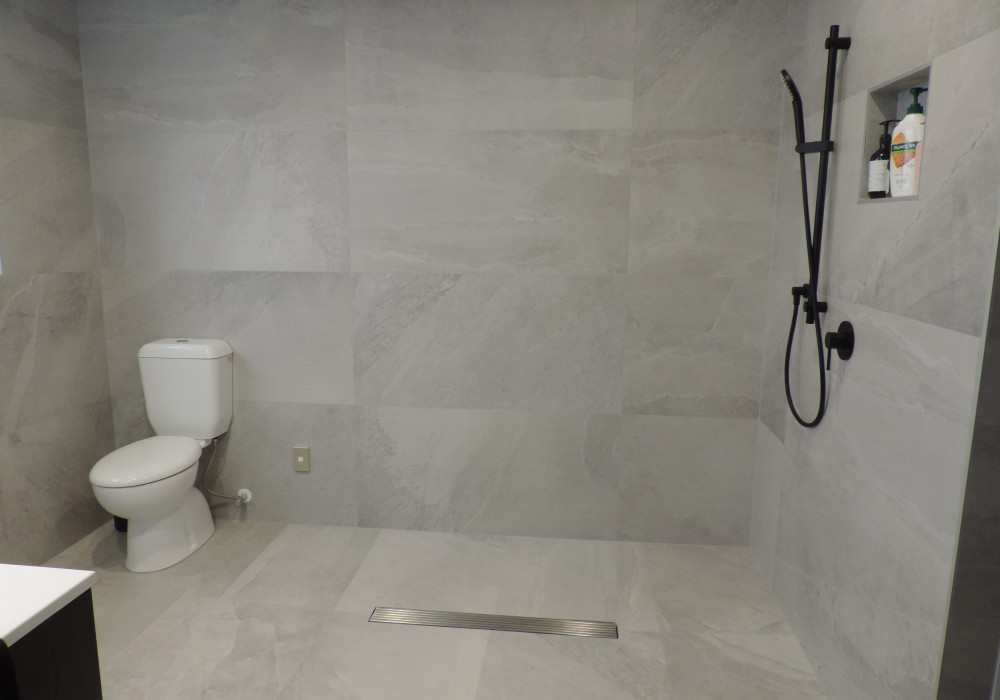



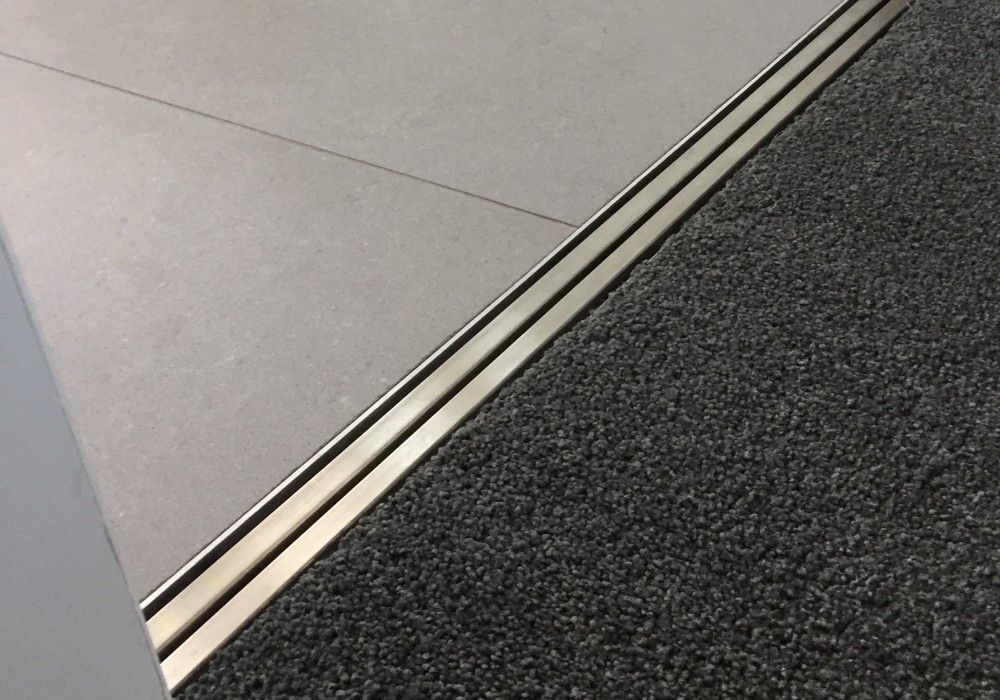

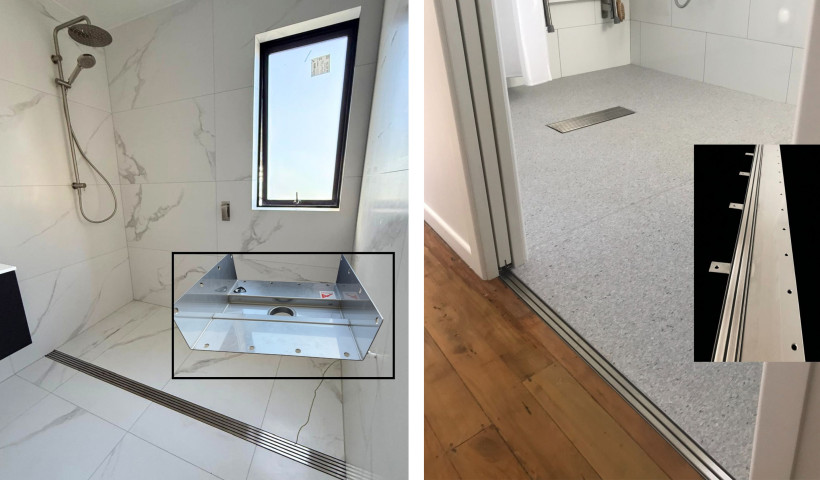
In most wet-area builds, drainage is treated as a box-ticking exercise. Install a leak-control flange, run the membrane to it, connect the pipe — job done. It meets the minimum requirements, but “minimum” is usually where problems begin. In level-entry showers, thresholds, and other high-risk areas, a small flange leaves very little room for movement, installer variation, or long-term durability.
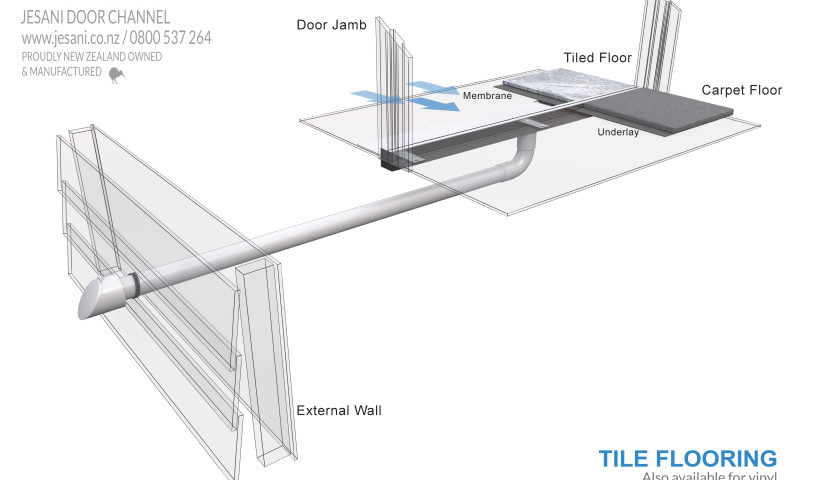
JESANI approaches the detail differently. Instead of building the channel around the smallest acceptable flange, JESANI designs the channel itself as part of the waterproofing system.
What the standards actually ask for
Waterproofing standards require three things:
- The membrane must bond securely to the drainage element,
- The connection must be watertight,
- And the system must manage water effectively.
What the standards don’t specify is flange width. As a result, the industry often settles for the smallest option because it’s quick and cheap, even though it gives installers very little margin for error. JESANI’s approach is to give the membrane more surface to work with and make the whole detail stronger from the start.
Why the usual flange detail falls short
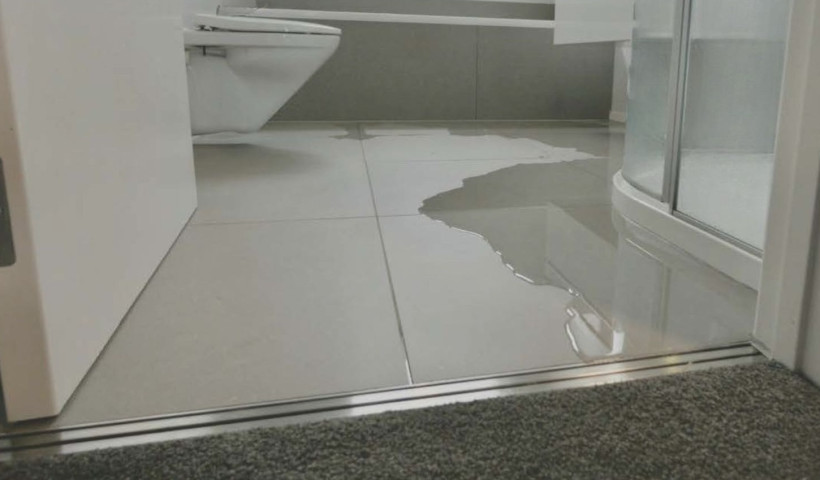
A typical flange gives you a small bonding area and a basic mechanical connection. It technically works, with variations in screeds, tile buildup, and subtle movement in substrates, it can become a weak point. If the membrane doesn’t bond perfectly, or if trades overlap poorly, water has space to travel.
This is exactly the risk JESANI set out to eliminate.
The JESANI difference
1. A 90mm Flange
JESANI channels come with a 90mm stainless-steel flange on all sides, giving installers a generous, continuous surface to bond the membrane to. It turns the channel from a termination point into a tanked interface.
The extra width means:
- A stronger seal,
- Better tolerance for installer variation,
- Reduced risk of water tracking under tiles.
2. Countersunk fixing points
The flange includes countersunk screw positions, creating a flat bonding surface without exposed screws that can compromise the membrane.
3. TIG-welded, water-tested construction
Each channel is TIG-welded and water-tested, stable, and resistant to distortion. That stability protects both the fall inside the channel and the connected membrane.
More margin, better outcomes
The wider flange simply gives everyone more confidence — installers, inspectors, and end users. It’s still compliant, but more importantly, it’s built for long-term performance, not just sign-off day.
 Popular Products from JESANI
 Most Popular

 Popular Blog Posts