 VANTAGE Windows & Doors
 Roofing Industries
 ALTHERM Window Systems
 Dimond Roofing
 Juralco Aluminium
 SPAX
SPAX


 Prolam
 Case Studies
 PGH Bricks
 Metwood





 JESANI


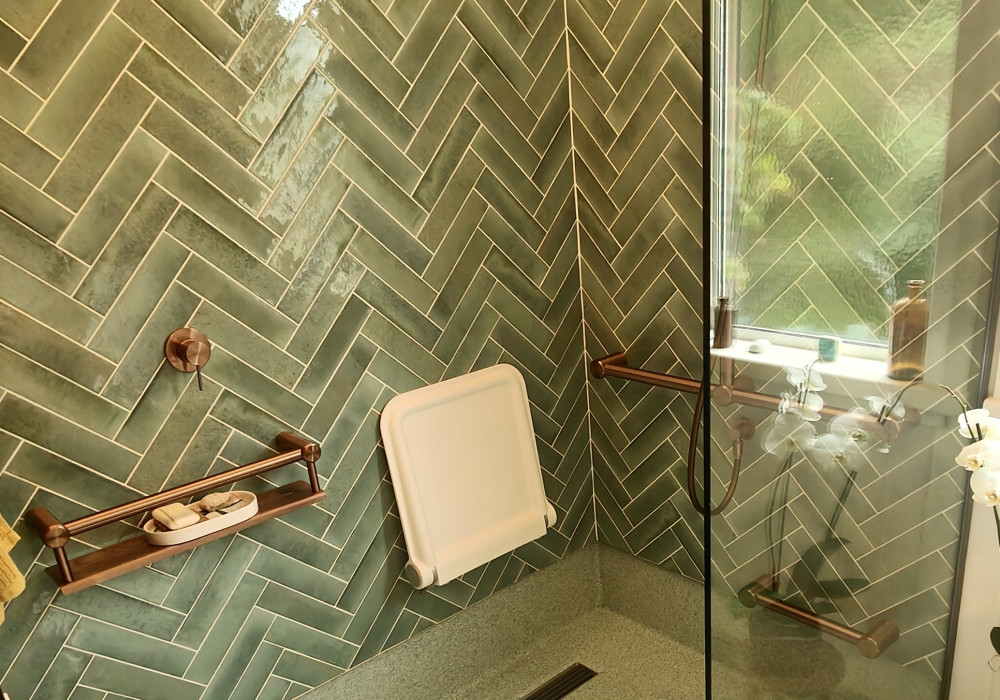


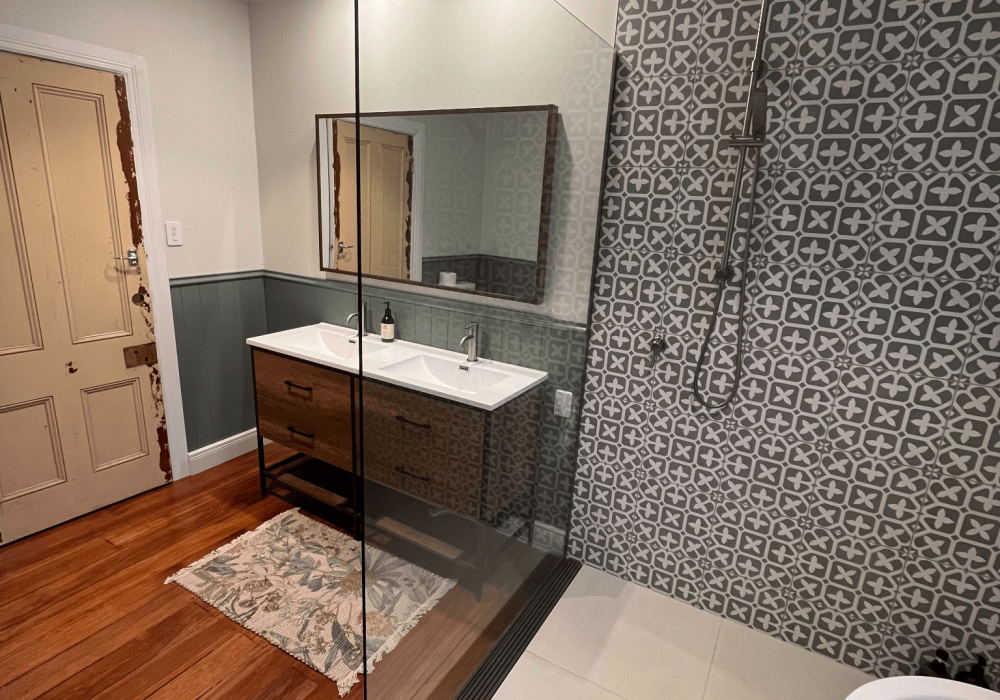
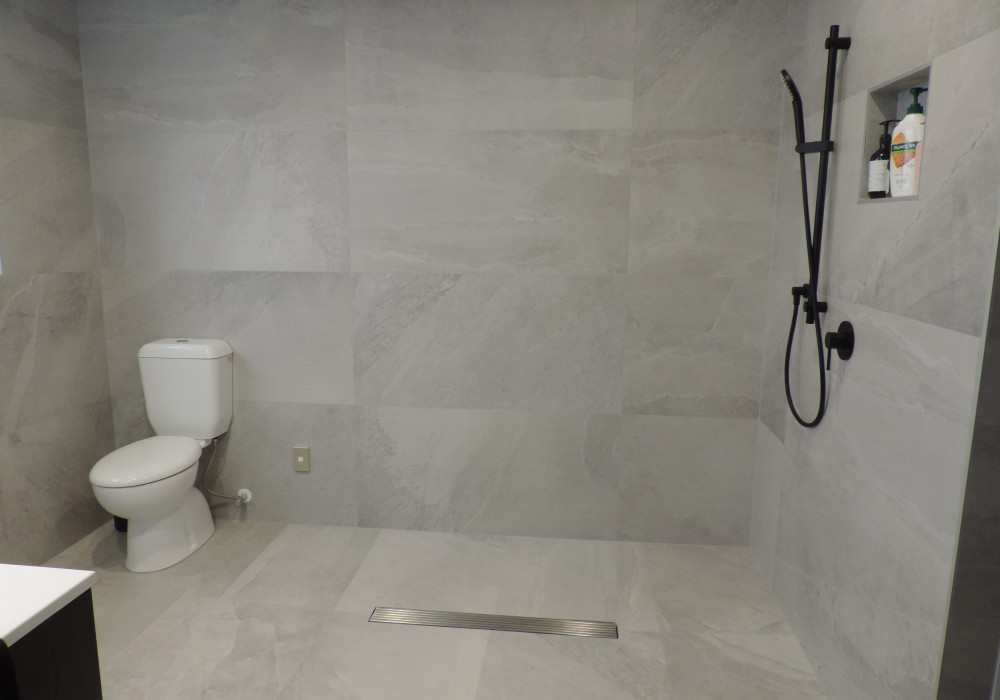

Modern bathrooms have evolved beyond functional spaces into carefully designed architectural environments. Level-entry showers, seamless flooring, large format tiles and minimalist details are increasingly common in residential, commercial and accessible projects.
As wet areas become more open and connected with surrounding spaces, effective water management becomes an essential part of the design process.
Understanding water movement in wet areas
Water does not always behave as expected. While waterproofing systems are designed to manage moisture and prevent water penetration, designers must also consider situations such as blocked drains, excessive water flow or accidental overflow.
Modern design requires solutions that balance accessibility, aesthetics and performance. Drainage is no longer simply a functional component; it is an important part of the architectural outcome.
Designing drainage for performance
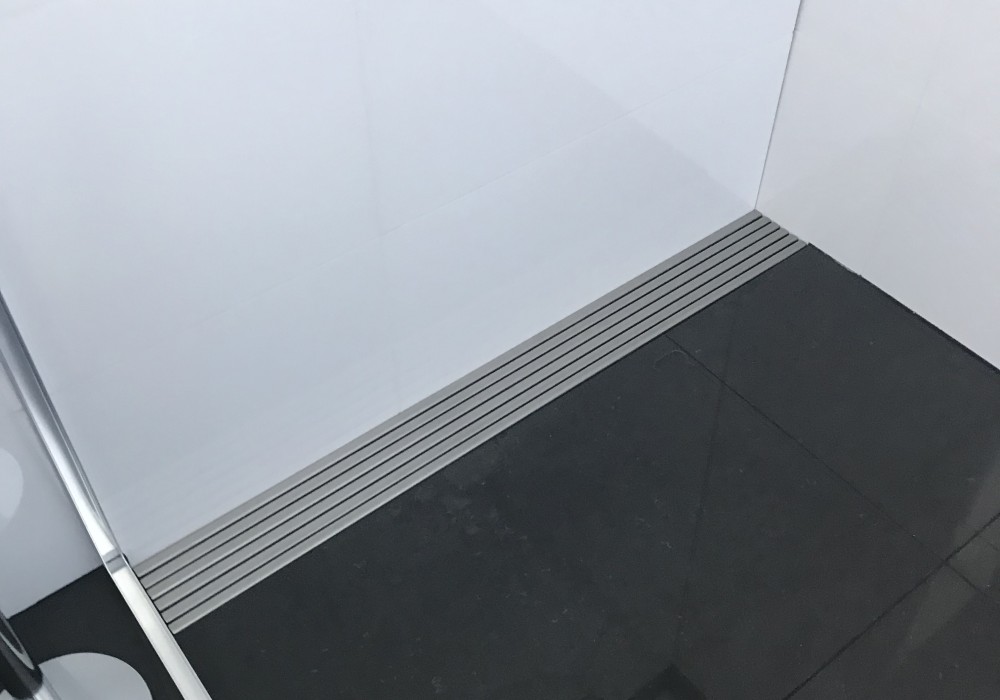
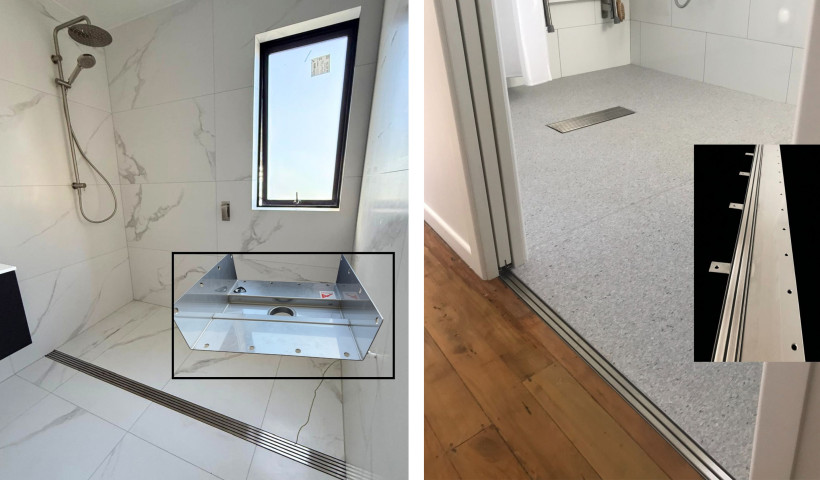
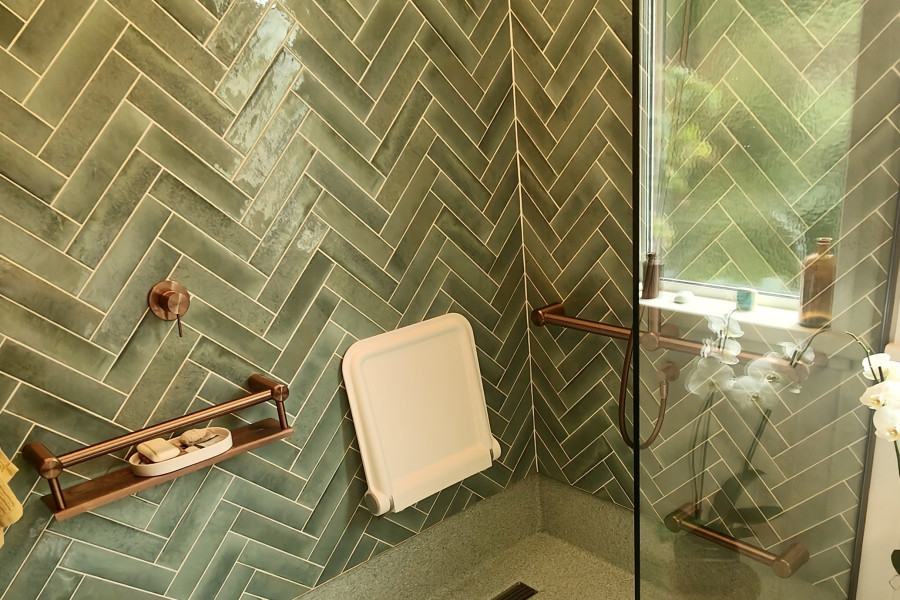
Every area within a wet space has different requirements. Shower channels are designed to manage everyday water movement within the shower area while supporting seamless, accessible bathroom layouts.
Level-entry showers require careful consideration of drainage location, floor falls and waterproofing details to achieve both performance and visual continuity.
However, water management should also consider what happens beyond the shower area.
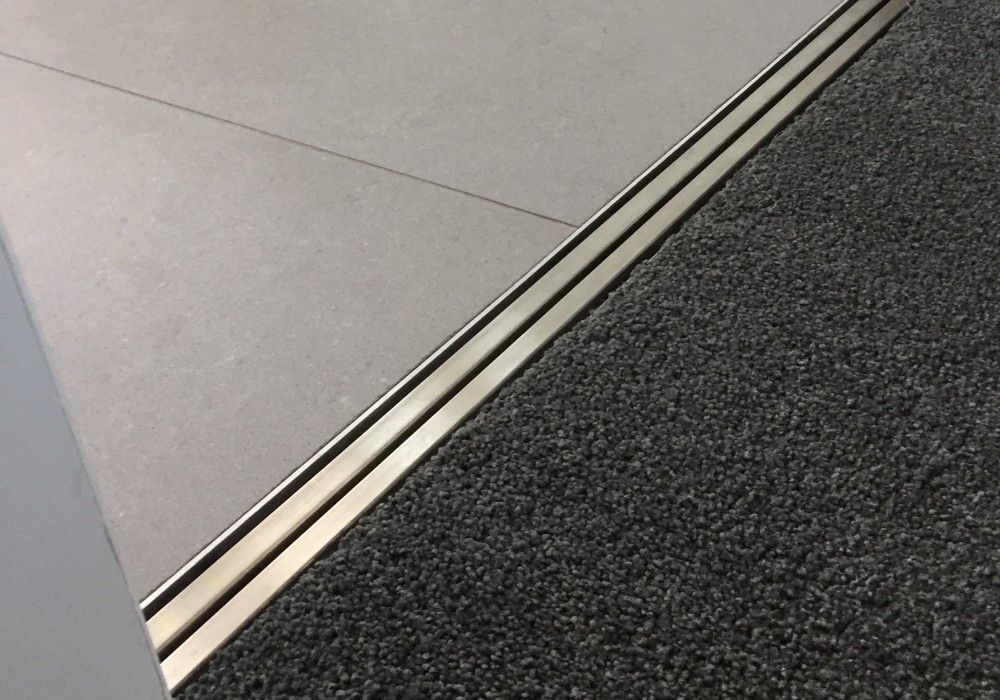
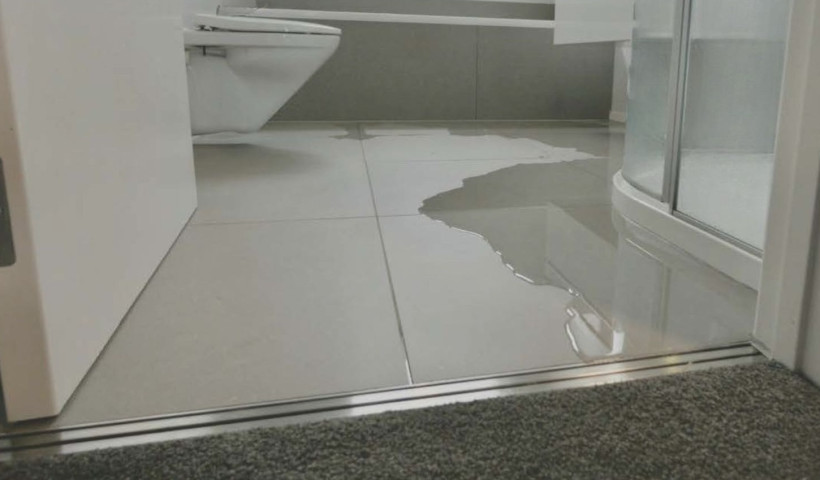
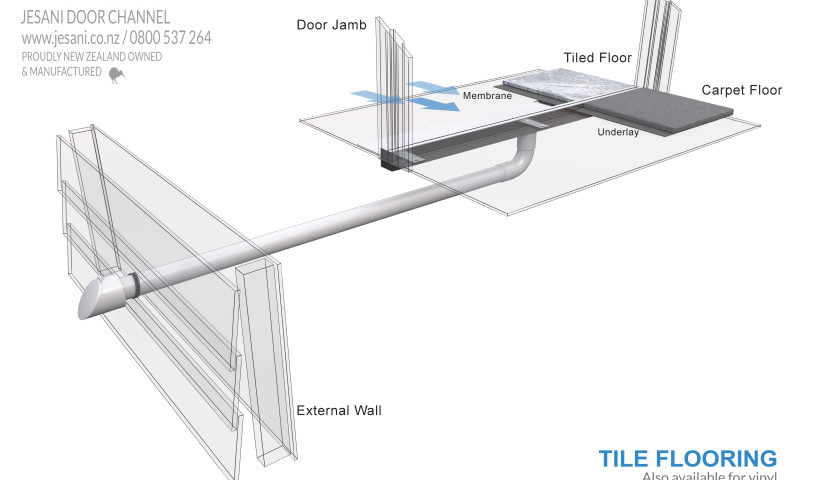
The transition between the bathroom and adjoining spaces is another important consideration. In the event of unexpected overflow or drainage issues, additional protection at the doorway can help reduce the risk of water moving into surrounding areas.
Jesani has designed each channel specifically for its intended position and application. Shower channels are developed to perform within the shower environment, while Jesani Door Channels provide an additional layer of protection at the bathroom entry by helping manage water movement before it reaches adjoining rooms.
Designing for accessibility and longevity
Universal design principles are increasingly influencing residential and commercial projects. Level-entry wet areas provide improved accessibility, future adaptability and cleaner architectural outcomes.
Achieving these results requires drainage, waterproofing and installation details to be considered early in the design process.
Jesani shower channels incorporate a 90mm flange designed to provide a generous membrane adhesion area, supporting waterproofing requirements while allowing flexibility in wet area layouts. For vinyl applications, Jesani’s 45-degree vinyl clamp profile assists with positioning and compression of vinyl flooring, helping create a consistent connection between the flooring system and the channel.
The best-performing wet areas are created when drainage is considered as part of the overall design strategy, rather than as a final installation decision.
By understanding water movement and selecting drainage solutions designed for their specific purpose, designers can create wet areas that are accessible, durable and designed to perform for years to come.
 Popular Products from JESANI
 Most Popular
 Popular Blog Posts