 VANTAGE Windows & Doors
 Roofing Industries
 ALTHERM Window Systems
 Dimond Roofing
 Juralco Aluminium
 dormakaba


 Case Studies
 Austaron Surfaces
 Hettich






 JESANI






Affordable and social housing projects are increasingly focused not only on reducing upfront construction costs, but also on improving build efficiency and long-term performance. For architects, designers and builders, this means selecting products that support faster installation, minimise maintenance and contribute to durable building outcomes.
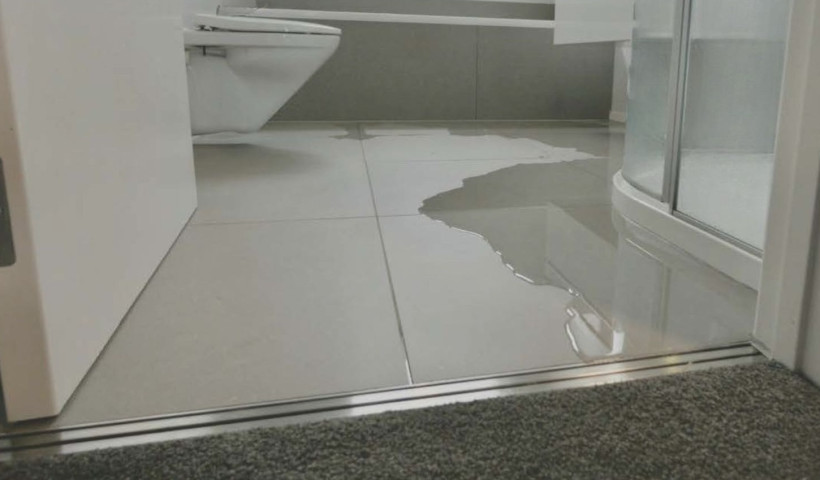
Wet areas remain one of the highest-risk zones in residential construction. Poorly resolved drainage can result in waterproofing failures, rework and ongoing maintenance issues — costs that can quickly multiply across townhouse and apartment developments.
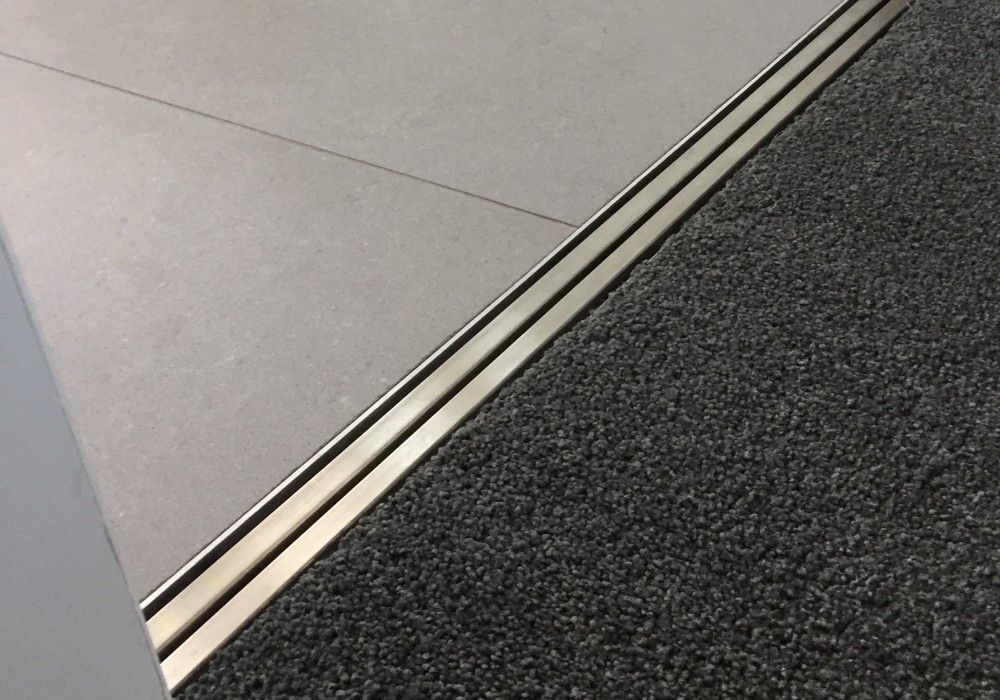
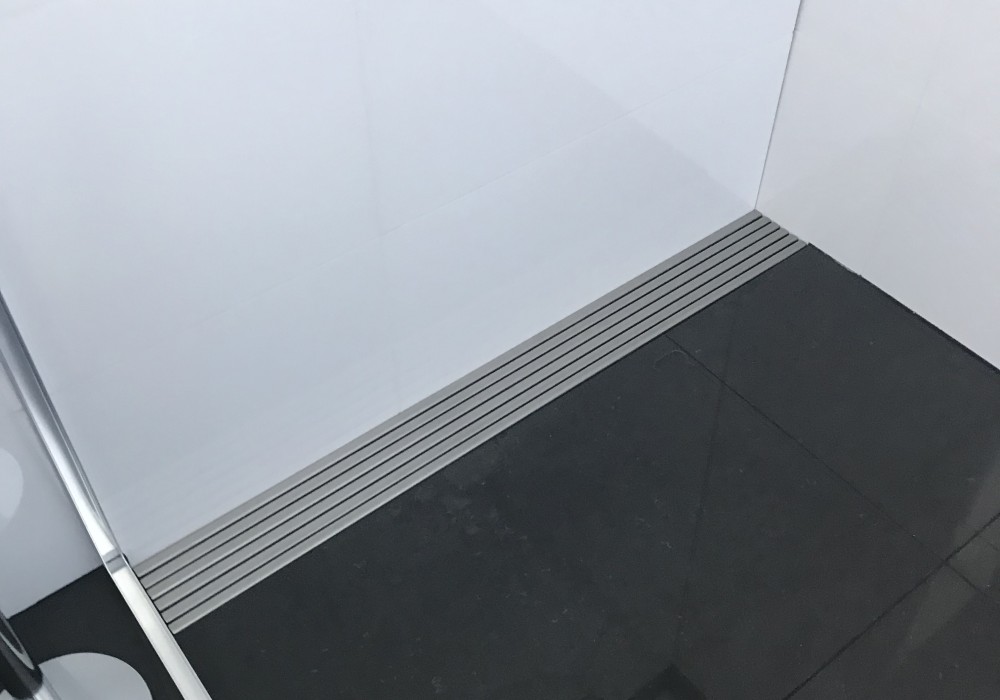
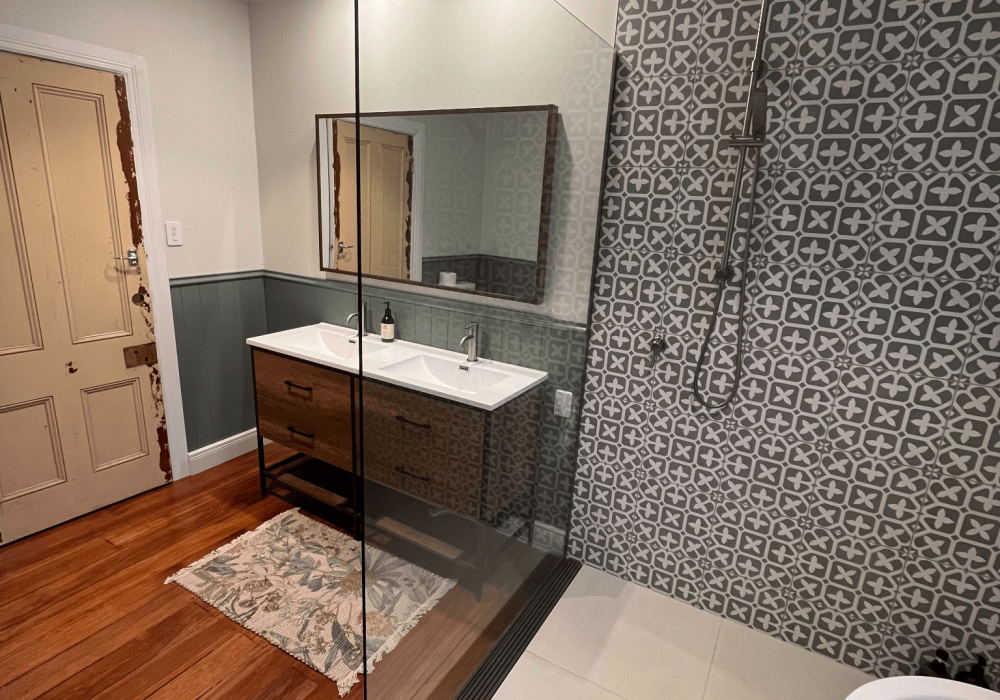
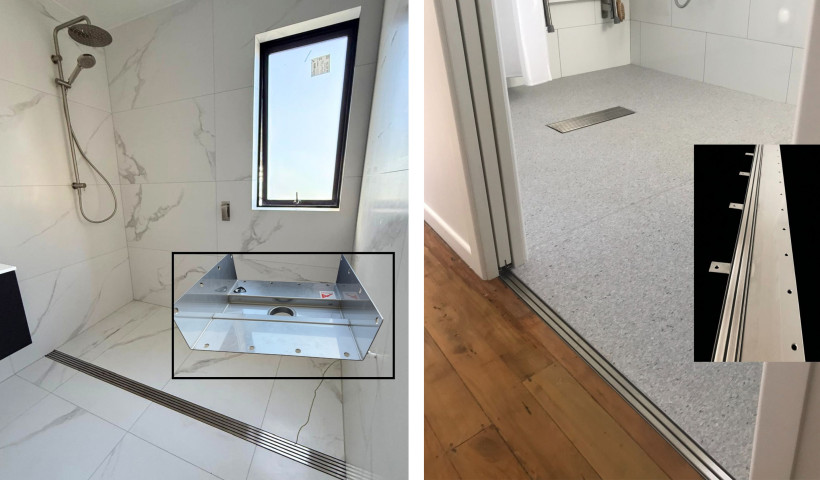
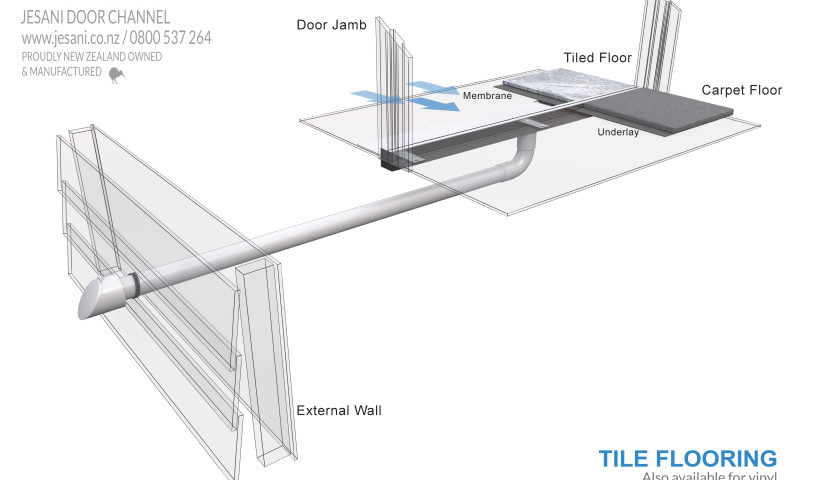
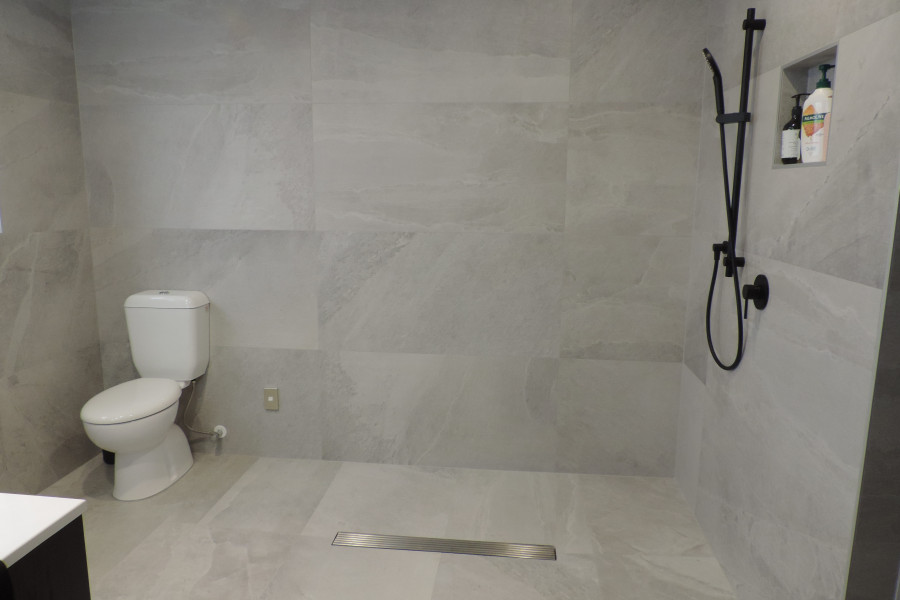
Jesani stainless steel drainage channels are designed to support efficient installation across repeatable housing layouts. Precision manufacturing enables consistent placement and alignment, helping reduce on-site modifications and simplifying coordination with waterproofing systems and floor finishes. For builders delivering multi-unit projects, this can contribute to faster installation, smoother workflows and more predictable outcomes.
Jesani’s drainage systems are manufactured from high-grade stainless steel, providing long-term resistance to corrosion, deformation and surface wear in wet environments. This durability is particularly important in social housing settings, where products are expected to perform reliably under high daily use while minimising ongoing maintenance requirements. By reducing the likelihood of replacement or maintenance call-backs, Jesani systems can help lower whole-of-life costs for housing providers.
Standardisation is also becoming increasingly important in affordable housing delivery. Jesani drainage solutions can be specified consistently across similar floor plans, helping streamline procurement, improve installation efficiency and reduce variation on site.
Ease of cleaning and maintenance also supports better hygiene outcomes in high-use residential settings, while protecting surrounding building materials from moisture-related damage.
As affordable housing projects continue to prioritise efficiency and whole-of-life value, drainage specification plays an important role in supporting reliable, low-maintenance building performance. In this context, affordability is best measured not only at project completion, but across the full lifecycle of the building.
 Popular Products from JESANI
 Most Popular
 Popular Blog Posts