 VANTAGE Windows & Doors
 Roofing Industries
 ALTHERM Window Systems
 Dimond Roofing
 Juralco Aluminium
 SPAX
SPAX



 Prolam
 Case Studies
 PGH Bricks
 Metwood






 DriSpace


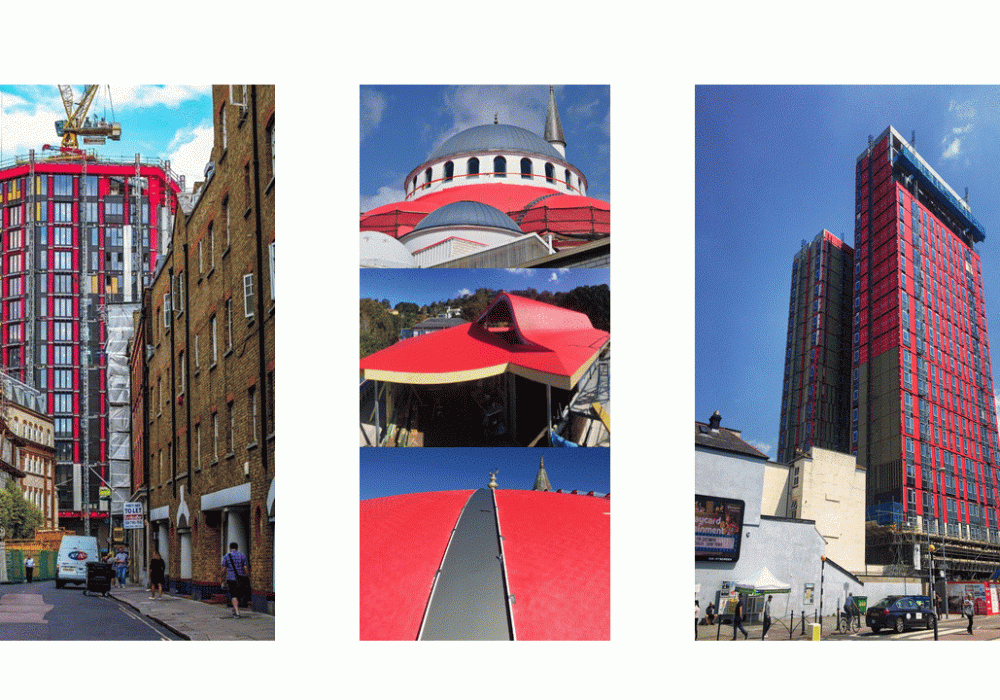


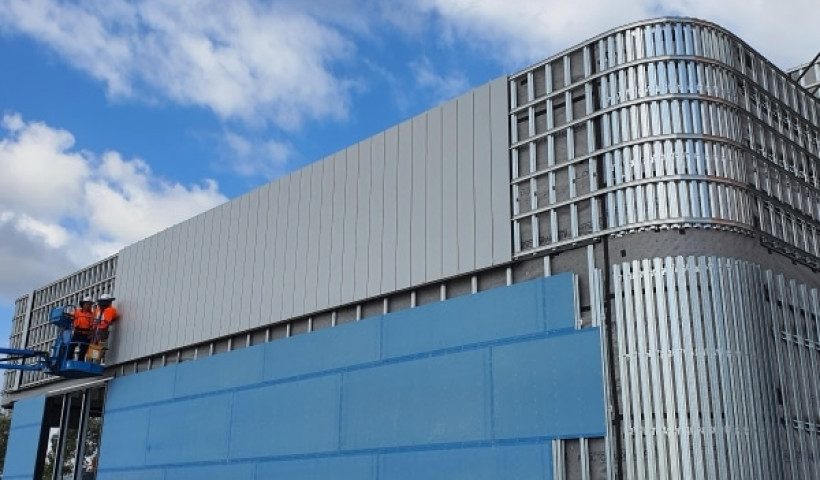
DriSpace's guidance on the permeability of self adhesive membranes with ProctorPassive Wrapatite products and systems highlight why these layers play a critical role in controlling moisture and air movement within modern building envelopes.
Why vapour permeability matters in intertenancy construction
Vapour permeable membranes are widely used to protect framing during construction and provide secondary weather protection once cladding is installed. Importantly, they must also allow moisture vapour to escape, enabling:
- Drying of construction moisture within walls and floors
- Ongoing release of moisture vapour generated by occupants
- Reduction of condensation and long term moisture risk
In intertenancy scenarios, this becomes particularly relevant where:
- Intertenancy walls meet external façades
- Floor to wall junctions interrupt normal drying paths
- Airtight layers influence acoustic and thermal outcomes
Self adhesive membranes and airtightness continuity
While vapour permeability is important, airtightness and continuity are equally critical. Positioning the airtightness layer on the external face of the structure, rather than internally, reduces conflicts with services and improves constructability on site.
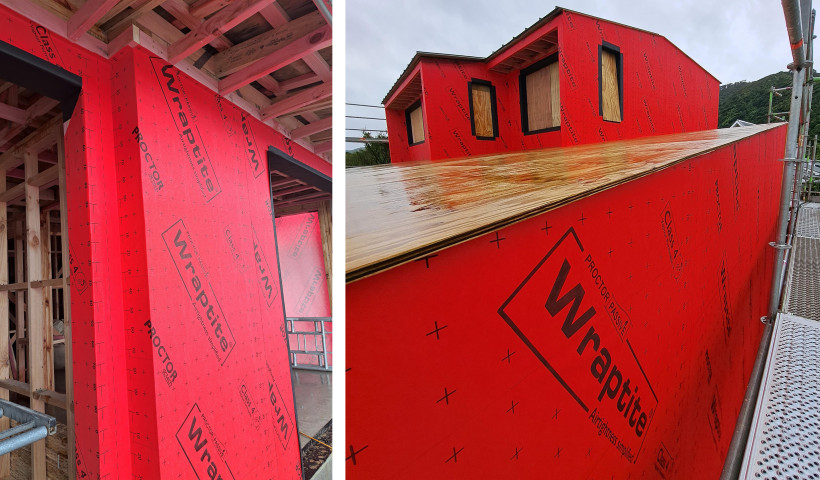
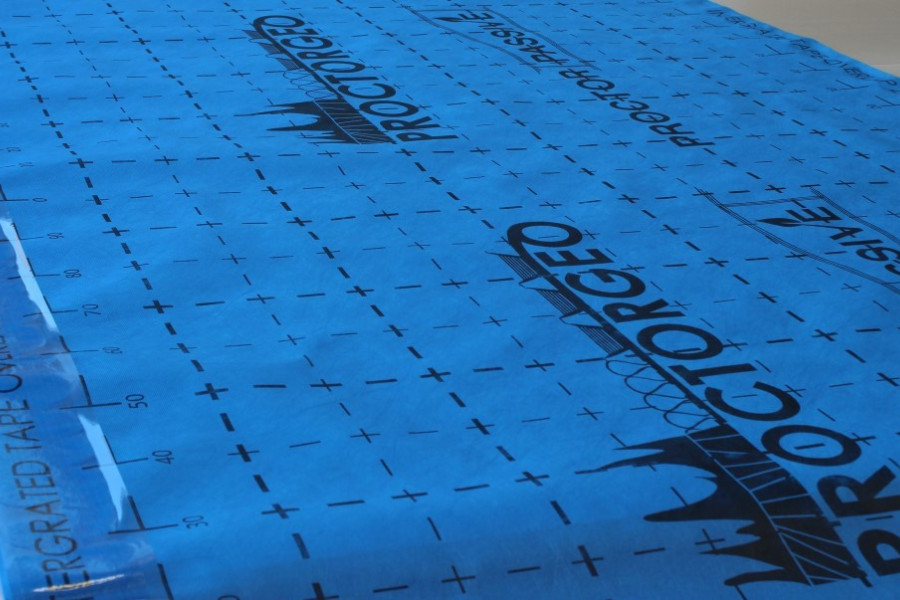
Self adhesive vapour permeable membranes such as ProctorPassive Wraptite SA support this approach by:
- Forming a continuous air and weather barrier
- Reducing reliance on multiple tapes and fixings
- Simplifying junction detailing where walls and floors intersect
This can help limit uncontrolled air leakage paths that may compromise thermal and acoustic performance at intertenancy interfaces.
Construction sequencing and exposed conditions
In multi unit and staged projects, façades and junctions can remain exposed for extended periods. Proctor This highlights the importance of using membranes that maintain performance during construction while still allowing the structure to dry.
Wraptite UV SA extends this concept by providing enhanced UV resistance, supporting continuity of the air and moisture control layer during longer exposure periods without changing the underlying vapour permeable function.
Design support, not design substitution
Membrane performance must be considered as part of the overall building envelope strategy, including correct placement, continuity, and compatibility with surrounding elements.
DriSpace product solutions with ProctorPassive product ranges are intended to support designers in achieving durable, high performing intertenancy outcomes. Final system design, fire and acoustic compliance, and code verification remain the responsibility of the project designer.
DriSpace is the authorised exclusive distributor for DriStud, VENT NZ, Proctor Australia, and NoDrip.
 Popular Products from DriSpace
 Most Popular
 Popular Blog Posts