You are using an outdated browser version not supported by this website.
Click here to upgrade your browser

InteriorInterior

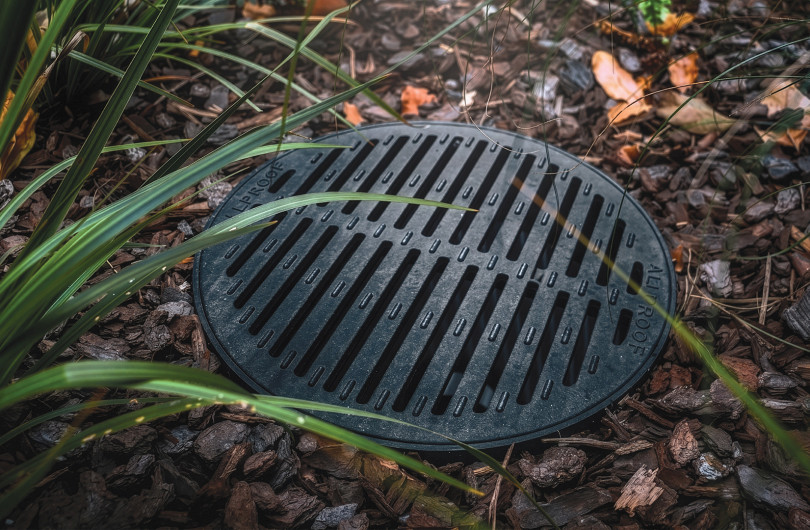
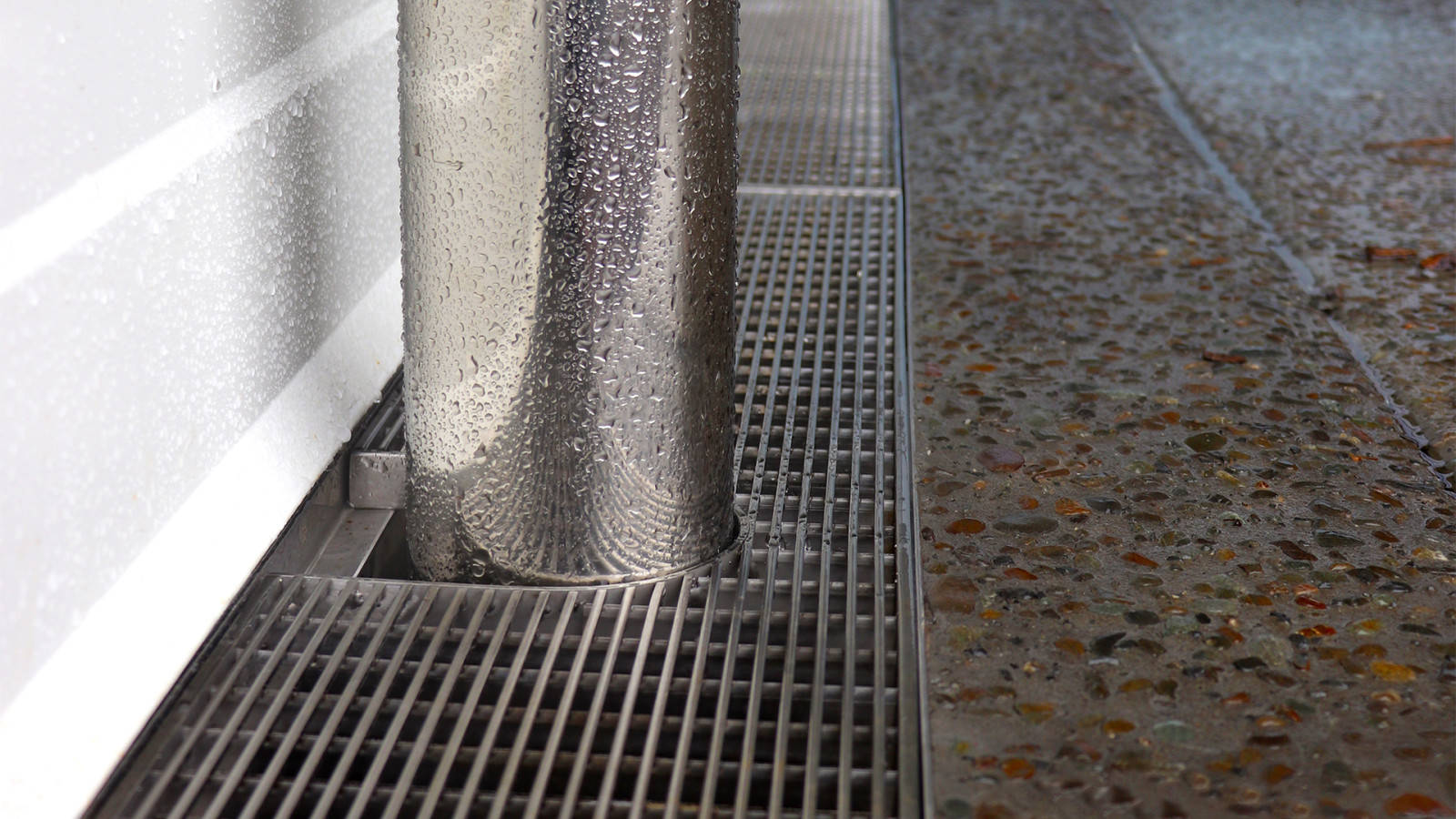
Surface Water Sumps: Their Location, Sizing and Function

In designing a surface water drainage solution, you must consider the performance of the design in service. This design must allow for stormwater to be disposed of without causing damage, nuisance, flooding, erosion, or water entry into buildings.

Read all

21 September 2026
23 March 2026

Accelerating Weathertightness: Early Close-In for Programme Certainty

pro clima ECI EBOSS (1)

Achieving early weathertightness without compromising compliance or quality remains a persistent challenge on construction sites. Programme pressure, labour constraints, cladding delays, and unpredictable weather patterns increasingly disrupt traditional programme sequencing. Designers are frequently asked to specify envelope systems that not only perform over the building’s service life but also support progress during construction while meeting budget constraints.

Read all

23 March 2026

How the New Granny Flats Building Consent Exemption is Changing Restricted Building Work for LBPs

mert ceyhan FPCWn8Slw48 unsplash copy

While the definition of Restricted Building Work (RBW) has not changed, the way RBW is delivered under the granny flats building consent exemption has.

Read all

23 March 2026

Improving H1 Energy Efficiency

kelly sikkema yFUB1riRdA8 unsplash copy

The Ministry of Business, Innovation and Employment (MBIE) has updated the settings for compliance with the energy efficiency requirements of clause H1 of the Building Code. These changes follow a review of the H1 settings in 2024, which identified opportunities to better balance upfront building costs and longer-term benefits. 

Read all

23 February 2026

Membrane Roof Penetrations: The Flange, the Fixing Ring and the Grate Explained

Pokeno Sureflow

Detailing of the rainwater outlet penetration — from flange preparation to overflow provision — plays a central role in protecting the building envelope from moisture ingress.

Read all

23 February 2026

Early Recovery, Fragile Foundations: Key Signals for NZ's Construction Sector

the pulse hero

The latest Issue of the EBOSS Pulse released last week offers an accessible framework for understanding where the construction sector sits today — and where it is heading. Structured across four stages (Yesterday, Today, Tomorrow and Future), the report tracks completed work, current activity, pipeline intent, and macro drivers.

Read all

23 February 2026

Can Solar Control Glass Help with Overheating?

Metro SunX Grey Low E Double Glazing

While the H1 changes have advanced thermal insulation standards, they have not explicitly addressed the criteria for solar control, particularly in New Zealand's warmer regions. This poses a potential risk of clients’ homes overheating, underscoring the need for architects and builders to consider a broader range of glass solutions to mitigate this emerging challenge.

Read all

23 February 2026

Survive to 25 Became Survive 25. So, What Will 2026 Look Like?

EBOSS 21 Graphic

As we deal with a wide range of builders across NZ, I’m often asked “What are you seeing?”. The general feel that I’m getting is that the industry is more positive but that businesses aren’t yet seeing it in their books. But it was much the same at the end 2024 and into 2025. Will 2026 be any different?

Read all

23 February 2026

As We Face Summer Overheating Issues, Why is Black in Fashion for Facades?

colour wheel

During the summer holiday, while I was driving about the North Island, I was aware of the continuing popularity of Black as the colour for exterior walls and roofs of recently built dwellings and terrace housing.

Read all

24 November 2025

Are Your H1 Designs Blowing Money?

money counting

The challenge with H1 is that the underlying concept of thermal performance is quite complex. Surprisingly small things can tip a design over from passing to failing. Or costing a lot more.

Read all

24 November 2025

Common Level Threshold Detailing: Reducing RFIs

EBOSS   Downpipe + Grates (1)

Meeting the requirements of E2 ch 7.4 will ensure that your design offers a compliant level threshold solution, negating the need for any specific design. Avoiding alternative solution designs will assist in a smoother consenting process and reduce RFI responses.

Read all

Get a free weekly digest of essential news

New and updated architectural products, design solutions, inspiration, technical advice and more when you sign up for EBOSS.