 VANTAGE Windows & Doors
 Roofing Industries
 ALTHERM Window Systems
 Dimond Roofing
 Juralco Aluminium
 SPAX
SPAX


 Prolam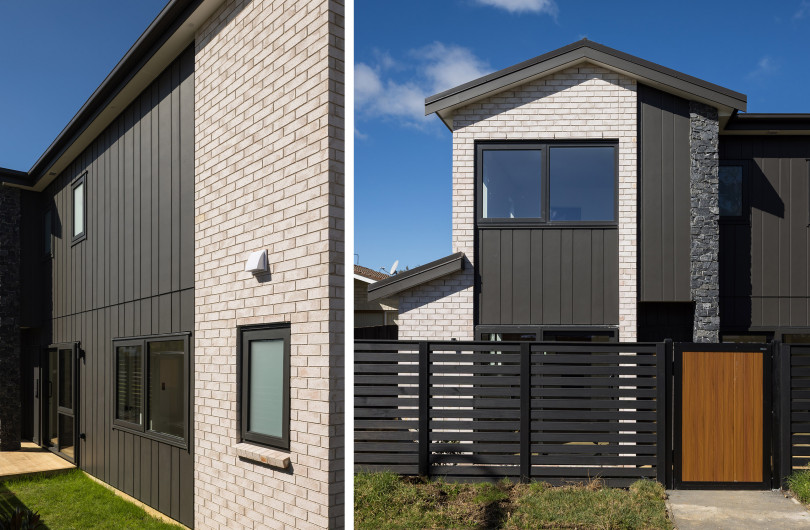
 PGH Bricks
 Metwood





 Ecorate Ltd
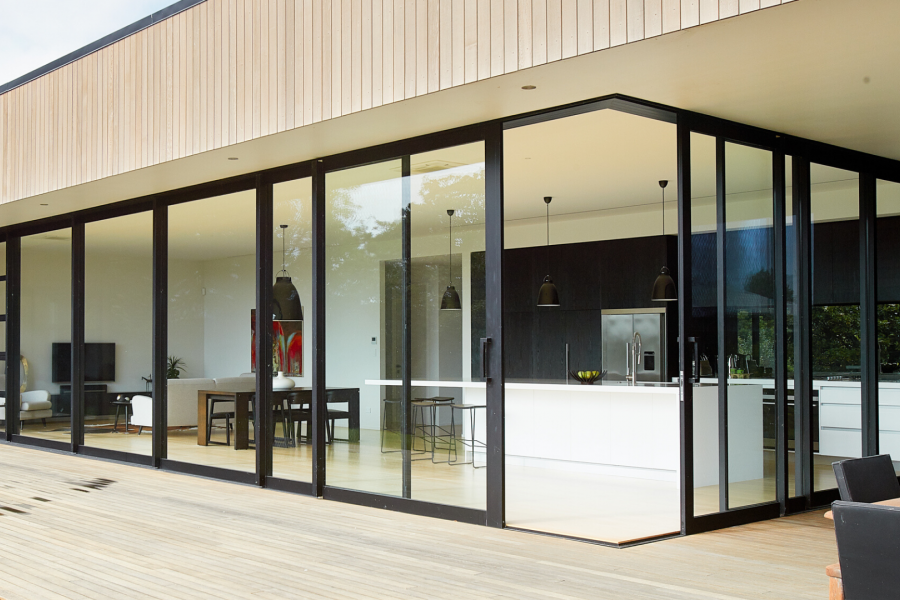
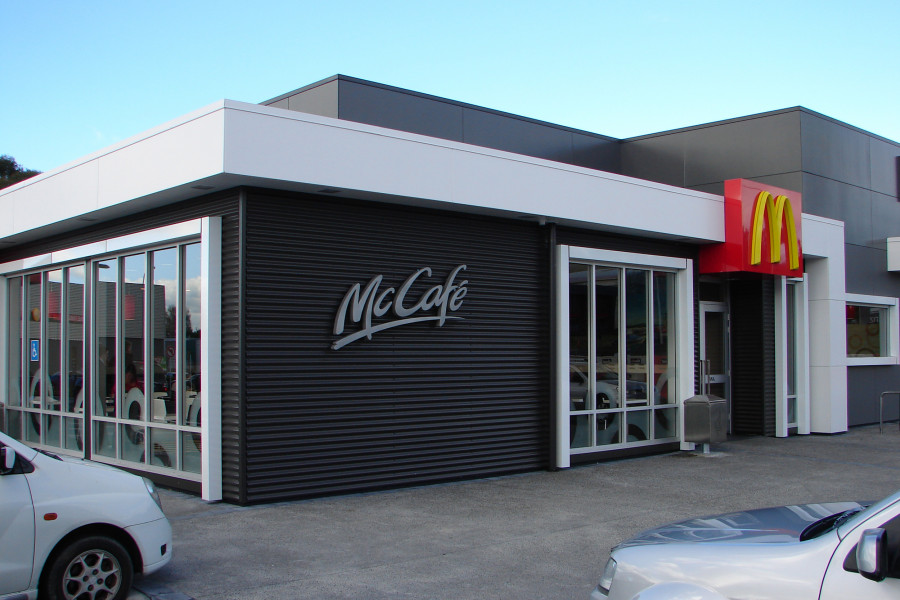
In the light of the rapidly increasing public awareness of the problem of summer over-heating of multi-unit dwelling developments, especially the upper storey rooms, I wonder why there is the continuing use of black (and very dark hues) as the colour for their exterior cladding — walls and roofs. As the reader will be aware, dark colours absorb the majority of the solar radiation falling on an exposed surface, whereas pale colours reflect the sunlight. The radiation energy which is not reflected will be absorbed by the surface and converted to heat energy, which is why a dark object feels much hotter than a light coloured one after it has been in the sun. This heat energy has to go somewhere — the direction is determined by the general rule that heat moves from a hotter zone to a cooler zone until a balance is achieved.
The problem of designing and constructing residential buildings to deal with the summer over-heating problem is not solved by static ‘Standard Solutions’, be they for standalone, terrace or apartment blocks. Holistic solutions are needed, of which surface colour is a small but vital component. A building stands in a dynamic natural environment and as such the thermal gains and losses are continually fluctuating, whereas the elements of a building’s fenestration are static and so most design selections are compromises; unchanging with time and so needing careful consideration. Opening window sashes, doors and other moveable components within the thermal envelope are the primary passive modifiers of internal climate control after which installed heating and cooling systems are used to maintain comfort level for the individual occupants. The colour of the external faces of the portions of the thermal envelope receiving solar radiation have a passive influence on the temperatures of the interior volumes of the dwelling. Granted this effect is very small compared with the overwhelming effects of energy transfer through the thermal insulation, and the passive storage capacity of interior thermal mass, even so the effect in localised areas can be substantial and long-lasting.
With the passage of time, the primary difference in the influence of dark and light colours is the stability and integrity of the underlying materials and constructions. An initial influence is the quality of the application to the substrate (is it in a controlled setting, or site applied), and then the maintenance programme. A dark colour applied properly can outlast a light colour applied carelessly or without proper preparation.
The increased absorption of solar radiation by dark colours places additional physical stresses on both the coating and base material. The most common is thermal expansion and contraction due to the ever-present diurnal and annual outdoor temperature cycles. While the coating may tolerate these movements, the substrate may not. A common location for problems is with metal weather flashings and the sealing of their junctions, along with inappropriate provision for regular thermal movement.
As an example, when significantly recessed windows are protected with folded-metal reveal flashings connecting to the adjacent cladding, then careful and intelligent attention to the weather-proof detailing of the continual thermal movement that occurs between the components is necessary. This differential movement is exacerbated when dark coloured finishes, such as black, are used. On the sunny elevation the sill temperature is well above that of the air, but the shaded soffit of the window within the recess is at the temperature of the nearby air. At the side jambs during each day one flashings is subject to increasing solar heating while the other is in shade, and the conditions are reversed a short time later as the sun tracks westward. How is weathertight integrity of the flashings maintained over its lifetime. Pale colours will reduce the continual thermal movement but not eliminate it.
Most companies producing exterior coating publish the approximate Light Reflectance Values for their colours which indicates the amount of visible light that a colour will reflect, and therefore the percentage of heat energy absorbed. Some, such as Resene produce colours which are formulated to increase the amount of reflected visible light from their dark colours without changing the perception of the colour from the standard formulation.
Of course there are occasions where innovative design can make positive use of the heat gathering characteristics of dark coloured cladding.
Through EcoRate Ltd – Architect, I provide objective independent passive solar thermal performance simulation and comment on sustainability matters, to Architects, Designers, Builders, Manufacturers, and others in the construction industry, included those proposing to build a new home. For more information feel free to contact Keith at EcoRate Ltd on 021 890 251, [email protected], or our website www.settlement.co.nz.

 Most Popular
 Popular Products