 VANTAGE Windows & Doors
 Roofing Industries
 ALTHERM Window Systems
 Dimond Roofing
 Juralco Aluminium
 SPAX
SPAX



 Prolam
 PGH Bricks
 Metwood






 Allproof Industries
In a balcony, podium or roof area, a membrane will be present to protect the building envelope from external moisture. The membrane can be an adhesive applied, single or multi layer torch on (heat applied) or a hot melt monolithic membrane.
The surface will be set to falls to direct the hydraulic demand to an outlet or sump. In addition to the outlet will be provision for overflow, either near the outlet or via a scupper through the parapet. The outlets create a penetration in the membrane sheet, or area, and provide a crucial element of the system connecting water off the surface or gutter to the stormwater pipe.
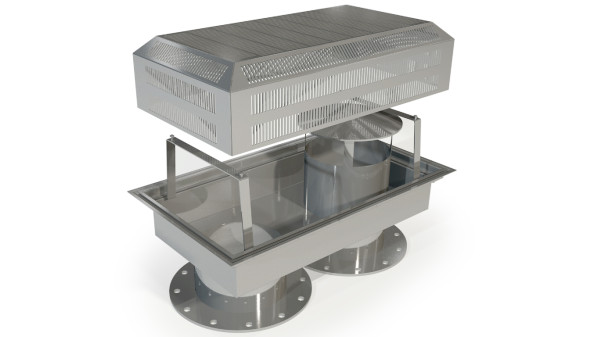
A flange will be installed in the substrate, be it timber, concrete, or PIR board. This should be installed flush with the substrate so as to not create a dam, resulting in a uniform finish to allow the membrane to be laid onto and adhered to the flange. Traditionally base flanges were made of bronze, but manufacturing improvements have allowed these bases to now also be made of PVC, accepting all types of membrane, and creating an outlet spigot that will suit a glue fit to the DWV stormwater pipe. A crucial factor to ensure the protection of the internal space and guarantee durability.
Another critical step of the installation is the adhesion of the membrane to the flange. The flange provides a profiled surface that will allow the membrane to lay into the fixture creating a surface area for bonding of the elements. It is often thought that a fixing ring is required to clamp and squash the membrane, but it is primarily required to secure the adhesion of the membrane to the flange. The critical process of the system is for the flange to be appropriately prepared and then the membrane can be effectively adhered to the flange surface. The installation of the fixing ring will secure the membrane in place and provide assurance that over time the membrane will remain fastened in place at the outlet. This mitigates the potential for leaks at the rain water outlet. The fixing ring also features a cam lock or screw fixing for the grate installation, which protects the outlet from the entry of debris.
The selection of grate will be determined by the install application. In a podium or planter box situation the fixing ring will feature drainage ports to allow sub surface moisture to escape; the ring will also support a PVC pipe riser to surface water drain or inspection eye. For areas subject to foot traffic, a flat grate will be provided to ensure a smooth surface finish. It is important that these installs are visible as a flat grate is prone to being blocked by debris such as leaves or the like.
The most predominant grate selected for a roof drain is the domed outlet. This allows a rise to the grate that will prevent the outlet blocking due to the build-up of debris. Often on inspection of installs, such as under tiles on jacks, it will be seen that there is a build up of silt and debris against the grate. The upstand of the grate will allow full operation of the outlet between maintenance inspections.
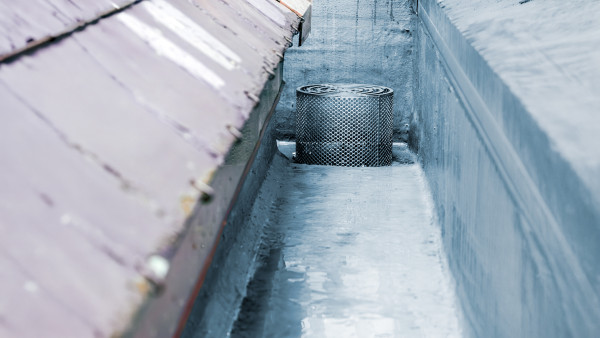
A requirement of the code is to provide an overflow of the same capacity as the primary outlet. An overflow dome can be installed into the same fixing ring, providing a rise of around 70mm which will allow a build-up of head in the gutter to allow maximum capacity of the outlet fixture, and protection from gutter overflow should the primary outlet become blocked. Traditional overflows with a pushed in PVC riser or open top can cause issues in relation to ambient water entering the top of the outlet. This may occur through water dribbling in when tracking under the tiles on jacks or deflecting off a parapet or long run roof. Allproof have advanced the design of this overflow outlet to include a fully welded fixing ring with all fixings inside, and a stainless steel cowl that will prevent the ambient water entering and seal the base of the overflow from ponding water or water tracking past riser pipes.

Allproof has been providing roofing and drainage accessories since 1987. The company’s manufacturing base was actually started by Ian Jackson importing waterproofing and drainage products and then manufacturing specialist floor and roof drainage products that changed the direction of this segment in NZ. From a membrane laid into a vertical PVC pipe to specialist products being offered to effectively seal waterproof membranes to drainage outlets. As the systems have evolved and manufacturing has developed in regard to advancements in design, manufacturing, technology and sustainability, Allproof has moved forward, working with industry partners and specifiers to provide the most advanced rain water outlet systems available.

 Most Popular
 Popular Products