 VANTAGE Windows & Doors
 Roofing Industries
 ALTHERM Window Systems
 Dimond Roofing

 Juralco Aluminium
 SPAX


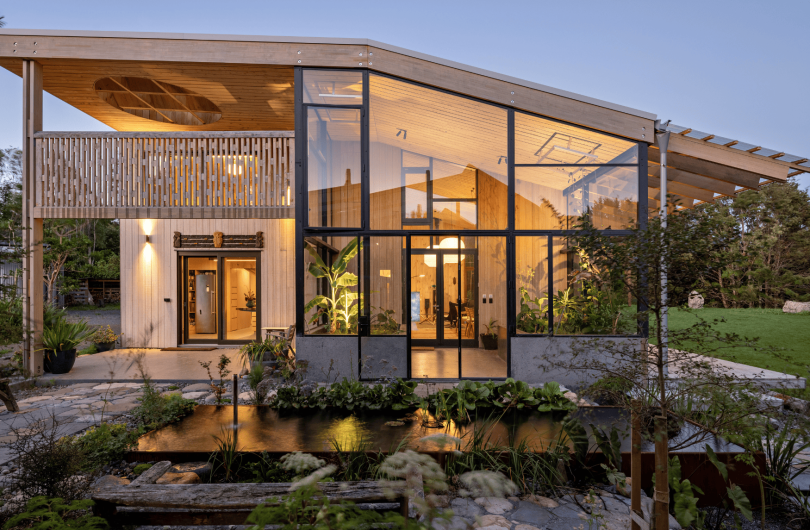
 Prolam
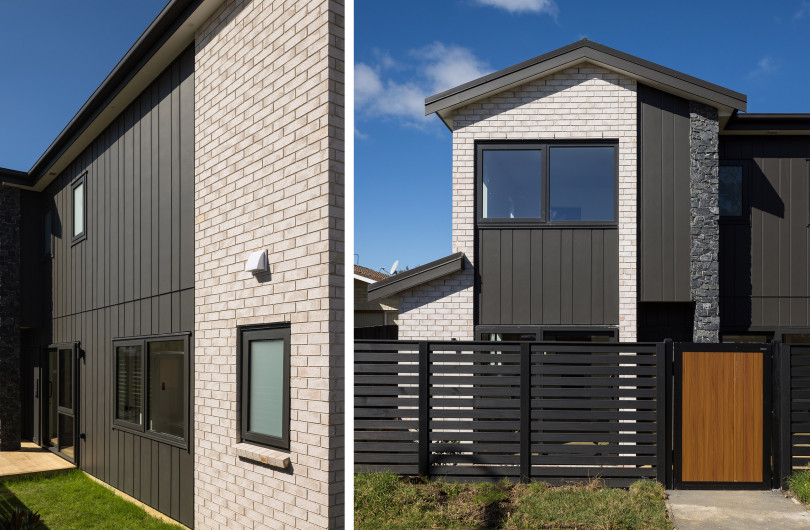
 PGH Bricks
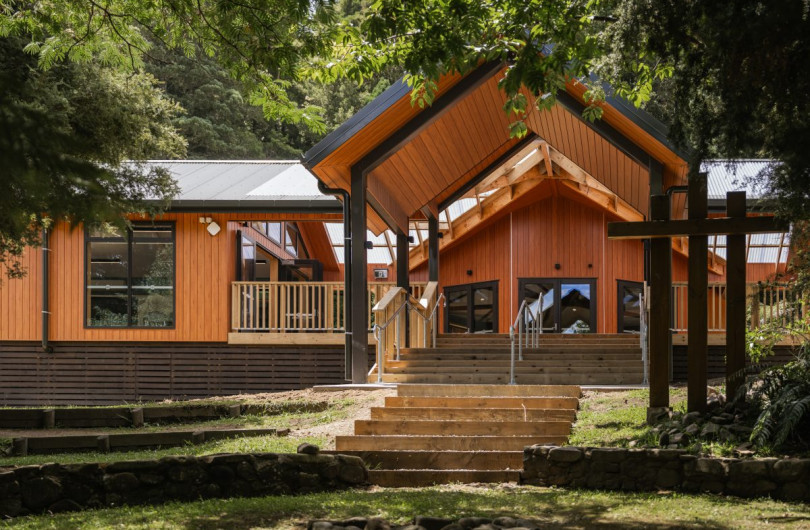
 Metwood




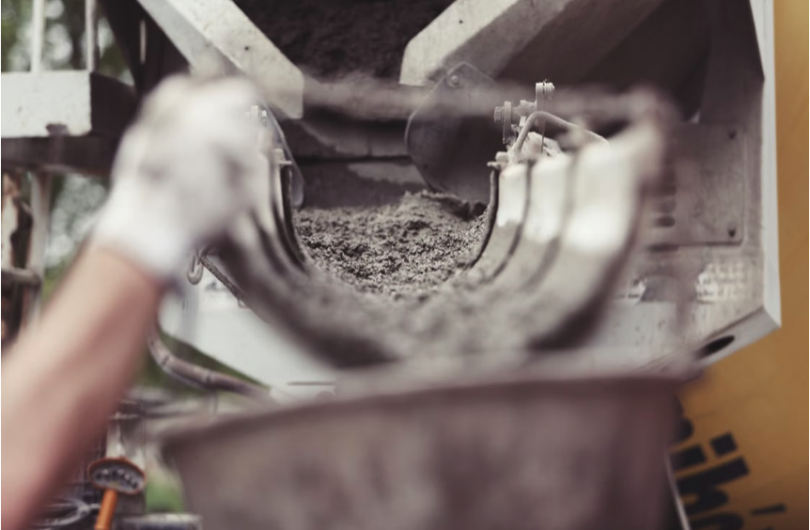
Concrete has fairly low carbon emissions per kilo, but because we use so much of it, its total emissions are high. We investigated how much low-carbon concrete will cost you, and what to watch out for.
5,459 products with technical literature, drawings and more from leading suppliers of NZ architectural materials.
Popular Products
Case studies, new products and product news from leading suppliers of NZ architectural materials.
This Month
Blogs for architectural specifiers, offering product, design and business advice.
 Structure
 Enclosure
- Envelope Accessories
- Glazing
- Insulation
- Roofing and Decking
- Tanking and Weatherproofing
-
Wall Cladding
- All Wall Cladding
- Aluminium Cladding
- Aluminium Composite Cladding
- Cladding Accessories, Flashings & Soffits
- Fibre Cement Cladding
- Masonry and Brick Cladding
- Metal Cladding
- Miscellaneous & Composite Cladding
- Plaster Render Systems
- Plastic Cladding
- Proprietary Cladding Systems
- Stone Veneer Cladding
- Timber and Wood Composite Cladding
-
Windows and Doors
- All Windows and Doors
- Awning and Casement Windows
- Bifold Doors
- Bifold Windows
- Commercial Windows and Shopfronts
- Entrance Doors
- Exterior Fire and Smoke Doors
- Garage and High-Speed Doors
- Hinged and French Doors
- Louvres, Shutters, Screens, and Grilles
- Rooflights and Overhead Glazing
- Sliding Doors
- Sliding Windows
- Window & Door Ancillaries
 Interior
- Ceiling Systems
-
Fixtures, Fittings and Furniture
- All Fixtures, Fittings and Furniture
- Bathroom Joinery and Cabinetry
- Blinds and Curtains
- Cabinet Hardware and Accessories
- Indoor Fabrication Materials
- Kitchen and Bathroom Appliances
- Kitchen and Laundry Fixtures
- Laboratory Fixtures and Fittings
- Shelving and Storage Systems
- Workstations, Desks and Screening
- Floor Systems
- Hardware
- Interior Access and Circulation
- Interior Doors
- Partitions and Interior Walls
- Wall and Ceiling Linings
 Finish
 Services

























 Most Popular
 Popular Products