
 VANTAGE Windows & Doors
 Roofing Industries
 ALTHERM Window Systems
 Dimond Roofing
 Juralco Aluminium
 SPAX
SPAX



 Prolam
 Case Studies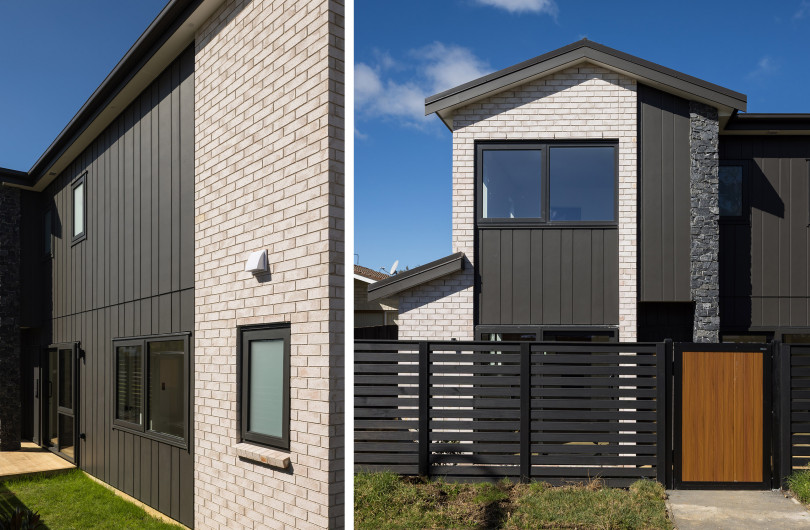
 PGH Bricks
 Metwood







 Technoform




With the Schedule Method removed for new residential builds under 300m², compliance is typically demonstrated through the Calculation Method or the Modelling Method. In both pathways, the building envelope has to be assessed as it will actually perform; including some thermal bridging, and increased framing density, all relating to the realities of construction.
The result is a shift in emphasis; compliance is now less about what insulation is specified, and more about what the thermal envelope delivers as a system once it is built.
The hidden gap between nominal and effective R-values
A recurring issue in residential design is that framed walls rarely perform at their advertised R-values in practice. This is because even though insulation may be rated highly, the wall is not made of insulation alone.
Timber framing creates thermal bridges through studs, plates, and lintels. Services and fixings interrupt the insulation layer. Small gaps and compression during installation also matter. Each of these reduces the “effective” performance of the assembly even when the product labels look compliant on paper.
That gap is now much harder to ignore, because the compliance tools require designers to account for it with a higher timber framing fraction (now 38%).
Why the 38% framing fraction matters
Under current H1 assumptions, framed walls are now assessed using a minimum 38% framing fraction unless a lower value can be justified. This is based on MBIE’s thermal bridging and insulation methodology underpinning H1/AS1 and H1/VM1. (Refer Image 1).
A higher framing fraction means more timber, more thermal bridging, and a lower effective R-value for the wall. When the wall is modelled this way, conventional internally insulated constructions can struggle to meet minimum effective performance targets even when higher-rated insulation batts are specified.
In other words; a wall can look compliant as a set of R-values stated per product but fall short as an assembled system on site.
Why minimum compliance is no longer enough
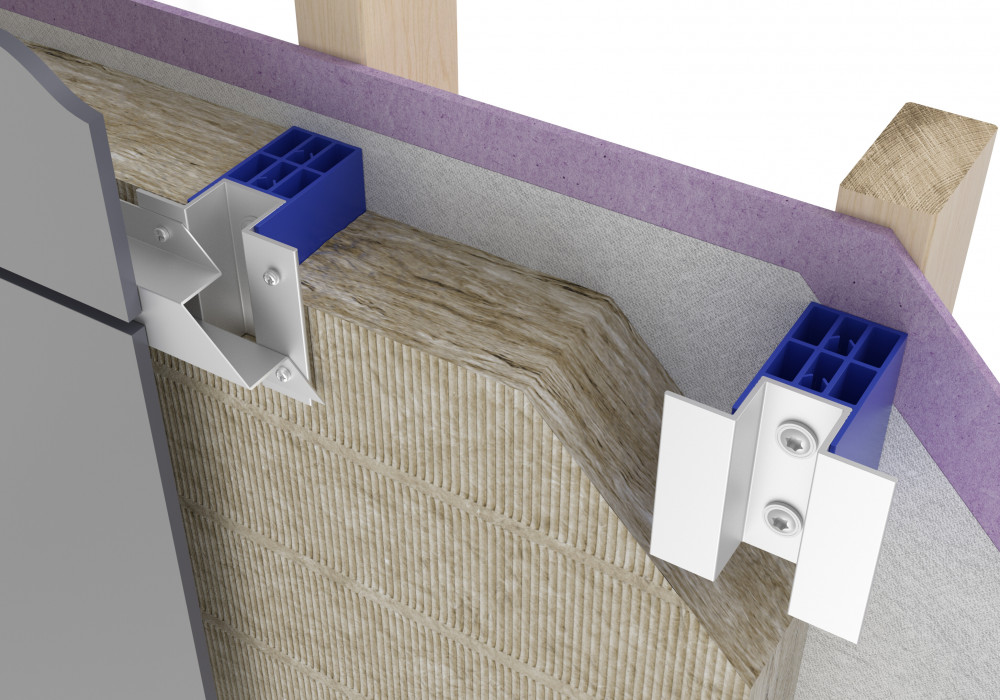
Increasing insulation thickness or framing depth may improve nominal R-values, but these strategies do not address the core issue; that insulation placed between thermal bridges is repeatedly compromised. Studs, plates, fixings and services interrupt the thermal layer, reducing effective performance and increasing sensitivity to installation quality. (refer image 2).
Under the H1 Calculation Method, some of these losses must now be included and they make a measurable difference.
A system approach to wall performance
A thermally broken façade reframes the wall assembly. Instead of relying on insulation fitted within the structure, the primary thermal layer is placed outside the framing, where it can remain continuous and predictable.
By keeping the structure warm and reducing both linear and point thermal bridges, this approach improves effective R values, simplifies modelling outcomes, and reduces condensation risk, all without relying on deeper framing or perfect site workmanship. (Refer image 3)
Fixings matter more than expected
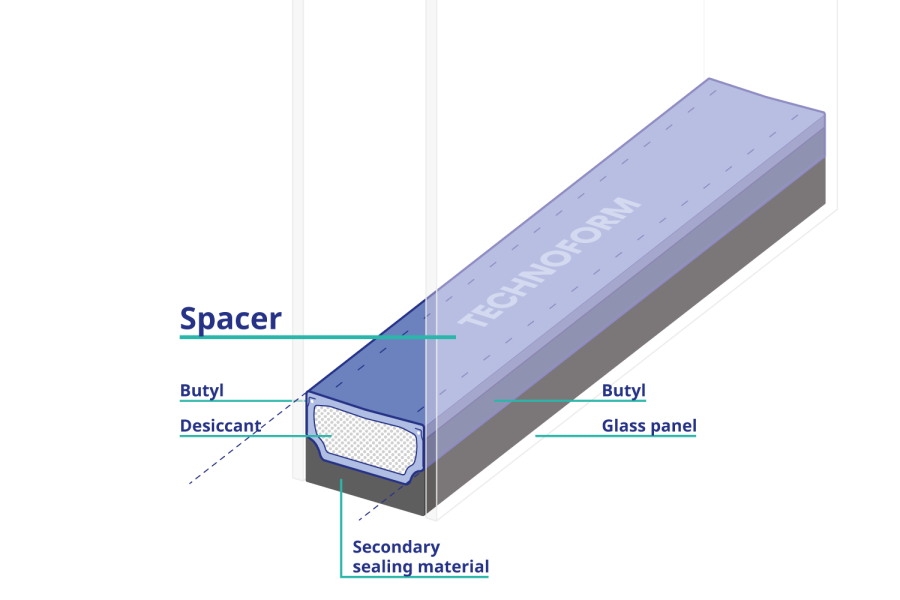
Even with external insulation, performance can be undermined if conductive fixings bridge back to structure. This is where thermally isolated fixing systems become critical. Technoform’s polyamide thermal isolator clips provide the required structural capacity while significantly reducing point thermal bridging compared to metal alternatives. (Refer image 4)
Extending a principle we already accept
Thermally broken joinery is now common practice in New Zealand because the consequences of not doing so are well understood. Extending that same principle to the wall system is a logical next step, particularly as H1 settings increasingly reward measured, assembly-level performance.
As H1 continues to evolve, meeting nominal R-values on paper is no longer the end of the story. The focus is shifting to envelope systems that perform predictably across design, consent, and construction.
To explore how thermally broken façade systems can support reliable H1 compliance using the Calculation or Modelling Method, specifiers can contact Technoform for technical guidance and early-stage support.
To explore how thermally broken façade systems can support reliable H1 compliance using the calculation or modelling method, designers can contact Technoform for technical guidance and early-stage project support on [email protected]


 Popular Products from Technoform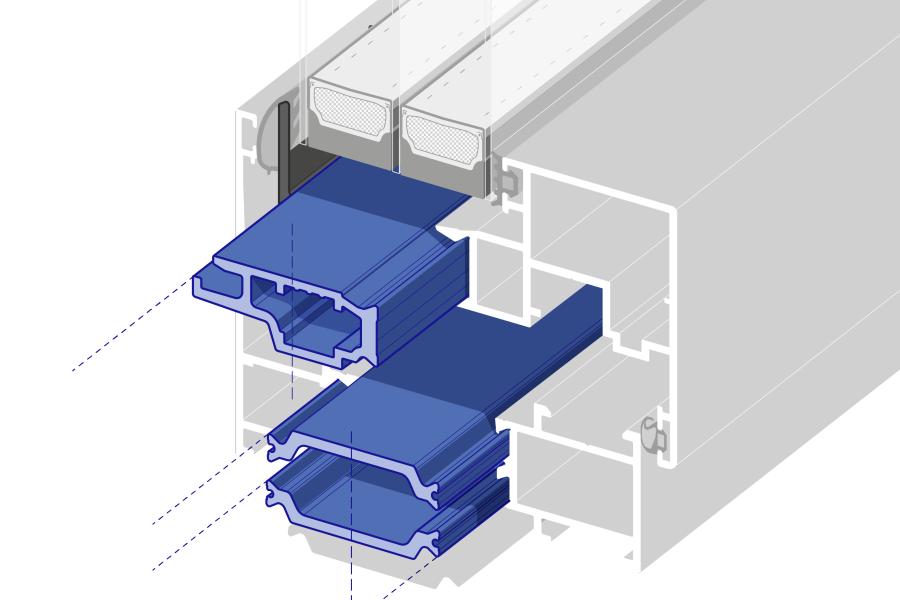
 Most Popular
 Popular Blog Posts