 VANTAGE Windows & Doors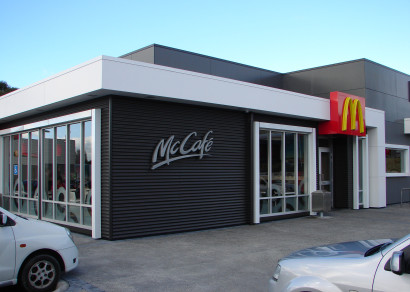
 Roofing Industries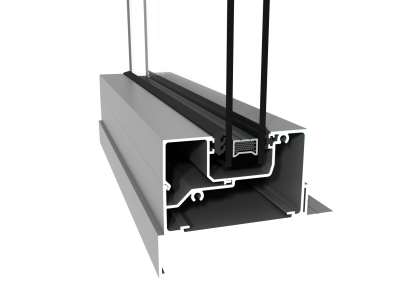
 ALTHERM Window Systems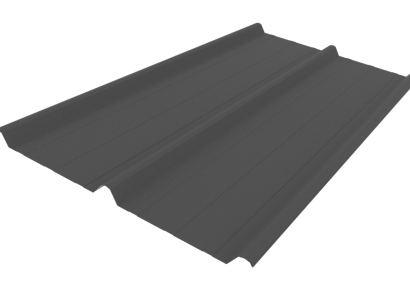
 Dimond Roofing
 Juralco Aluminium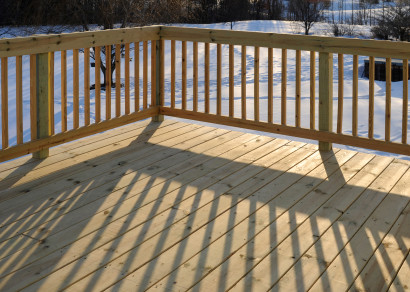
 SPAX
SPAX


 Prolam
 Case Studies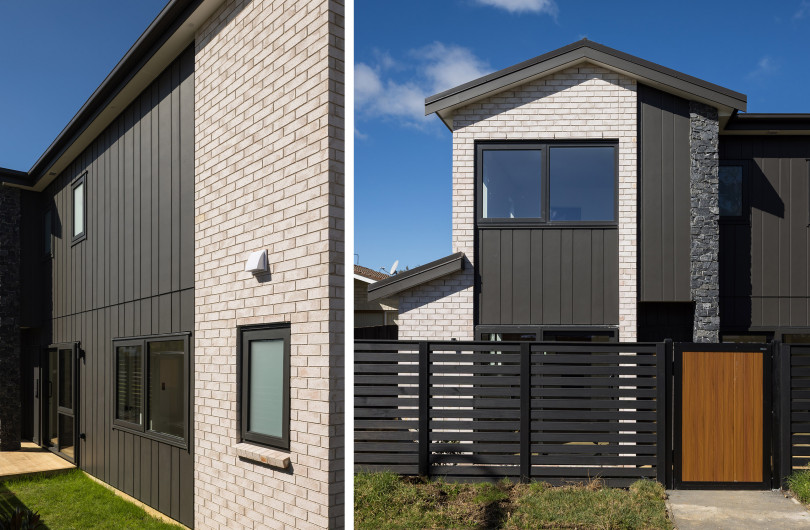
 PGH Bricks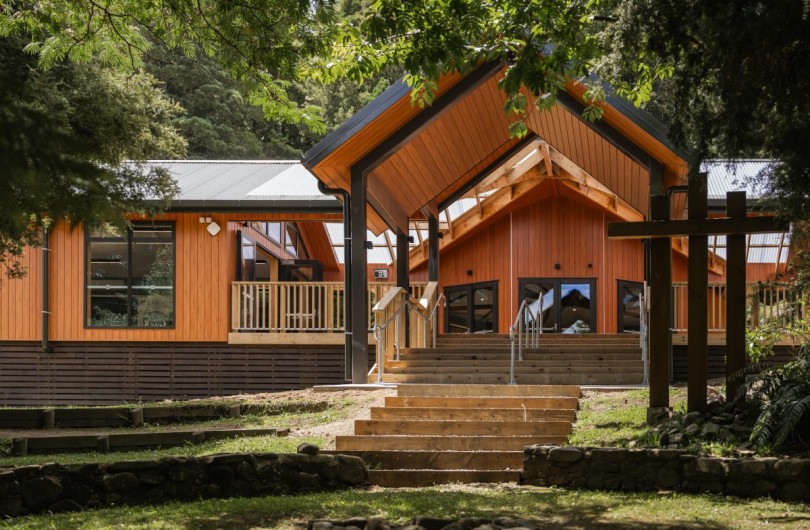
 Metwood





 Technoform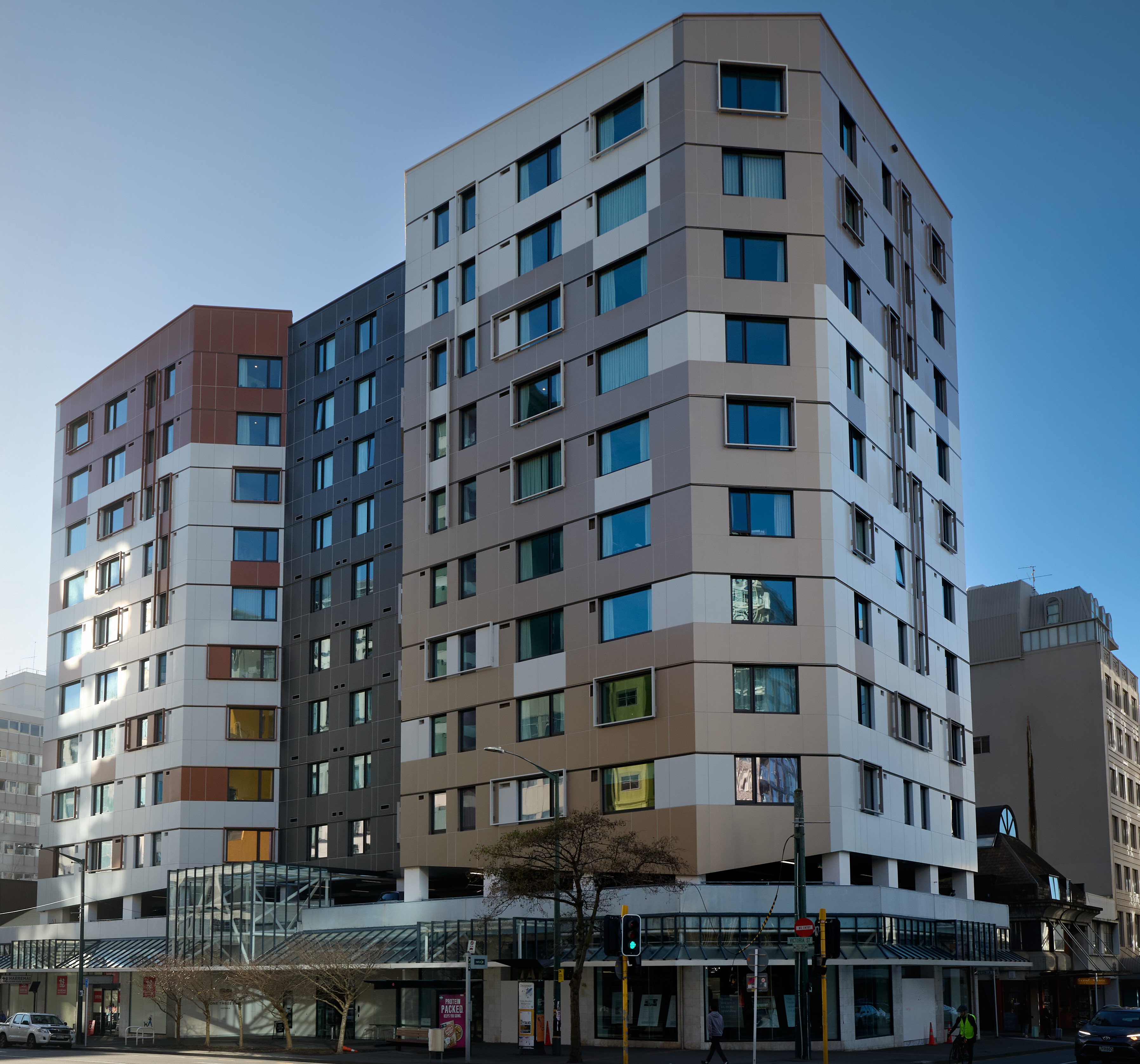


As New Zealand moves towards a lower-emissions built environment, the conversation around sustainable buildings is evolving. New Zealand's Emissions Reduction Plan is driving greater focus on whole-of-life carbon, improved reporting, and better information to support low-carbon building decisions (MBIE, 2026).
Future changes will likely include increased carbon reporting, waste minimisation requirements, improved assessment methodologies, and greater transparency around building emissions (MBIE, 2026).
For design professionals, this creates a challenge and an opportunity.
Window and door selection has traditionally focused on aesthetics, H1 compliance, and cost. Increasingly, however, designers are also being asked to consider the carbon impact of these products throughout their lifecycle.
So the question is no longer "Will this product help me meet H1?", it is becoming "What is the carbon impact of this product throughout its lifecycle?"
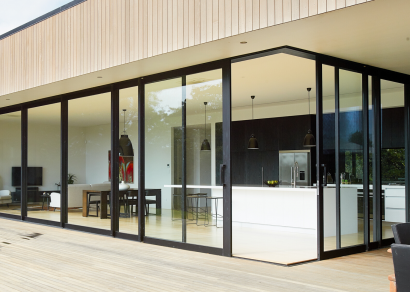
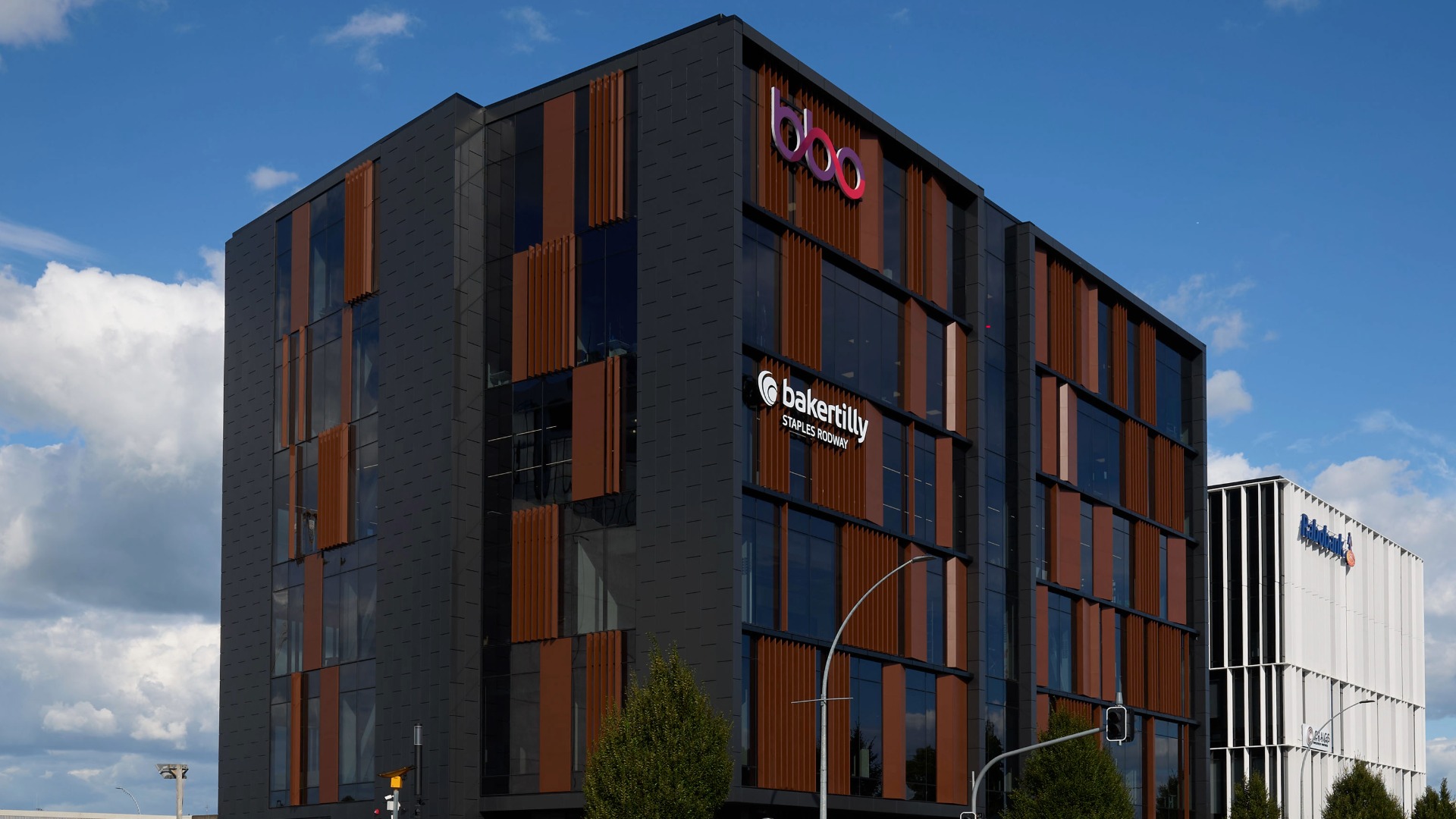
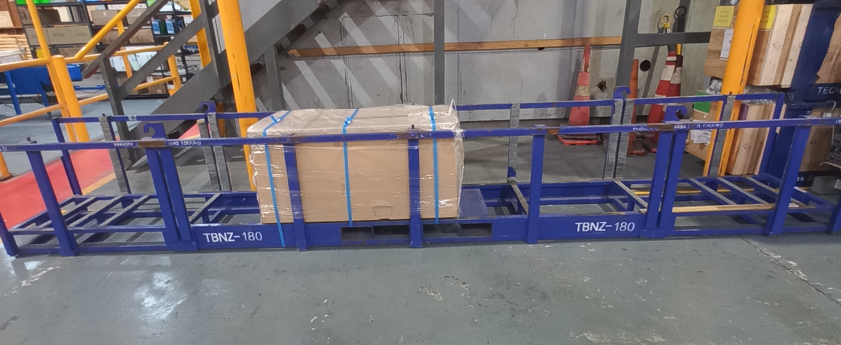
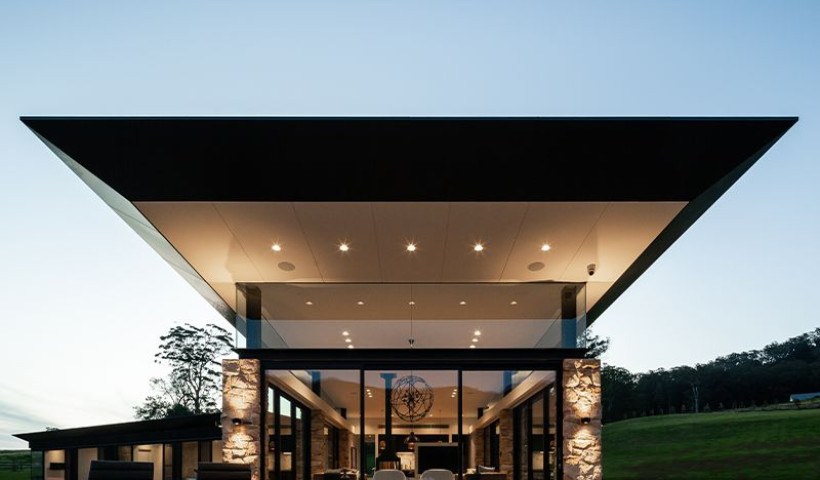
An example of embodied carbon reduction is the Cheops Apartments, where a former office building was transformed into 7 Homestar-rated apartments using Technoform thermal isolator clips and a thermally broken aluminium window suite incorporating Technoform thermal breaks (Technoform, 2025) (Image 1).
While operational energy remains important, embodied carbon considers emissions associated with raw material extraction, manufacturing, transport, installation, and end-of-life processing. Both are becoming part of the sustainability conversation.
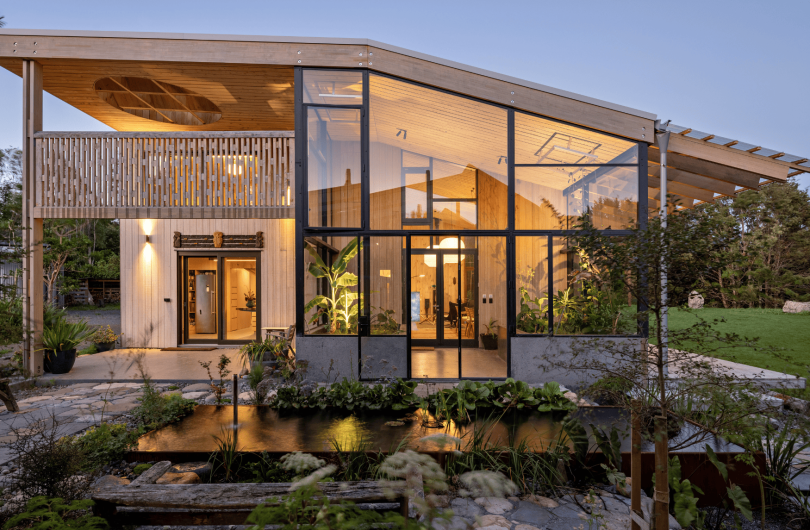
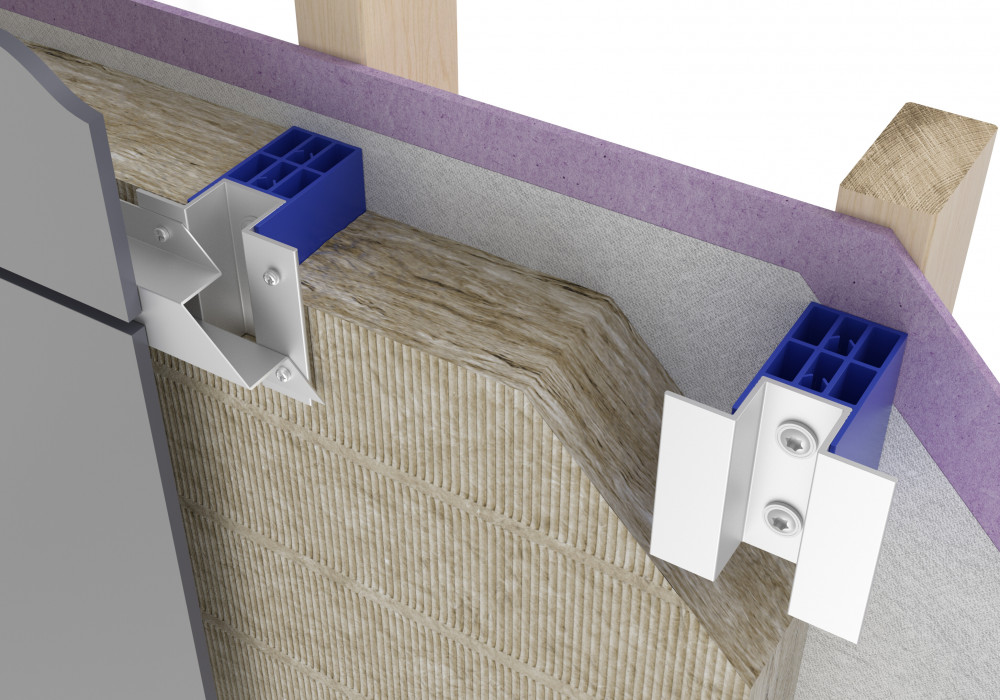
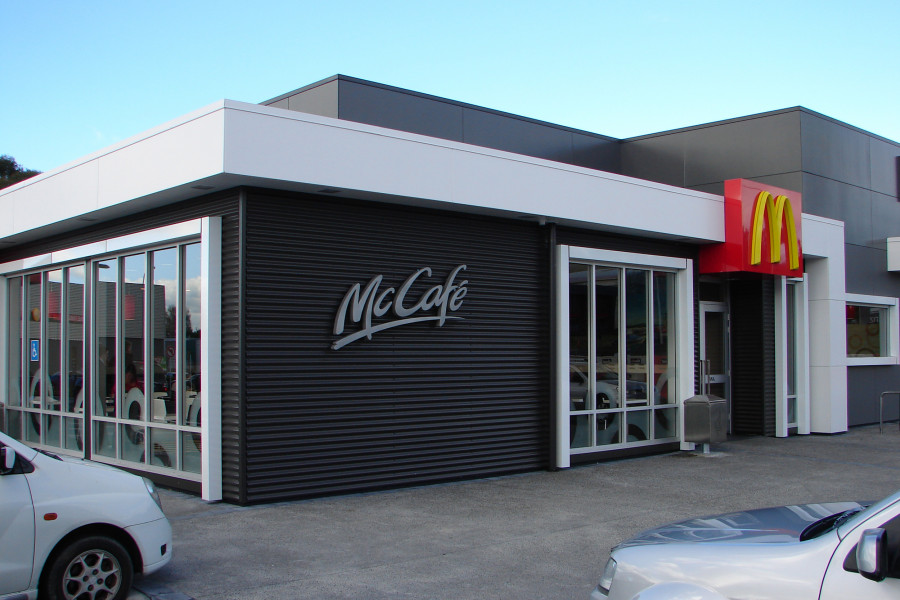
Additionally, Union Square incorporated Technoform’s thermal isolator clip for improved long term energy efficiency (Image 2).
What can fenestration teach us about carbon?
A higher-performing window system does not automatically deliver the lowest embodied carbon outcome. Manufacturing location, transport distances, packaging, and freight methods can all significantly influence upfront emissions.
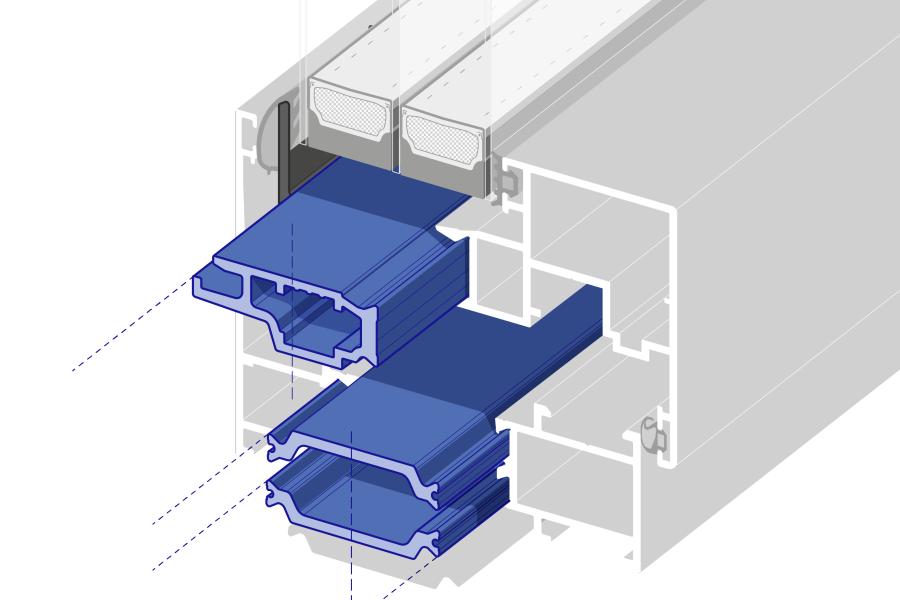
Technoform's research comparing thermally broken aluminium and uPVC systems supplied from New Zealand, China, and Germany found that locally manufactured thermally broken aluminium systems produced using New Zealand-smelted aluminium delivered lower upfront carbon emissions than several imported alternatives (Technoform, 2023).
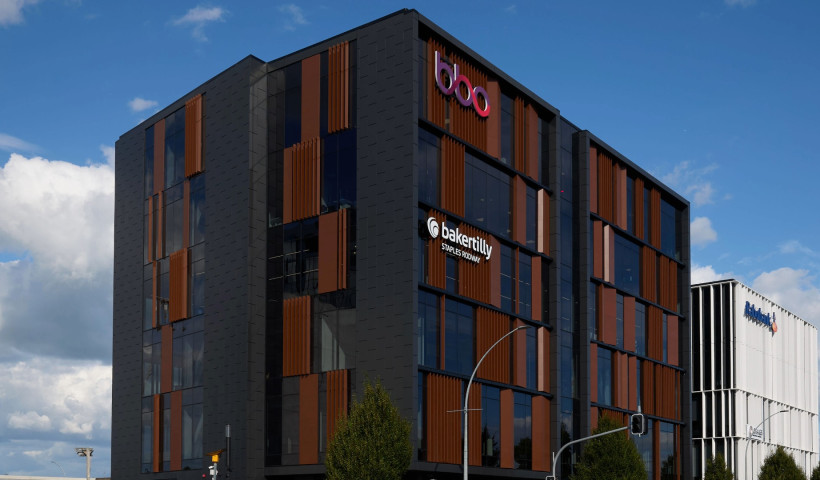
For an island nation such as New Zealand, freight and logistics can represent a significant component of embodied carbon, particularly when materials or finished systems travel long distances through international supply chains via international shipping via sea or air, then truck transport across land (Image 3).
Why better data matters
As embodied carbon becomes a more important design consideration, designers increasingly rely on Environmental Product Declarations (EPDs) and Life Cycle Assessments (LCAs) to compare products and make informed decisions.
APL Window Solutions has developed EPDs for a range of systems incorporating Technoform's PA66 GF25 thermal break, providing independently verified environmental data to support whole-of-life carbon assessment (APL, 2023).
Small changes can make a difference
The Government's emissions reduction programme also recognises the importance of waste minimisation, material reuse, recycling, and the transition towards a more circular construction economy. As the industry explores new ways to reduce waste and recover value from building materials, every part of the supply chain has a role to play.
While thermal breaks are only a small component of a window system, Technoform believes meaningful environmental improvements come from many small changes across the supply chain.
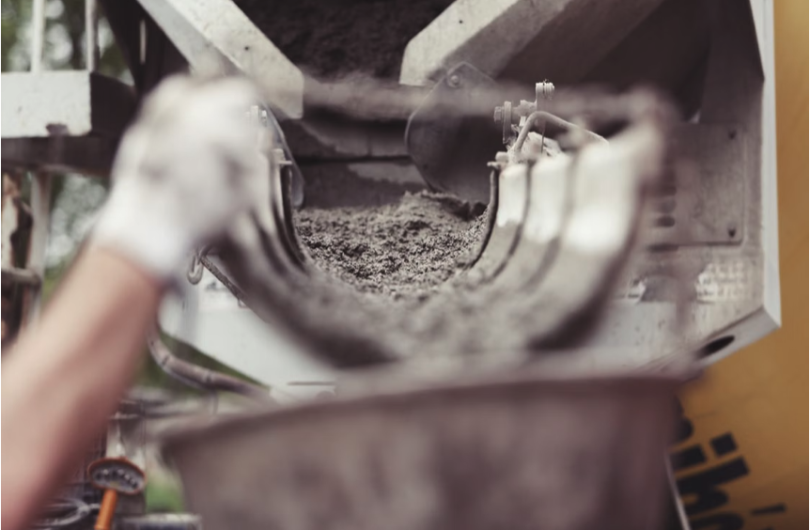
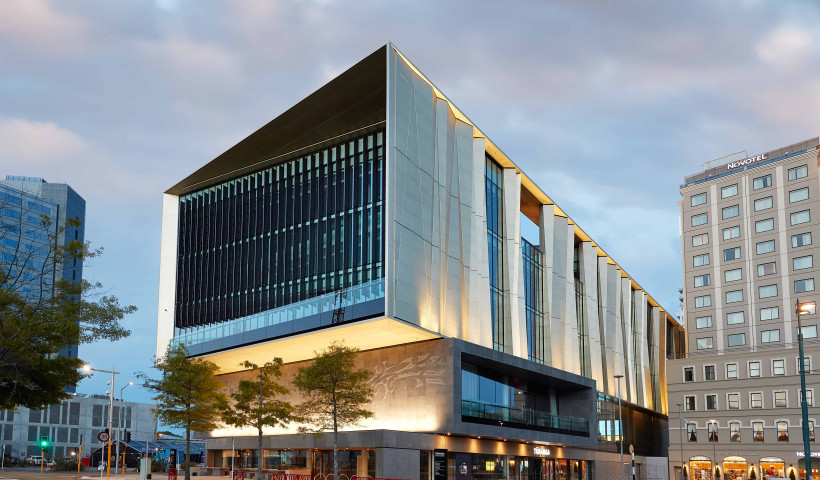
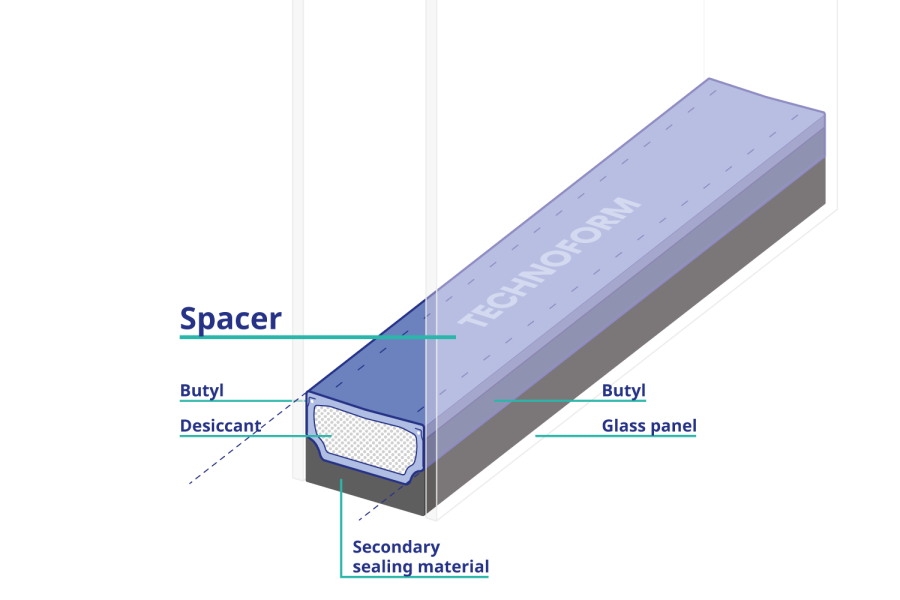
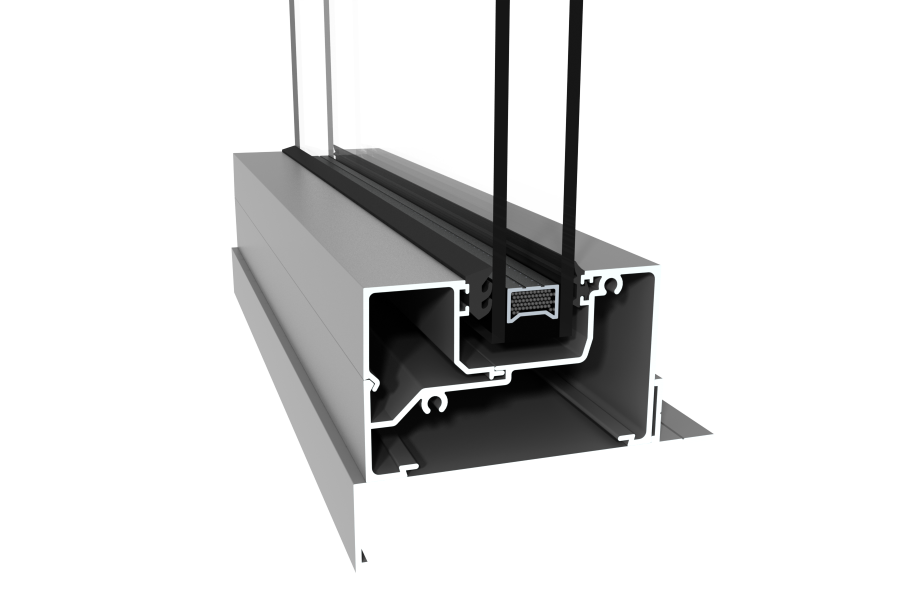
Technoform are currently exploring an offcut take-back programme to recover polyamide thermal break waste generated during assembly and investigate opportunities for reuse (Image 4). It is a small initiative that supports broader industry goals around waste reduction and resource efficiency.
There is no single product that will solve the construction industry's carbon challenge. Meaningful emissions reductions will come from thousands of better-informed decisions across design, manufacturing, and construction. Improving carbon data, assessment methodologies, and material transparency will help the industry make those decisions with greater confidence.
Every specification, every material choice, and every design decision has a carbon consequence. Understanding those impacts is the first step towards creating buildings that are compliant, thermally efficient and genuinely lower carbon.
Because the buildings of tomorrow with their whole-of-life carbon lifecycle starts with better design decisions made today.
References:
APL. 2023. Environmental Product Declaration for Residential Windows.
Chow Hill. 2024. Building E, Union Square.
MBIE. 2026. Emissions Reduction Plan released by Government.
Technoform. 2023. Upfront Carbon Footprint Analysis of New Zealand Fenestration Systems.
Technoform. 2025. From Office Block to 7 Homestar Living: A Glimpse into High-Performance Facades.
 Popular Products from Technoform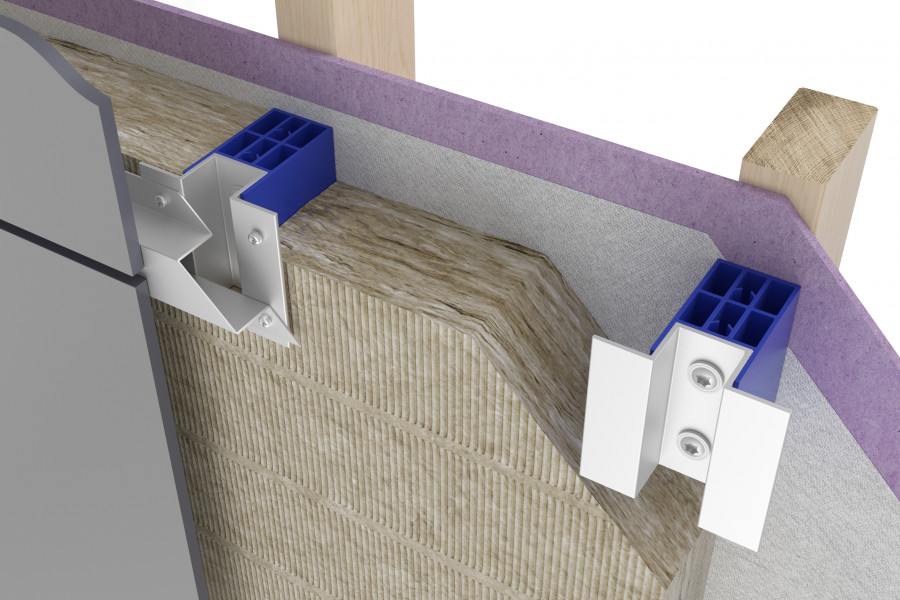
 Most Popular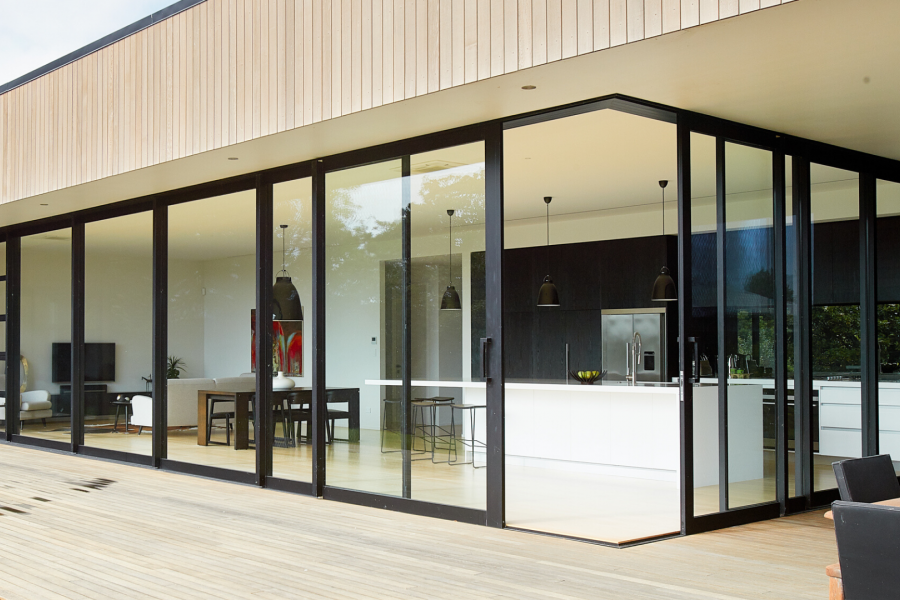
 Popular Blog Posts