 VANTAGE Windows & Doors
 Roofing Industries
 ALTHERM Window Systems
 Dimond Roofing
 Juralco Aluminium
 SPAX
SPAX



 Prolam
 Case Studies
 PGH Bricks
 Metwood





 Technoform




The conversation around compliance in the window and façade industry often focuses on imported products. Recent testing in Australia found that seven out of eight imported window samples failed to meet minimum residential performance requirements, highlighting concerns about some products entering the market.
However, reducing the compliance discussion to what is often called “cheap imports” misses the bigger issue.
Compliance is not determined by where a product is manufactured. High-quality, well-engineered window and façade systems are imported into New Zealand every day and perform successfully. Equally, locally manufactured products can create compliance risks if they are incorrectly specified, inadequately tested, or differ from the system that was originally assessed.
The real question our industry should be asking is:
Does the available evidence prove that the product being installed is suitable for the project conditions in which it will be used?
A window system may have been tested successfully in a low wind zone application, but that does not automatically make it suitable for a highly exposed coastal site, a high-rise tower, or a building with significantly different dimensions or loading conditions.
A test report proves the performance of a tested specimen under specific conditions. It does not provide unlimited approval for every variation, location, or project circumstance.
As the recent MBIE Building Performance Alert highlighted, test reports must be complete, attributable to the product being specified, and demonstrate compliance relevant to New Zealand conditions, particularly around wind resistance, weathertightness and thermal performance.
This is where traceability becomes critical.
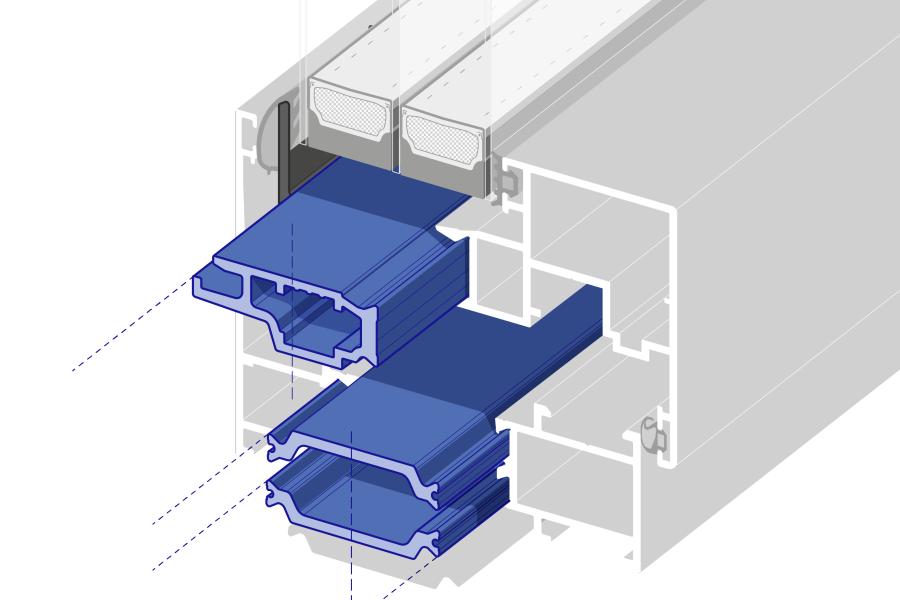
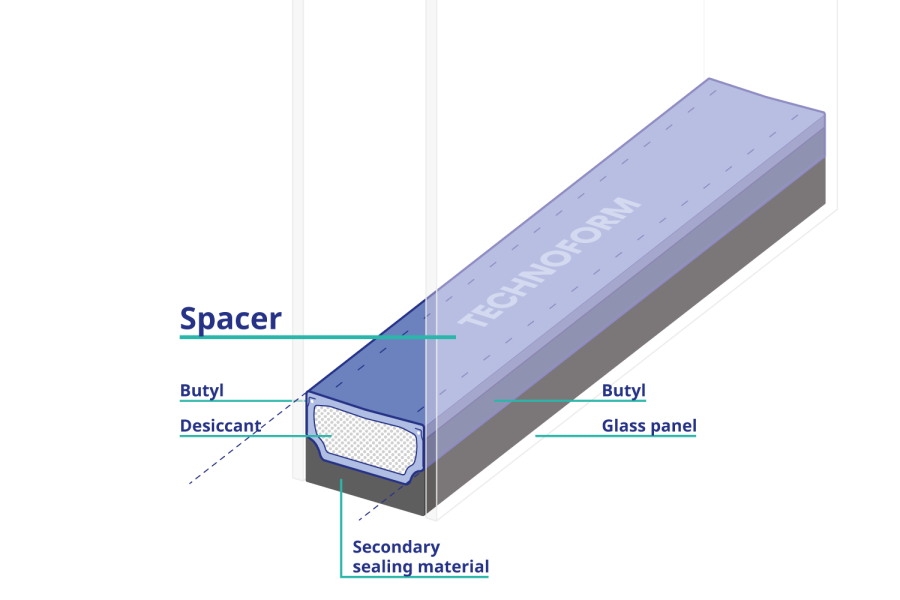
At Technoform, our polyamide thermal break materials are batch tested, quality controlled, and laser marked to provide full traceability back to manufacturing records and supporting test data. The laser marking allows the installed material to be identified and verified onsite, creating a direct link between specification, testing, manufacture and installation.
That traceability recently proved its value.
A project submitted test documentation that specifically identified Technoform thermal breaks as part of the tested window system. However, when the product arrived onsite, the thermal breaks installed within the frames were not Technoform.
The substitution was only identified because the façade engineer was familiar with Technoform’s laser markings and recognised that they were absent. This substitution matters because Technoform materials are batch tested, traceable, and validated to EN 14024 requirements, providing confidence that the product specified is the product delivered.
If a substitution can occur with a visible, traceable component such as a thermal break, what other substitutions may occur within a building envelope without being detected? More importantly, whose responsibility is it to verify that the tested system matches the supplied system?
Compliance is a shared responsibility. Designers, suppliers, contractors and regulators all play a role in ensuring the product tested, specified and installed remains the same.
As buildings become more complex and performance expectations continue to rise, compliance must move beyond assumptions.
Compliance is not about where a product comes from. It is about proving that the tested product, the supplied product and the installed product are the same; and that the system remains suitable for the conditions in which it will be used.
The New Zealand leaky building crisis demonstrated what happens when verification breaks down and responsibility becomes fragmented across the supply chain. Failures rarely occurred because of a single product or decision; they emerged when assumptions replaced verification and multiple safeguards failed.
The lesson remains relevant today. Compliance documentation should not be accepted at face value. Test reports should be cross-checked against product markings, material traceability, site exposure conditions and the products delivered to site.
Architects, designers, engineers, contractors, suppliers and regulators all have a role to play in maintaining that chain of evidence.
If we learned anything from the leaky building crisis, it is that compliance is not a document, it is a process of verification.
When we stop checking, we start assuming.
Compliance Checklist:
Before relying on a test report, check:
- Was the product tested to the relevant standard?
- Does the tested specimen match the product being supplied?
- Is the tested performance suitable for the project's wind zone, exposure and building conditions?
- Can the installed product be traced back to the reported test evidence?
A test report proves what was tested. Compliance requires proving that the same product was supplied and installed.
References:
Ministry of Business, Innovation and Employment (MBIE). (2026). Building Performance Alert: Potential issue regarding imported aluminium windows and doors. MBIE Building Performance Team.
Window & Glass Association of New Zealand (WGANZ). (2026). Calls for urgent ministerial intervention after concerns raised by MBIE over non-compliant windows and doors. Media Release, June 2026.
European Committee for Standardization (CEN). EN 14024: Metal profiles with thermal barrier – Mechanical performance requirements, proof tests and evaluation methods. (Referenced through Technoform testing and quality assurance procedures.)
New Zealand Government. Report of the Overview Group on the Weathertightness of Buildings (Hunn Report). Wellington, 2002. (Referenced as background to lessons learned from the leaky building crisis regarding industry-wide systems failure, fragmented responsibility, and insufficient verification.)
Department of Building and Housing. Building the Future: The Weathertight Homes Resolution Service and Weathertightness Investigations. (Background reference regarding causes and lessons arising from New Zealand's leaky building crisis.)


 Popular Products from Technoform
 Most Popular
 Popular Blog Posts