 VANTAGE Windows & Doors
 Roofing Industries
 ALTHERM Window Systems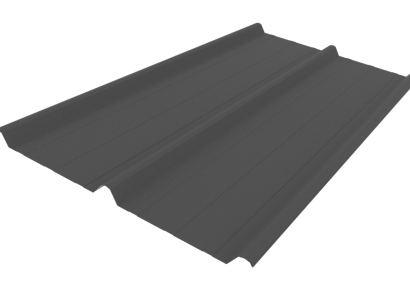
 Dimond Roofing
 Juralco Aluminium
 SPAX
SPAX


 Prolam
 Case Studies
 PGH Bricks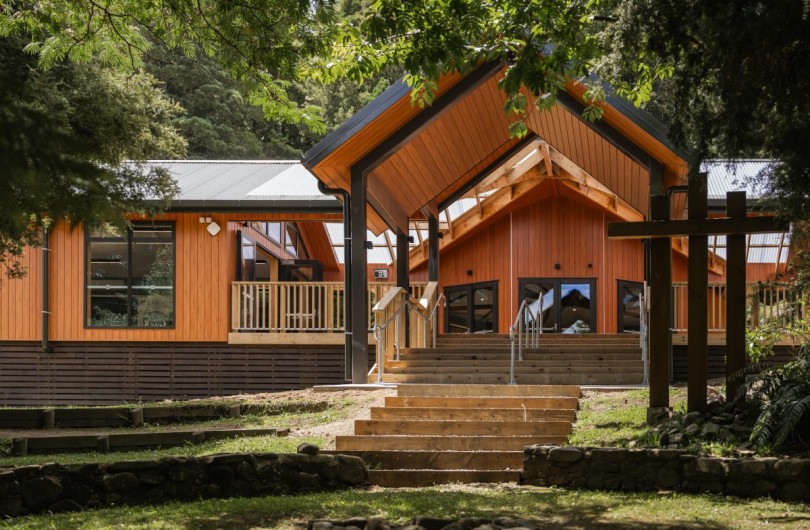
 Metwood




 DriSpace





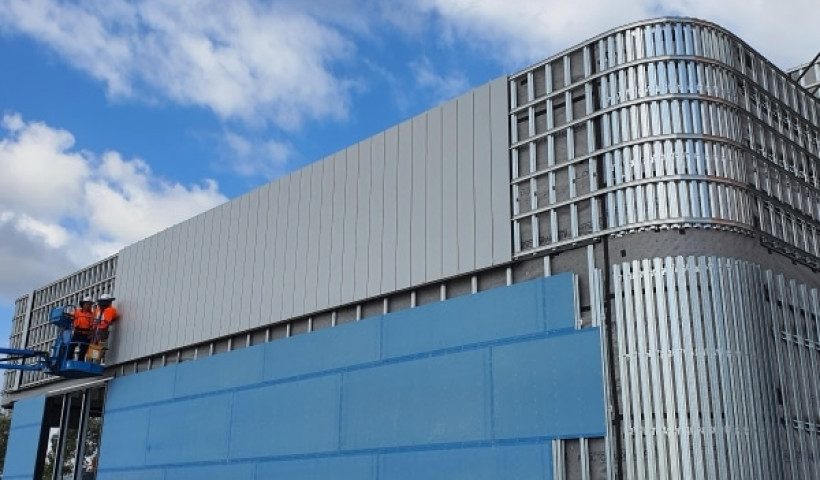
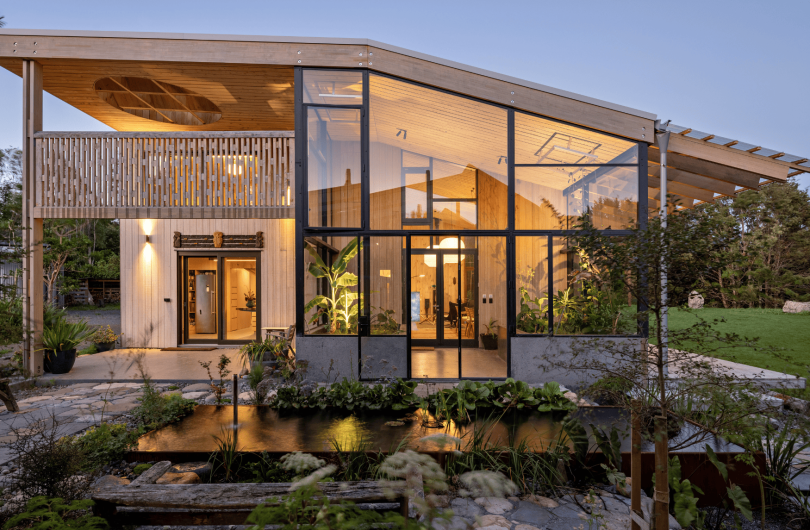
Lower pitch roofs continue to appear across New Zealand projects, from modern residential builds to commercial spaces, favouring clean, minimal rooflines. But as pitches drop, the roof cavity becomes tighter, and the risk of moisture build-up increases. In today’s highly insulated buildings, this can create conditions where condensation forms faster than it can escape — especially in skillion roof designs.
Why low pitch roofs need extra care
Low pitch roofs have limited natural convection. Warm indoor air can migrate upward, meet cold roofing surfaces, and condense. Without a clear ventilation path, that moisture can remain trapped against underlays, insulation, or structural elements.
Common issues include:
- Slow drying due to restricted airflow
- Dewpoint forming on the underside of underlay
- Underlays staying damp for longer
- Increased risk of mould, corrosion, and durability concerns
A ventilated roof assembly helps manage these risks by providing a controlled path for moisture to escape.
A systems approach from eaves to ridge
DriSpace skillion roof systems introduce continuous airflow from the eaves through to the ridge, ensuring the roof cavity can breathe even when space is limited.
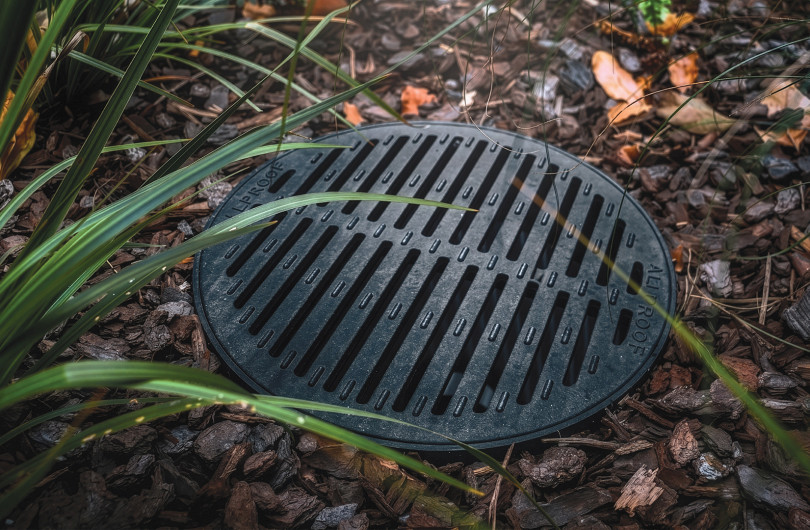
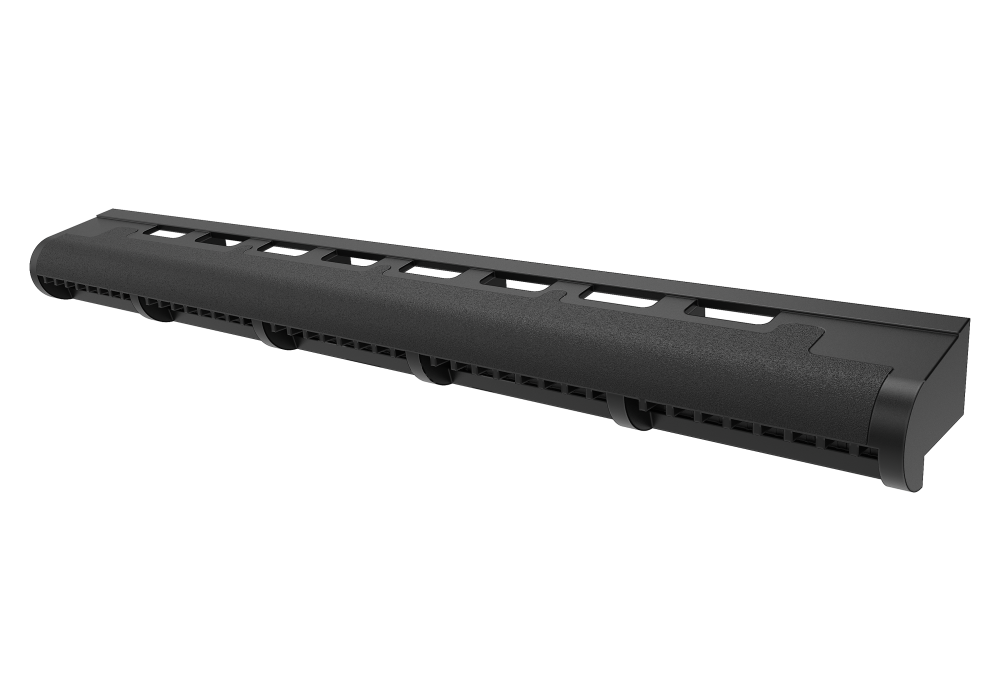
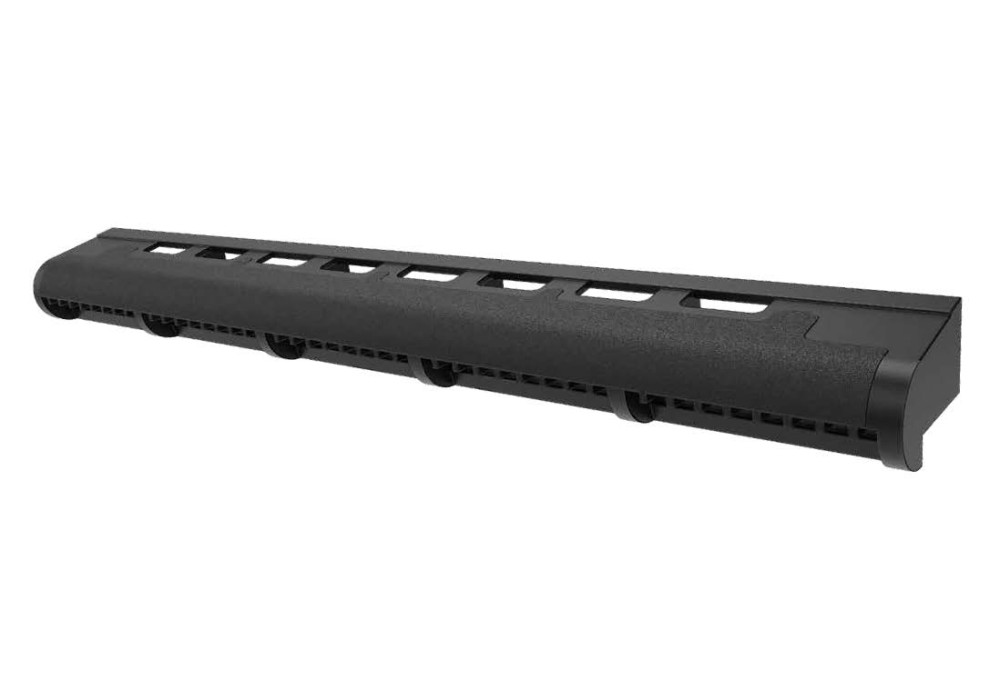
- G2500N OverFascia Vent: At the eaves, the G2500N provides a discreet, consistent air inlet. This ensures fresh air can enter the roof cavity without compromising weathertightness or design intent at 25000M2 LM.
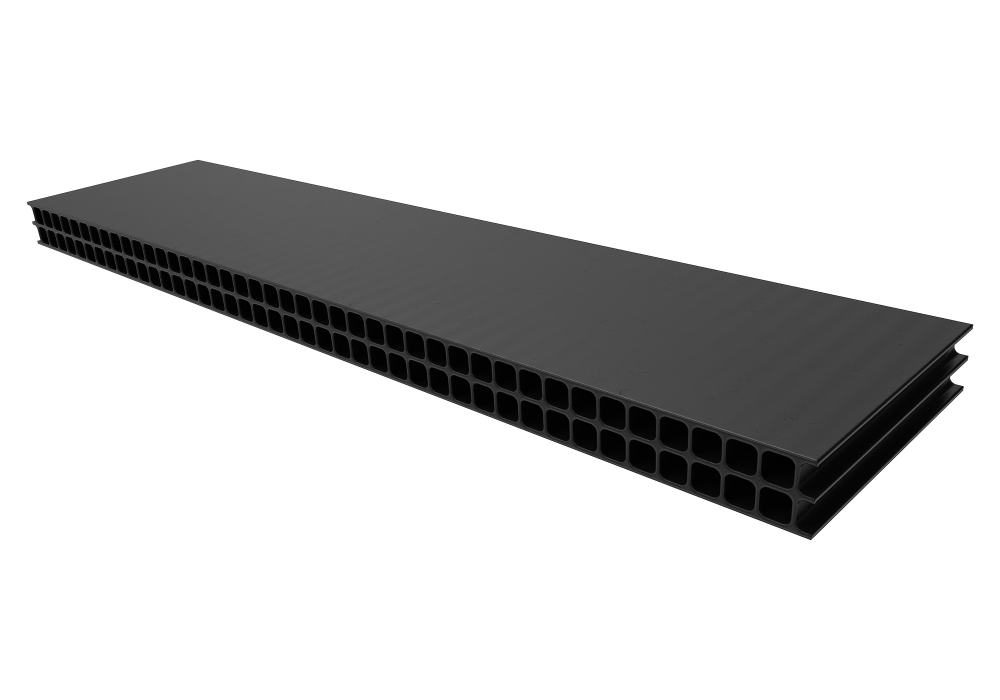
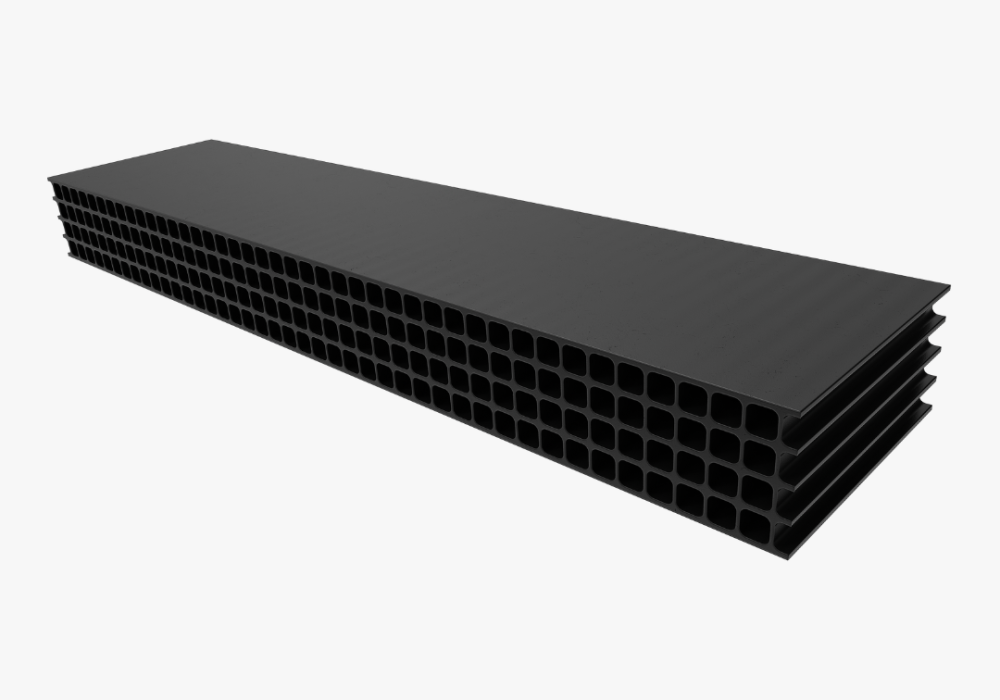
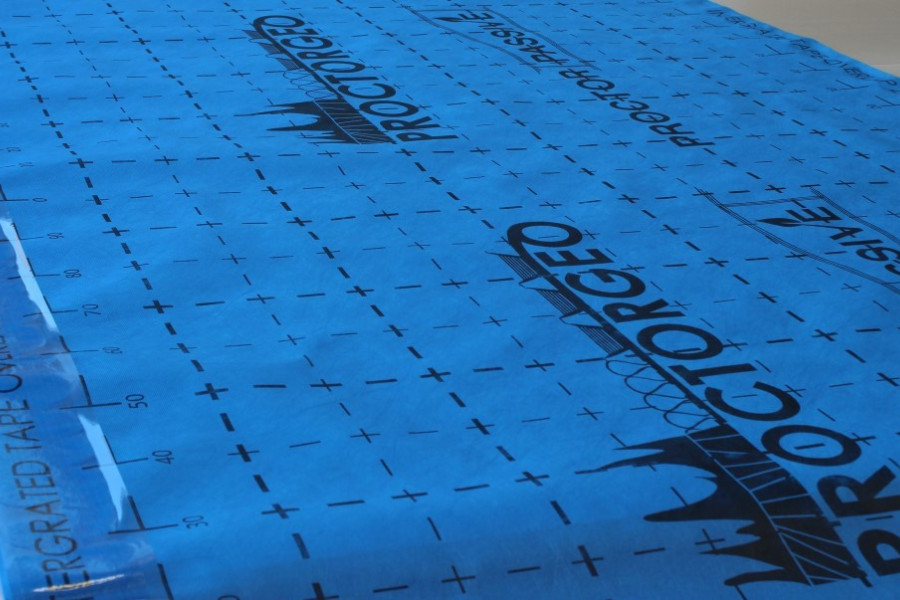
- VB10 Ventilation & Drainage Batten: For steel longrun roofs because of surface contact areas, condensation can form on the underside of the underlay. VB10 creates a 10mm separation ventilation and drainage path above the underlay, helping shift the dew point away from the roofing and promoting airflow across the underlay surface.
- VB20 Vented Batten: Provides continuous airflow behind cladding/roof cavities (skillion roofs), protecting against moisture, mould, and structural damage while supporting long-term building health.
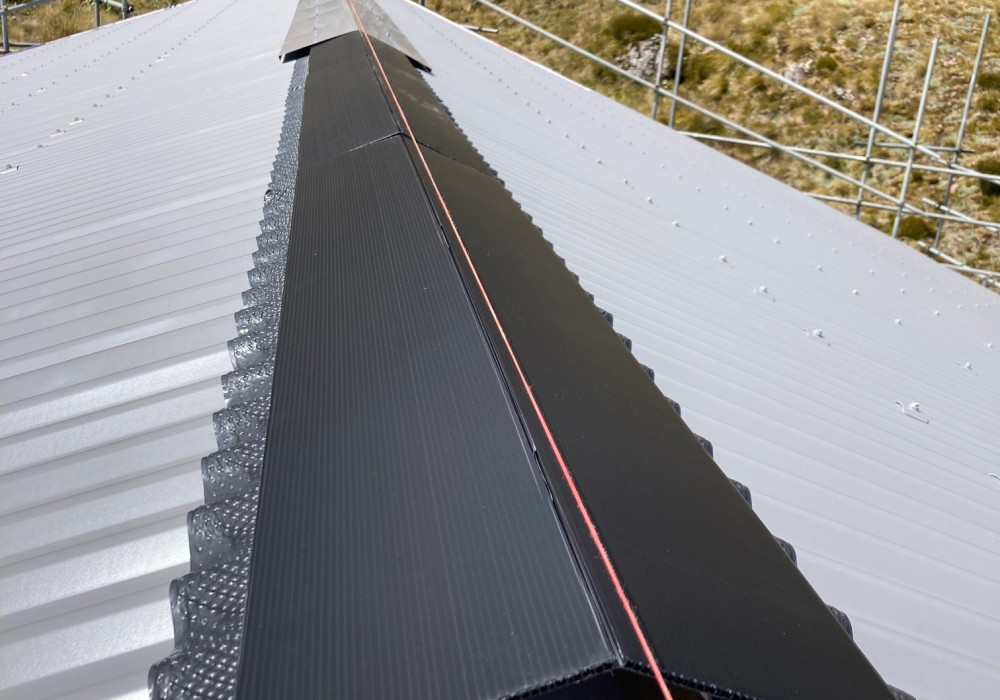
- RV10 Ridge Vent: At the ridge, the RV10 allows warm, moisture-laden air to escape. Completing the ventilation cycle, ensuring continuous airflow from entry to exit.
Supporting better building outcomes
DriSpace systems integrate with common roofing materials and are backed by a condensation liability warranty. For architects and designers, this provides confidence that low pitch roofs can meet both aesthetic goals and performance expectations.
As low pitch roofs continue to shape New Zealand’s building environment, thoughtful ventilation is essential. A well-designed airflow pathway isn’t just a technical detail; it’s a key part of ensuring longterm durability and indoor comfort.
 Popular Products from DriSpace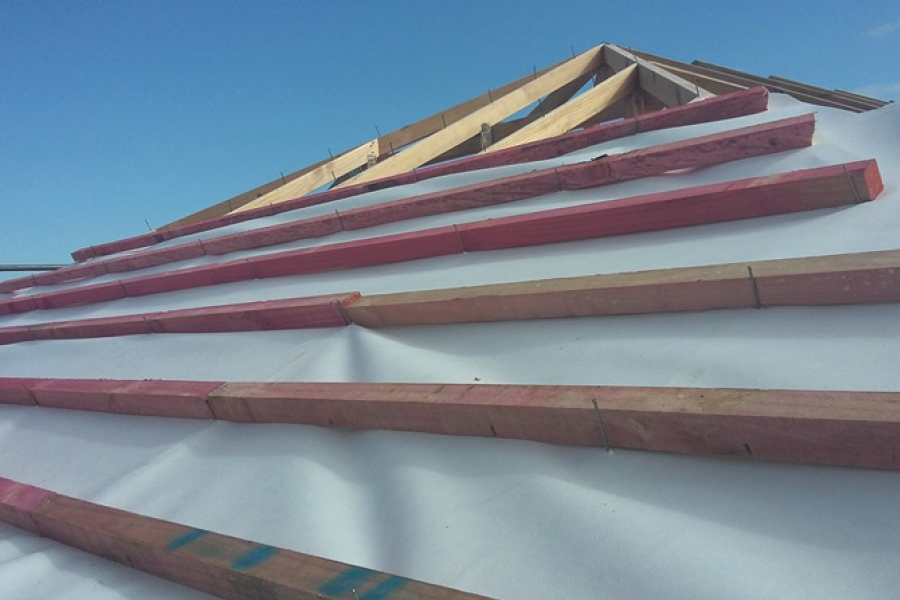
 Most Popular
 Popular Blog Posts