 VANTAGE Windows & Doors
 Roofing Industries
 ALTHERM Window Systems
 Dimond Roofing
 Juralco Aluminium
 SPAX
SPAX


 Prolam
 Case Studies
 PGH Bricks
 Metwood






 Watersmart




As many of you will know, balancing increasing urban density with stringent council infrastructure constraints is a growing challenge. Traditional assumptions around water delivery and wastewater disposal are being tested by aging networks and strict resource consent caps.
According to BRANZ, the average Kiwi discharges roughly 150 to 170 litres of recyclable greywater down the drain every single day. Safely capturing and treating this water on-site presents a significant opportunity to optimise building performance, satisfy council requirements, and maximise site yield.
A chemical-free onsite greywater recycling system
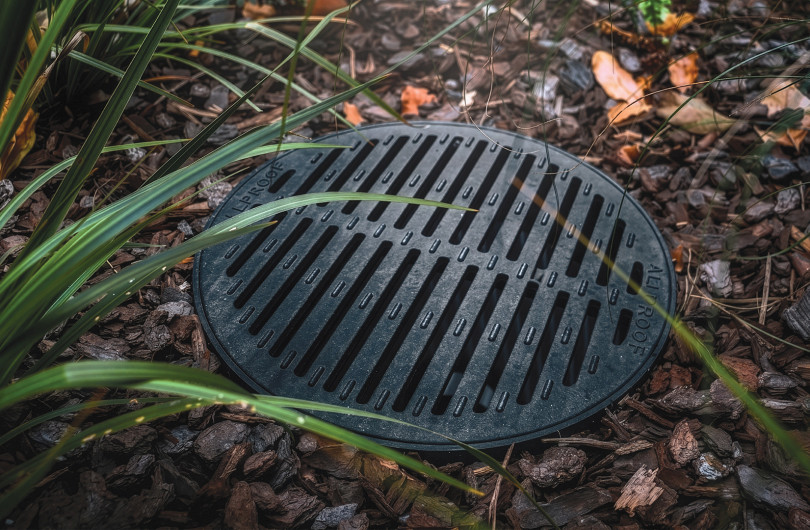
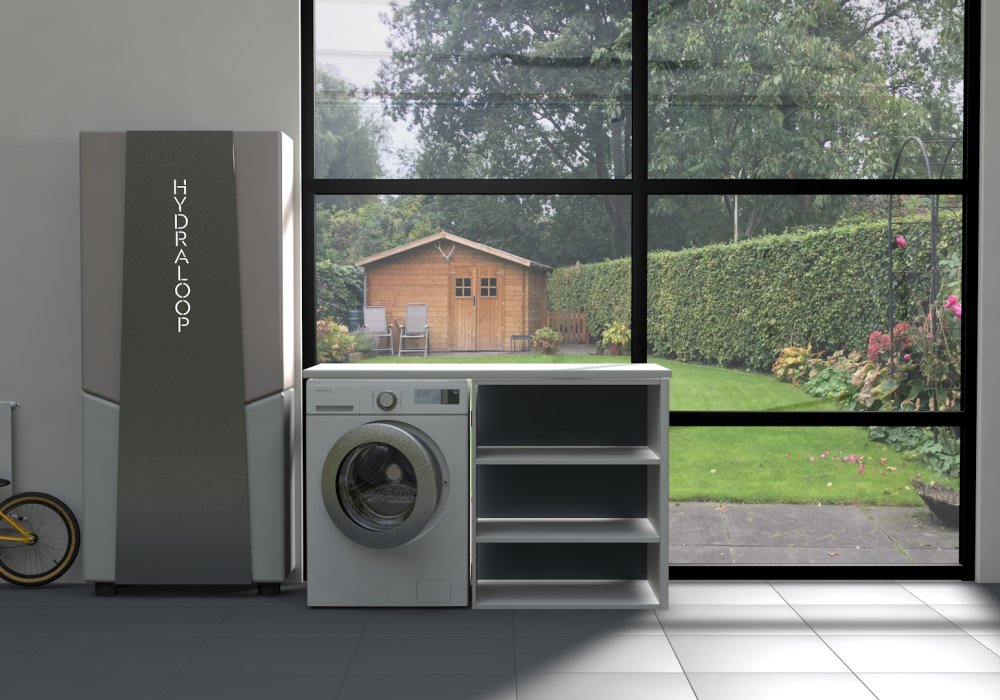
Hydraloop is a water recycling solution that captures the greywater from lightly contaminated sources such as showers, hand basins, and washing machines. Rather than discharging this directly into the public wastewater network, the system processes the water on-site without relying on heavy chemicals or consumable filters.
The greywater is processed using a unique six-stage process that combines natural physical separation, biological treatment, and UV disinfection.
The processed, non-potable water is then rerouted back into the building to flush toilets or for washing machine and outdoor fixture use.
Specifying this single intervention can reduce a project's mains water reliance by up to 45%, while simultaneously mitigating the peak and total volume of wastewater entering public infrastructure.
Overcoming wastewater caps to increase housing yield
The challenge
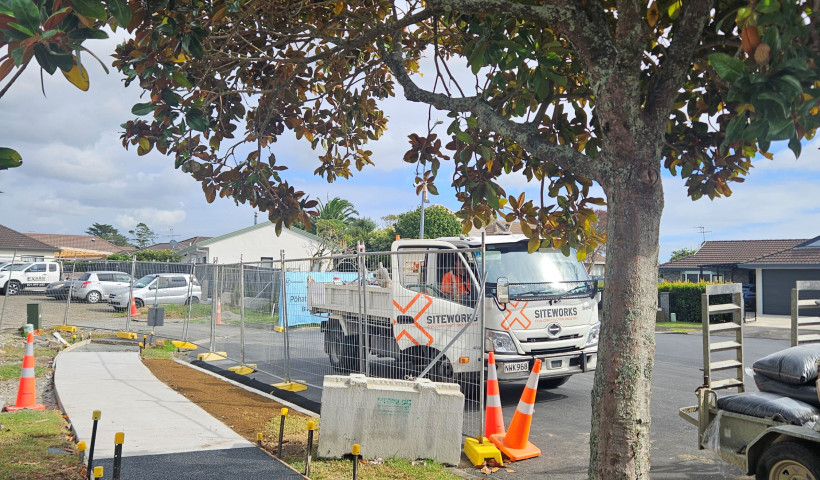
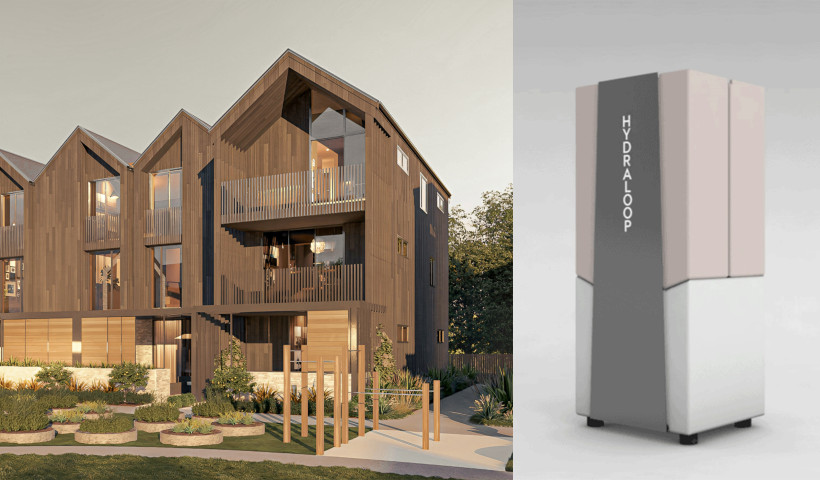
Peachgrove East is Hamilton’s first passive-house urban village. The site had an existing resource consent for 33 dwellings, with the total wastewater discharge capped strictly at 17,820 L/day.
To improve project viability, the developer sought to increase the density to 52 dwellings. Designed conventionally, a 52-dwelling layout would generate an estimated 28,080 L/day of wastewater, therefore exceeding the consented infrastructure limit by 57%.
The Council would only approve the additional 19 dwellings if the development could guarantee it would remain under the original 17,820 L/day wastewater cap. With no option for a new consent pathway or a higher discharge allowance, the engineering solution had to work within the existing limits.
The solution
Council mandated the integration of a decentralised greywater recycling system as a condition of consent, forming a unique piloted solution. It represented the only viable pathway to achieving the 52-dwelling yield.
Rather than specifying isolated residential units, the design utilises 12 × Hydraloop H600 units configured in a cascade layout, centralised within a dedicated plant room. This allows the system to dynamically share load fluctuations across the entire development.
Greywater from all 52 dwellings gravity-feeds to a central lift station, pumps through the Hydraloop treatment cascade to post treatment storage tanks, where the processed greywater is chlorinated to 2PPM. The stored chlorinated grey water is then pressurised and distributed back across the site via a non-potable reticulation network.
The recycled water is reused for toilet flushing, washing machines, hose taps, and irrigation, with any surplus going to an on-site land application field or the wastewater network, depending on the sites discharge capacity per day.
The outcome
The Peachgrove East development pilot demonstrates that smart hydraulic engineering and greywater recycling are no longer just ‘nice-to-have’ green features, but rather critical mechanisms for unlocking land value and achieving compliance.
There is not only a 58% increase in housing yield but, as shown below, a significant reduction in wastewater discharge.
| Scenario | Number of units | Persons per dwelling | Population equivalent | Wastewater (L/day) |
| Consented 33 | 33 | 2.7 | 89.1 | 17820 |
| Proposed 52 | 52 | 2.7 | 140.4 | 28080 |
| Proposed Hydroloop | 52 | 2.7 | 140.4 | 16286.4 |
A practical yet sustainable option
At what point does residential water security become standard practice in New Zealand?
By cutting mains demand and wastewater discharge, you can change the infrastructure equation, with:
- Less strain on networks
- More flexibility on density
- Climate change resilience
The Peachgrove pilot is a real demonstration of how developments can proceed while reducing wastewater and water demand on public infrastructure. The development shows how smart engineering can mitigate the presented challenge, manage the utility’s risk via centralisation of the asset, and support with a service contract to ensure the system remains operational.
The investment math is also clearly in the developer's favour when comparing the Hydraloop investment versus the developer's increased yield.
 Popular Products from Watersmart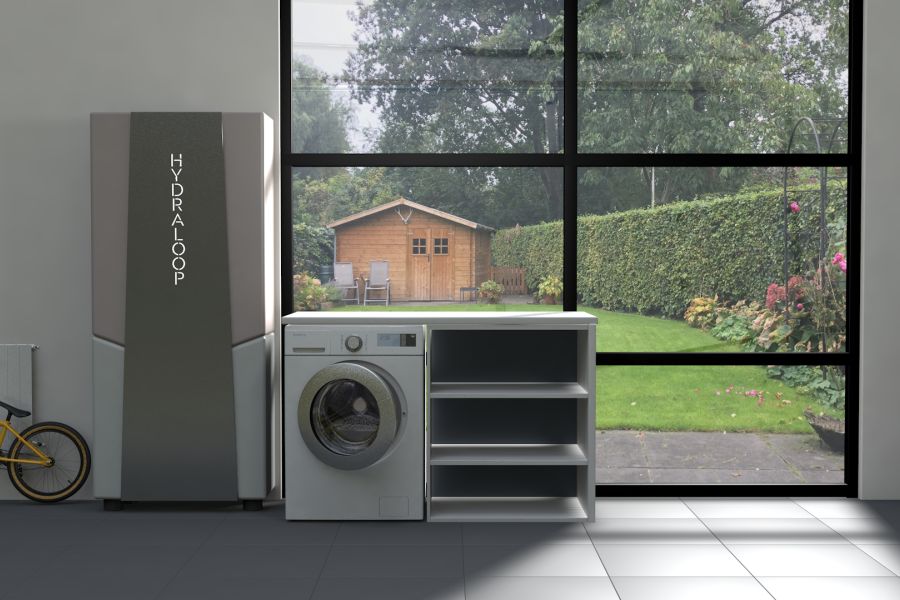
 Most Popular
 Popular Blog Posts