 VANTAGE Windows & Doors
 Roofing Industries
 ALTHERM Window Systems
 Dimond Roofing
 Juralco Aluminium
 SPAX
SPAX


 Prolam
 Case Studies
 PGH Bricks
 Metwood




 Watersmart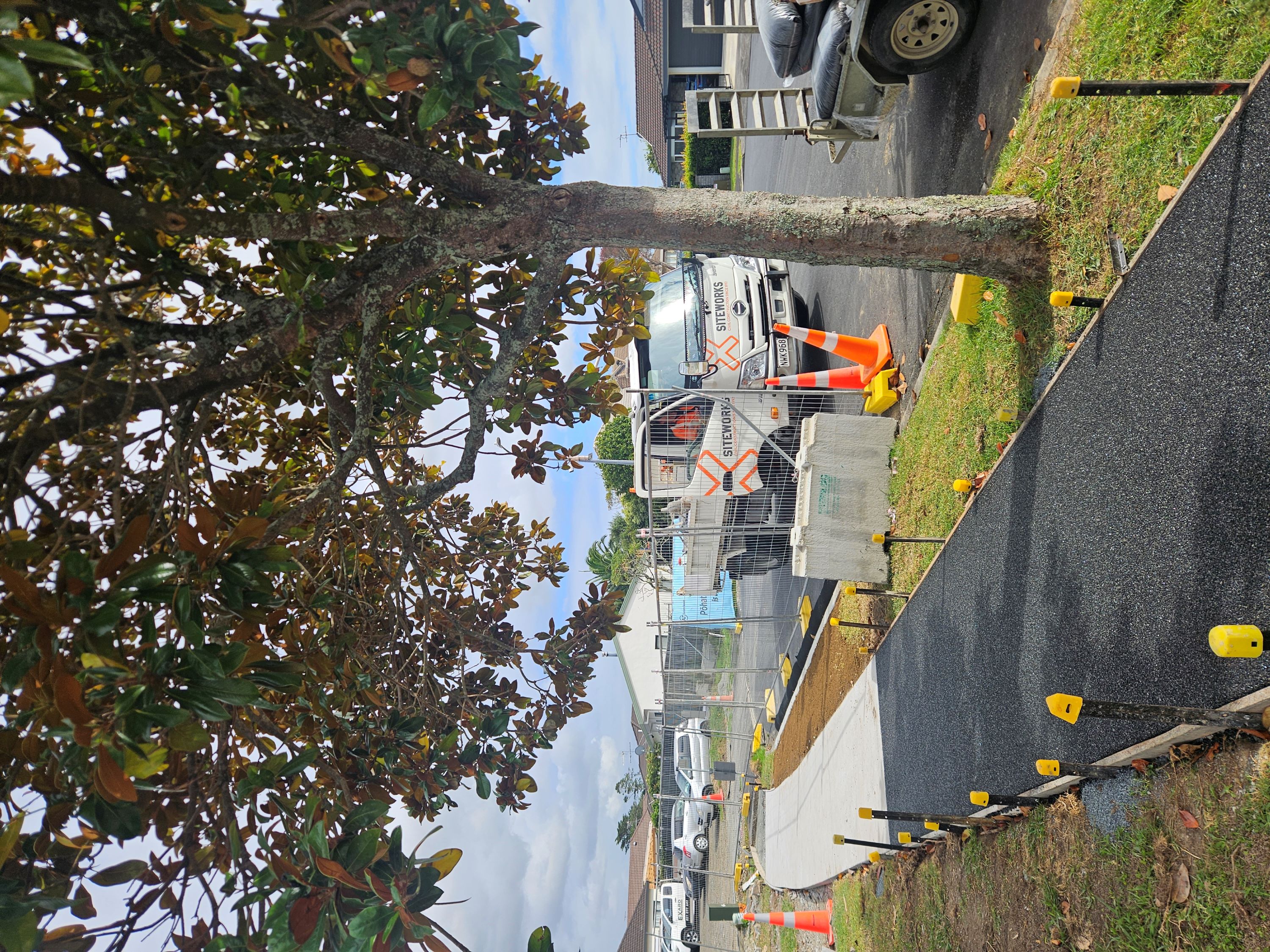

As cities face the dual challenge of climate change and rapid urbanisation, traditional paving, such as concrete and standard asphalt, are increasingly showing their limits.
They not only generate substantial carbon emissions during production, but contribute to the urban heat island effect, and exacerbate urban flooding by preventing natural water infiltration.
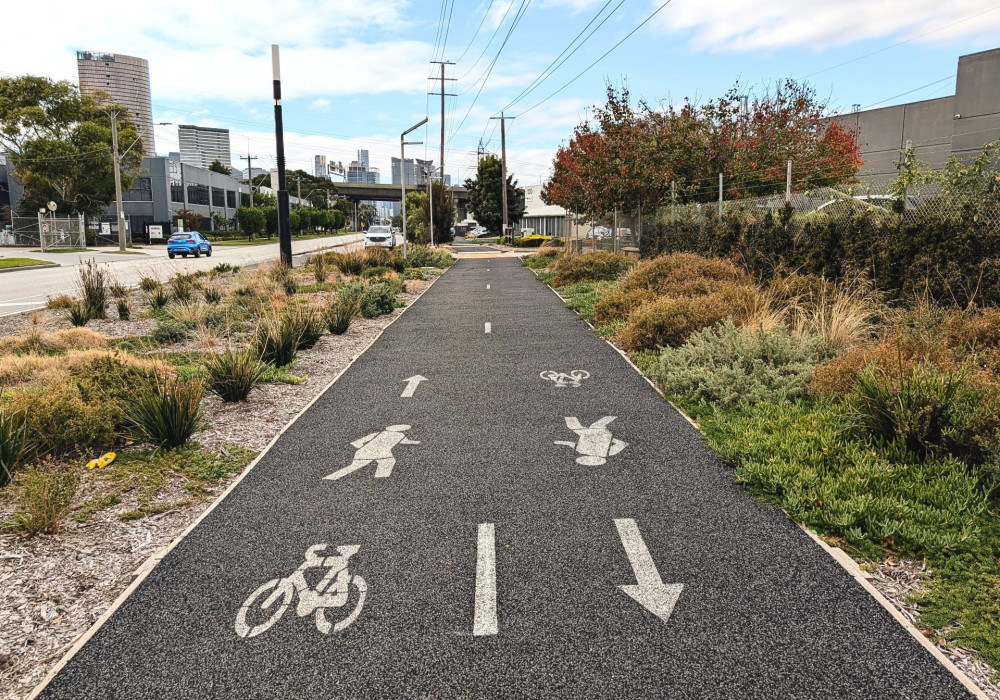
Permeable paving, such as Porous Lane, offers a sustainable alternative that transforms waste materials into high-performance civil infrastructure.
Turning tyre waste into high-performance surfaces
Used tyres are a major global waste stream, often ending up in landfills or toxic stockpiles. Porous Lane addresses this issue by incorporating up to 60% locally sourced recycled tyre material into its pavement blend.
By reintegrating this scrap rubber into long-term infrastructure, it keeps valuable materials in continuous use and therefore helps drive our circular economy.
Carrying a design life of up to 25 years, Porous Lane’s semi-flexible, crack-resistant structure also accommodates natural movement (such as tree root growth) without structural failure.
Supporting low-carbon sustainable infrastructure
Beyond material reuse, Porous Lane significantly lowers environmental impacts across urban projects through:
- Lower embodied carbon: Replacing traditional concrete kerbs, channels, or hard pavements with recycled rubber aggregate delivers a lower embodied carbon footprint compared to standard concrete production.
- Superior stormwater management: Boasting an infiltration rate of three to four cm per second (eight times higher than standard ASCE permeability benchmarks), it allows rainwater to naturally soak into the ground.
- Urban greening and heat mitigation: By naturally irrigating nearby tree root systems and green spaces, Porous Lane promotes healthy canopy growth and helps cool urban areas, fostering resilient, low-carbon urban environments.
Case study: Auckland Transport’s Eastern Busway Project
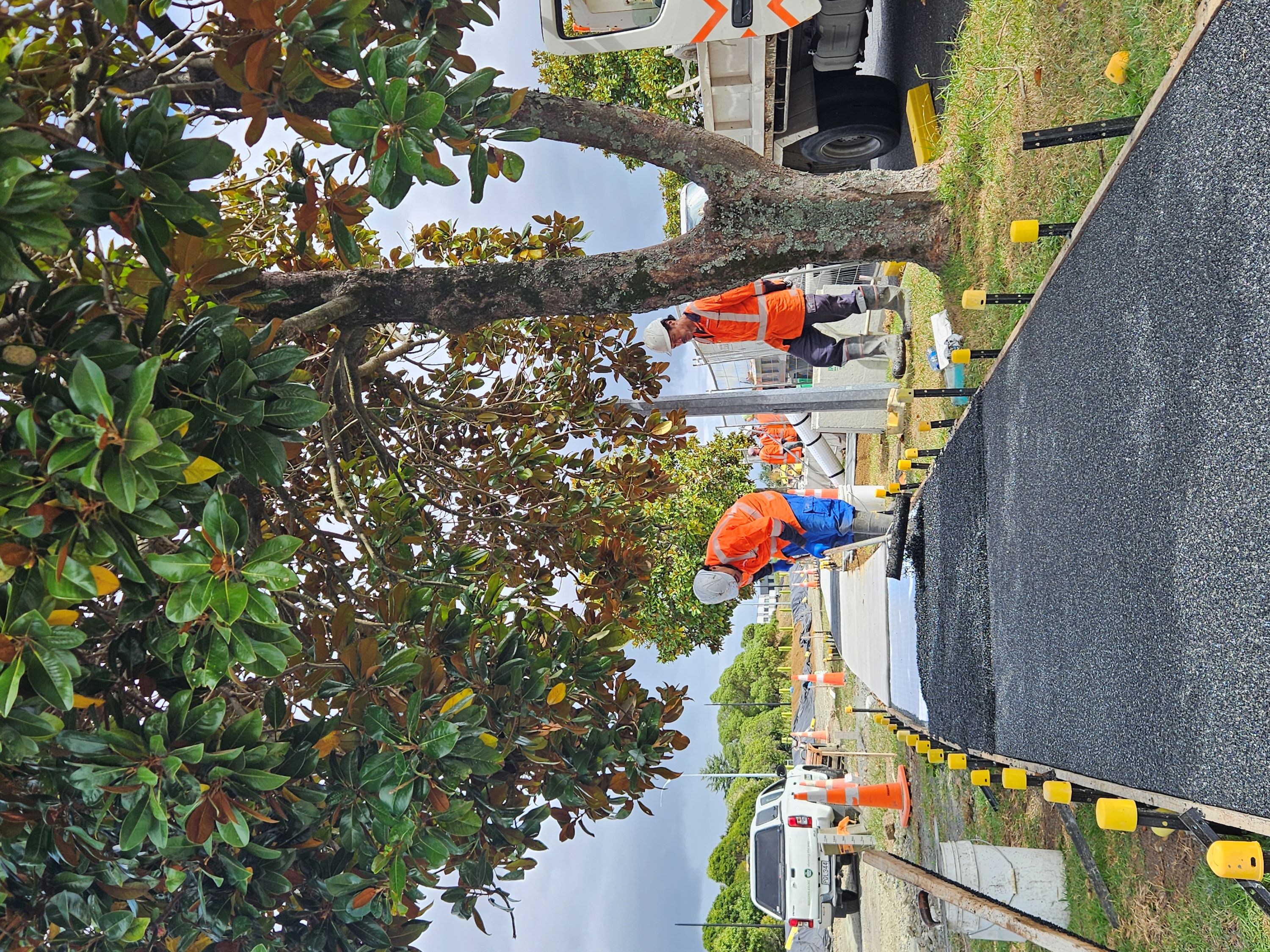
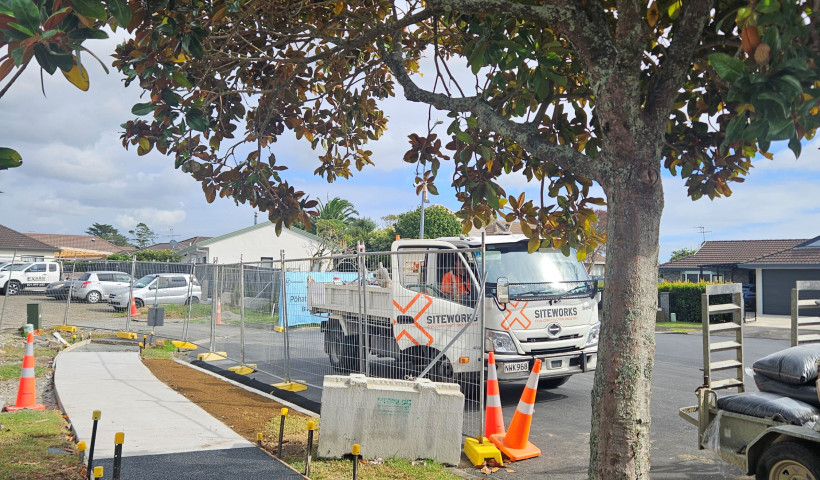
A practical application of Porous Lane's low-carbon, circular approach is seen in the Eastern Busway Project in Auckland, delivered by the Eastern Busway Alliance (Fletcher Construction, ACCIONA, AECOM, Jacobs, and Mana Whenua).
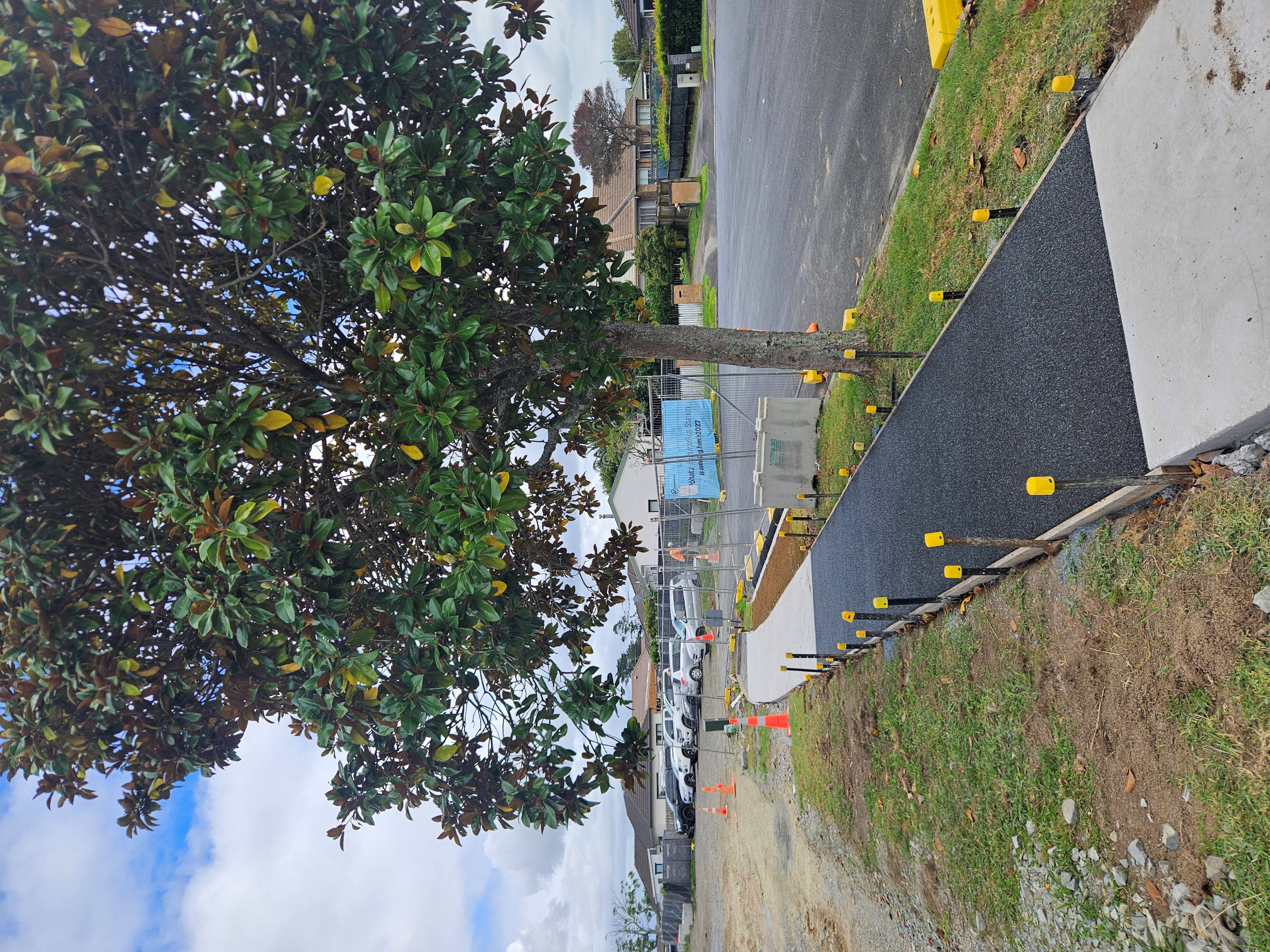
The solution was implemented to address footpath damage caused by mature magnolia trees. Because these trees feature wide-spreading, shallow roots that continually lift and crack traditional rigid concrete footpaths, the project team needed a durable alternative that would preserve the health of the trees while maintaining a safe surface for pedestrians.
Unlike rigid concrete, Porous Lane adapts to underlying root movement rather than resisting it, significantly lowering the risk of surface cracking and pavement failure. Because its permeable structure allows rainwater to infiltrate directly into the soil below, it also provides vital passive irrigation to the shallow root system.
Sustainability by the numbers
In addition to providing a durable solution to pave around the trees and providing much needed irrigation, the project has several sustainable outcomes:
- The installation diverted 500kg of waste tyres (equivalent to roughly 55 passenger car tyres) from landfills.
- According to Life Cycle Assessment analysis, Porous Lane can achieve up to a 79% reduction in carbon emissions compared to traditional concrete footpaths and a 44% reduction compared to asphalt.
- Its durability reduces replacement frequency, lowering long-term embodied carbon and maintenance costs.
The ability of Porous Lane to re-use waste materials and cut lifecycle carbon emissions proves that circular material design can deliver exceptional durability without compromising the environment.
 Popular Products from Watersmart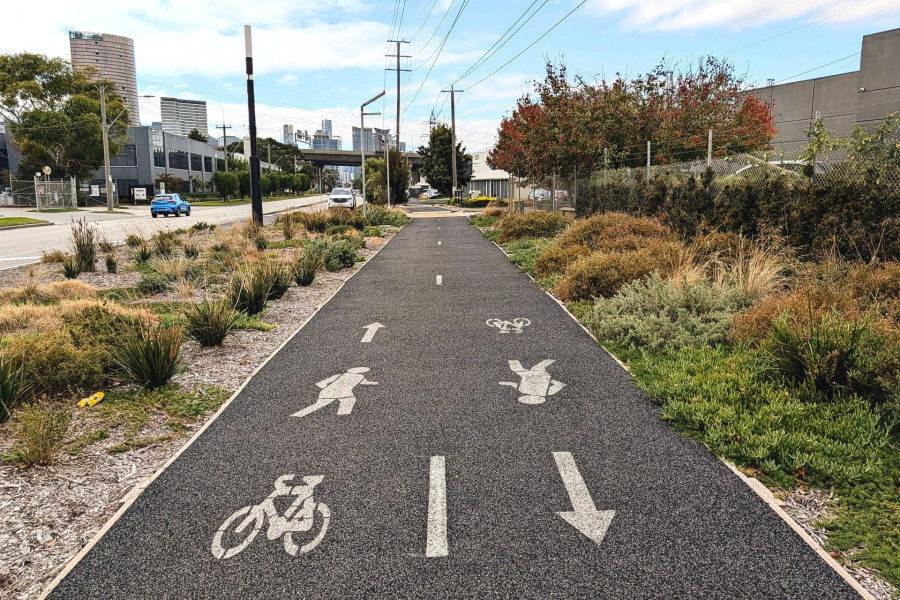
 Most Popular
 Popular Blog Posts