 VANTAGE Windows & Doors
 Roofing Industries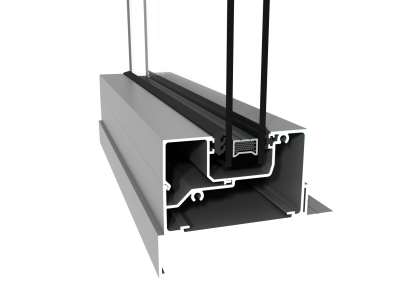
 ALTHERM Window Systems
 Dimond Roofing
 Juralco Aluminium
 SPAX
SPAX



 Prolam
 Case Studies
 PGH Bricks
 Metwood







 Technoform


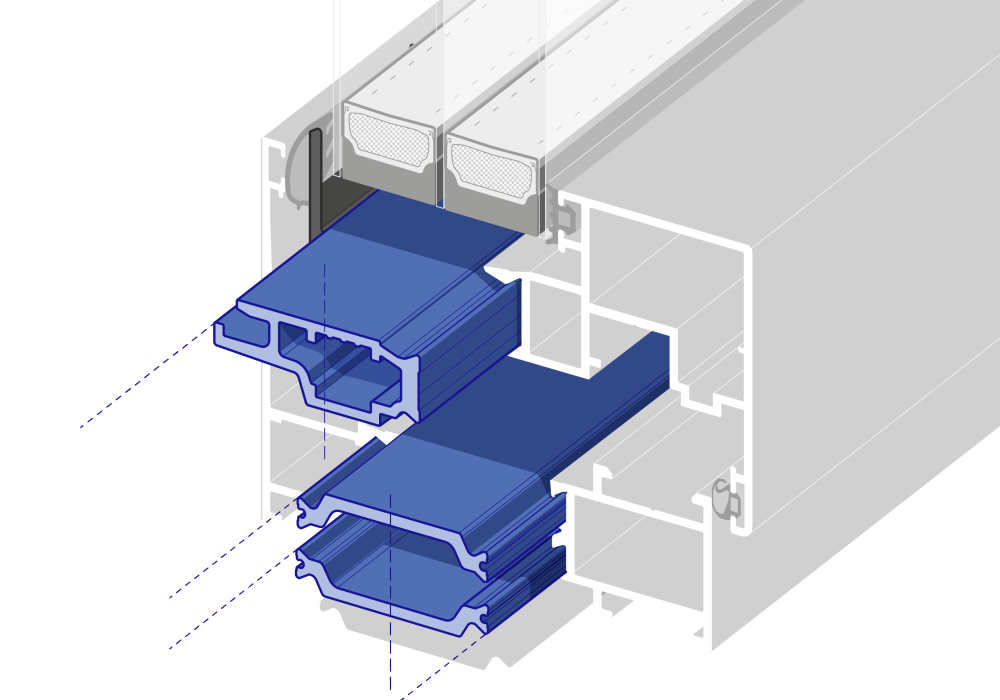


High performance buildings don’t need to come at the expense of cost, buildability, or design intent. But achieving better outcomes requires a shift away from treating façade elements in isolation and towards designing the envelope as a continuous thermal system.
As energy costs rise and Building Code H1 requirements tighten, the façade is becoming the primary driver of real building performance.
The gap between compliance and performance
In New Zealand, H1 compliance is largely delivered through component R values. While effective as a baseline, this approach evaluates walls, roofs, floors, and glazing independently.
In reality, buildings don’t perform that way.
Thermal bridging at frames, junctions, fixings and cladding penetrations disrupt continuity across the envelope. As a result, many H1 compliant buildings still experience thermal bridging at frames, junctions, and penetrations disrupts continuity across the envelope, and the impact is significant (BRANZ, 2025):
- 33% of households report dampness and 48% report mould.
- Around 1 in 5 homes are cold enough for occupants to see their breath or shiver in winter.
- 36% of monitored bedrooms met overheating criteria (>26°C at night).
- 70% of households report being too warm in summer at least some of the time.
This points to a bigger issue:
Meeting H1 compliance doesn’t necessarily mean the building is healthy or comfortable.
Moving beyond the “glass is everything” mindset
A common assumption in façade design is that glazing specifications alone determine window and door thermal performance. However, the frame and perimeter detailing often have a disproportionate impact on heat loss and gain, leading to occupant discomfort.
When thermally inefficient frames (ie, standard aluminium) are paired with high-performing glass:
- Heat loss through the frame increases
- Internal surface temperatures drop
- Occupant comfort is sacrificed
Using high performance glass with low performance frames is a common cost cutting approach, saving a few dollars, possibly meeting compliance, but leaving the owner to deal with the consequences.
The role of thermal breaks in the thermal envelope
A high-performance façade is not defined by a single product or specification. Ask 10 different people what “high performance facade” means and you will get 10 different answers.
But at its core, a high-performance facade is the result of a coordinated system that includes:
- Framing ratios and insulation
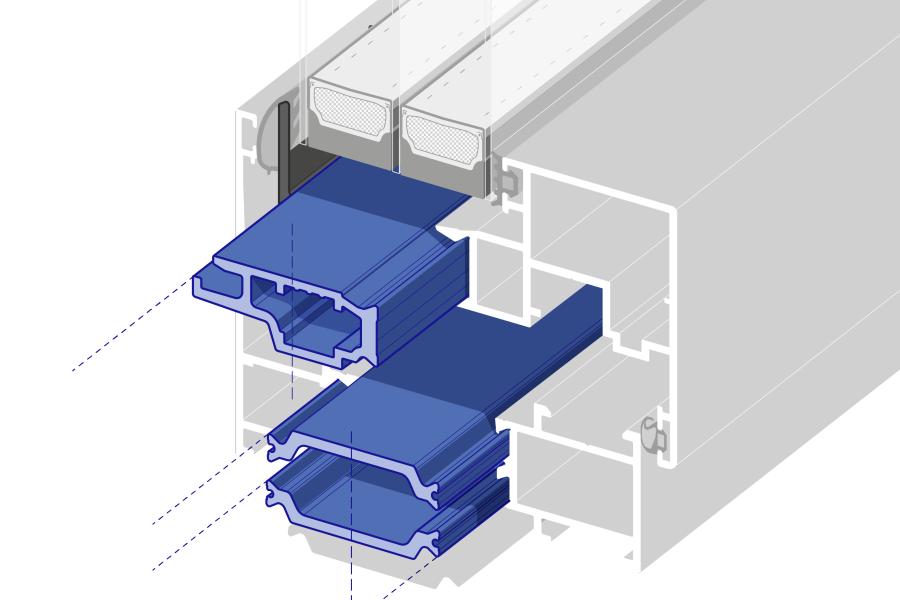
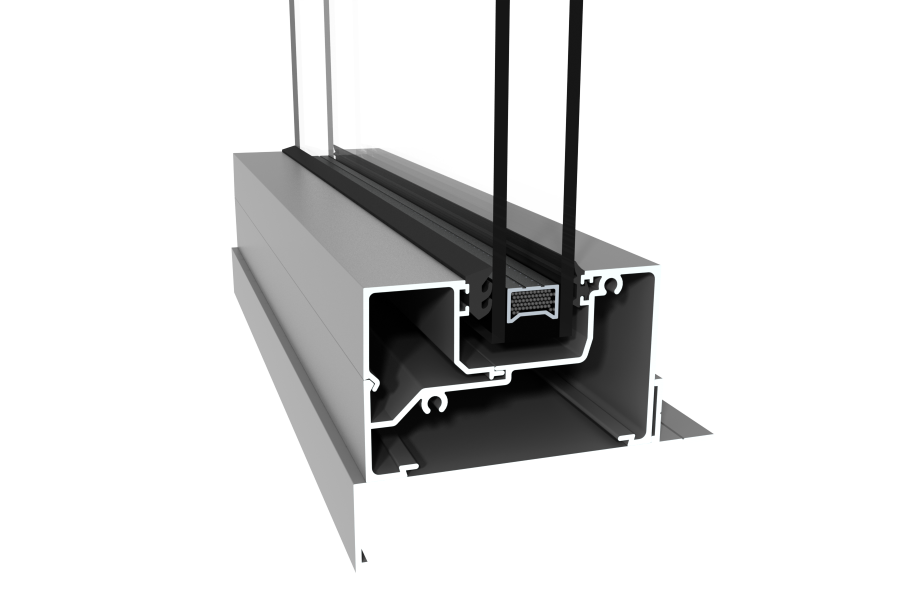
- Thermally broken frames and high performance glass
- Isolation of façade thermal bridges and fixings
- Airtightness and ventilation
When these elements are designed to work together, it is possible to achieve thermal continuity across the envelope.
A building that gets this right:
- Reduces energy demand
- Improves occupant comfort
- Reduces condensation risk
- Offering a more predictable operational performance
Why thermal continuity matters
Once insulation improves, the biggest performance gains sit at the façade and particularly at the frame and junction level. International research shows that with aluminium window systems improving frame design by incorporating thermal breaks can reduce overall window heat transfer by around 25–30% (Yang et al., 2025).
The study by Yang, et al, 2025 highlights the biggest drivers for window system performance is:
- Number of seals in the system
- Thermal break length
- Insulated cavities in the frame
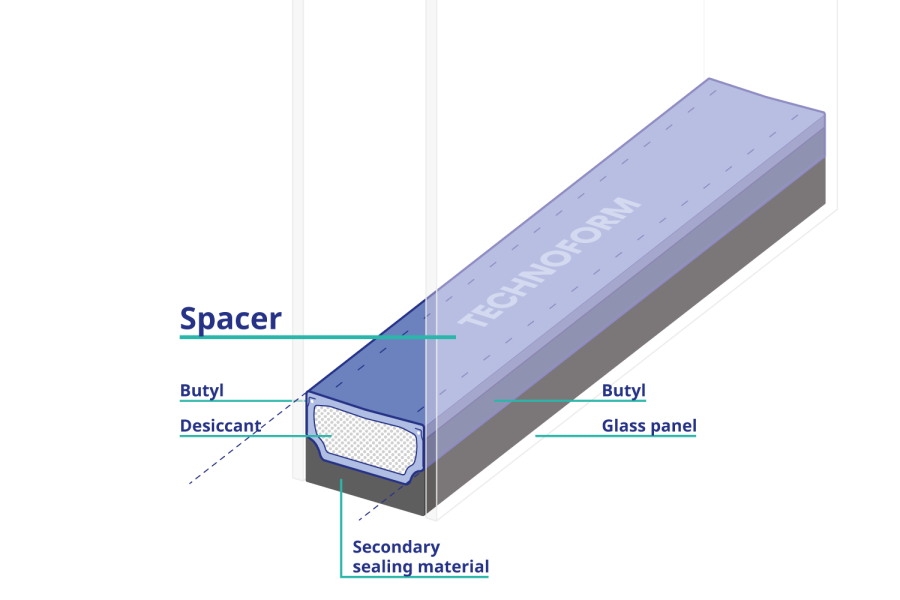
- Glazing spacer type
- Glass gas fill
As such, thermal breaks are a critical enabler in thermally controlled façade systems. While thermal breaks don’t solve building every performance issue, they are essential to reducing thermal bridging.
A necessary shift
New Zealand has made measurable progress in improving housing performance but the data shows that cold, damp, overheating and inconsistent indoor environments are still common (BRANZ, 2025).
The industry has become highly effective at delivering compliance.
The next step is delivering performance.
That shift requires:
- Designing façades as integrated thermally broken systems
- Prioritising thermal continuity
- Addressing junctions and interfaces early in design
Because ultimately, the façade is where building performance becomes real for energy use, durability, and occupant wellbeing.
Learn more through CPD training
For those looking to deepen their understanding of façade thermal performance, Technoform offers CPD sessions on window and cladding thermal breaks and how they relate to building code compliance.
This session covers:
- Understanding the basics of thermal break technology
- Defining the impact of thermal breaks on overall façade performance
- Evaluating and applying knowledge of high performance façades and their effect on building performance
- Understanding the impacts of NZBC changes on building design and applying these considerations to future projects
- Practical design considerations for improving thermal continuity
Register your interest for your tailored in practice CPD presentation -> [email protected]
References:
- BRANZ, 2025. HEEP2 – Energy use & living conditions in NZ homes. Retrieved 12 May 2026
- Yang, F., Sun, Y., Li, L., Zhang, Y., Sun, L., Wang, D., & Liu, L. (2025). Research on the factors influencing broken-bridge aluminum exterior windows with the goal of thermal performance improvement. Buildings, 15(12), 2101.

 Popular Products from Technoform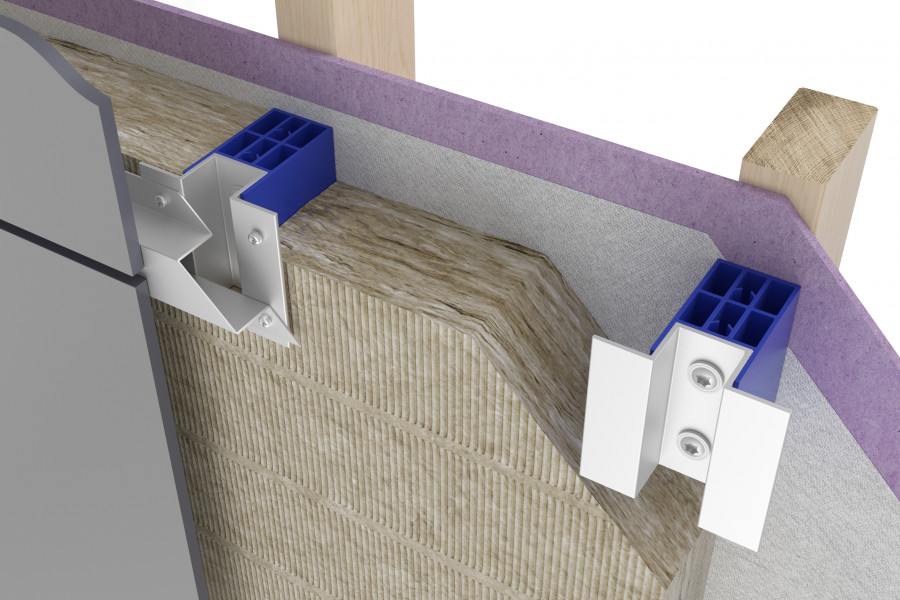
 Most Popular
 Popular Blog Posts