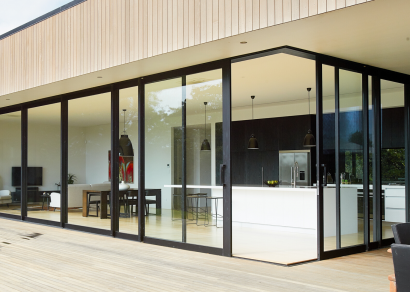
 VANTAGE Windows & Doors
 Roofing Industries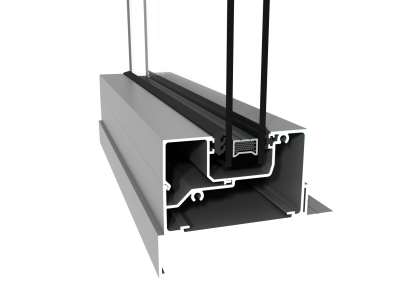
 ALTHERM Window Systems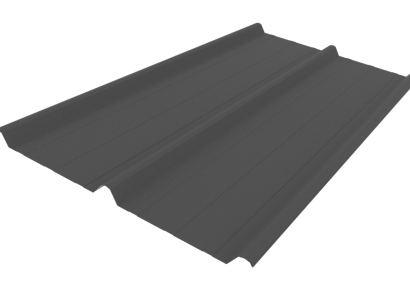
 Dimond Roofing
 Juralco Aluminium
 SPAX
SPAX



 Prolam
 Case Studies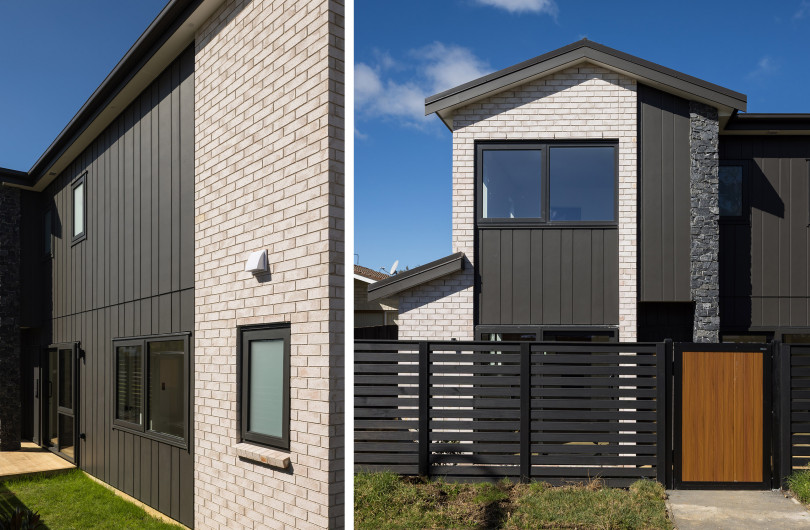
 PGH Bricks
 Metwood







 Mammoth Insulation










What are the main changes to H1?
Minimum R values have been lowered, allowing for more flexibility
Roof construction R values can be as low as R2.6, walls R1.0, and suspended floors R1.3 minimum. Slabs on grade now have no minimum R value.
What’s good about this? It more accurately represents real world situations where truss roofs require low profile build-ups at the edge. Areas of roof can now often use shallower rafters. Slabs with no minimum requirement make things like alteration work much easier to deal with, where there are often small areas of slab with poor area to perimeter ratios.
No minimum R-values for embedded heating elements in bathrooms and toilets
Embedded heating elements in bathrooms and toilets no longer use schedule method style minimum R values. There is no longer a minimum construction R value for embedded heating in these areas, such as the slab. Previously, there was no provision to be under the reference value, (which embedded heating had higher values than normal), even when modelling or using the calculation method. However, heated elements outside these areas are subject to minimum R values.
Removal of the schedule method
The schedule method has been removed — a long overdue change. Calculation and modelling offer more realistic build-ups and generally offer a cost saving over compliance by schedule method.
38% timber framing, measurements from internal surfaces
Walls now assume 38% timber framing, hence the reduction in reference R value. In most cases this has little effect on paper. Where the actual framing percentage can be demonstrated to be lower, significant gains can be made by improving the construction R value.
Measuring — all dimensions are measured from internal surfaces now.
Need help with an H1 calculation?
Mammoth Insulation offers a free H1 calculation service, including both the modelling method and calculation method. Mammoth leads the way in this area, delivering a comprehensive service that takes into account the H1 calculation and insulation build-ups, and considers the cost impact. They make calculated decisions to deliver a fair result for the client.
The modelling method is an excellent way to look at overall building performance, considering orientation, shading, solar gains and losses, so we can understand how the building actually performs. Other compliance pathways like calculation and (formerly) schedule method, do not address this in as accurate a way. Calculation method is still certainly useful for new build work and alterations.
Mammoth's technical team are always happy to offer advice on H1 compliance and product support. If you’d like some assistance, contact Justin or Jeremy on [email protected] or [email protected].


 Popular Products from Mammoth Insulation
 Most Popular

 Popular Blog Posts