 VANTAGE Windows & Doors
 Roofing Industries
 ALTHERM Window Systems
 Dimond Roofing
 Juralco Aluminium
 SPAX
SPAX


 Prolam
 Case Studies
 PGH Bricks
 Metwood






 ACMF
ACMF


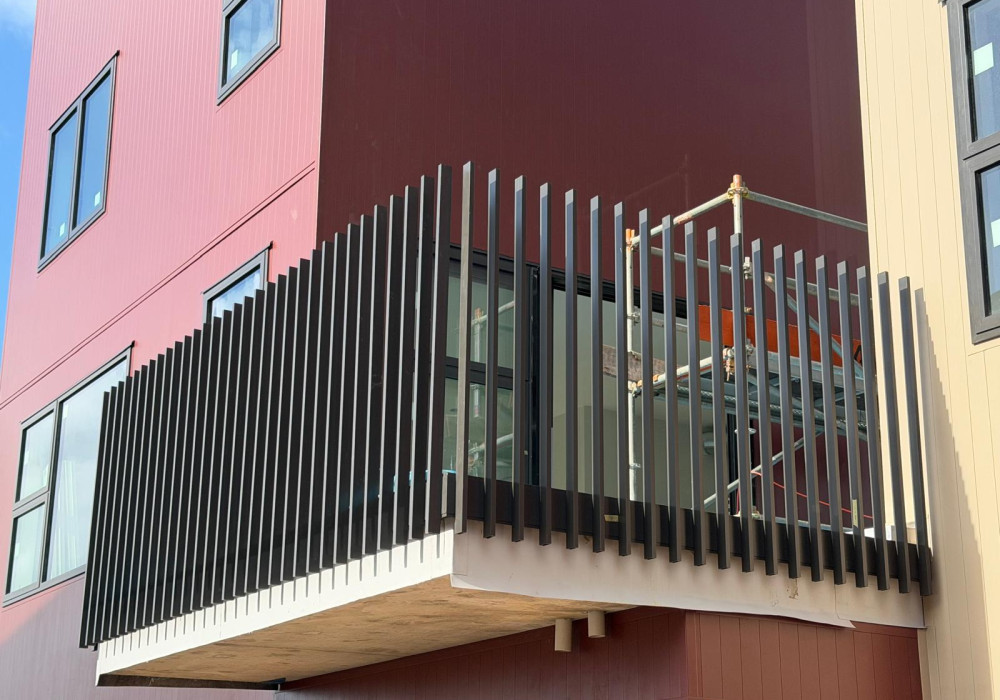

Balustrades sit at the building edge, where wind pressures are amplified by height, exposure and corner effects. These forces directly influence glass thickness, post section capacity, fixing design and allowable spans.
Designing purely to minimum strength requirements is where issues begin. Because performance isn’t just about whether a system holds — it’s about how it behaves.
Excessive deflection, even within compliant systems, can lead to visible movement, compromised fixings and long-term durability concerns.
ACMF balustrades are engineered and tested to suit site-specific wind actions and project performance criteria.
This includes:
- Determining ultimate and serviceability wind loads under AS/NZS 1170.2
- Checking member capacity and connection strength
- Verifying deflection limits to protect glass performance and occupant perception
- Designing load paths back into slab edges or structural supports
- Coordinating fixing details with waterproofing and membrane systems
Deflection control is critical. Even when ultimate limit state requirements are satisfied, movement can impact alignment, glazing integrity and seal performance over time. Serviceability needs to be resolved alongside strength — not after it.
Fixing strategy is equally important. Top-fix, face-fix and concealed systems each introduce different load paths and waterproofing risks. Penetrations through membranes must be carefully coordinated with cavity trays, falls and drainage pathways to maintain envelope integrity.
Substructure plays a significant role in how efficient a balustrade system can be. When the supporting structure is designed with sufficient capacity, it can allow for larger post spans, reducing the number of fixings, simplifying installation, and creating cleaner, more open views.
Separately, ACMF’s Design & Build capability allows these considerations to be addressed early. By working alongside architects, engineers and contractors during design development, ACMF can help resolve wind performance, fixing strategies and buildability before they become constraints on site — ultimately reducing cost and improving programme certainty.
Balustrade engineering is not just about compliance; it’s about integration. Structural performance, weathertightness, buildability and architectural intent must all align. When these elements are resolved early, projects benefit from better outcomes — both technically and commercially.
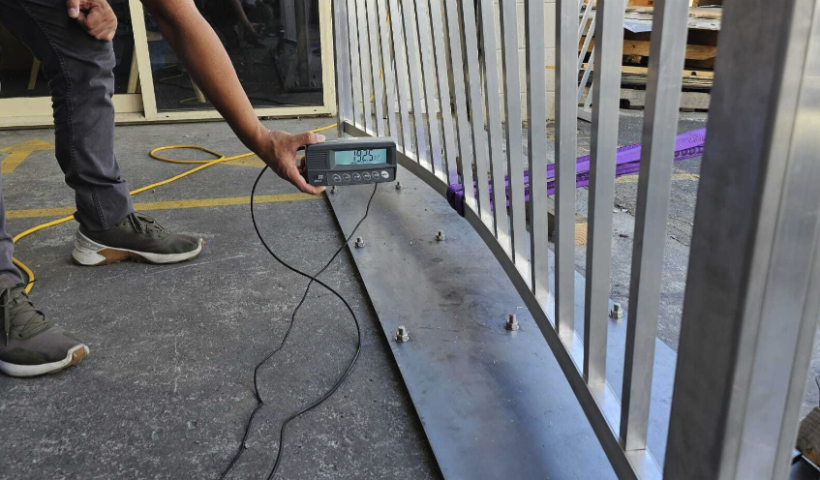
ACMF's in-house engineers carry out balustrade testing to validate performance under load — including pushing systems to failure so we fully understand their limits.
 Popular Products from ACMF
 Most Popular
 Popular Blog Posts