 VANTAGE Windows & Doors
 Roofing Industries
 ALTHERM Window Systems
 Dimond Roofing
 Juralco Aluminium
 dormakaba



 Prolam
 Case Studies
 PGH Bricks
 Metwood






 pro clima



 NEW
NEW
Early alignment between envelope design and the ventilation strategy ensures both systems function effectively. This starts by agreeing with a client that the ventilation system is non-negotiable and cannot be value-engineered out. The team at Pro Clima can assist with independent ventilation system advice and, of course, biased Pro Clima product recommendations at the early design stage. They also offer on-site installation guidance to builders to ensure their products are installed correctly, helping to create healthy, durable, and comfortable homes. So, what is the challenge to overcome?
Regardless of your design performance target — whether comfort, energy savings, or even Passive House certification — achieving healthy, comfortable indoor environments in residential buildings requires more than simply adding extra insulation to comply with NZBC Clause H1. In fact, adding insulation changes a building’s moisture performance, so the ‘old ways’ of building are unlikely to be the best ways.
Moisture loads are unavoidable in occupied homes. Everyday activities such as cooking, showering, and even breathing introduce significant amounts of water vapour into the internal space. In modern, insulated, and less draughty construction, this moisture must be deliberately managed to avoid condensation, mould growth, and building degradation.
NZBC Clause E3 — Internal Moisture requires buildings to be free from the likelihood of fungal growth and damage caused by moisture, while Clause G4 — Ventilation requires spaces to have adequate ventilation to maintain indoor air quality. Yet houses can still legally be designed and built that side-step these objectives due to the in-built shortfalls of the Acceptable Solutions within those clauses. In practice, the Acceptable Solutions create ‘get out of jail free’ cards in the compliance pathway and ignore future moisture impacts.
One significant shortfall is relying on windows as the sole moisture-control ventilation strategy. Occupants rarely use them effectively, and wind, temperature, insects, noise, and security concerns all limit the practicality of opening windows to manage moisture. We need to remove moisture from the house and keep it out of the ceiling, walls, and floor.
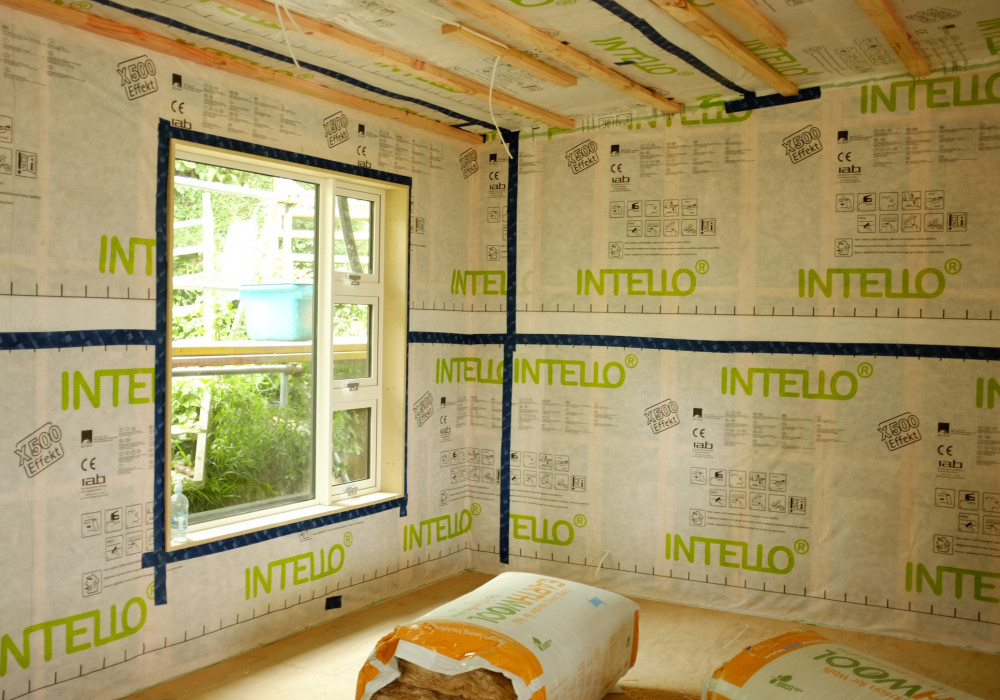
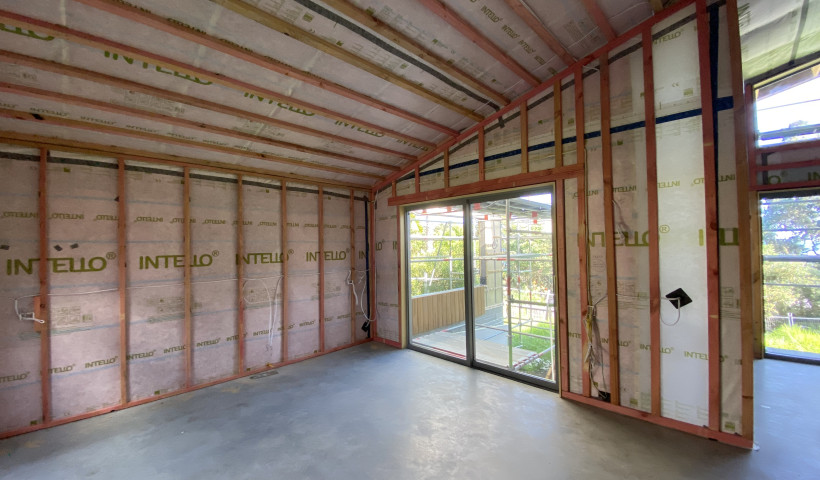
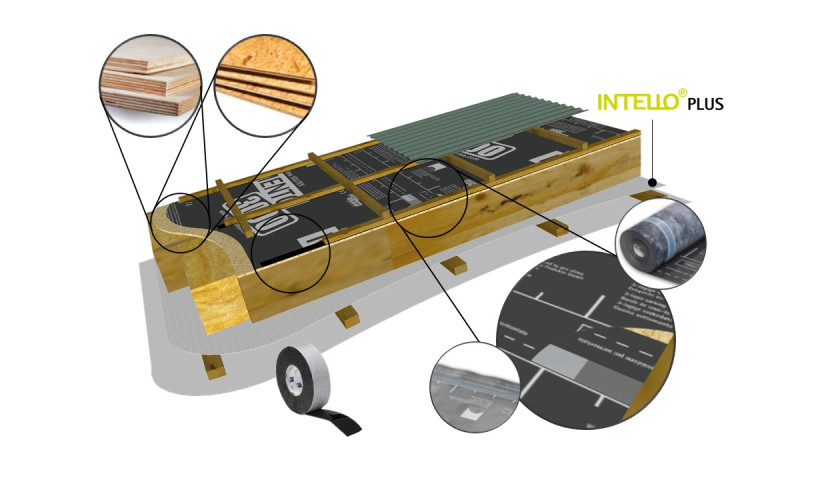
Pro Clima’s INTELLO PLUS is an intelligent vapour control membrane designed to respond dynamically to changing indoor and seasonal conditions and support durable compliance with these clauses. Installed on the warm side of the insulation, it performs two critical functions: airtightness and vapour control.
In winter, when indoor humidity is typically higher than outside, INTELLO PLUS limits moisture diffusion into insulation cavities. In summer, or during periods of elevated construction moisture, its vapour resistance decreases significantly, allowing assemblies to dry back toward the interior. This variable performance reduces interstitial condensation risk, thereby increasing durability.
Of course, moisture control of the building envelope alone is not sufficient. All inhabited buildings and especially modern insulated buildings require reliable ventilation to remove moisture at its source and maintain healthy indoor air quality. Mechanical ventilation systems — in particular, balanced pressure systems with heat recovery — provide controlled, consistent air exchange independent of occupant behaviour. By extracting moist, stale air from kitchens and bathrooms and supplying fresh, filtered air to habitable spaces, these systems help stabilise indoor humidity levels and reduce peaks that drive condensation risk — something even the best openable windows cannot deliver consistently, especially if they are not opened.
The interaction between intelligent vapour control membranes and mechanical ventilation is where optimal building performance is achieved. An airtight envelope incorporating INTELLO PLUS ensures that ventilation air follows designed pathways — including ducting — rather than leaking unpredictably through the building fabric or occasionally through an opened window. This airtightness improves the efficiency of ventilation systems and the insulation itself, and enhances comfort by eliminating unwanted draughts.
Reduced air leakage minimises cold spots and internal surface temperature drops, while ventilation with heat recovery maintains a fresh air supply without significant heat loss, preventing sustained high indoor humidity levels. Together with a well-insulated building envelope, these two systems achieve the sweet spot of stable indoor temperatures, improved comfort, and lower energy demand — ensuring our homes are not just ‘code compliant’ but truly ‘fit for purpose’.
The team at Pro Clima would welcome the opportunity to discuss your options. Please get in touch with one of their nationwide team members.
 Popular Products from pro clima
 Posts by Pro Clima Technical
 Most Popular