 VANTAGE Windows & Doors
 Roofing Industries
 ALTHERM Window Systems
 Dimond Roofing
 Juralco Aluminium
 dormakaba



 Prolam
 Case Studies
 PGH Bricks
 Metwood






 Mitsubishi Electric


 NEW
NEW
Hot water heat pumps are becoming a mainstream choice for New Zealand homes, and for good reason. By moving heat rather than generating it, they can deliver more hot water per unit of electricity than a traditional element-based cylinder.
However, as the category grows, so does one of the most common points of confusion for homeowners and those involved in specification: performance claims, particularly COP.
COP, or Coefficient of Performance, is a useful efficiency metric. In simple terms, it is the ratio of heat delivered to electricity consumed. The challenge is that COP changes depending on the conditions it is measured under.
Why COP isn’t the only factor to consider
Market-facing performance figures are not always presented under the same test conditions or reporting style. Manufacturers may publish COP using different test standards, ambient temperature points, inlet and outlet water temperatures, and operating modes.
This creates the risk of comparing apples with oranges. A COP measured at 20°C ambient temperature, with warmer inlet water and a lower hot water setpoint, will not necessarily reflect how that same system performs on a cold winter morning in Dunedin, Queenstown or Central Otago.
Why top-down cylinder heating can improve real-world efficiency
For many homes, practical hot water availability is just as important as efficiency on paper. Conventional electric hot water cylinders are typically designed to heat and reheat the entire tank to maintain a set temperature. This means energy is used to keep the full cylinder hot, even when hot water demand is low.
Traditional systems also use electric immersion elements located at the bottom of the cylinder. Because cold water enters at the bottom, it can take hours for usable hot water to reach the top of the tank, where it is drawn off.
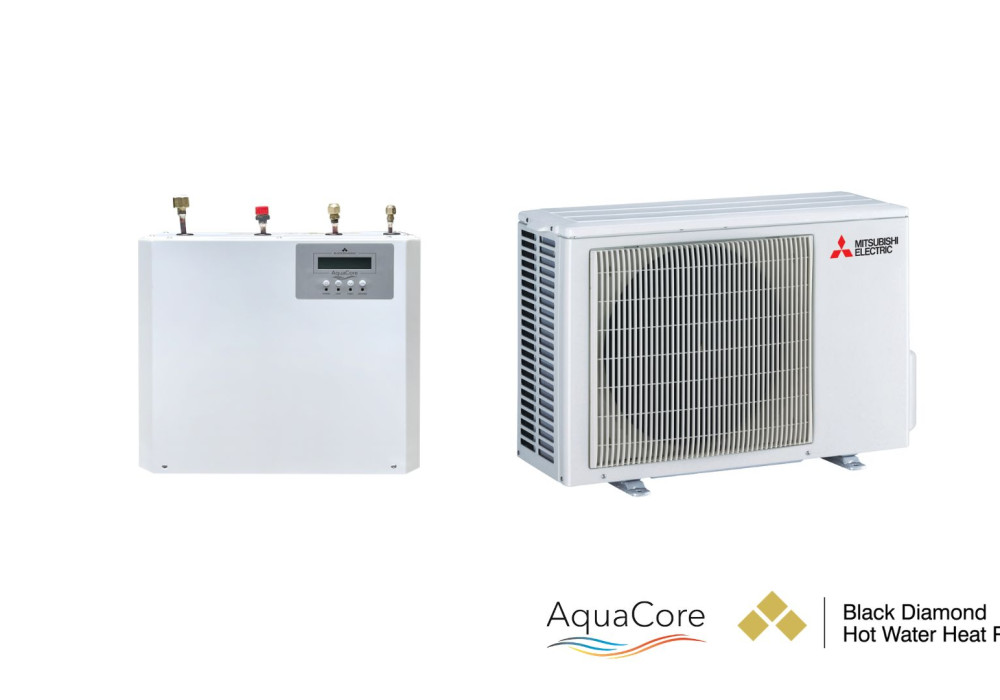
Unlike conventional bottom-heated cylinders, Black Diamond AquaCore uses a top-down heating method designed to prioritise usable hot water where it is needed first.
The system heats water to 62°C via the indoor unit and pumps it directly into the top portion of the cylinder. Because hot water is delivered where it is drawn from first, practical hot water availability can be restored significantly faster after high-demand periods.
This means the full tank does not need to be reheated before practical hot water is available again. Even from a completely cold tank, you can have hot water for a quick shower within 15 minutes.
Practical performance benefits include:
- Practical hot water available faster when demand is high
- Hot water for a shower in as little as 15 minutes from a cold tank
- Faster recovery following heavy household use
- More consistent hot water availability for larger families and high-use households
- Proven performance in New Zealand homes for over 12 years
This helps connect practical household performance with real-world energy efficiency outcomes, not just laboratory COP figures.
New Zealand conditions matter
New Zealand homes face a wide range of climates, so local conditions, cylinder sizing, household demand, installation location, recovery requirements and backup element operation all need to be considered early in the design process.
AquaCore is engineered with New Zealand conditions in mind, delivering full domestic hot water temperatures using the heat pump alone under normal operating conditions, without relying on an electric element for standard operation.
What specifiers should consider before selecting a system
To make more meaningful comparisons, it helps to look beyond single-number COP claims and understand the conditions behind the data.
Useful questions include:
- At what ambient temperature was the COP measured?
- What inlet and outlet water temperatures were used?
- Is performance data available across multiple ambient temperature points?
- How is defrost behaviour managed?
- Does it have an electric element and if so when does it engage?
- How does the system heat and recover hot water within the cylinder?
These questions help bring context to performance claims and support more informed decisions early in the design and specification process.
AquaCore Hot Water Heat Pump Systems
AquaCore Hot Water Heat Pump Systems designed by Black Diamond Technologies and distributed alongside the Mitsubishi Electric product range. Developed to fill a gap in the New Zealand market, AquaCore is designed to support reliable domestic hot water performance, practical recovery and energy efficient operation for New Zealand homes.
AquaCore is ideal not only for new builds, but can also be retrofitted to an existing hot water cylinder. This means there’s no need to replace your current cylinder if it’s still functioning well, while still benefiting from the improved energy efficiency of heat pump hot water technology.
Black Diamond Technologies’ approach is focused on transparent performance information, clear test conditions and NZ-relevant installation outcomes, helping architects, specifiers, plumbers and homeowners make decisions based on context, not just a single headline figure.
Key takeaway
When comparing hot water heat pumps, don’t just ask:
“Who has the highest COP?”
Ask:
“COP under what conditions, how does the system heat the cylinder, and what does that mean for this specific New Zealand home?”
The competition has now closed. For more information please contact Mistubishi Electric.

 Popular Products from Mitsubishi Electric
 Most Popular

 Popular Blog Posts