 VANTAGE Windows & Doors
 Roofing Industries
 ALTHERM Window Systems
 Dimond Roofing

 Juralco Aluminium
 SPAX


 Nuralite
 Case Studies
 GreenStuf
 MiTek New Zealand Limited





 Juken New Zealand
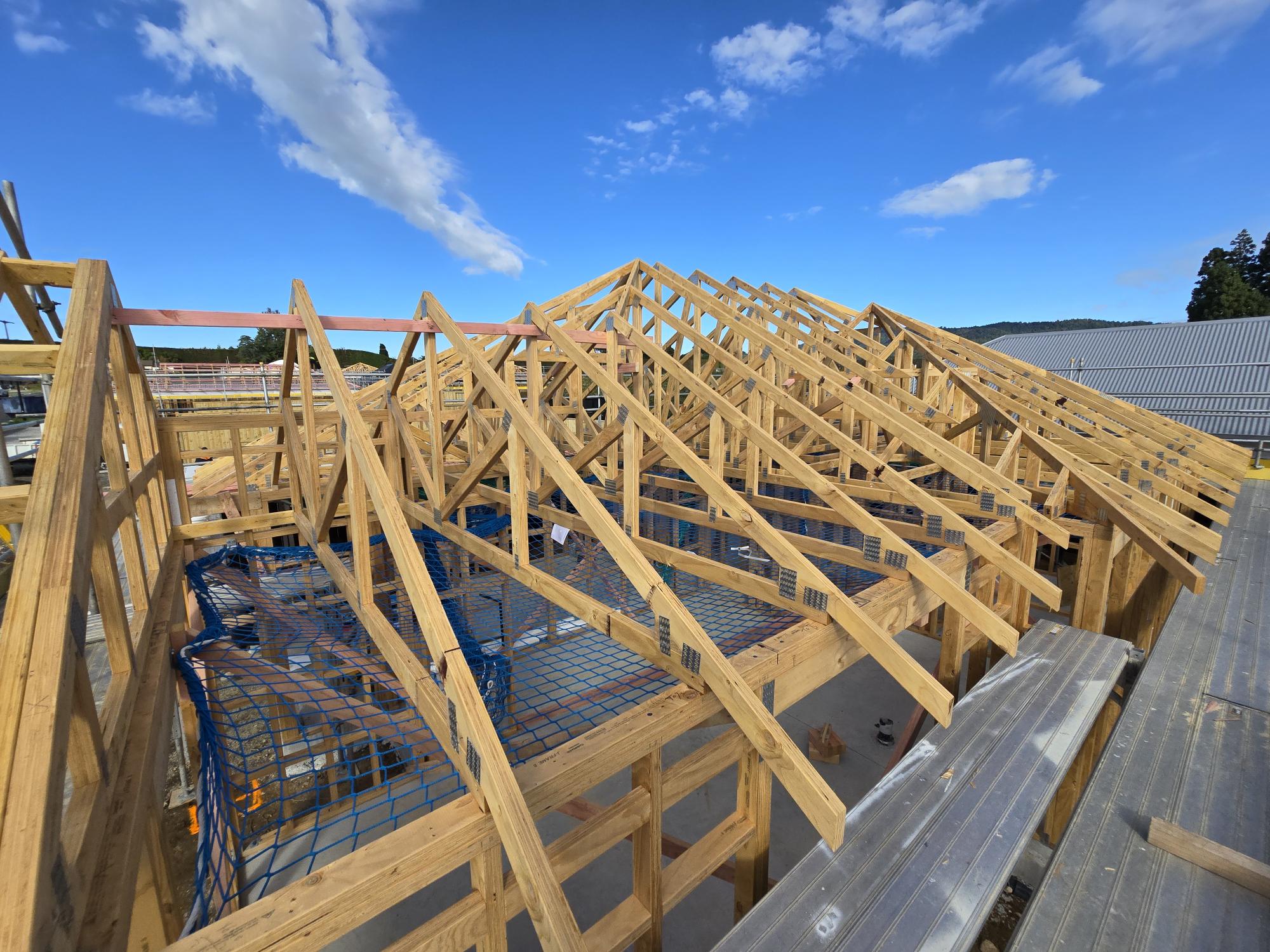
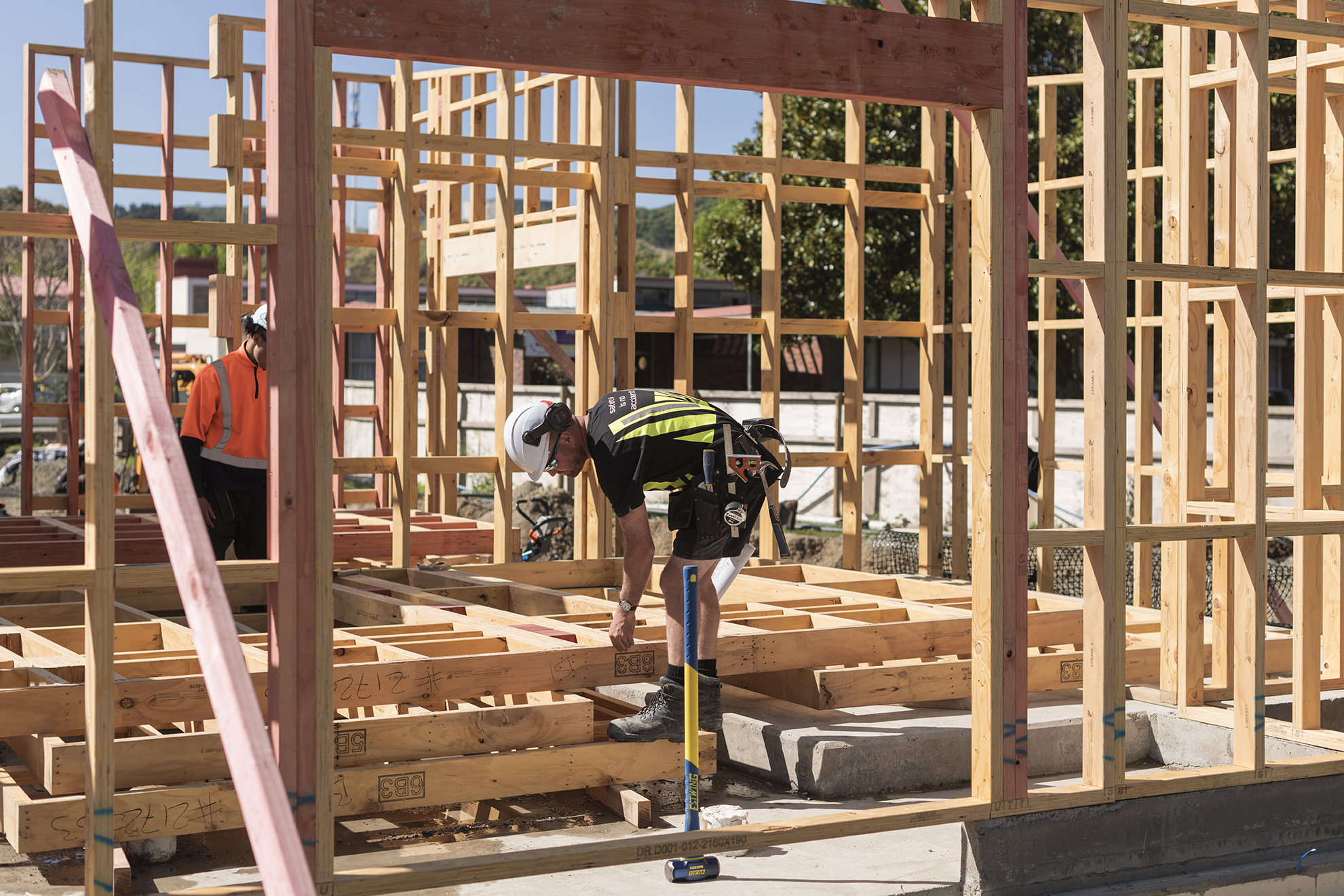



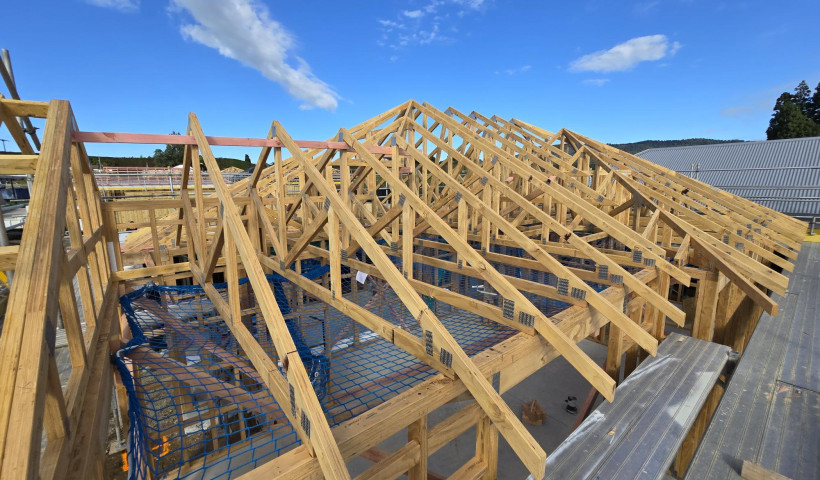
For architects and builders, achieving a quality finished result starts long before the walls are lined. The performance of the structural frame can influence build efficiency, finishing quality and how accurately the completed building reflects the original design intent.
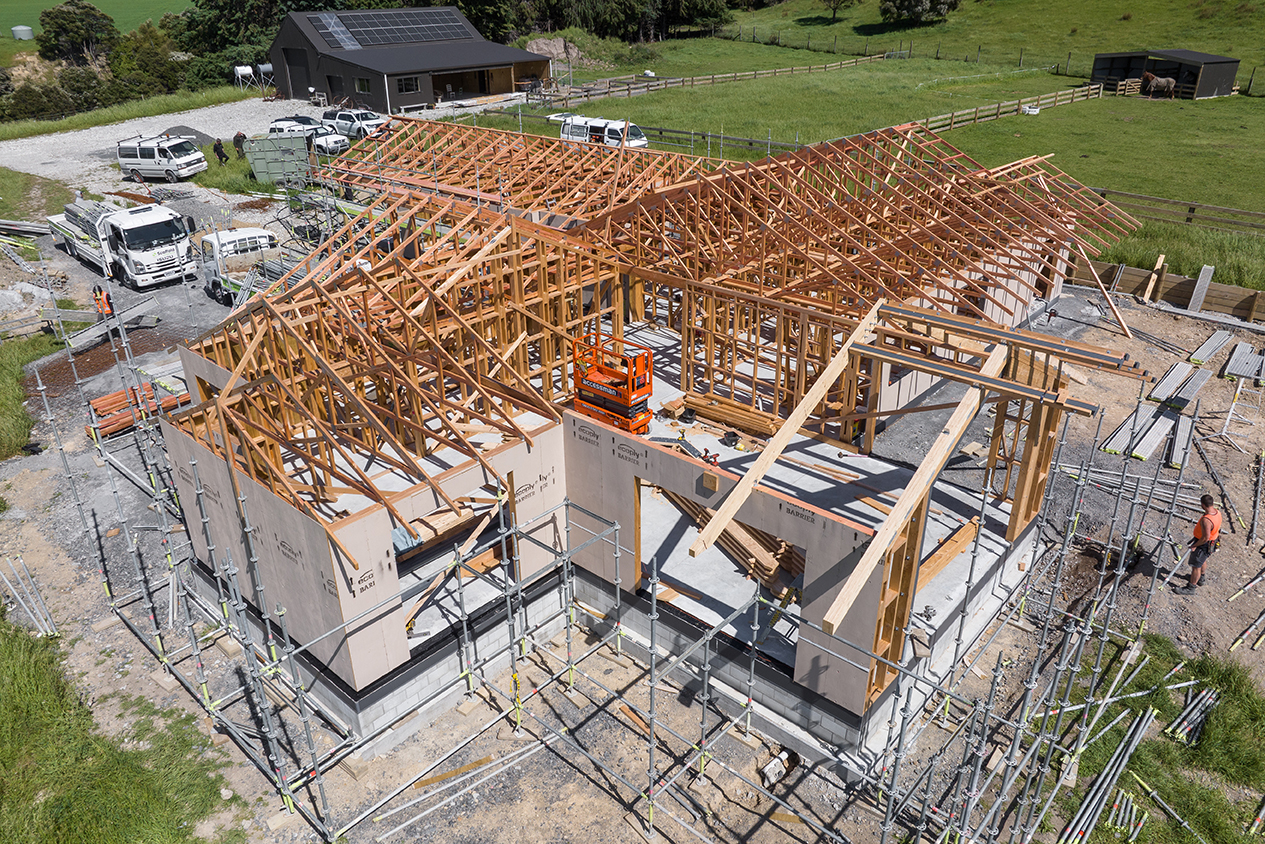
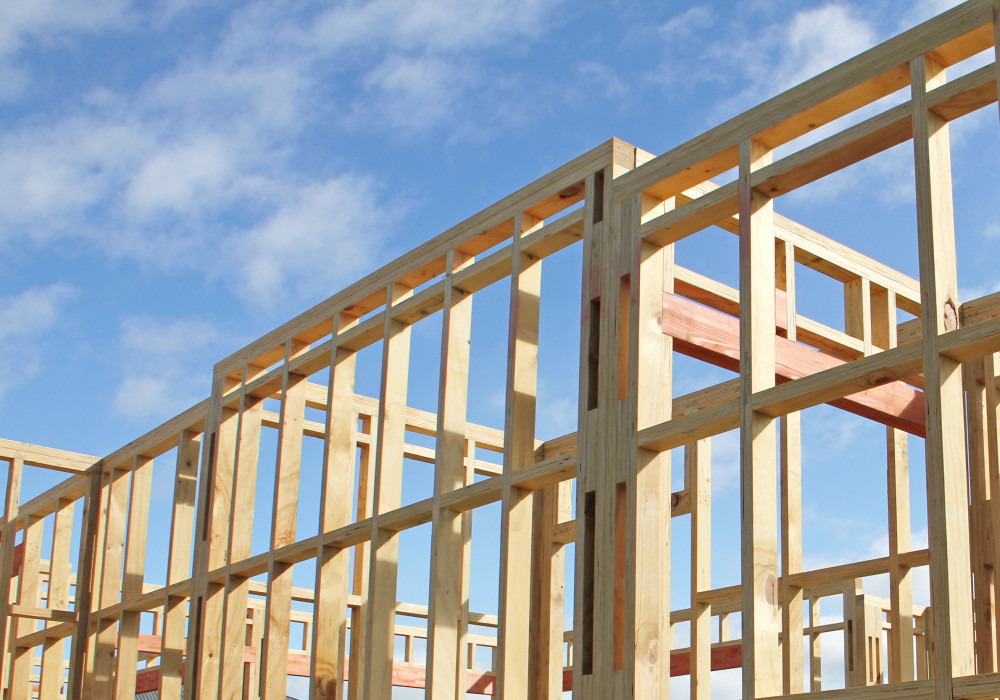
As residential construction continues to become more sophisticated, with higher stud heights, larger openings, complex designs and tighter tolerances, the reliability and uniformity of framing is increasingly important.
New Zealand's variable climate adds another consideration. Buildings can be exposed to significant temperature changes, moisture, and harsh weather conditions, particularly across the South Island. For builders, maintaining accurate, stable framing throughout construction can make a real difference on site.
Engineered to provide consistency
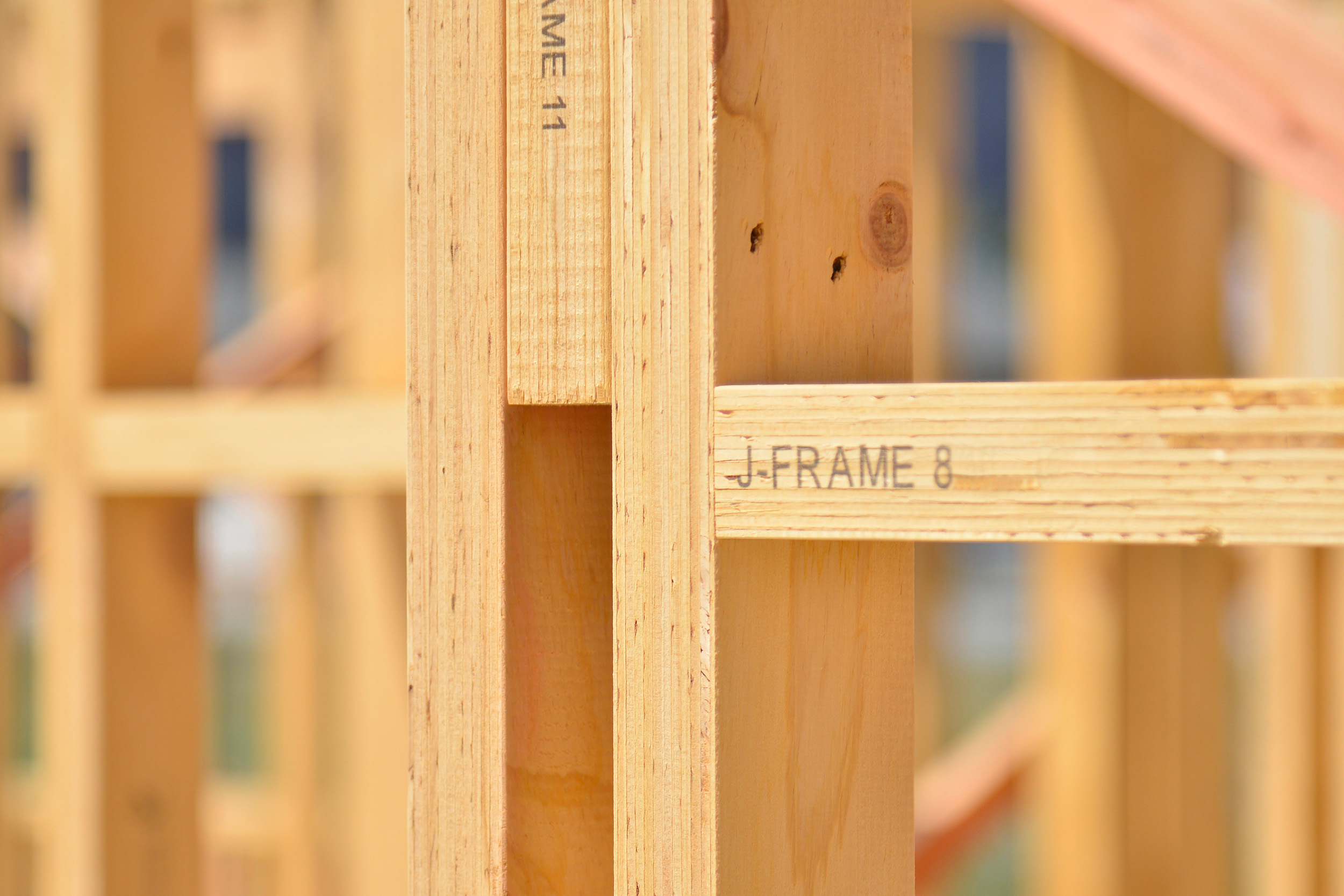
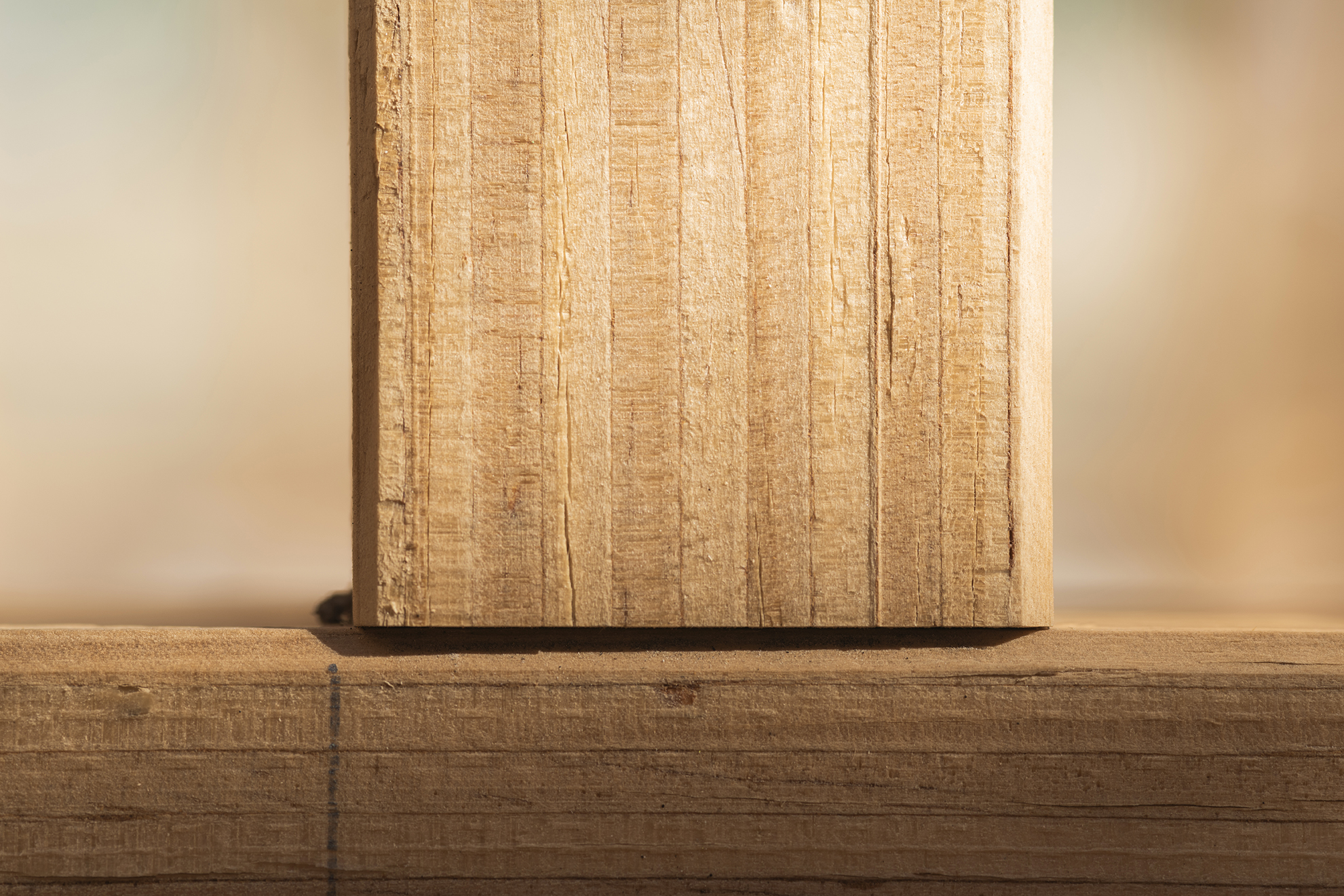
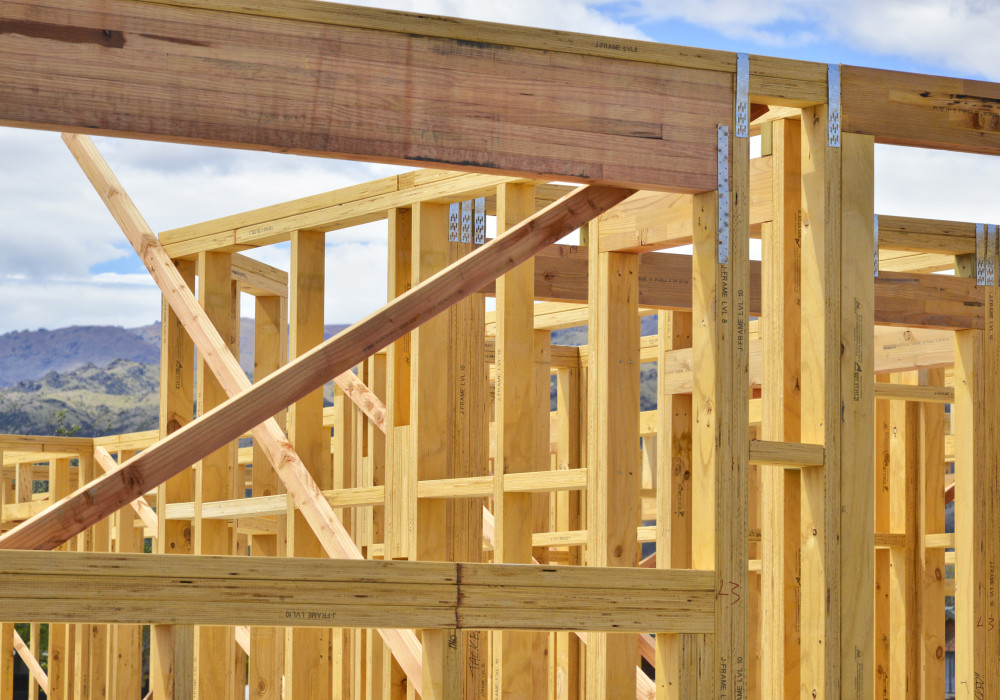
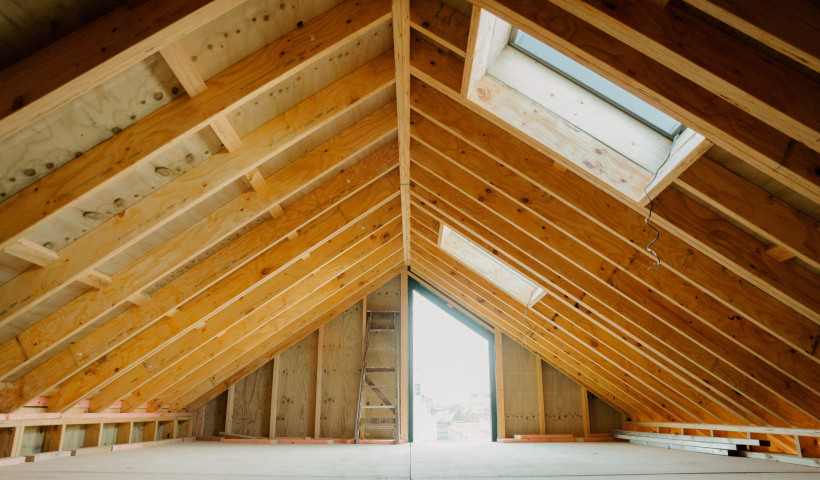
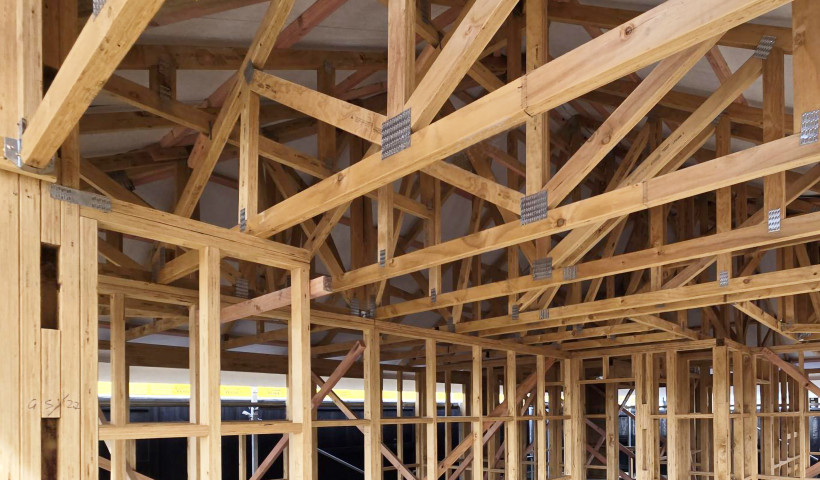
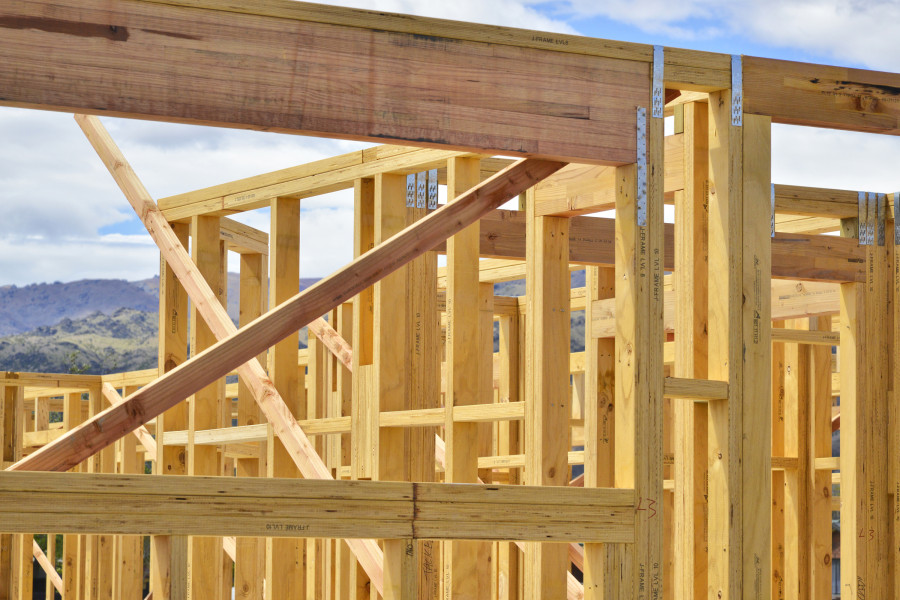
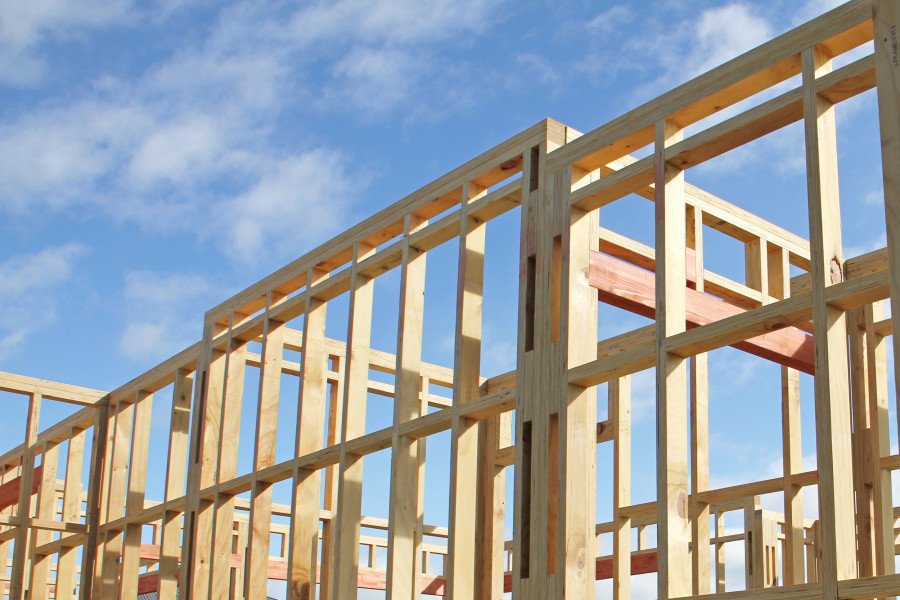
J-Frame has been engineered to provide the dimensional durability and uniformity required for today's construction environment. Manufactured by Juken New Zealand from Radiata Pine grown in its own plantation forests, J-Frame is designed to remain straight and true, helping reduce the movement and distortion associated with conventional timber framing.
Having previously managed a frame and truss plant in Greymouth for more than seven years, Lance Fitzmaurice, South Island Sales Representative for Juken New Zealand, has seen the challenges firsthand.
"South Island conditions can be tough on building materials, particularly on projects that are exposed to the elements for extended periods," says Lance. "Builders need confidence that the framing they're working with will remain stable throughout the build."
According to Lance, consistency is one of the first things builders notice about J-Frame.
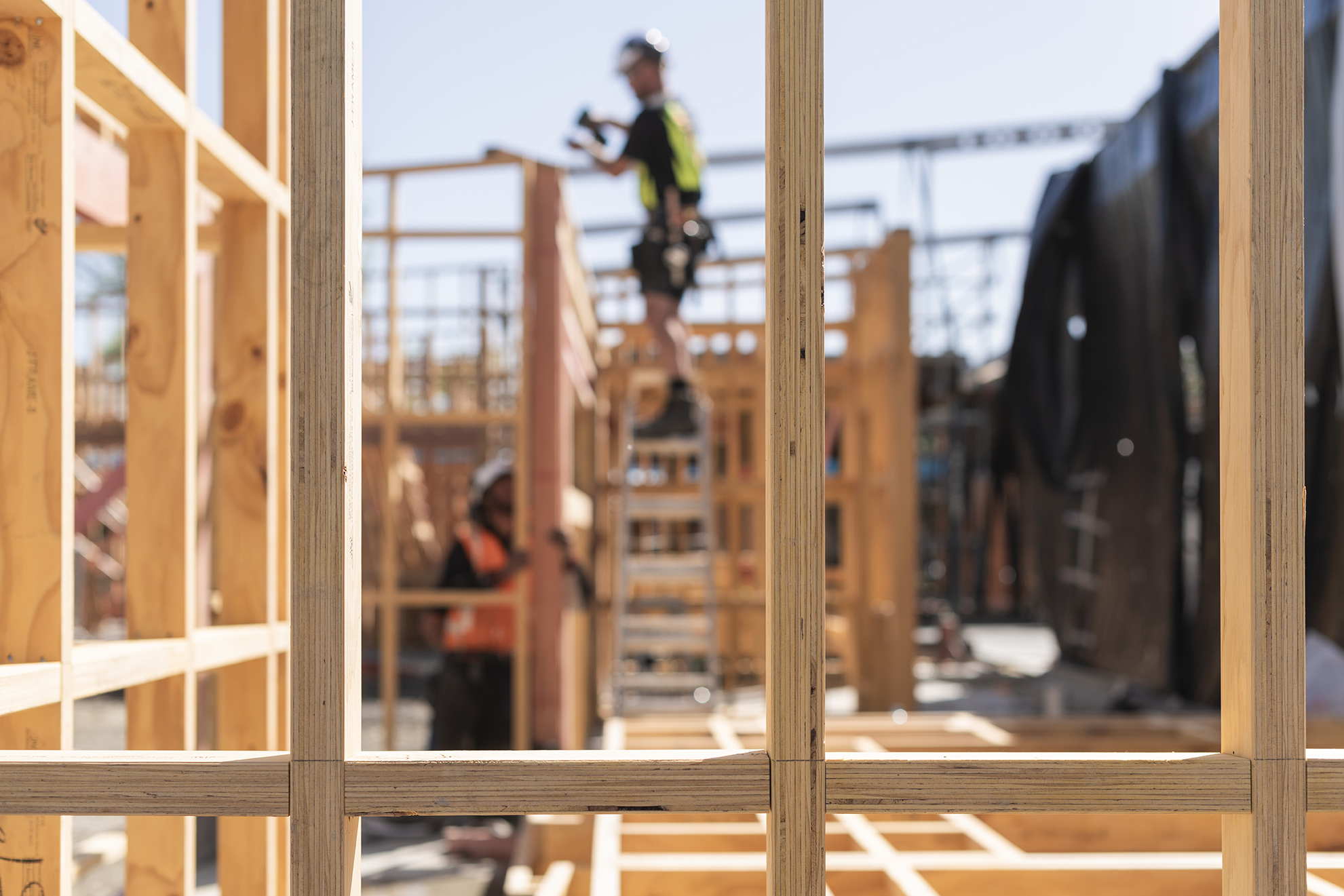
"It comes through straight, which means less time spent dealing with twists, bows and warping. That's valuable time back on site and helps keep projects moving."
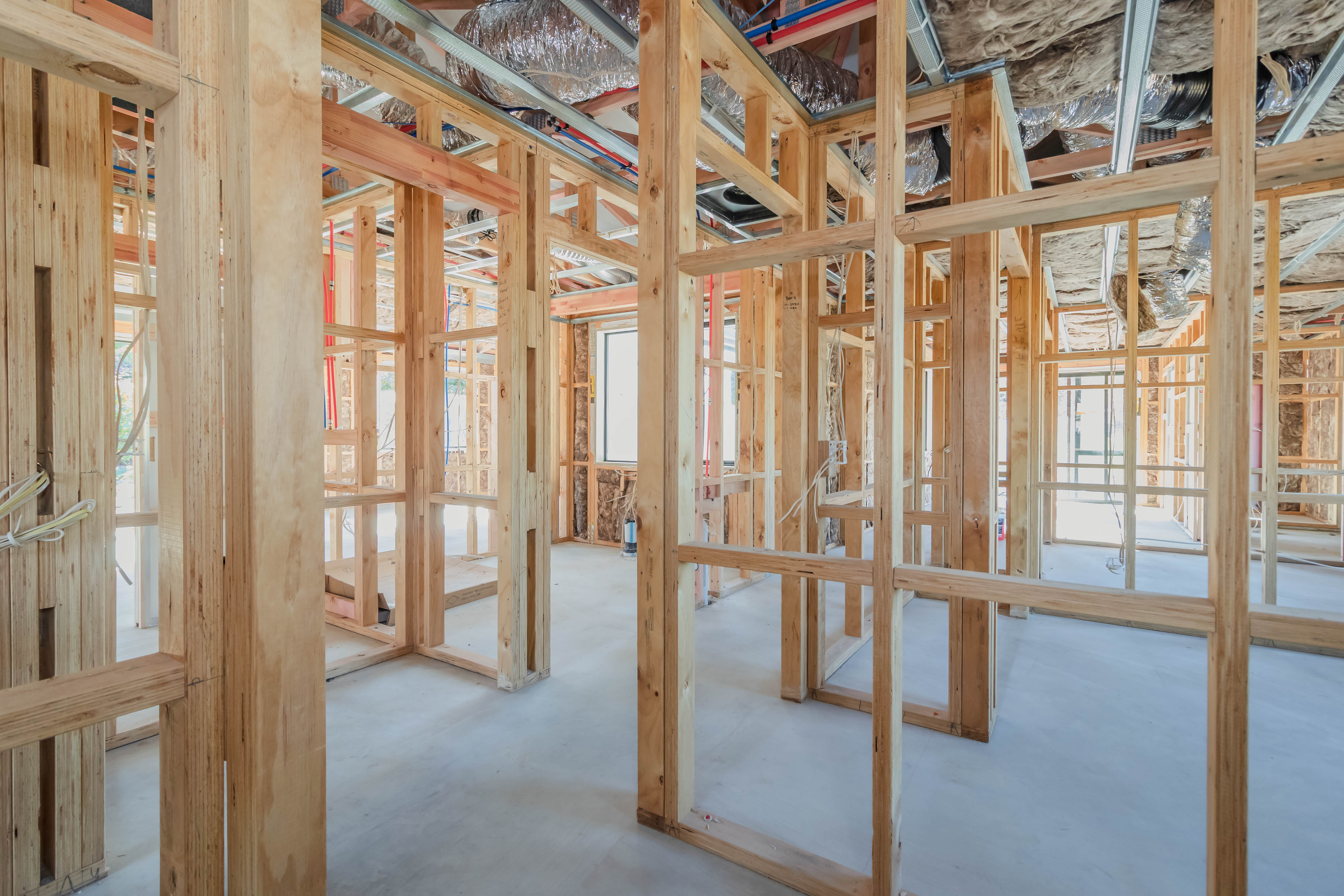
The benefits go beyond the framing stage. Accurate, stable framing provides a better basis for subsequent trades, supporting smoother plasterboard installation, cleaner finishes, and more accurate cabinetry and interior fit-outs.
From forest to frame
Juken New Zealand's control of its supply chain is another factor behind J-Frame's consistency. The company manages approximately 40,000 hectares of plantation forest across New Zealand, overseeing everything from forest management and timber production to manufacturing.
"We're involved right from the start," says Lance. "Producing quality framing begins with growing quality timber. Having control over the resource allows us to focus on consistency and long-term supply."
For architects specifying performance and builders seeking greater on-site efficiency, J-Frame provides an engineered timber framing solution designed for New Zealand conditions.
Explore the J-Frame range and learn how engineered timber framing can help deliver straighter builds, greater efficiency, and better project outcomes.
 Popular Products from Juken New Zealand
 Most Popular
 Popular Blog Posts