 VANTAGE Windows & Doors
 Roofing Industries
 ALTHERM Window Systems
 Dimond Roofing
 Juralco Aluminium
 dormakaba


 Prolam
 Case Studies
 PGH Bricks
 Metwood





 JSC
JSC


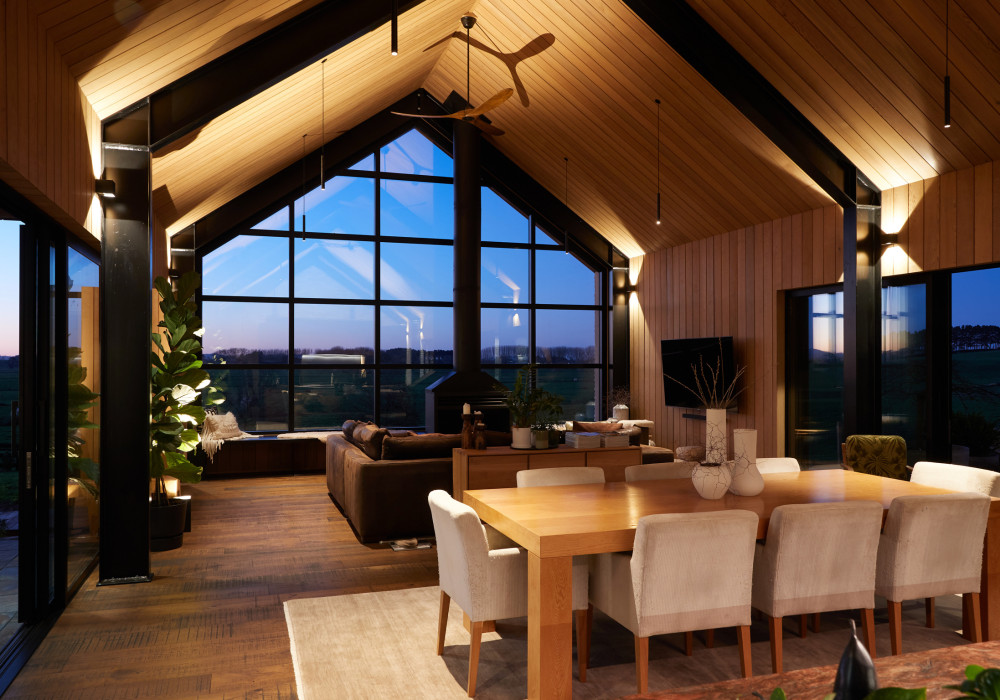



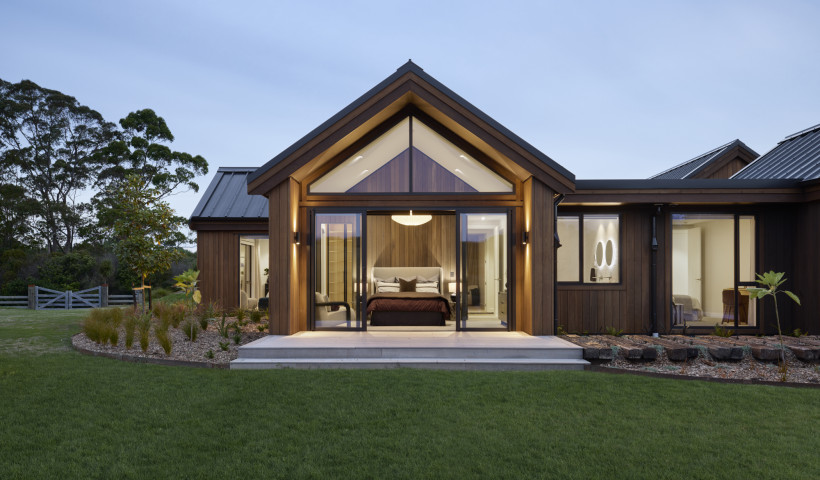
Interior timber is no longer confined to one role. Traditionally associated with premium residential applications and restrained palettes, it is increasingly being specified as a material that can adapt — responding to different design intents, budgets, and performance requirements.
The question for architects and designers is no longer whether to use timber, but how to use it more intelligently. Whether introducing warmth into higher-density housing, creating identity in retail environments, or delivering material authenticity in contemporary homes, the applications are broader now, and so is the thinking behind them.
Timber as a performative surface
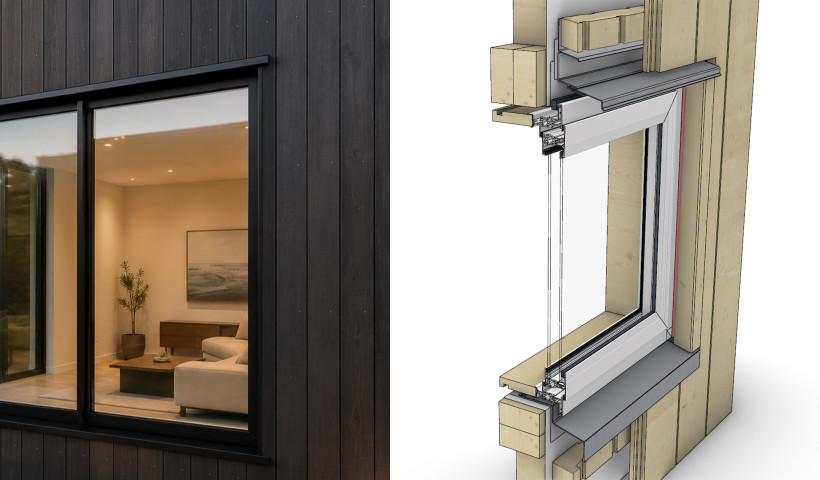
In interior environments, timber does more than provide visual warmth. Surface texture, tone, and detailing all shape how a space feels, contributing to acoustic moderation, light absorption, and perceived comfort. This makes it a performative material, not just a finish.
Balancing control and expression
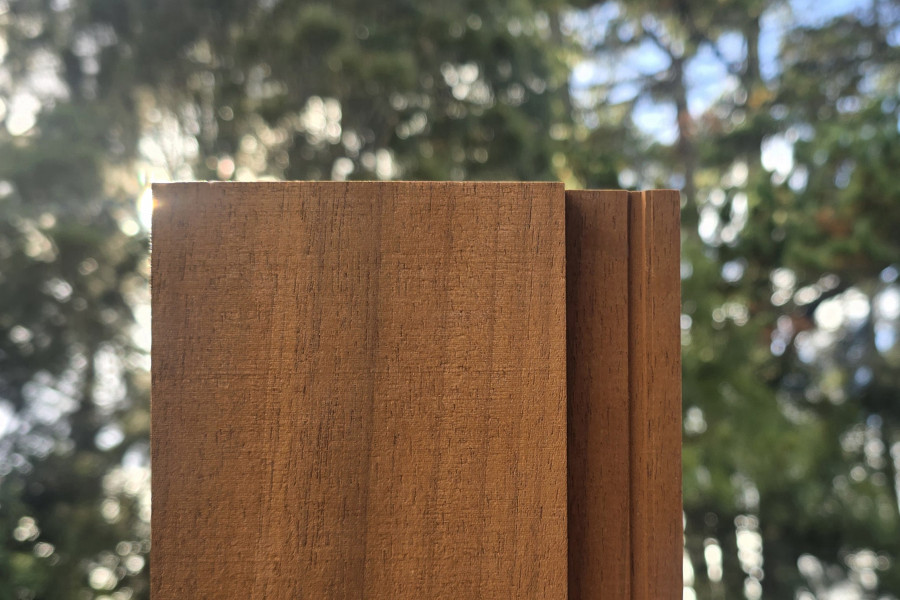
Different projects call for different levels of control. Thermally modified timbers like JSC’s ThermoPine, Taiga, Amba, and Taxon offer increased dimensional stability, reducing moisture movement and supporting more consistent outcomes across ceilings and wall linings where predictability and performance matters.
Lighter-toned species like Sambara and Nordic Pine work differently. They provide a great base for stains and finishes, letting designers bring in colour without losing the depth and grain of natural timber. That quality makes them a recurring choice in retail and hospitality, where identity plays a key role.
Designing with character
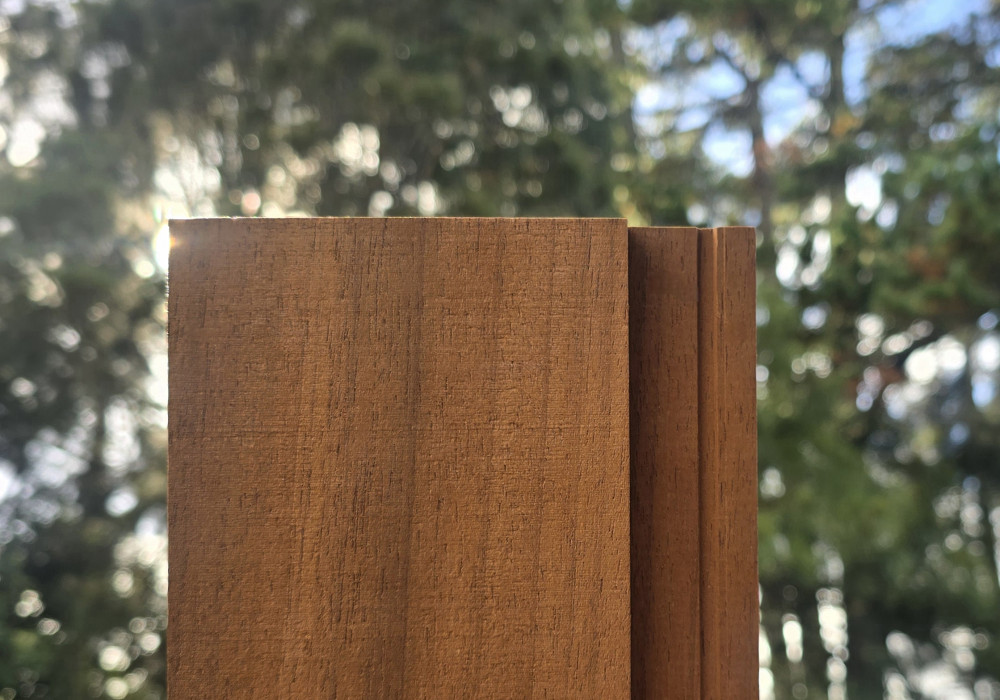
In some applications, variation is not something to be controlled but embraced. Timbers with visible grain, knots, and tonal variation including Cedar variants, Amba, ThermoPine, Taiga, and darker species such as Taxon, bring a visual richness and material honesty that manufactured finishes rarely replicate convincingly.
A more strategic use of timber
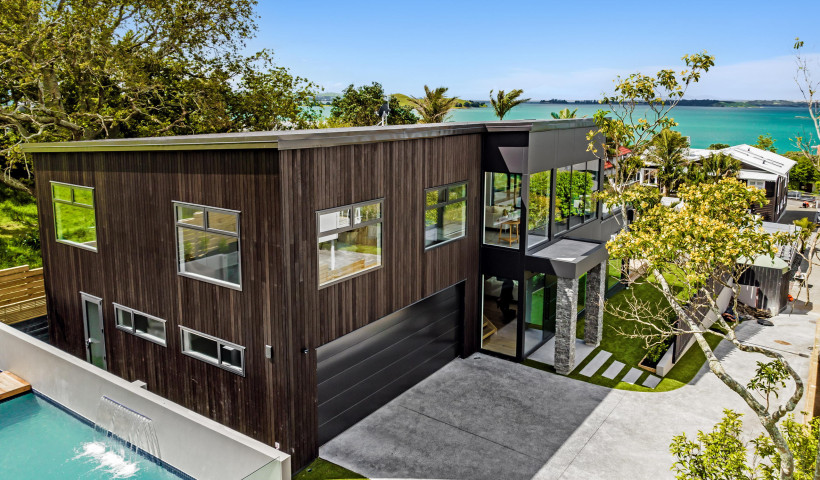
The way timber is specified is shifting alongside housing trends. In larger, design-led homes it may be used extensively. In higher-density housing, it tends to appear more selectively, adding warmth and lifting perceived quality without unnecessary cost.
This targeted approach allows architects and designers to balance budget and impact, using timber where it delivers the most value.
Interior timber is evolving from a fixed aesthetic choice into a more flexible design tool. Its value lies not just in where it is used, but in how intelligently it is specified.
Photo credits: Simon Larkin, CAB Creative, JSC.
Note - some imagery shown is indicative of potential applications and installation environments.
 Popular Products from JSC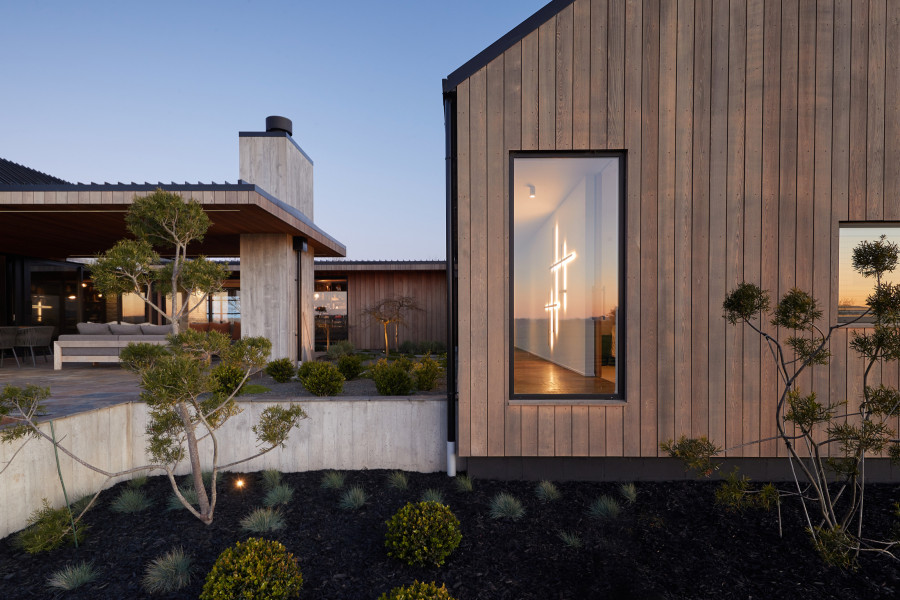
 Most Popular

 Popular Blog Posts