 VANTAGE Windows & Doors
 Roofing Industries
 ALTHERM Window Systems
 Dimond Roofing
 Juralco Aluminium
 SPAX
SPAX


 Prolam
 Case Studies
 PGH Bricks
 Metwood






 JSC
JSC
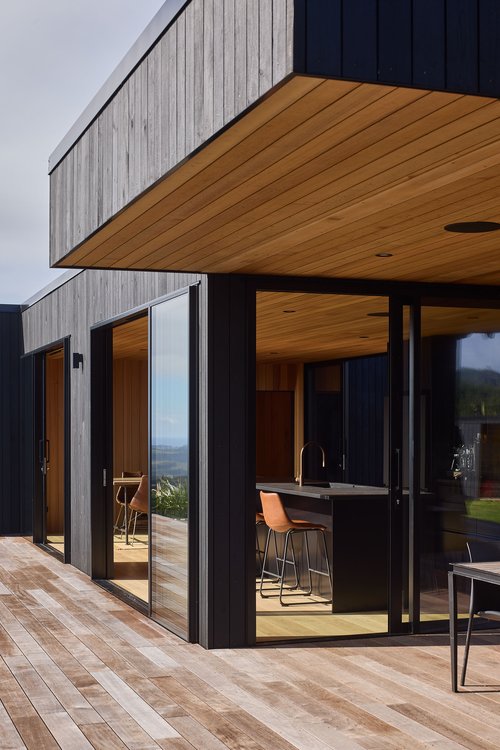
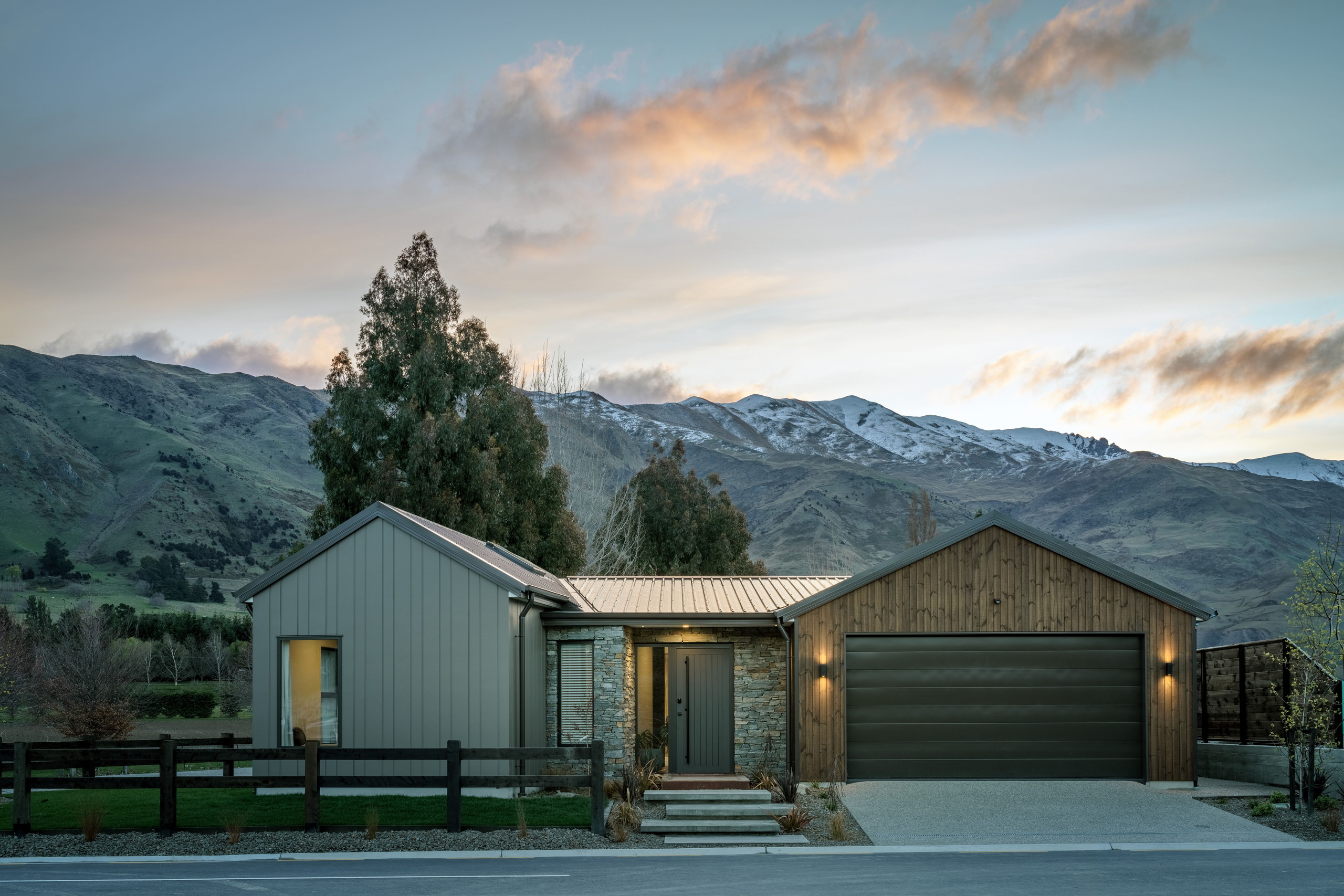
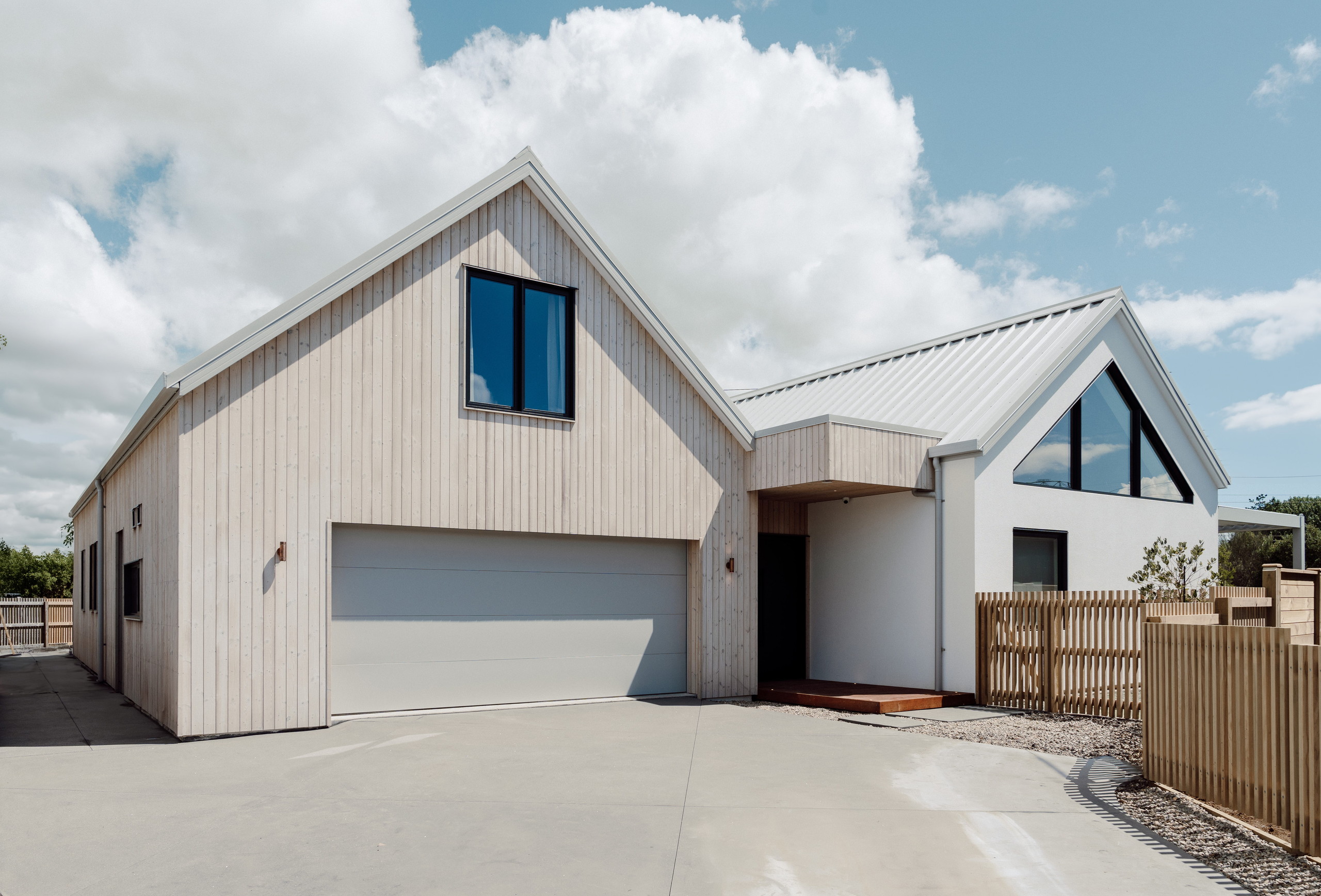
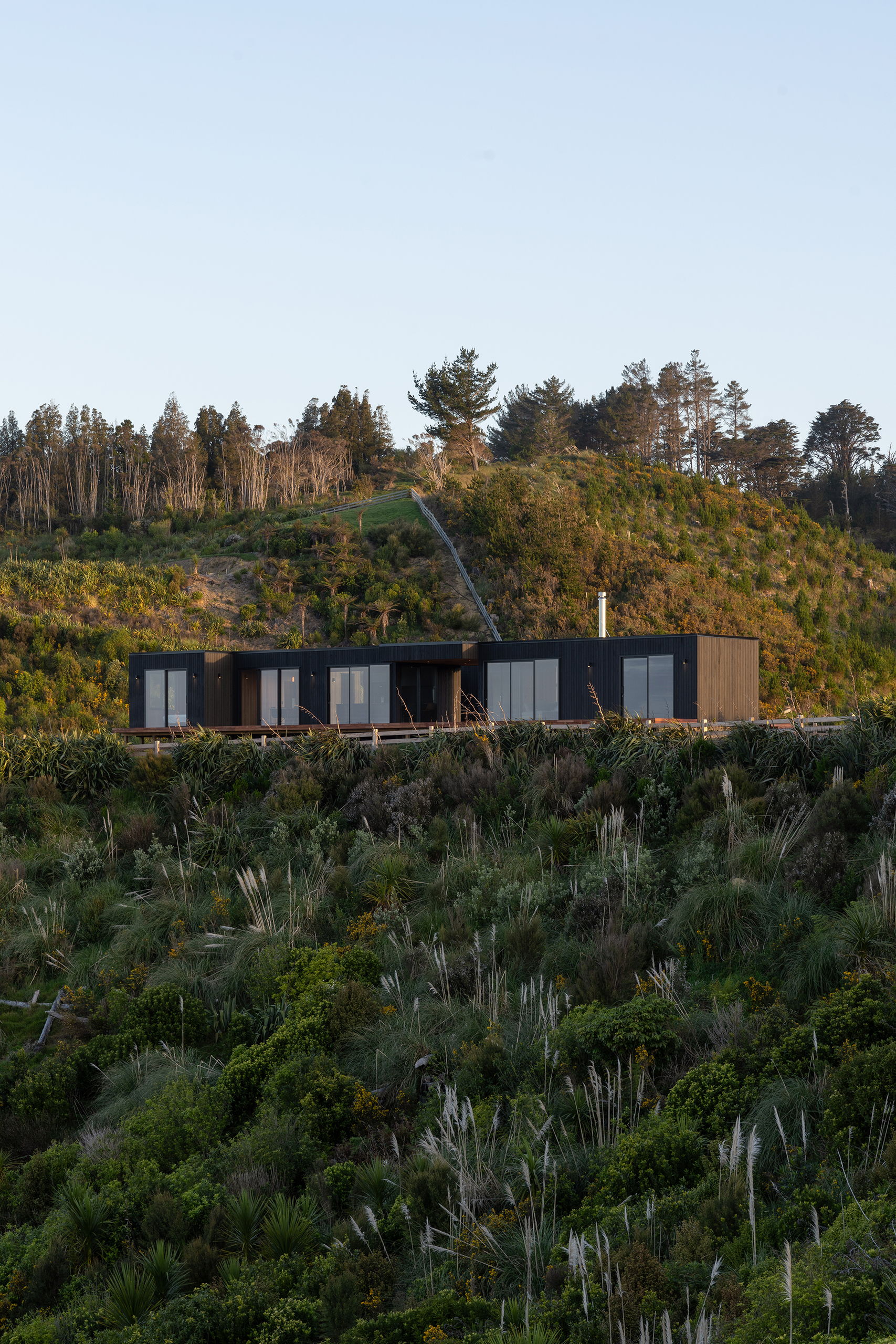
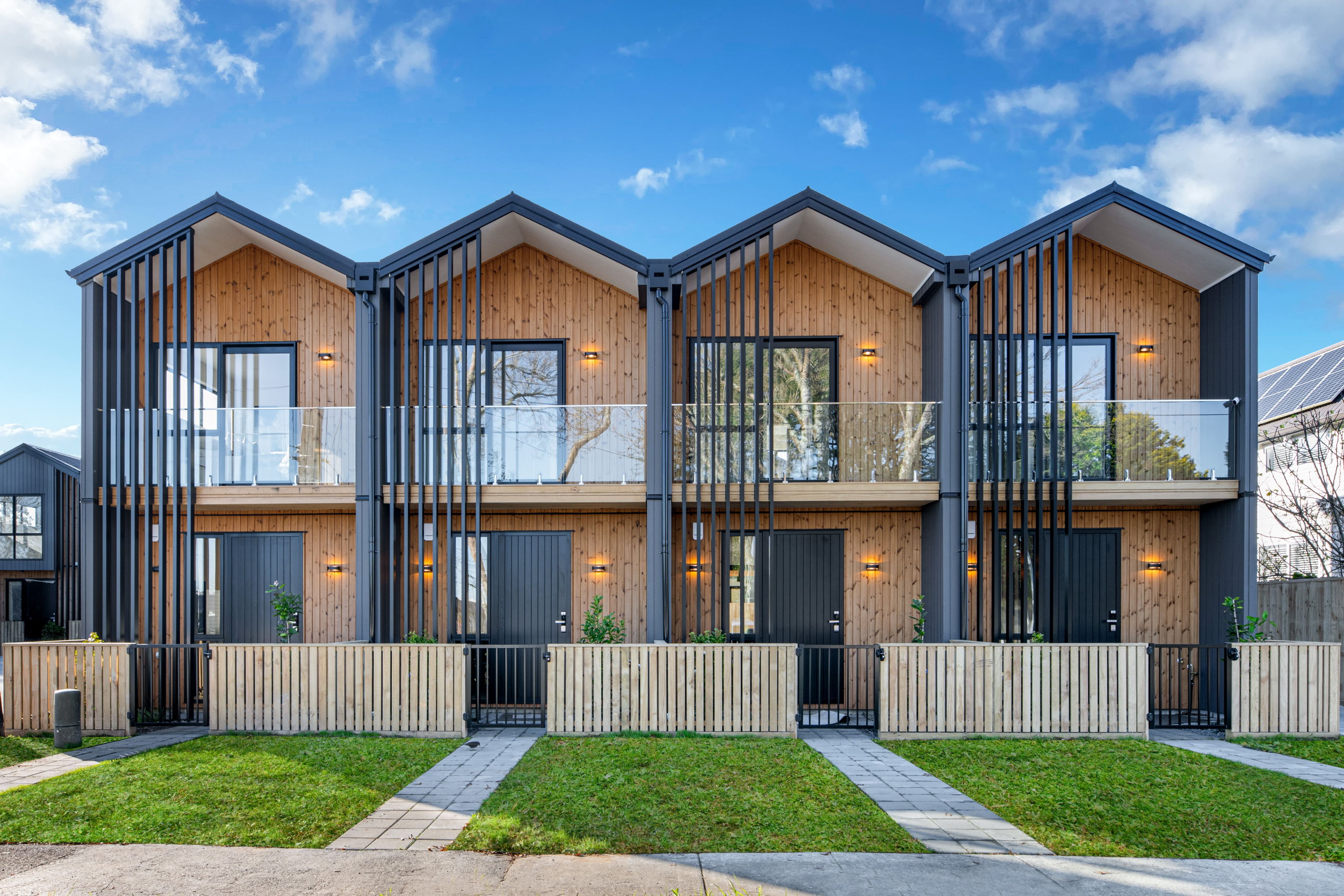


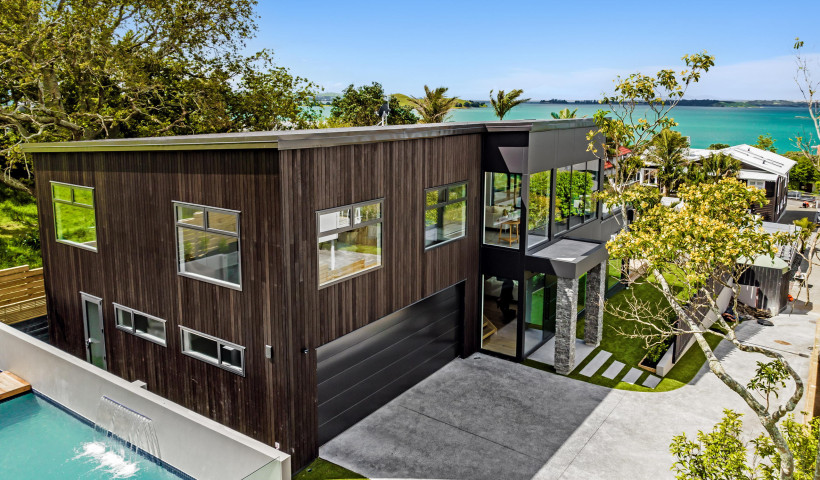
Trees absorb carbon dioxide as they grow, with carbon remaining stored in the timber throughout its service life. JSC exercises responsible timber procurement to ensure that their TMT is sourced from sustainably managed forestry, supporting JSC’s wider sustainability commitment.
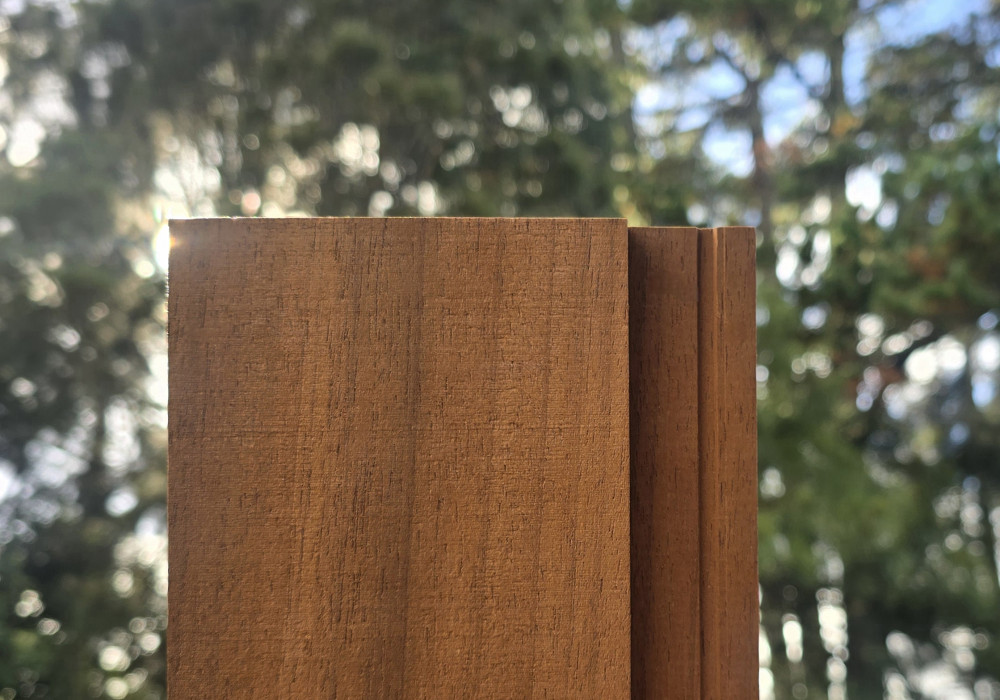
The TMT process permanently changes the timber’s cellular structure which reduces moisture absorption capacity, resulting in significant improvements to dimensional stability and resistance to fungal decay. The timber is modified through a controlled process using only heat and steam with no added treatment chemicals. Being free of added chemicals greatly expands the options for extending carbon sequestration through end-of-life reprocessing or environmentally friendly disposal when compared with chemical durability treatments.
Reducing whole-of-life embodied carbon requires architects and designers to look beyond a product’s impact at installation. Long service life, maintainability, selective replacement, and end-of-life pathways all influence the carbon sequestration profile of building materials over time. Access for future maintenance or replacement should also be considered at the design stage, particularly where access may become difficult over the life of the building.
Dimensional stability and maintenance planning
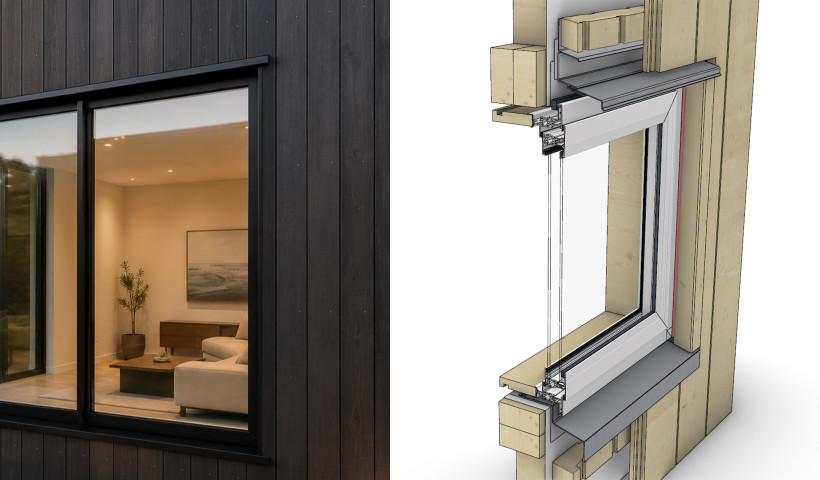
In exterior applications, repeated swelling and shrinkage can place stress on boards, joins, and coatings. The enhanced stability of TMT helps the timber respond less to fluctuations in temperature and humidity.
Correct detailing and maintenance remain essential to maximising service life. Profile, coating, and fixing selection should be compatible with the application and exposure, with installation and maintenance following JSC’s technical documentation.
Supporting efficient material use
Selecting standard profiles and available lengths, coordinating board set-out and confirming quantities early can reduce avoidable cutting and surplus material. Suitable offcuts may be retained for smaller, non-structural applications, subject to project requirements.
Because JSC TMT is solid timber with no adhesives and no treatment chemicals are added in the modification process, it offers additional pathways for reuse, recycling, and end-of- life disposal.
Assessing the full carbon picture
JSC TMT should be assessed as part of the project’s whole-of-life embodied carbon profile, rather than as a standalone carbon solution. Species regrowth, manufacturing, transport, coating, maintenance cycles, service life and end-of-life assumptions all affect the total carbon picture.
By designing for durability, efficient use, and future recovery, architects can use thermally modified timber to support wider whole-of-life carbon objectives while retaining the character, profile, and finish of natural timber.
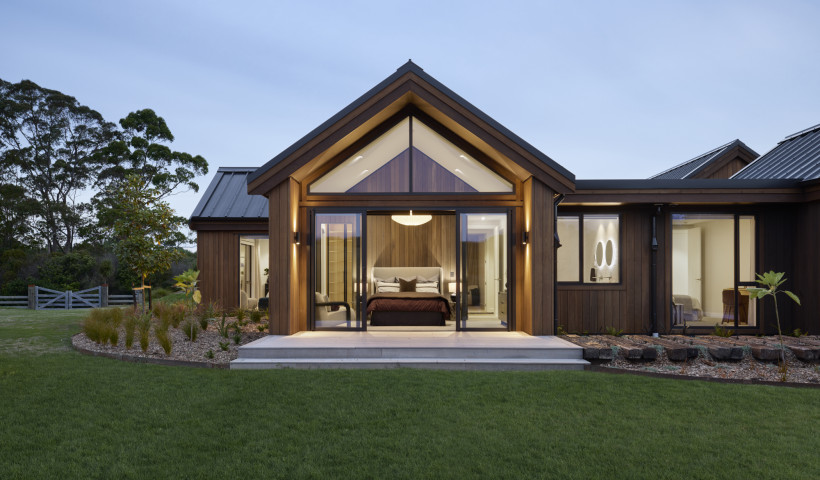
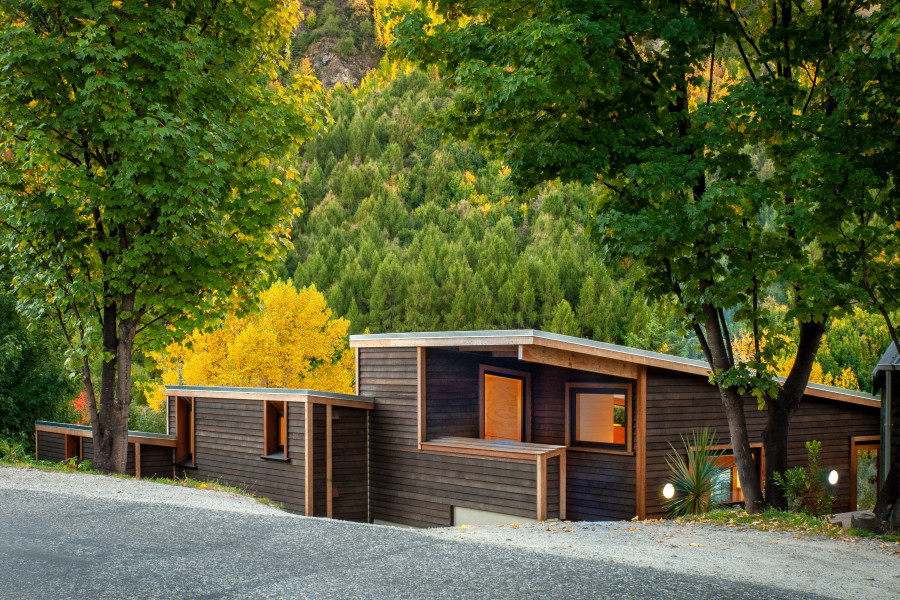
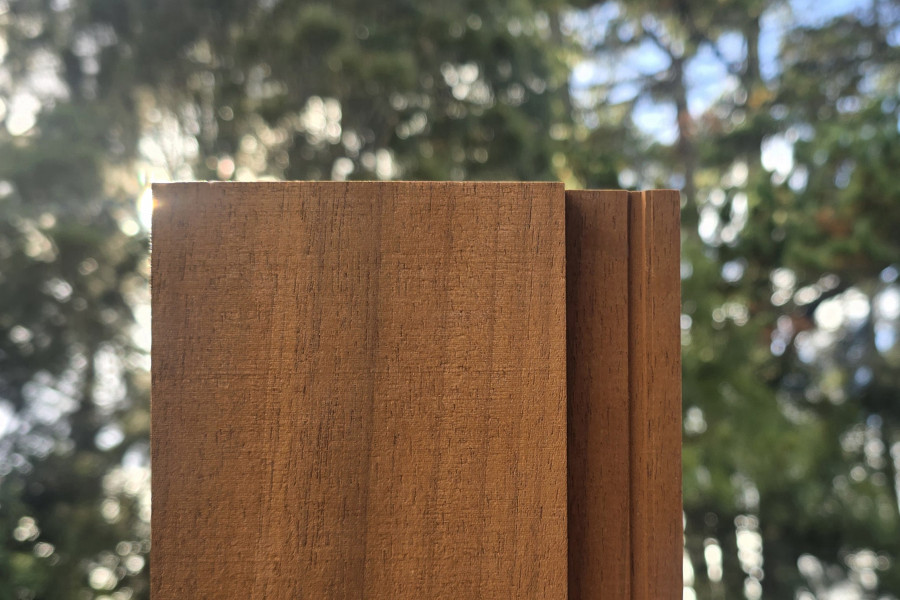
JSC TMT provides a solid timber option for exterior cladding, soffits, battens and interior panelling.
For further information, follow the links to learn about JSC’s sustainability approach and Thermally Modified Timber
 Popular Products from JSC
 Most Popular
 Popular Blog Posts