 VANTAGE Windows & Doors
 Roofing Industries
 ALTHERM Window Systems
 Dimond Roofing
 Juralco Aluminium
 SPAX
SPAX



 Prolam
 Case Studies
 PGH Bricks
 Metwood





 GreenStuf
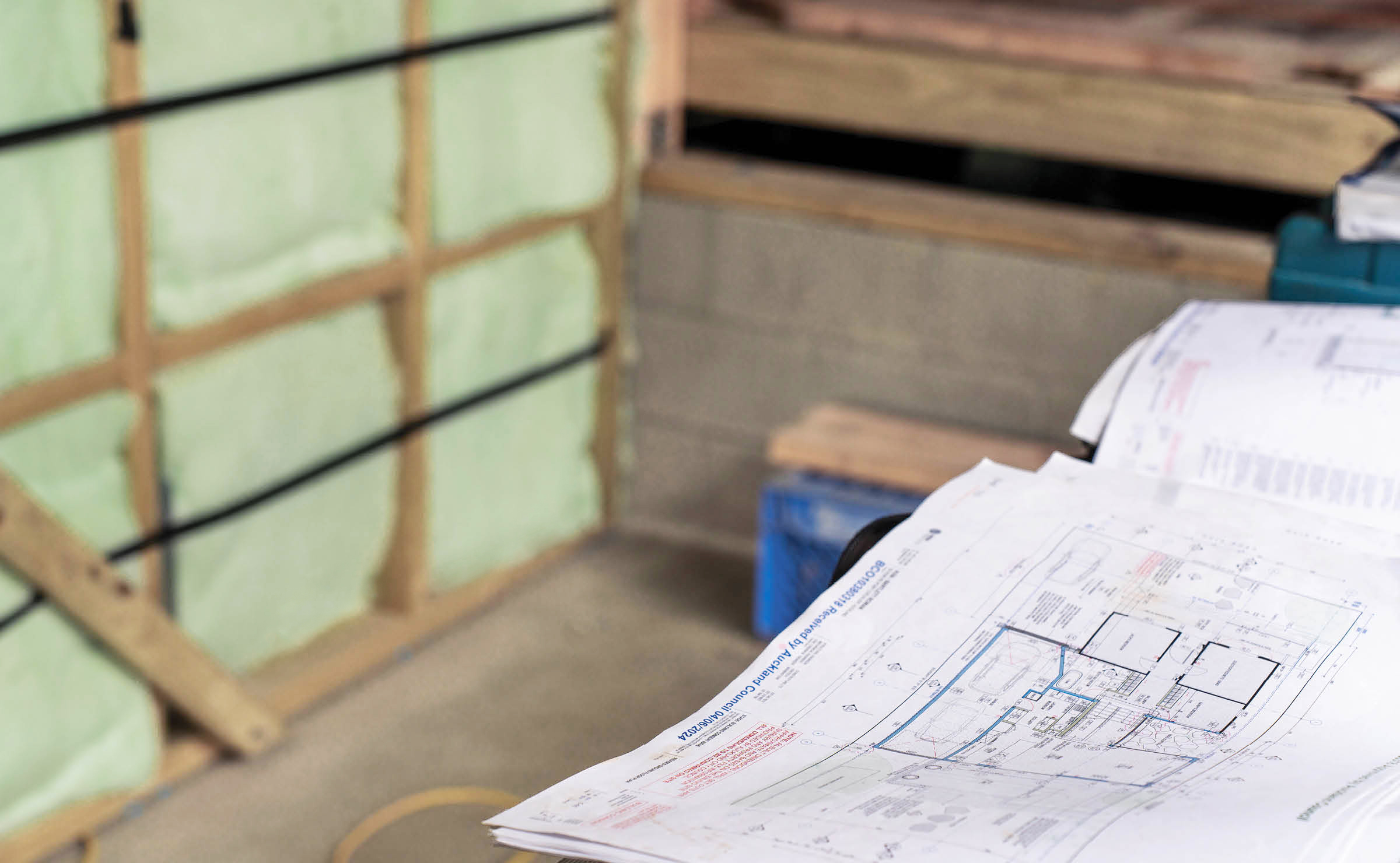





Clean air is essential to human health and wellbeing — yet it’s often overlooked in building design. According to the World Health Organisation, air pollution remains one of the most serious environmental health risks. Despite its impact, New Zealand still lacks specific regulations around indoor air quality. This places the responsibility on architects, designers, and building owners to make informed choices about materials and systems that influence the air we breathe.
The link between insulation and indoor air quality
“Insulation greatly improves indoor air quality by regulating temperature and humidity, preventing mould and mildew growth," says TJ Jhagroo, GreenStuf Account Manager. "Mould and mildew are major issues in homes and workplaces as they release allergens and irritants into the air that can cause respiratory problems, sore throats, coughing or wheezing — many symptoms we deem typical come wintertime.”
There are also a number of household products and construction materials that contain Volatile Organic Compounds (VOCs), which are chemicals that become gaseous at room temperature.
“Lots of common products have VOCs: cleaning products, glues, paints and some building materials including insulation. Breathing in VOCs can cause headaches, dizziness, and irritation; long-term exposure can have more serious effects. Polyester insulation emits very low VOCs, making it one of the only insulation materials completely free from chemical binders. It is also hypoallergenic, which is perfect for people with asthma or allergies.”
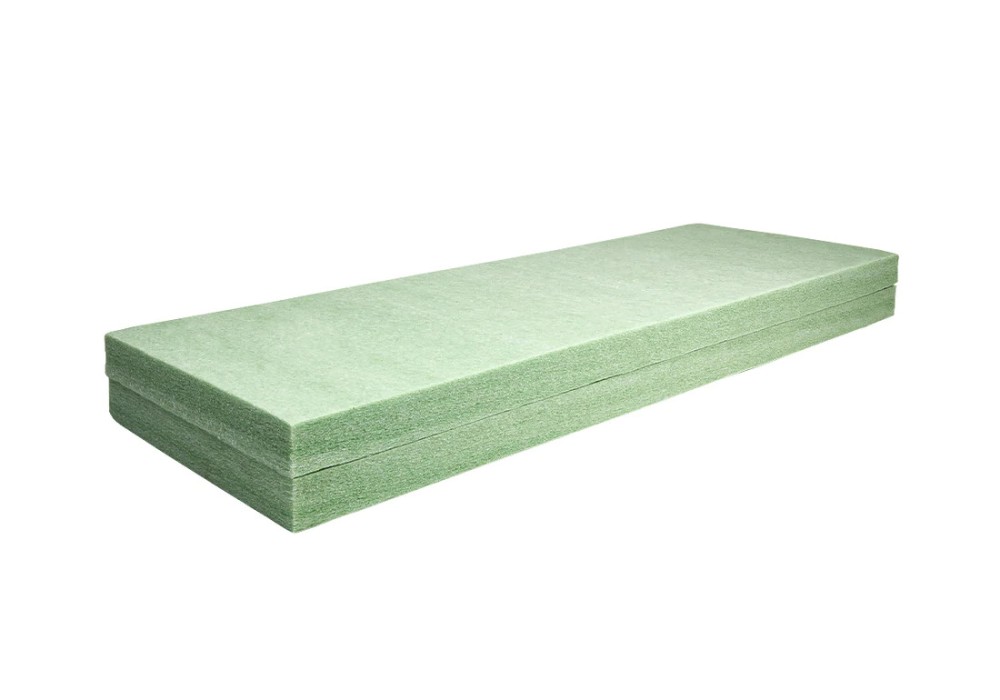
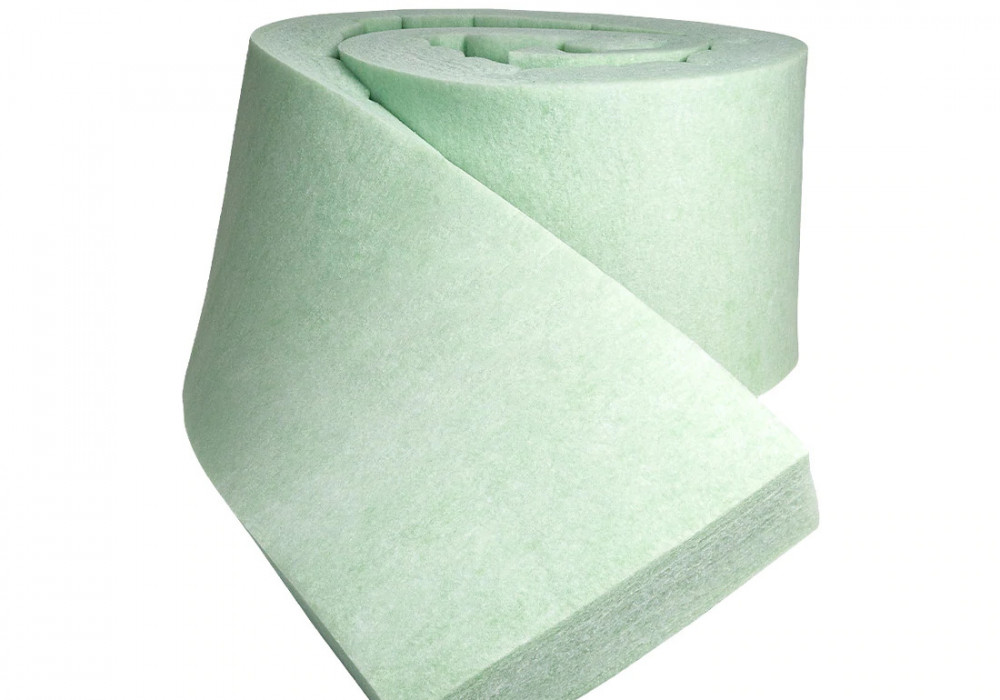
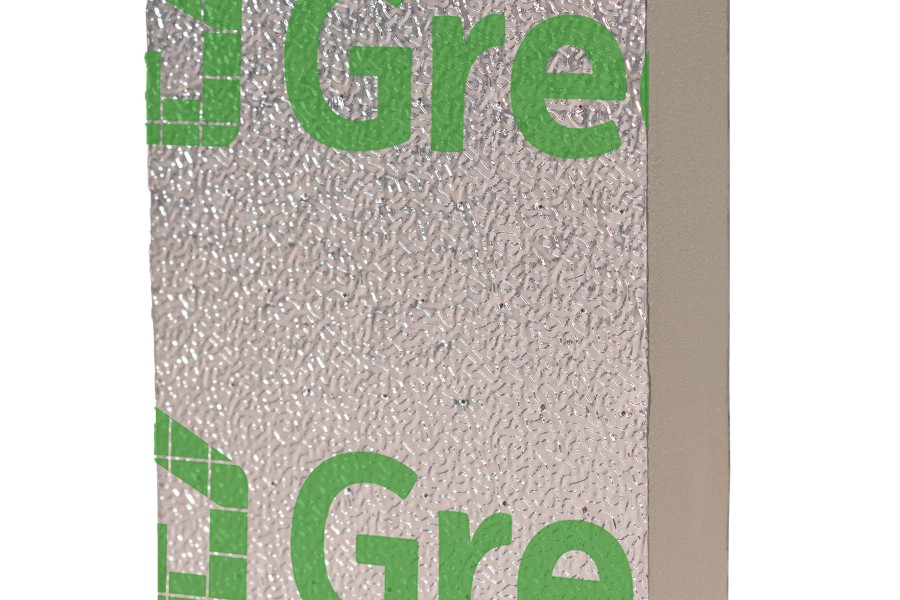
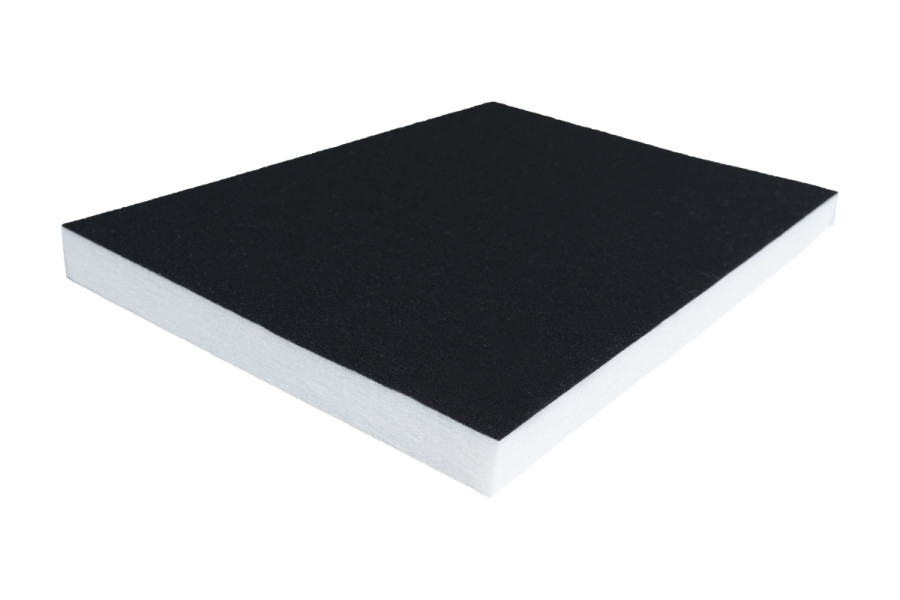
GreenStuf is made from 100% polyester, which is non-toxic, non-irritating, and does not release harmful chemicals or fibres into the air.
“These qualities are particularly important for maintaining good indoor air quality, which we know directly affects respiratory health and overall wellbeing,” says GreenStuf Account Manager Dan Hoy.
“GreenStuf is free from binders, formaldehyde, and other chemical additives, making it a safer option for people with asthma, allergies, or sensitivities."
Wellbeing and sustainability
Creating spaces that support human health means looking beyond the building footprint to consider the environmental and health impacts of construction methods and material choices. When buildings are designed with safe, sustainable materials, developers can help ensure healthy air quality — both indoors and out — throughout the build and long after completion.
“By using GreenStuf insulation with thoughtful design, material selection, and ventilation strategies, homeowners and specifiers can create healthier, more comfortable, and more sustainable indoor environments,” Dan says. “Do it once and do it right for your project.”
Get in touch with the team today to learn more about GreenStuf.

 Popular Products from GreenStuf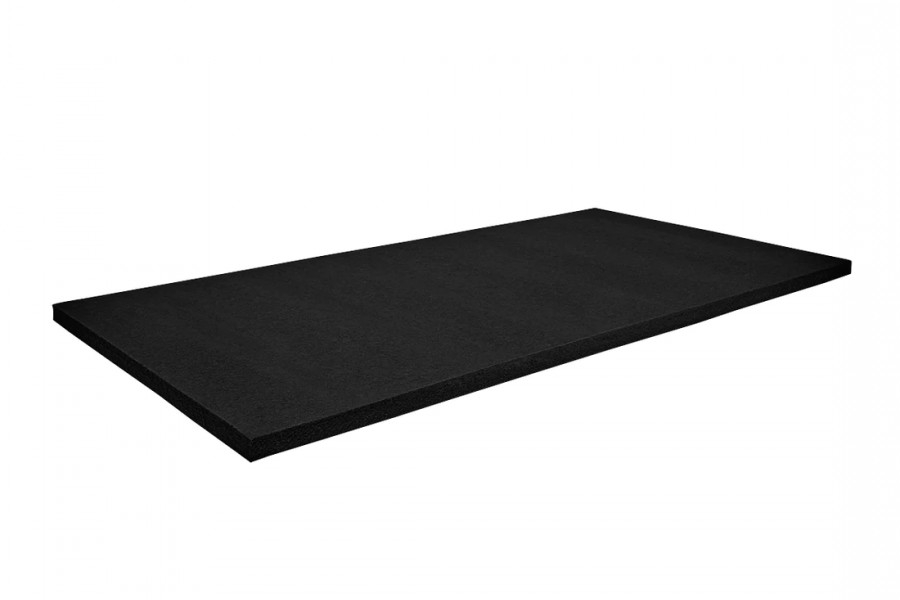
 Most Popular

 Popular Blog Posts