 VANTAGE Windows & Doors
 Roofing Industries
 ALTHERM Window Systems
 Dimond Roofing
 Juralco Aluminium
 SPAX
SPAX


 Prolam
 Case Studies
 PGH Bricks
 Metwood




 Equus Industries



 NEW
NEW
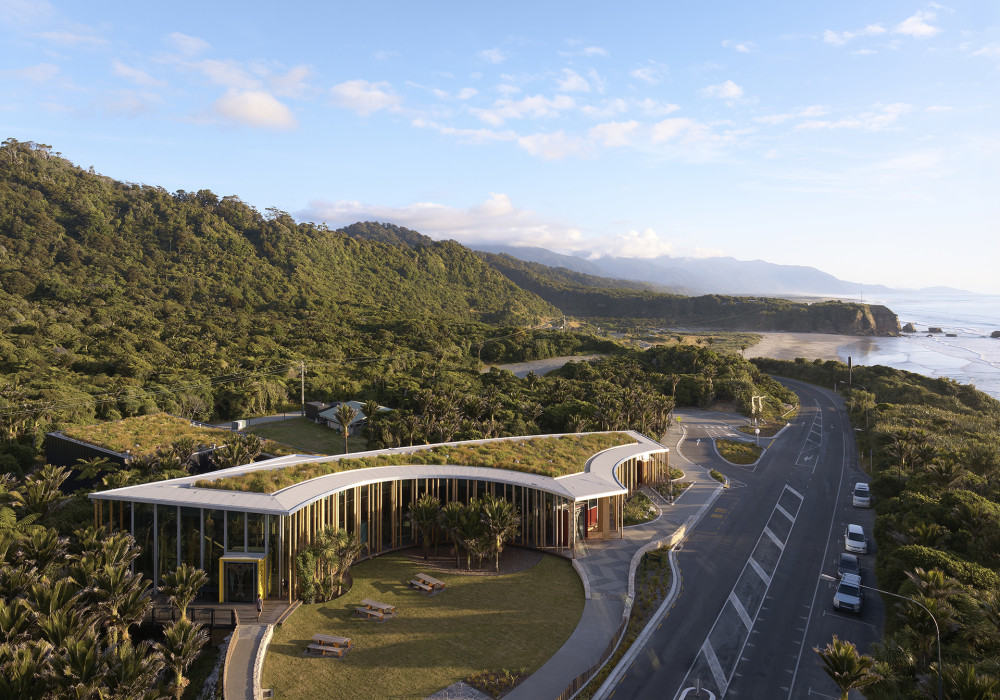
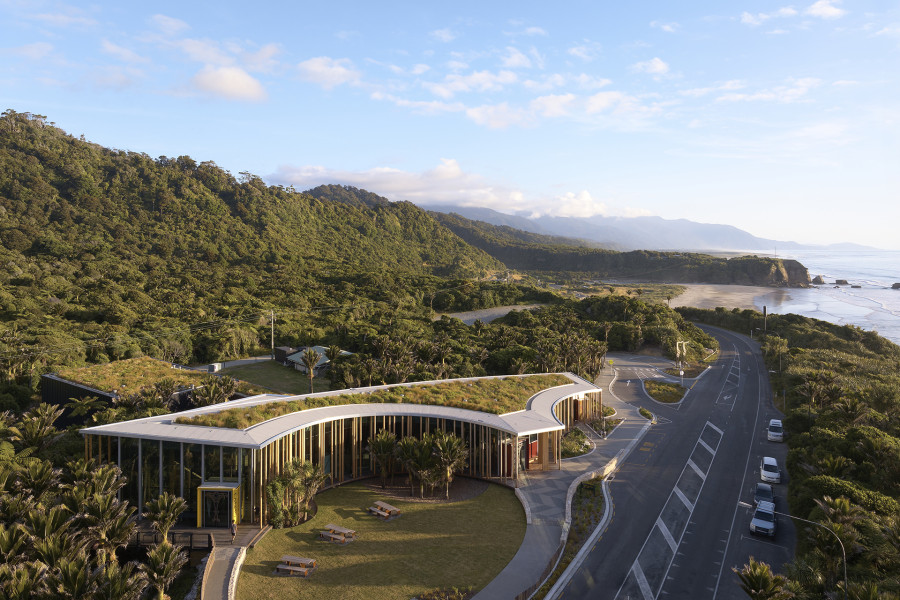
When combined with a warm roof system, a green roof not only helps regulate roof temperature but also reduces stormwater runoff during heavy rain. But their real advantage lies in their ability to offset the carbon impact of a building footprint by reinstating greenery at roof level.
Green roofs in the New Zealand context
In New Zealand, most green roofs are specified for commercial buildings, with growing interest in their potential to enhance both urban biodiversity and wellbeing. They can serve as break-out spaces for office workers, outdoor classrooms for schools, or simply as part of a building’s ecological response to climate change.
Three approaches to green roofs
Equus specialises in delivering watertight, durable green roof systems using the SOPREMA Duo root-resistant membrane. Depending on the desired planting and structural capacity, three levels of green roof design can be achieved:
- Extensive green roofs: Lightweight, low-maintenance systems designed for mosses, grasses, and groundcover. These are the most economical solution, suitable for timber, metal, or concrete roofs.
- Simple intensive green roofs: Designed for small shrubs and light planting, providing an aesthetic layer of greenery above.
- Full intensive green roofs: Comparable to a traditional garden, supporting everything from large shrubs to mature trees, and even incorporating water features. These require deeper soil profiles and robust structural systems, but create vibrant, usable outdoor environments.
Duotherm Warm Roofs: A low carbon advantage
Green roofs are most effective when combined with a Duotherm Warm Roof system. The Equus SOPREMA Duotherm Warm Roof provides continuous thermal insulation, reducing heating and cooling demand and helping buildings meet low-carbon performance targets.
Duotherm is a lightweight, thermally insulated roofing system that uses PIR or SOPRAROCK mineral wool insulation beneath the waterproofing layer to deliver consistent R-values in line with the New Zealand Building Code. It extends roof life, reduces lifecycle carbon costs, and is available in a root-retardant version for green roof applications.
By pairing the thermal efficiency of Duotherm with the environmental benefits of a green roof, architects and designers can create resilient, high-performance roofing solutions that reduce energy use while delivering long-term durability.
Designing for low carbon futures
Green roofs reduce the urban heat island effect, enhance stormwater management, and help absorb CO₂, making them a valuable tool in reducing the carbon footprint of our cities. With approximately 20% of flat commercial roofs Equus delivers now incorporating green roof solutions, the trend is set to continue growing in both commercial and residential sectors.
Rethinking the role of the roof
Green roofs allow architects and designers to transform underutilised surfaces into spaces that support climate resilience, human wellbeing, and architectural expression.
For inspiration or technical guidance on how to incorporate a green roof into your next project, contact your local Equus Representative.
 Popular Products from Equus Industries

 Most Popular
 Popular Blog Posts