 VANTAGE Windows & Doors
 Roofing Industries
 ALTHERM Window Systems
 Dimond Roofing
 Juralco Aluminium
 SPAX
SPAX


 Prolam
 Case Studies
 PGH Bricks
 Metwood





 Equus Industries




 NEW
NEW
The removal of the Schedule Method from NZBC Clause H1 signals a clear shift toward a performance led approach to energy efficiency for residential new builds under 300m². Designers must now demonstrate compliance using the calculation or modelling methods, placing greater emphasis on accurate system design and reliable technical input.
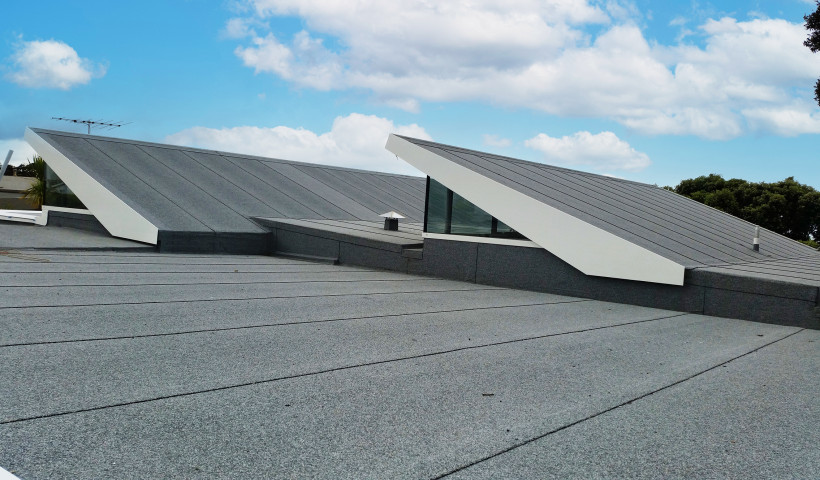
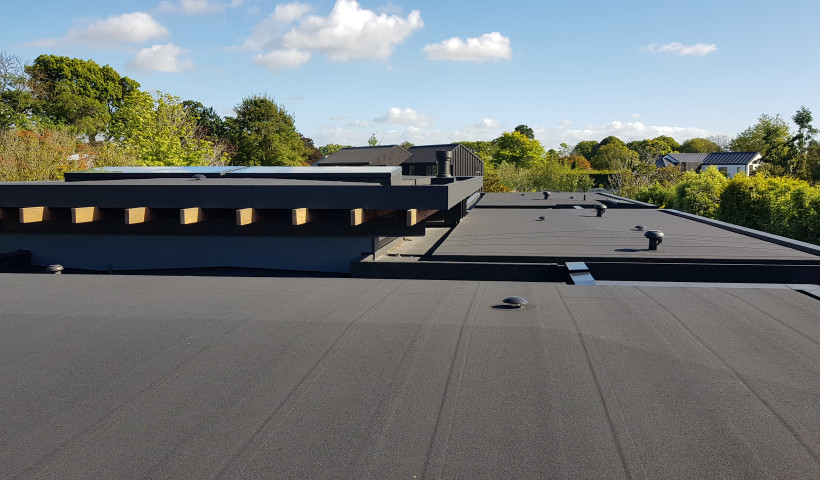
Warm roof systems are increasingly specified in residential projects and can play an important role in meeting H1 requirements when designed correctly. Rather than defaulting to conservative assumptions, performance-based R value calculations allow roof build-ups to be optimised for each project. Assessing insulation type, thickness, and build-up configuration helps designers achieve compliance efficiently while supporting long-term comfort.
Condensation Risk Analysis (CRA) is an integral part of this process. By assessing moisture performance in the context of climate, location, and construction type, CRA helps confirm that warm roof assemblies will perform as intended over time. Just as importantly, it provides confidence that systems are not being overspecified, supporting cost effective design decisions without compromising performance.
PIR insulation is most commonly used in warm roof applications, with flexibility to assess alternative insulation types where required. Hybrid solutions — combining a warm roof with internal ceiling insulation — can also be an effective strategy for balancing thermal performance, condensation control, buildability, and cost, particularly where architectural or construction constraints apply.
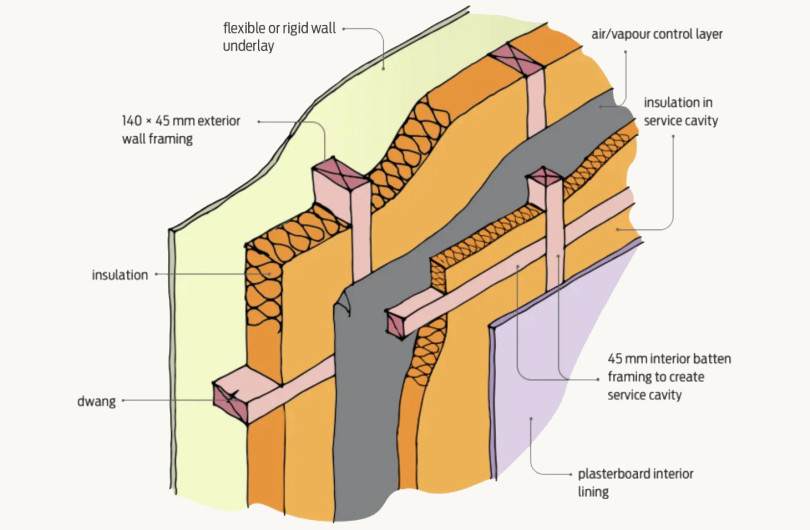
While roofs are often a key driver for H1 compliance, a coordinated approach to the building envelope remains important. Insulation solutions for walls and underslab can also be incorporated where required, supported by consistent technical guidance.
Beyond thermal assessment, Equus Industries supports specifiers through design development and delivery, including assistance with specification documentation, wind load calculations and fixing plans for warm roofs, detail reviews, and on-site QA support. Warm roof systems incorporating Soprema membranes are available with a range of membrane types and can be warrantable for up to 25 years when specified with the Duo membrane, providing added confidence in long-term performance.
 Popular Products from Equus Industries

 Most Popular
 Popular Blog Posts