 VANTAGE Windows & Doors
 Roofing Industries
 ALTHERM Window Systems
 Dimond Roofing
 Juralco Aluminium
 SPAX
SPAX



 Prolam
 Case Studies
 PGH Bricks
 Metwood






 Rothoblaas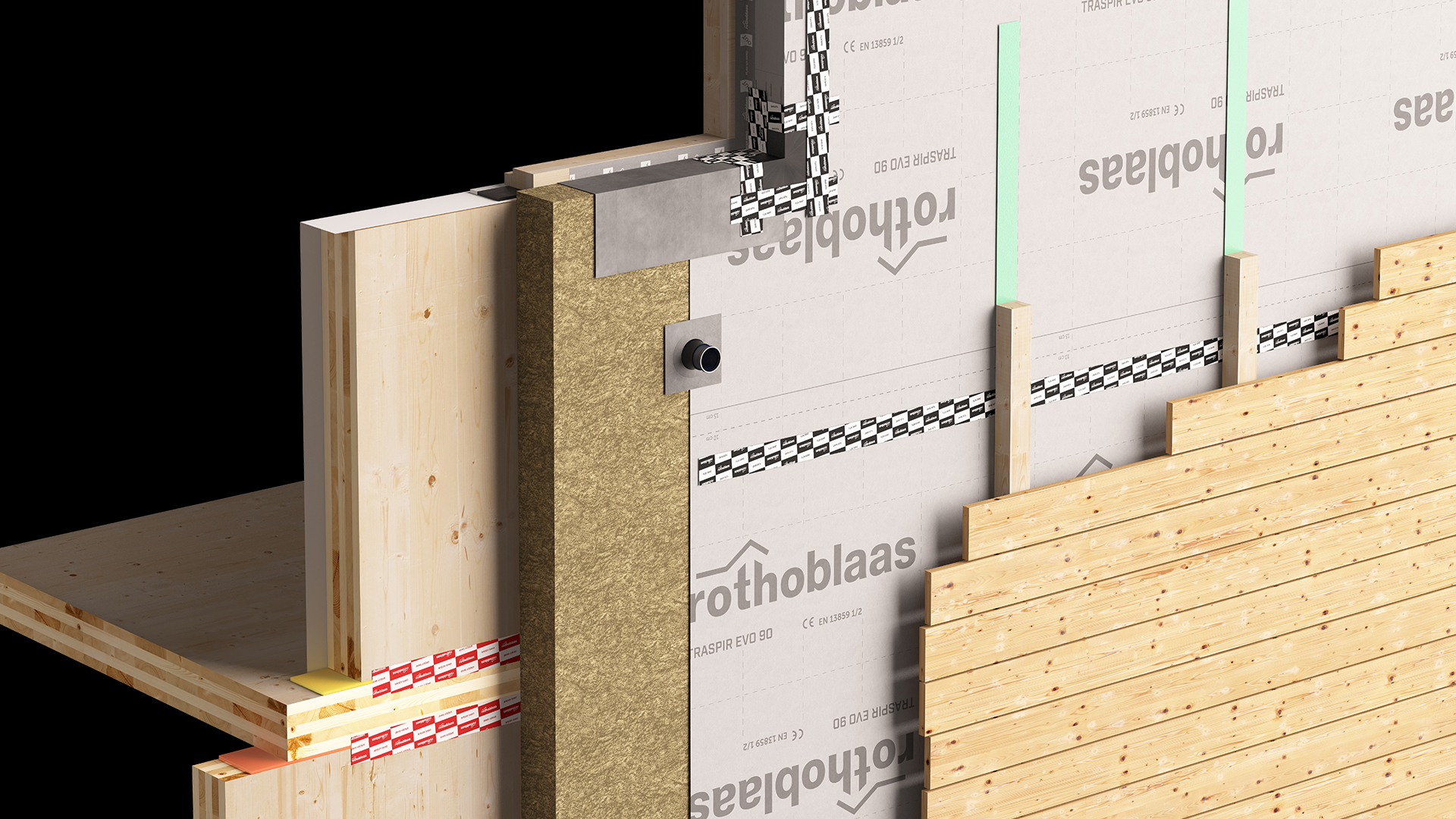

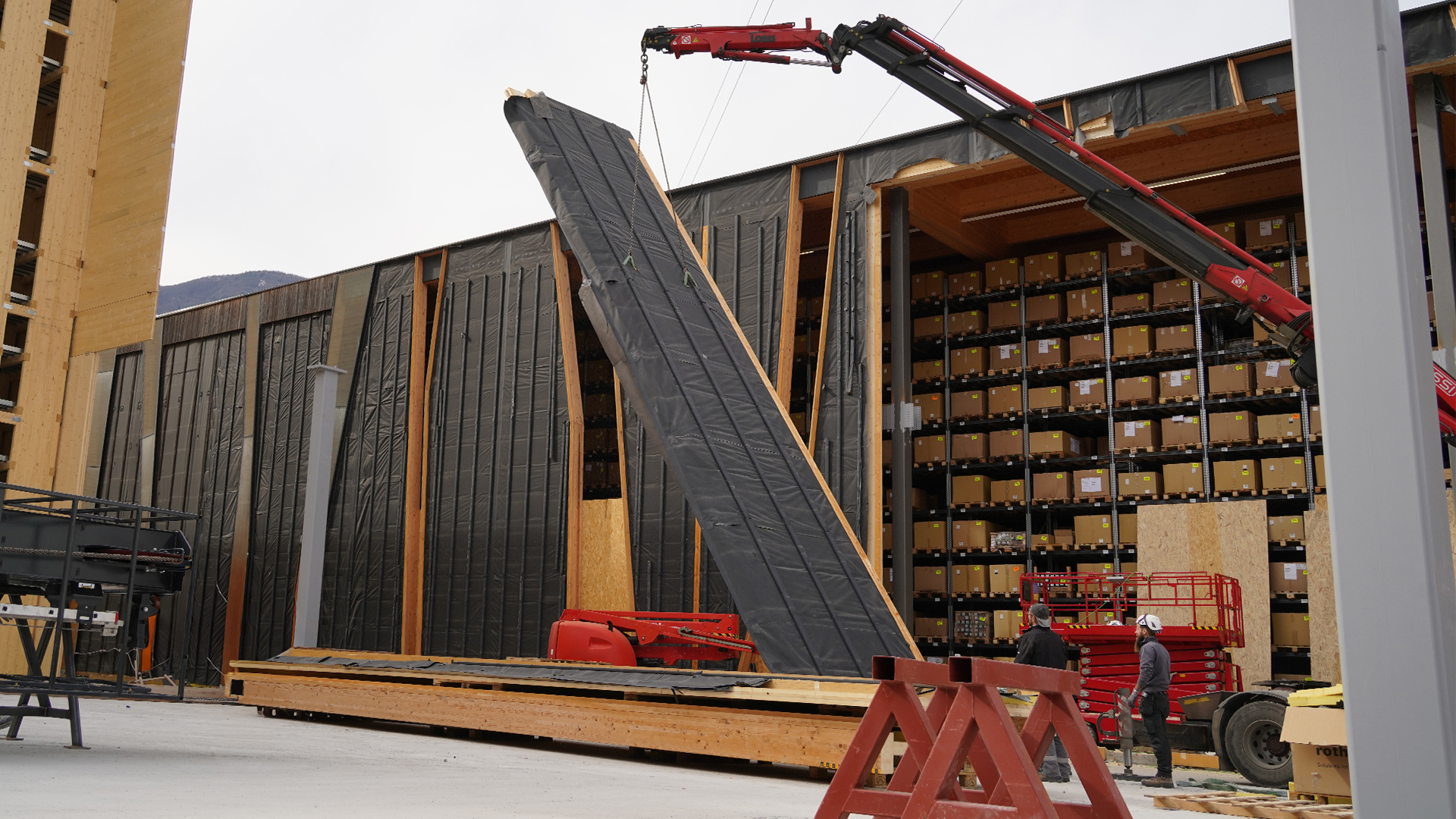
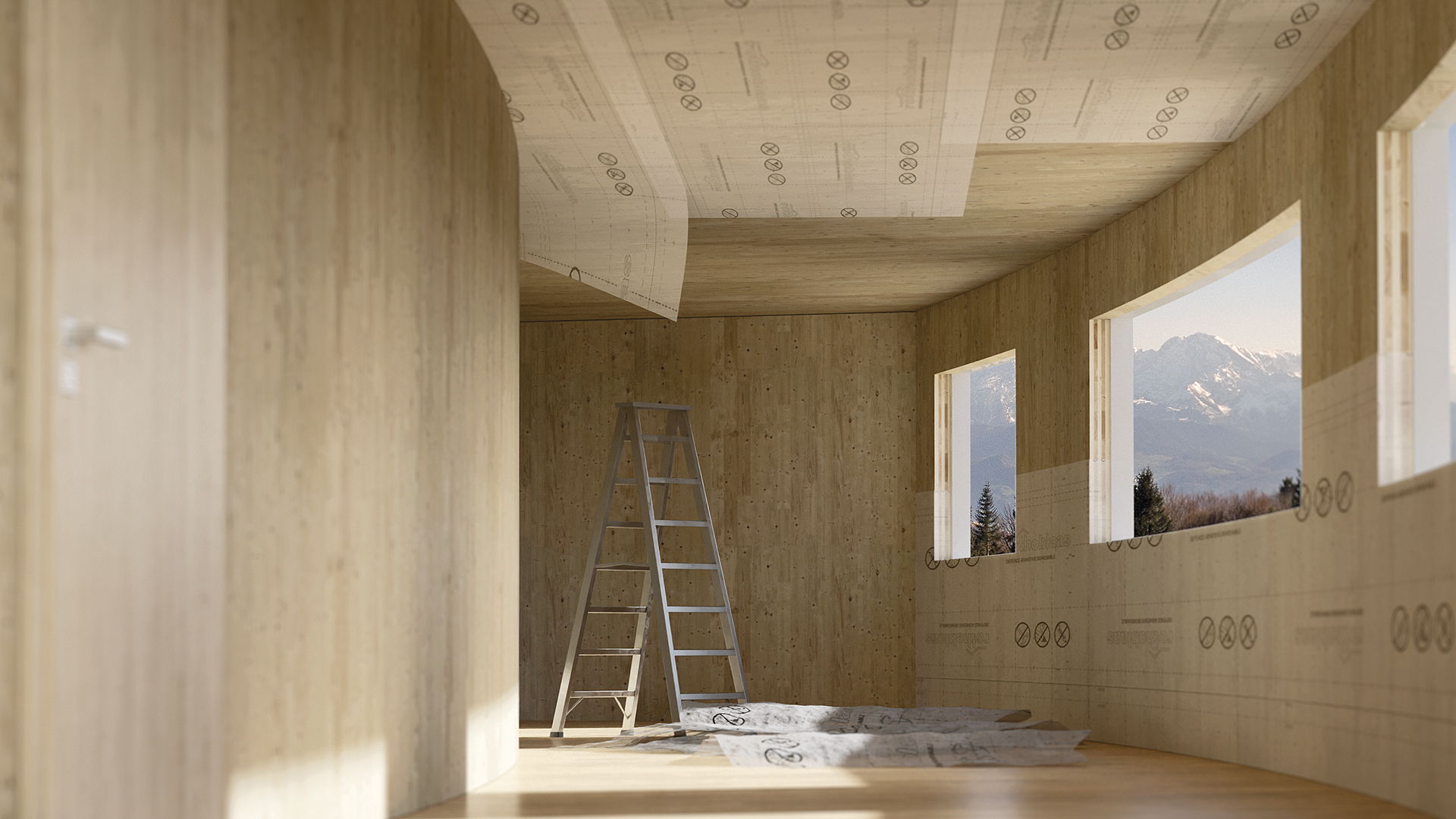


In New Zealand, fluctuations in humidity and temperature require special attention when designing timber buildings, even when working to advanced standards such as Passivhaus. In this context, even the smallest imperfection in sealing can jeopardise airtightness, reduce energy efficiency and lead to unplanned maintenance costs. It's no coincidence that the choice of technical membranes is becoming an increasingly central factor in local Passivhaus projects, which continue to grow steadily in number.*
Parameters with no room for compromise
The Passivhaus standard is based on precise requirements: reduced heating and cooling demand (≤ 15 kWh/m²a), high airtightness (n₅₀ ≤ 0.6 h⁻¹), the elimination of thermal bridges and ventilation with highly efficient heat-recovery. Within this framework, controlling airflow and humidity through technical membranes becomes a decisive factor, as it contributes both to energy efficiency and to the durability of the structure.
CLIMA CONTROL 80: Adapting to humidity, protecting performance
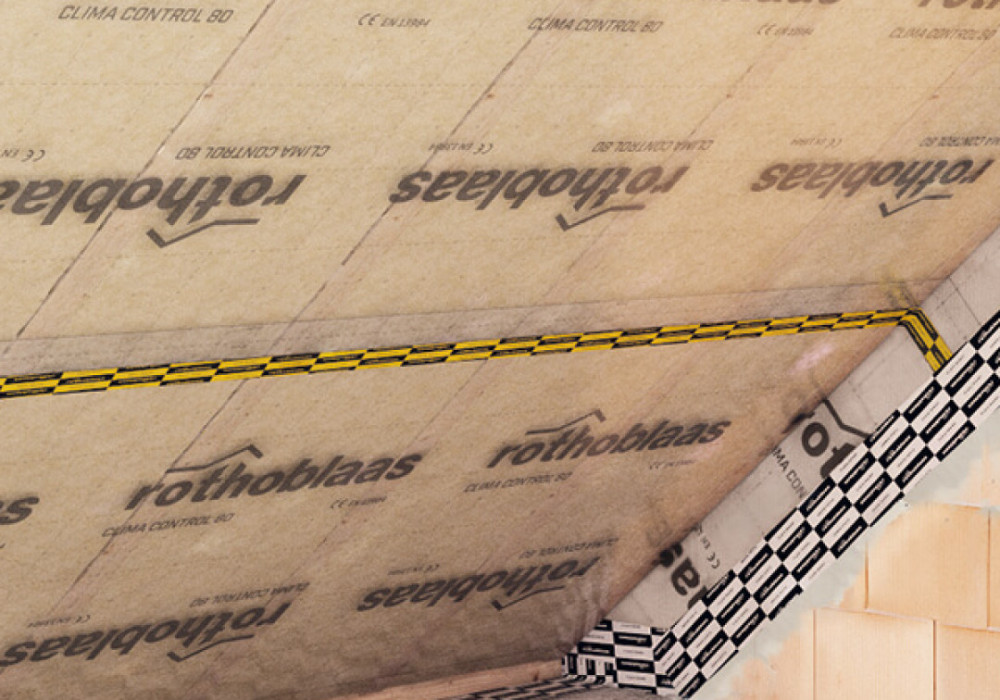
The CLIMA CONTROL 80 membrane by Rothoblaas, certified by the Passive House Institute, is a solution specifically designed to meet these demands. Thanks to its variable resistance to vapour diffusion, it acts as a vapour control layer under low-humidity conditions and as a breathable membrane when levels rise. This “intelligent” behaviour keeps the building envelope dry throughout the year, preventing condensation and extending the service life of materials.
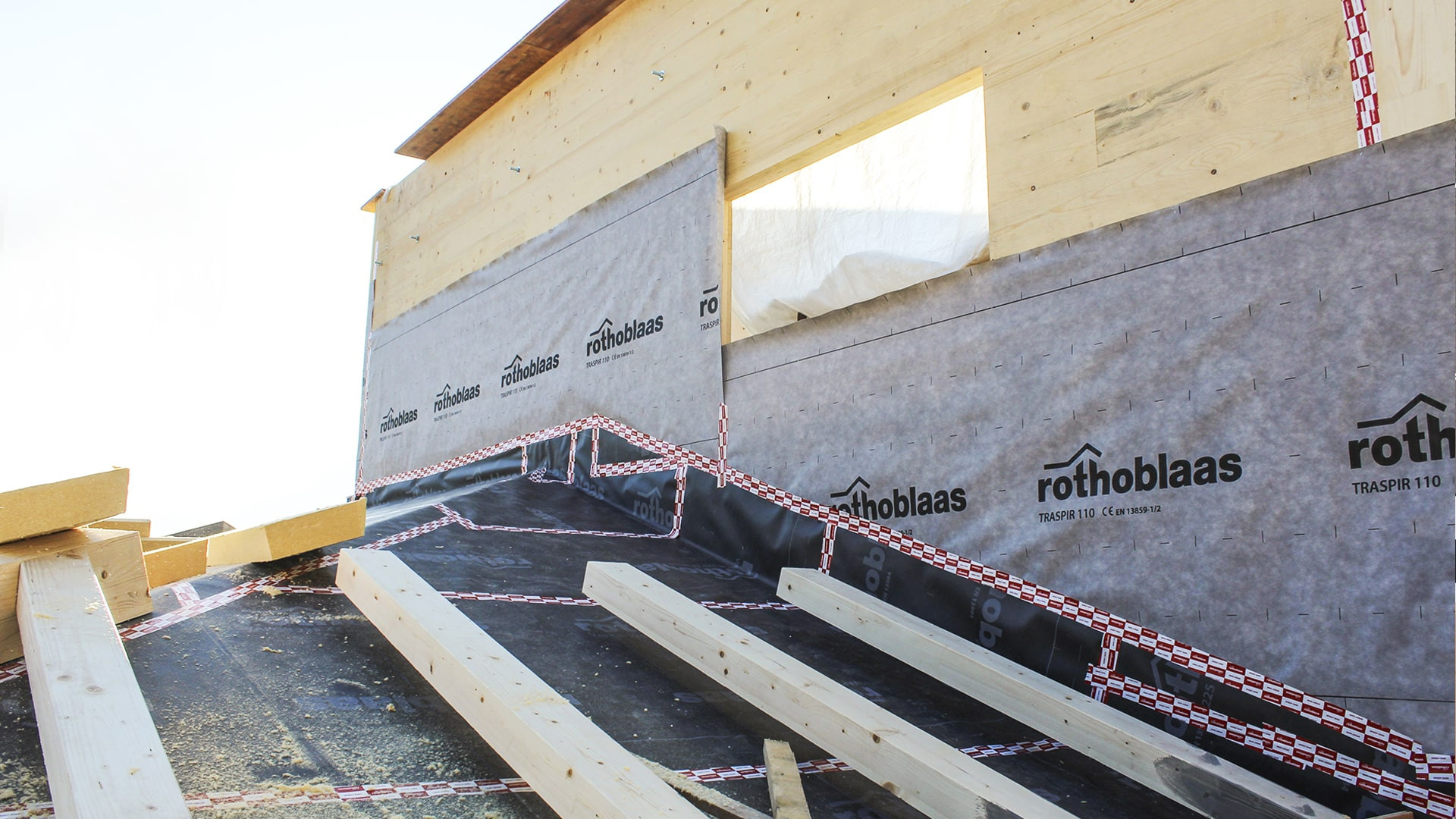
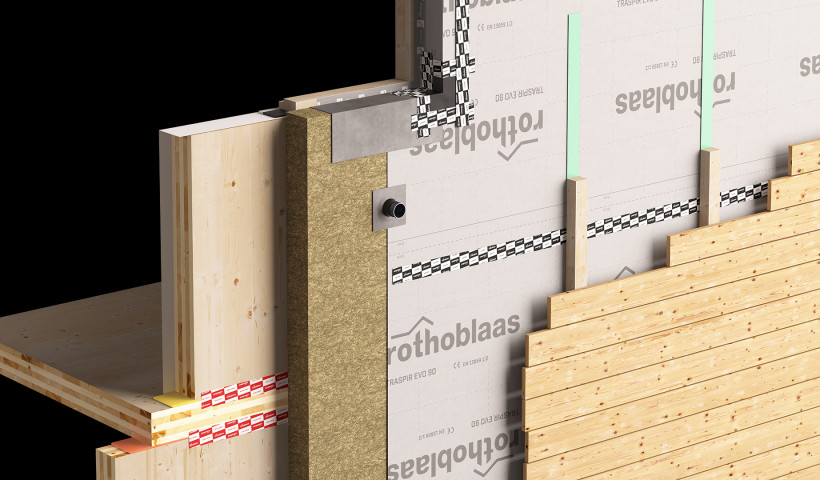
CLIMA CONTROL 80 guarantees high mechanical strength and is fully compatible with the timber construction systems widely used in New Zealand. When applied together with Rothoblaas’ Passive House-certified tapes (FLEXI BAND, SPEEDY BAND, SEAL BAND), it enables the creation of high-performance building envelopes, reducing the risk of infiltrations and thermal loss.
Properly integrating membranes and tapes into the building envelope is not just a matter of compliance; it ensures durability, efficiency and lower running costs throughout the building’s entire lifespan. This is why engaging with professionals who are familiar with local materials and applications can make a real difference right from the design stage.
Want to explore Rothoblaas solutions for your Passivhaus projects in New Zealand? Contact the NZ Technical Sales team
*Passive House Institute NZ (PHINZ), Passive Housing in New Zealand: An Emerging Path to Energy Efficiency, Passive House International, 2020.
 Popular Products from Rothoblaas
 Most Popular
 Popular Blog Posts