
 VANTAGE Windows & Doors
 Roofing Industries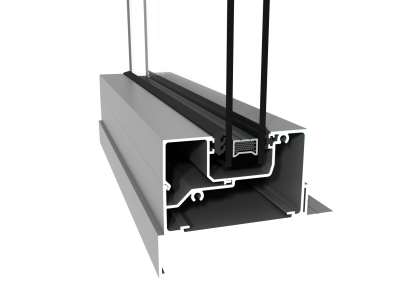
 ALTHERM Window Systems
 Dimond Roofing
 Juralco Aluminium
 SPAX
SPAX



 Prolam
 Case Studies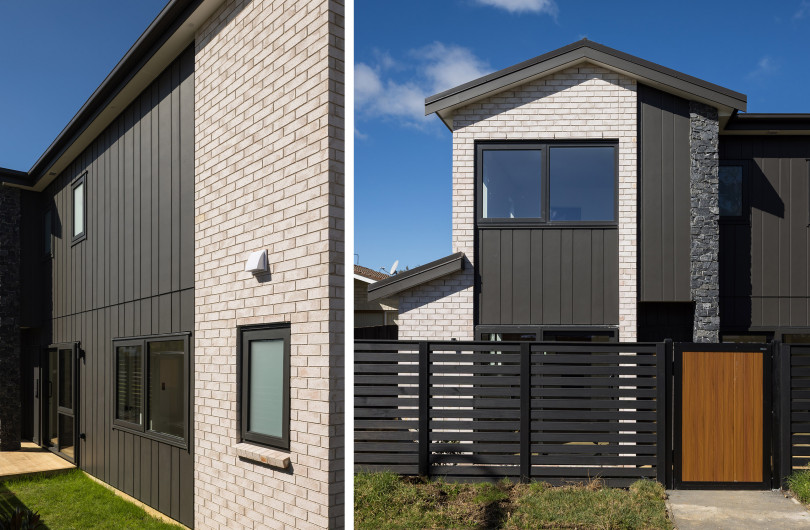
 PGH Bricks
 Metwood






 Rheem
Rheem





It’s no secret that modern homes and businesses depend on energy-hungry technology, appliances and transport. Energy — and increasingly electric energy — plays such an important part of our lives, whether that be charging phones, heating our homes, or keeping the office lights on. Alongside this, the drive toward Net Zero is only accelerating and the cost of energy is increasing, which means reducing operational carbon in buildings has become a top priority for many businesses and homeowners.
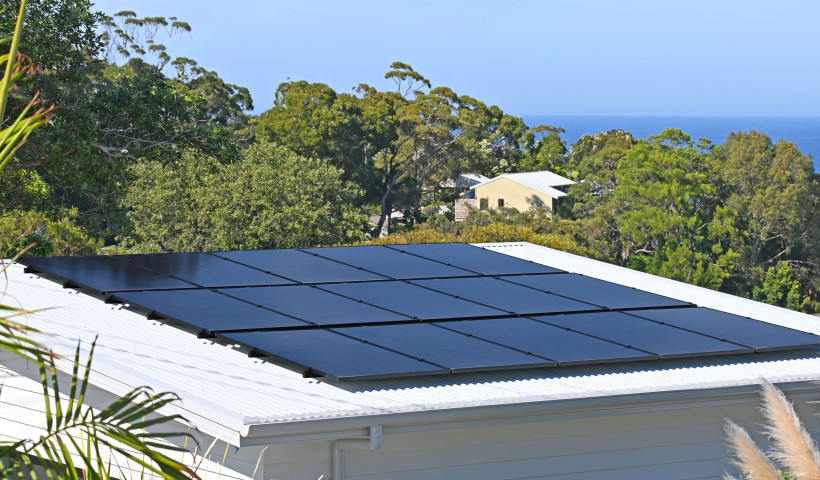
One of the most direct ways to achieve this is through solar PV, which generates renewable electricity on-site without producing greenhouse gas emissions during use. By replacing a portion of grid electricity with solar, buildings can significantly cut their carbon footprint while also meeting the expectations of Green Star, Homestar, or other sustainability frameworks.
Meeting Green Star Targets
New Zealand’s leading sustainability rating system for non-residential buildings and precincts evaluates projects across categories such as energy use, emissions reduction, and resilience, rewarding initiatives that reduce operational carbon and enhance performance. Incorporating solar PV can directly support credits under the Energy and Emissions categories by lowering dependence on grid energy and reducing operational greenhouse gas emissions. For instance, Green Star’s “Greenhouse Gas Emissions” criteria allow projects to earn points for reducing carbon relative to a reference building.
Meeting Homestar Targets
New Zealand’s premier rating tool for homes also recognises the use of renewable energy as an environmental credit, supporting higher star ratings for healthier, more sustainable dwellings. Integrating solar PV into a home targeting Homestar (e.g., Homestar 6 or above) contributes to lowering operational energy and aligning with increasingly strict energy and thermal performance expectations.
This makes solar particularly valuable for specifiers aiming for Net Zero, Green Star, or Homestar ratings. It supports emissions-related credits, reduces energy use, contributes to building resilience, and clearly positions projects ahead of minimum compliance thresholds.
But the benefits go beyond emissions. With solar in place, a building becomes less exposed to volatile energy markets and less reliant on centralised infrastructure. When combined with battery storage, solar systems can support critical loads during outages and contribute to overall building resilience. For both residential and commercial projects, this reliability is becoming as important as the emissions savings themselves.
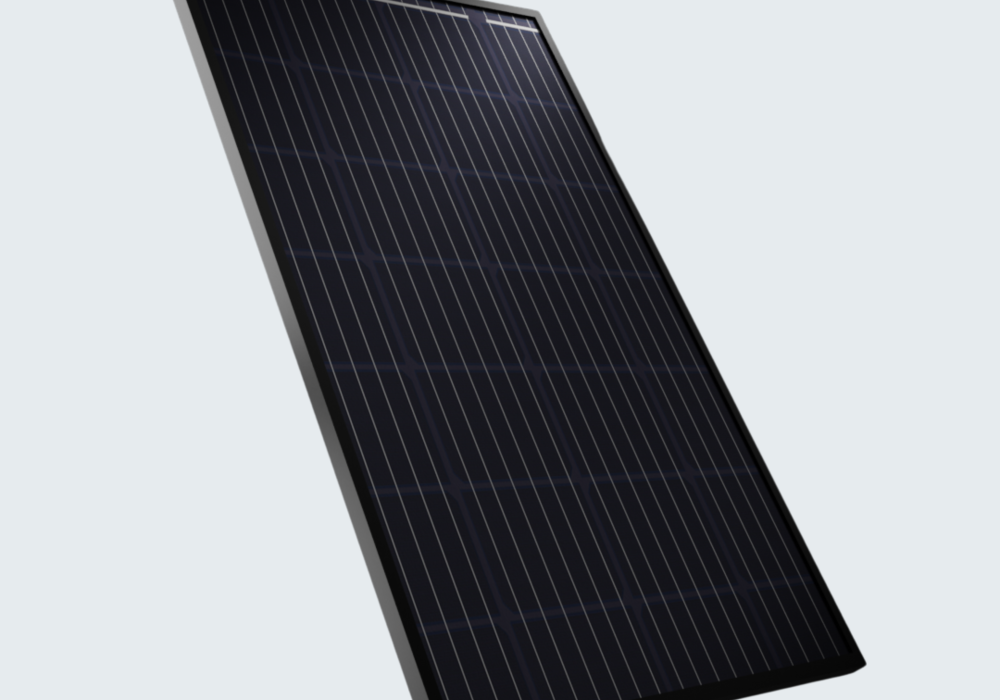
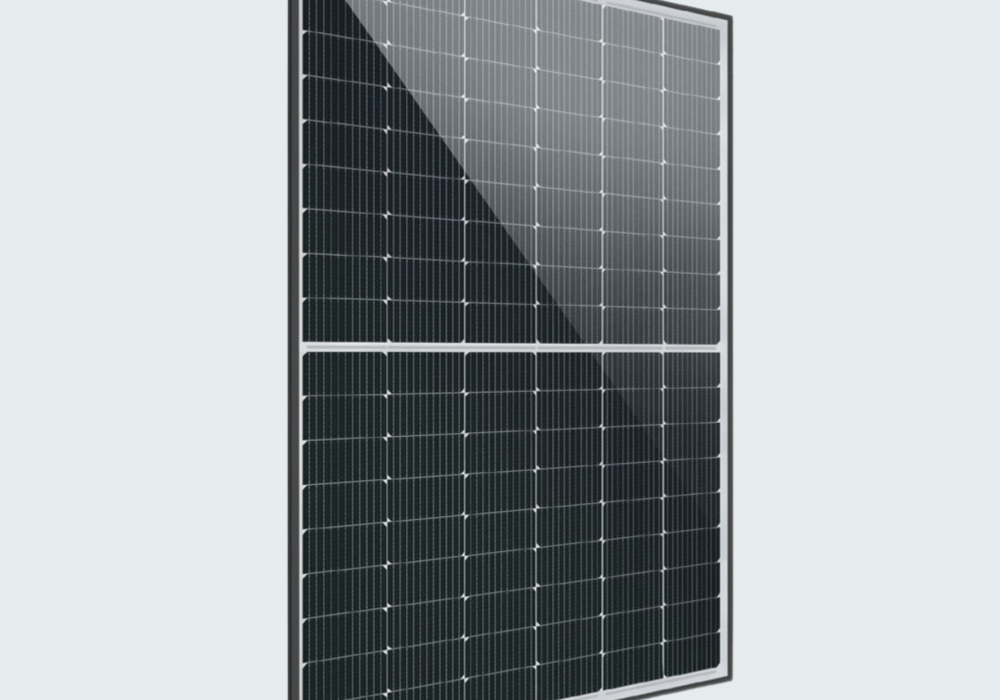
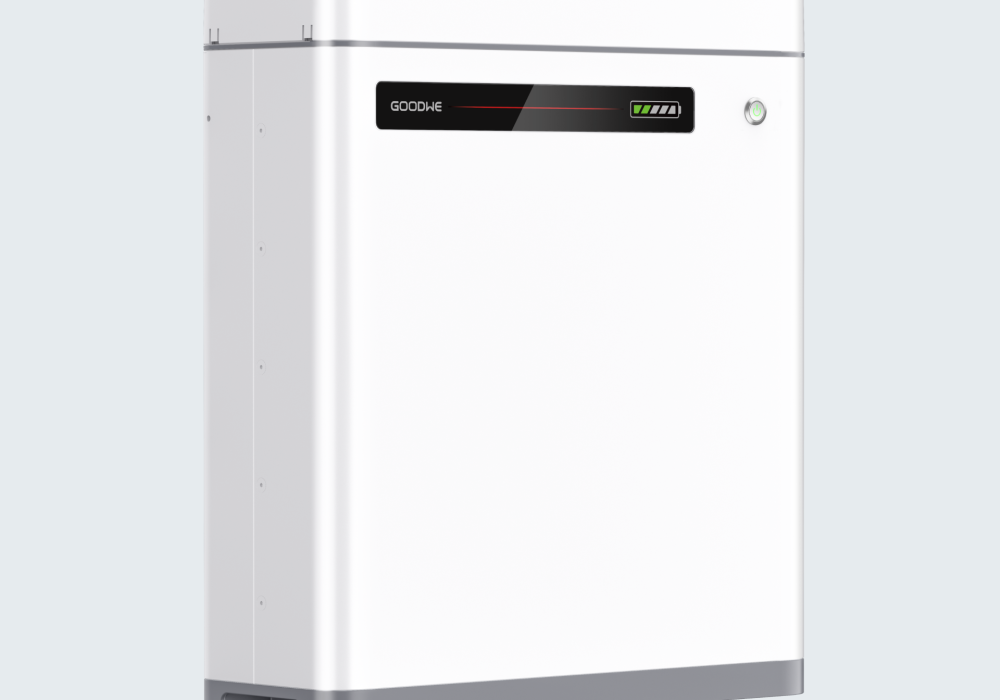
Rheem Solar Solutions provides a complete pathway for projects ready to make this transition. The Rheem team can take you through the entire process, from initial consultation right through to installation. Products include panels, inverters, and batteries, along with the right racking and components — and they’re all designed to work together seamlessly.
If you’re interested in making the move to solar and taking the smart step toward resilient, efficient, and genuinely low carbon buildings, head to the new Rheem Solar Solutions website, fill in the form, and one of the Rheem team will be in touch.

 Popular Products from Rheem
 Most Popular

 Popular Blog Posts