 VANTAGE Windows & Doors
 Roofing Industries
 ALTHERM Window Systems
 Dimond Roofing

 Juralco Aluminium

 SPAX


 Prolam
 Case Studies
 PGH Bricks
 Metwood







 Rheem

As apartment living continues to grow across New Zealand's urban centres, architects and developers face increasing pressure to create buildings that are efficient, comfortable and future-ready. Every design decision, from floorplans to building services, plays a role in shaping the resident experience.
One important but often overlooked consideration is the hot water system.
Traditionally, centralised hot water systems have relied on large storage tanks and significant plant room infrastructure. While effective, these systems can occupy valuable space and limit design flexibility, particularly in developments where every square metre counts.
Making better use of space
In high-density residential developments, maximising usable floor area is a key objective. Reducing the footprint of building services can create opportunities for additional apartments, improved resident amenities or more efficient building layouts.
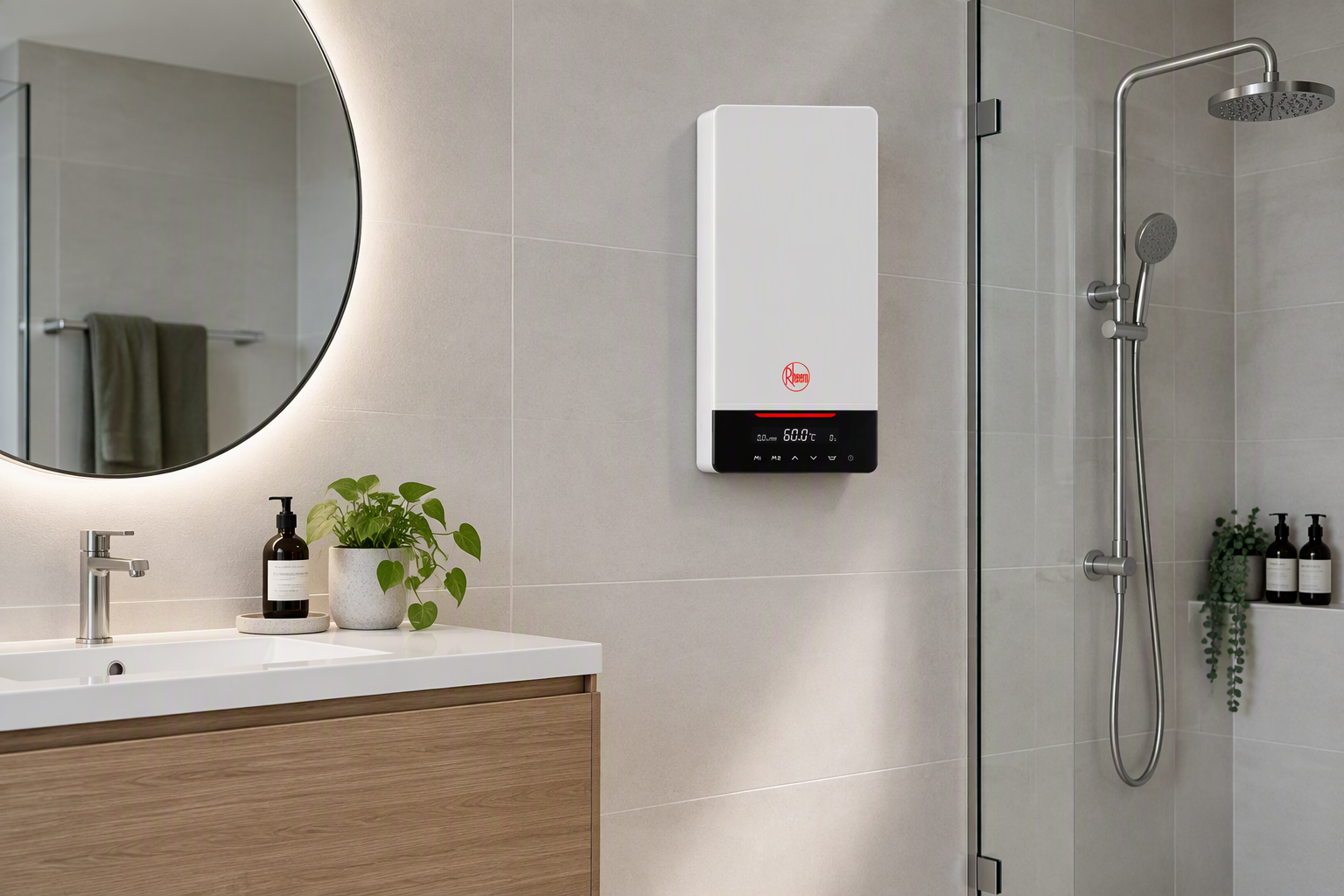
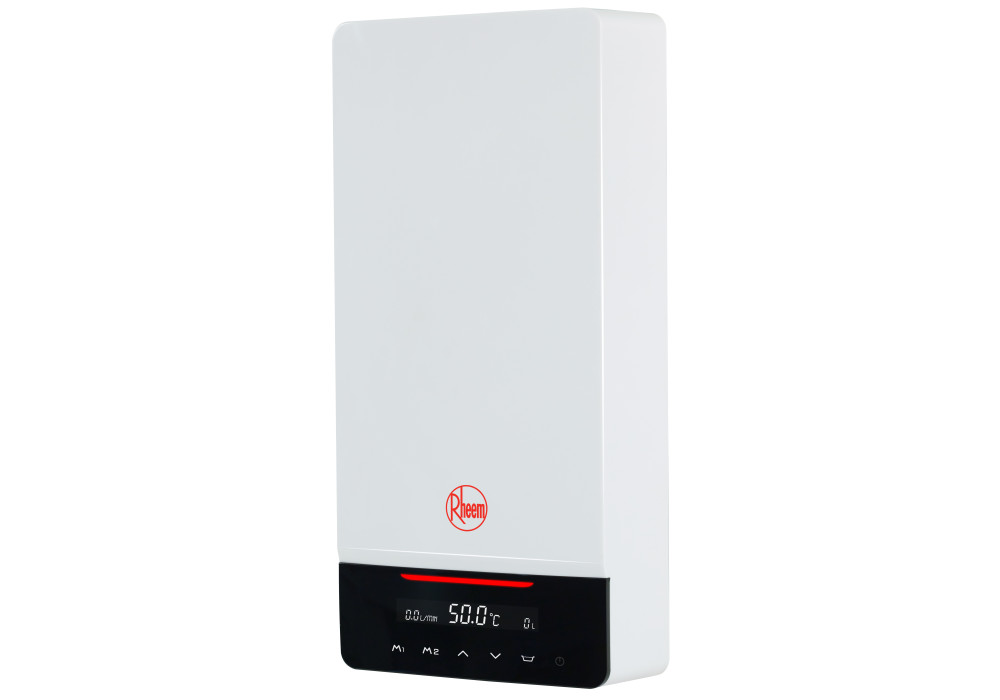
Electric continuous flow technology offers a different approach. Rather than storing large volumes of heated water, continuous flow systems heat water only when required. This can reduce the need for bulky storage infrastructure and support more compact plant room designs, helping architects make better use of valuable building space.
Delivering comfort for residents
While efficient use of space is important, resident comfort remains paramount.
Apartment occupants expect reliable access to hot water throughout the day, particularly during peak demand periods when multiple dwellings may be drawing hot water simultaneously. Modern electric continuous flow systems can be configured to meet varying demand requirements and scaled to suit developments ranging from boutique apartment buildings through to large multi-storey complexes.
The result is dependable hot water delivery that helps support a positive resident experience.
Supporting electrification goals
As the building industry continues its transition towards lower-emission design, many developers are embracing all-electric building services to help meet sustainability objectives.
Hot water infrastructure represents a significant component of a building's energy system, making product selection an important consideration during the design phase. Electric continuous flow technology provides a fully electric solution that can align with broader building electrification strategies while maintaining performance and occupant comfort.
A smarter approach to high-density living
As New Zealand's cities continue to grow, successful apartment developments will need to balance efficiency, comfort and sustainability.
While often hidden from view, hot water infrastructure can make a meaningful contribution to these outcomes. By reducing space requirements, supporting reliable performance and complementing all-electric building design, electric continuous flow technology is becoming an increasingly attractive solution for modern apartment living.

 Popular Products from Rheem


 Most Popular
 Popular Blog Posts