
 VANTAGE Windows & Doors
 Roofing Industries
 ALTHERM Window Systems
 Dimond Roofing
 Juralco Aluminium
 SPAX
SPAX



 Prolam
 Case Studies
 PGH Bricks
 Metwood






 Rheem
Rheem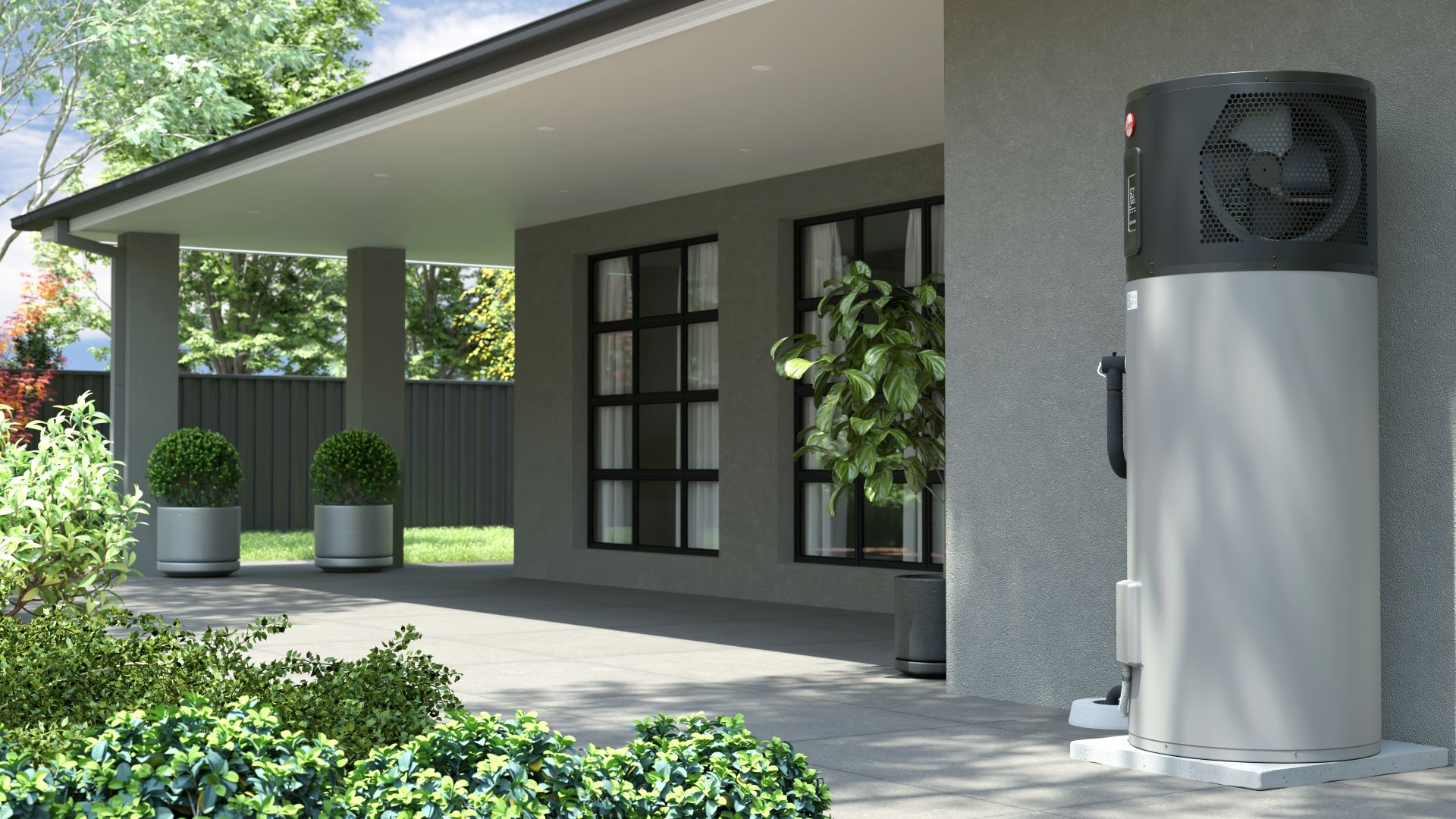


When discussing low-carbon buildings, the first things that come to mind are typically insulation, glazing and solar. These are all important, but there is another area with practical solutions that’s often overlooked: water heating.
According to EECA, water heating accounts for roughly a third of household energy use and is the second biggest user of home energy, behind space heating. As New Zealand moves towards lower-emission buildings, improving water heating efficiency presents a very accessible opportunity to reduce operational carbon, without changing building layouts or lifestyles.
Improving efficiency through heat pump water heaters
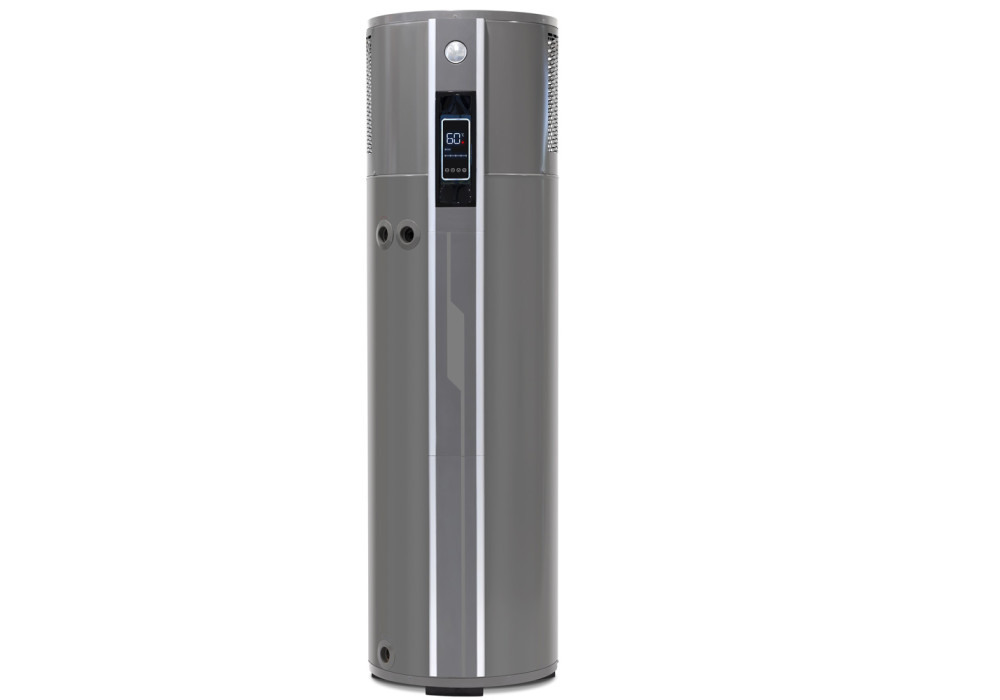
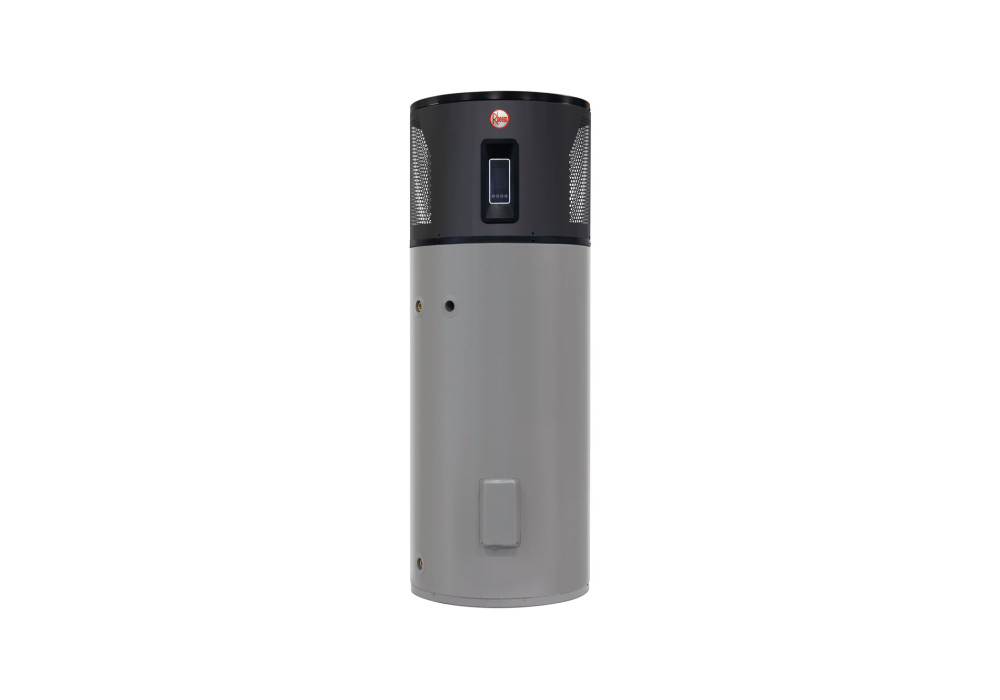
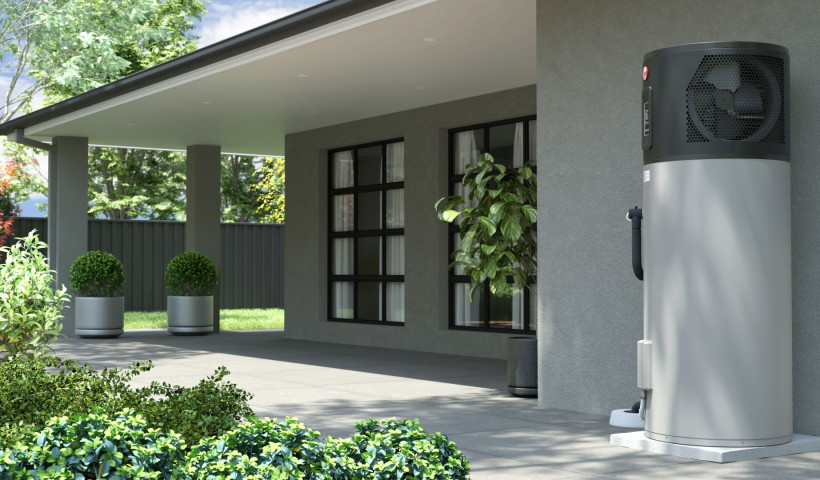
Unlike conventional electric water heaters, heat pump water heaters utilise heat from the surrounding air and transfer it into stored water. Because they move heat rather than relying solely on electricity to generate it, they can significantly reduce the energy required for water heating.
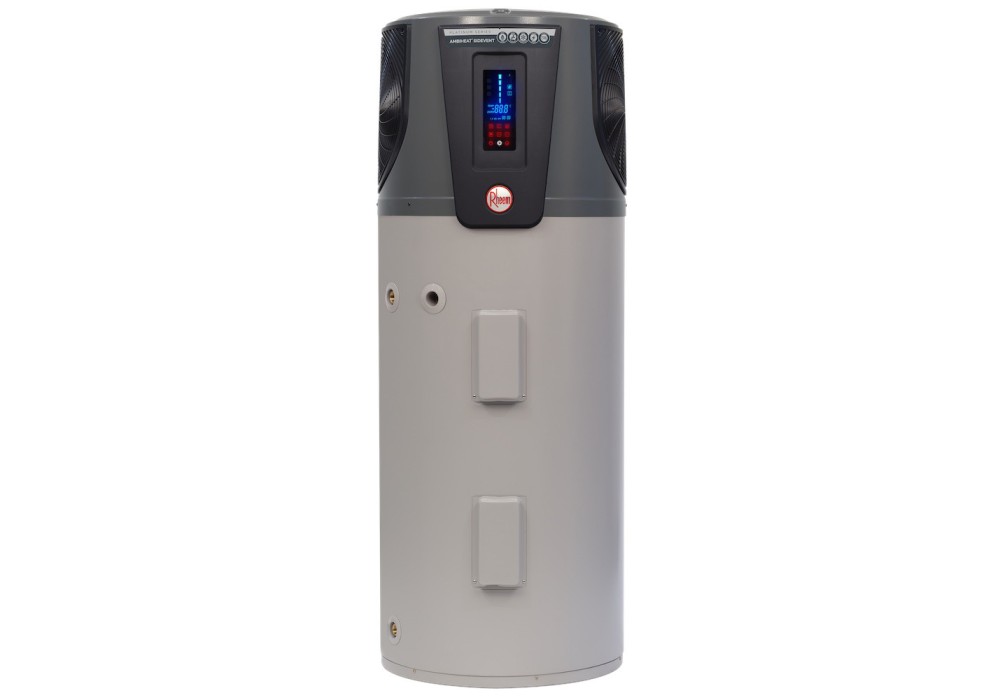
The Rheem AmbiPower 280e, for example, can save up to 70% on water heating energy consumption compared with an electric water heater. This makes heat pump technology an effective option for designers looking to reduce operational energy demand and carbon emissions while still delivering reliable hot water performance.
Supporting building electrification
As New Zealand moves towards greater electrification, the way buildings generate hot water is an important part of reducing operational carbon.
Heat pump water heaters provide an efficient electric alternative to traditional gas water heating, reducing reliance on fossil fuels while using significantly less electricity than conventional electric systems. This is particularly relevant in New Zealand, where around 80-85% of electricity is generated from renewable sources, including hydro, geothermal and wind.
Integrating with renewable energy
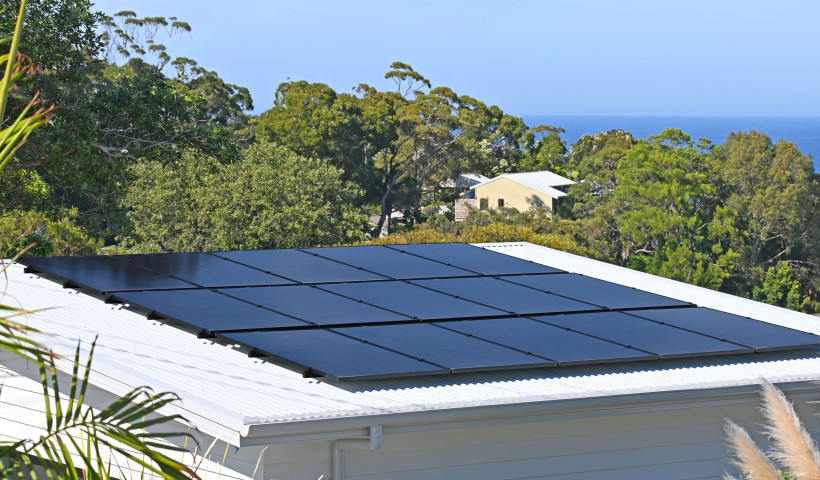
It’s also worth mentioning that heat pump water heaters can complement rooftop solar PV systems. When paired with solar generation, hot water can be heated using self-generated electricity during daylight hours, increasing on-site energy use and reducing reliance on the grid.
A practical step towards lower-carbon homes
Lower-carbon homes are rarely the result of one big decision. More often, they come from a series of smarter choices, and in this regard, water heating is an area where solid progress can be made. Heat pump water heating combines efficient operation with New Zealand’s highly renewable electricity supply, making it a practical choice for reducing household energy use and operational emissions.
For projects looking to take the next step, Rheem’s heat pump water heating range offers a practical, proven option for efficient hot water with lower ongoing energy use.

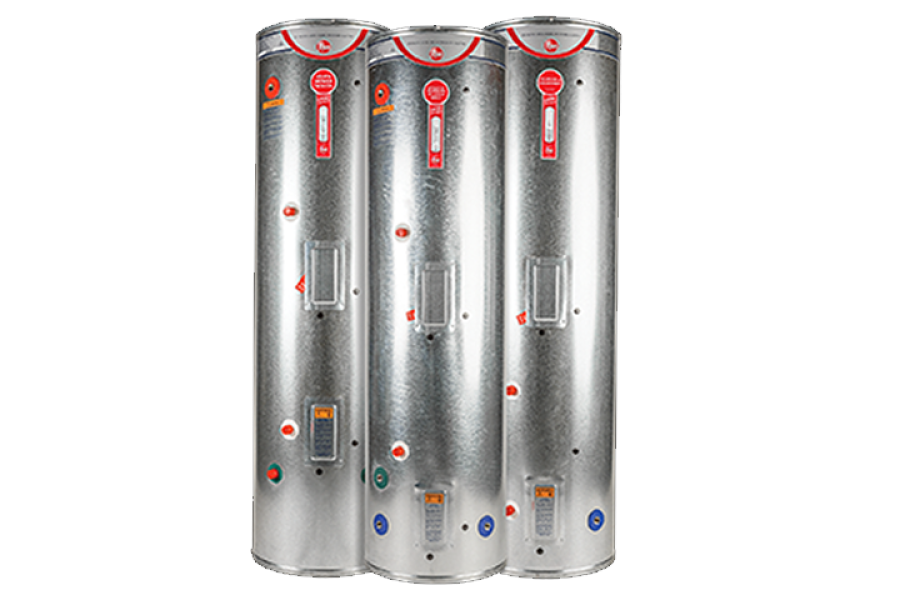
 Popular Products from Rheem
 Most Popular

 Popular Blog Posts