 VANTAGE Windows & Doors
 Roofing Industries
 ALTHERM Window Systems
 Dimond Roofing
 Juralco Aluminium
 dormakaba


 Prolam
 Case Studies
 PGH Bricks
 Metwood






 JSC
JSC

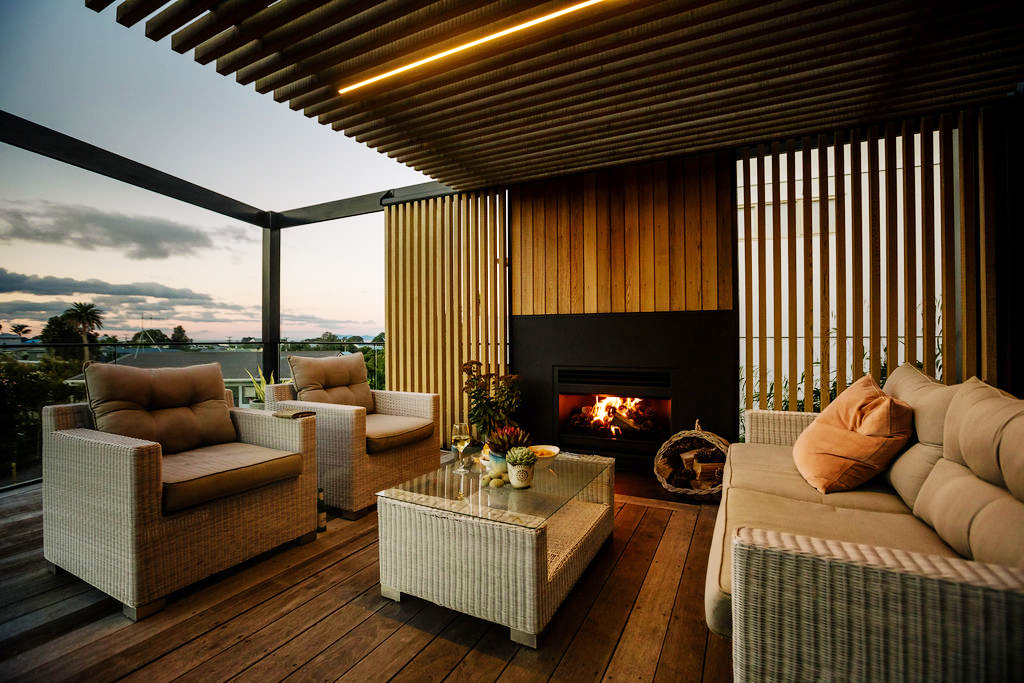


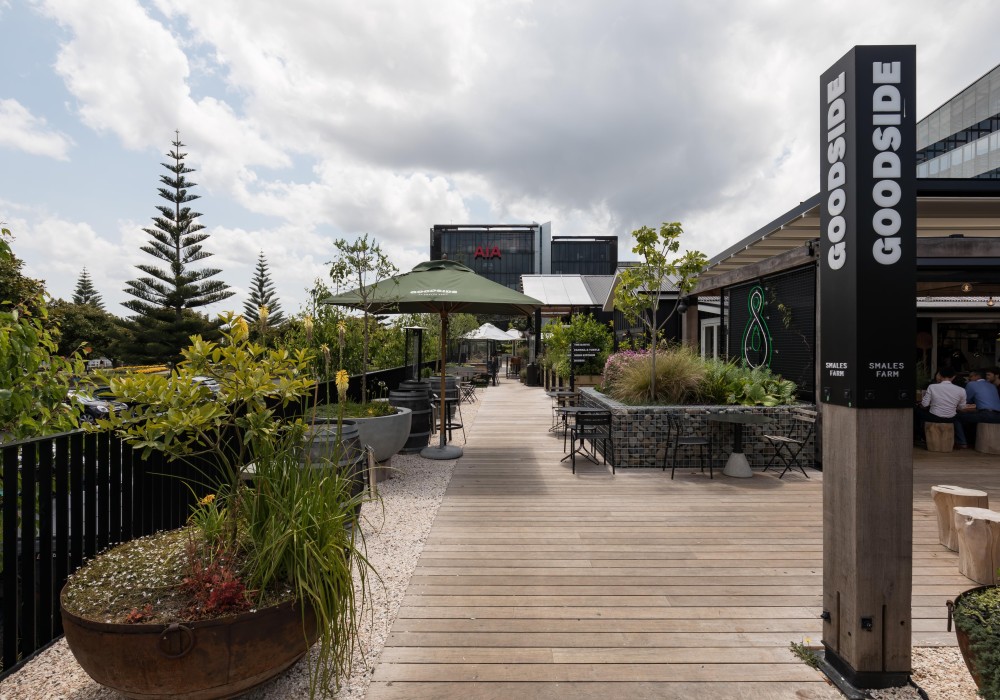


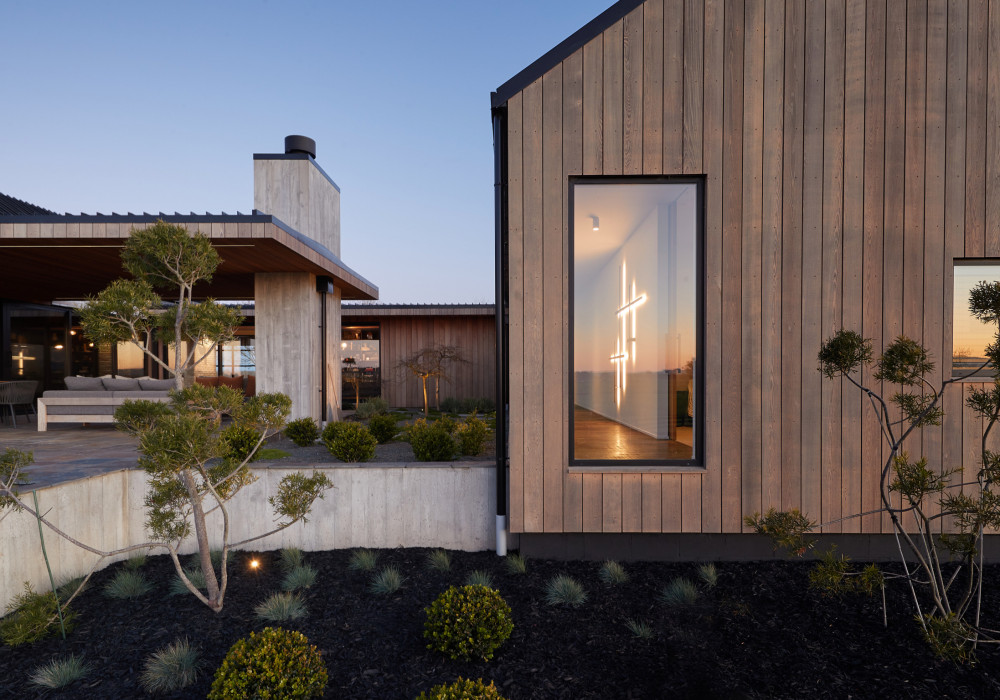

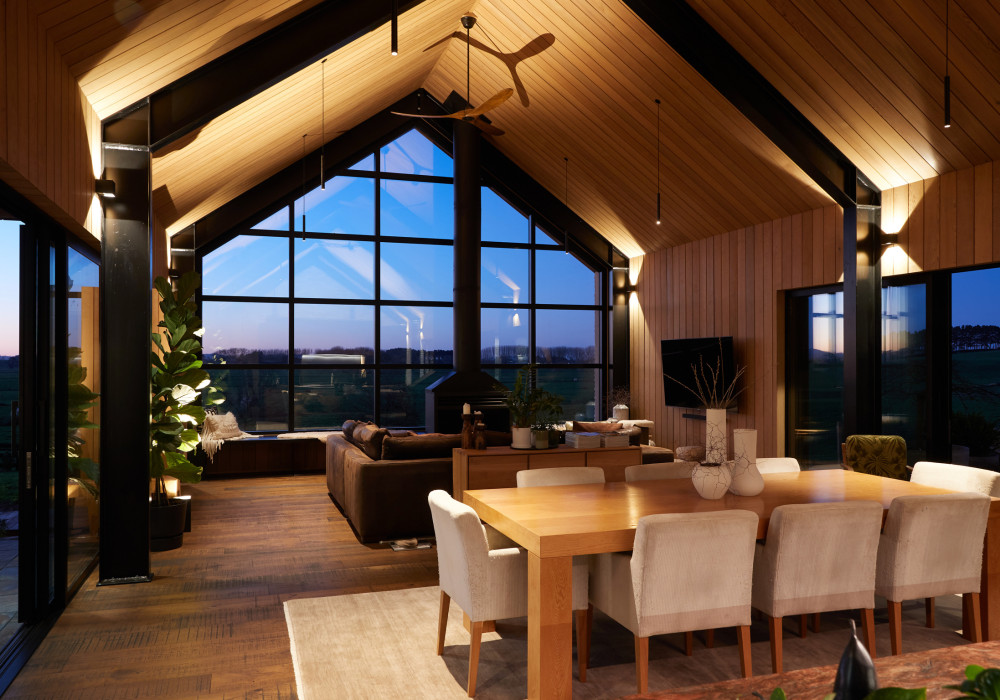


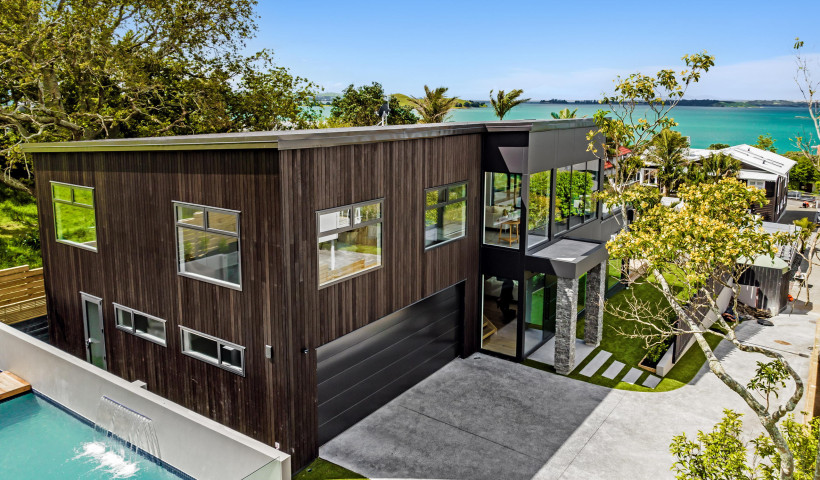
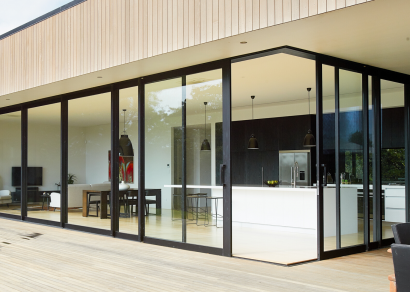
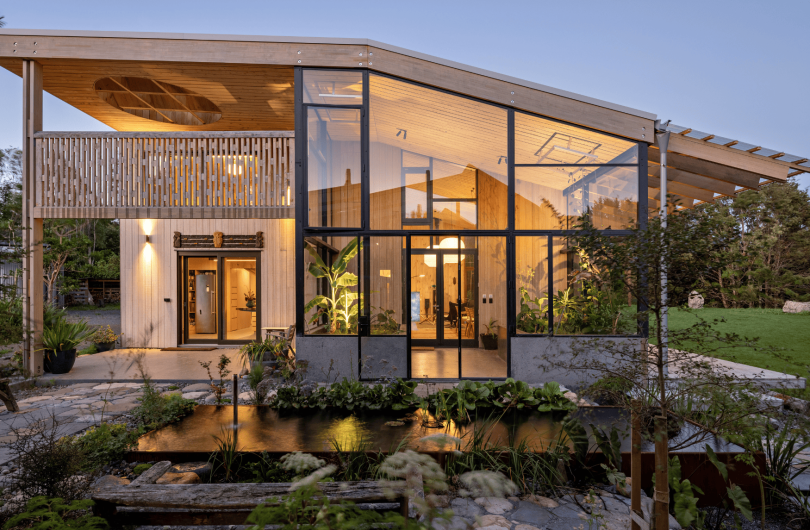
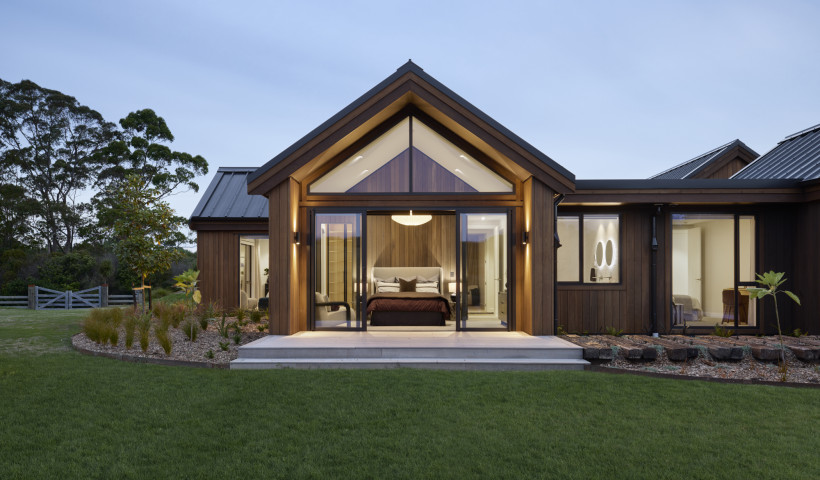
With summer on the horizon, a focus is being put on designing spaces that transition effortlessly from interior comfort to outdoor relaxation. Timber plays a central role in achieving this connection, offering warmth, versatility, and a timeless aesthetic that links people to their surroundings. When used consistently across decking, cladding, and panelling, it enables a seamless flow that invites people outdoors while maintaining architectural harmony.
Unifying design through material consistency
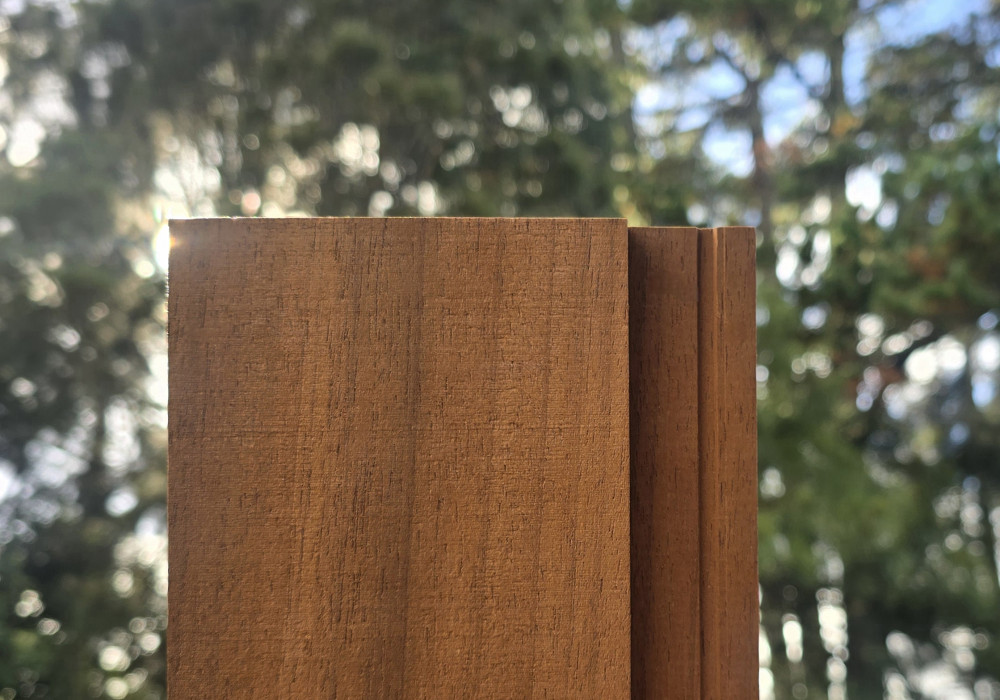
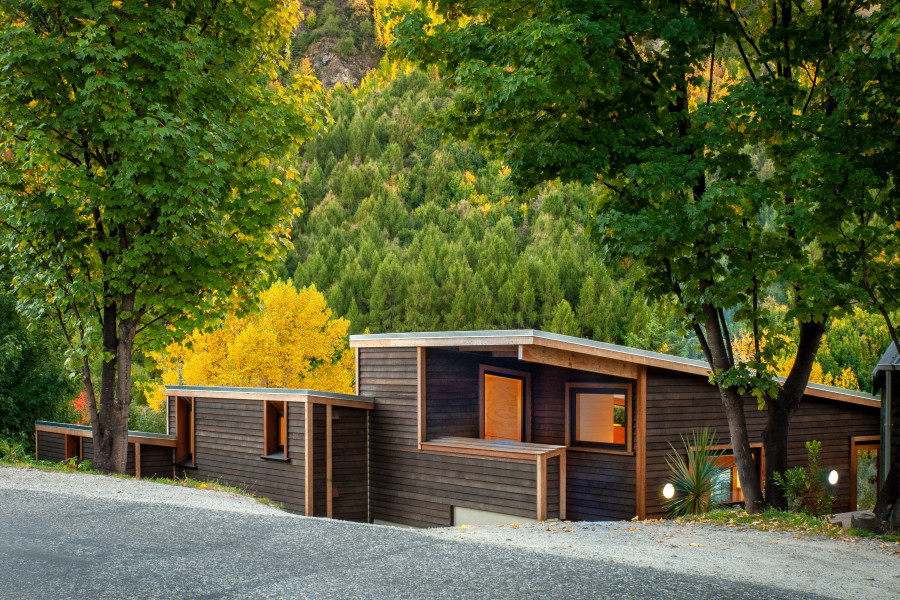
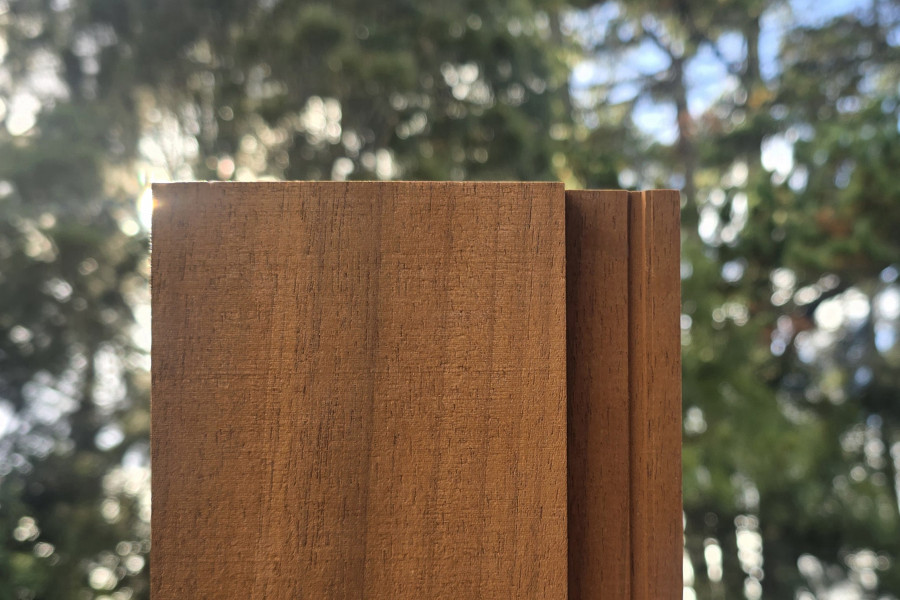
Timber has become a key design language for architects who want to achieve cohesion between interior and exterior spaces. Its adaptability allows for applications across soffits, ceilings, decking, and wall linings — uniting each element through tone and texture. An example of this is the JSC TMT (Thermally Modified Timber) Range. Renowned for its dimensional stability and rich depth of colour, the range provides a durable, naturally beautiful solution suited to both sheltered interiors and exposed outdoor environments.
Design expression and spatial impact
Timber’s flexibility allows architects to explore creative expression through a wide offering of profiles, stains, and finishes. These variations introduce rhythm and character, transforming surfaces into design statements. Strategic detailing — such as battens, pergolas, or the continuation of soffit and ceiling panelling from indoors to out — can guide the eye and reinforce visual continuity. Coordinating finishes and grain directions enhances depth and balance, helping smaller courtyards and terraces feel more open and expansive. In today’s compact builds, these design techniques maximise both functionality and spatial perception.
Crafting connection and comfort
Beyond its physical function and aesthetic impact, timber enhances the sensory experience of architecture. Its texture, warmth, and natural tones evoke authenticity and calm. This aligns with the principles of biophilic design, which recognises that natural materials can improve wellbeing by deepening our connection to the outdoors. Thoughtful use of timber transforms outdoor areas from extensions of the home into living, breathing spaces that nurture comfort and connection.
Designing for continuity
Timber offers architects the opportunity to design environments that celebrate outdoor living while maintaining architectural integrity, creating a natural flow between interior and exterior spaces that enhances both function and emotional connection. By integrating timber across interiors, exteriors, and transitional zones, designers can create spaces that feel cohesive and alive. The JSC TMT Range and JSC’s broader timber solutions provide the versatility and performance needed to achieve that timeless connection between home, nature, and lifestyle.
 Popular Products from JSC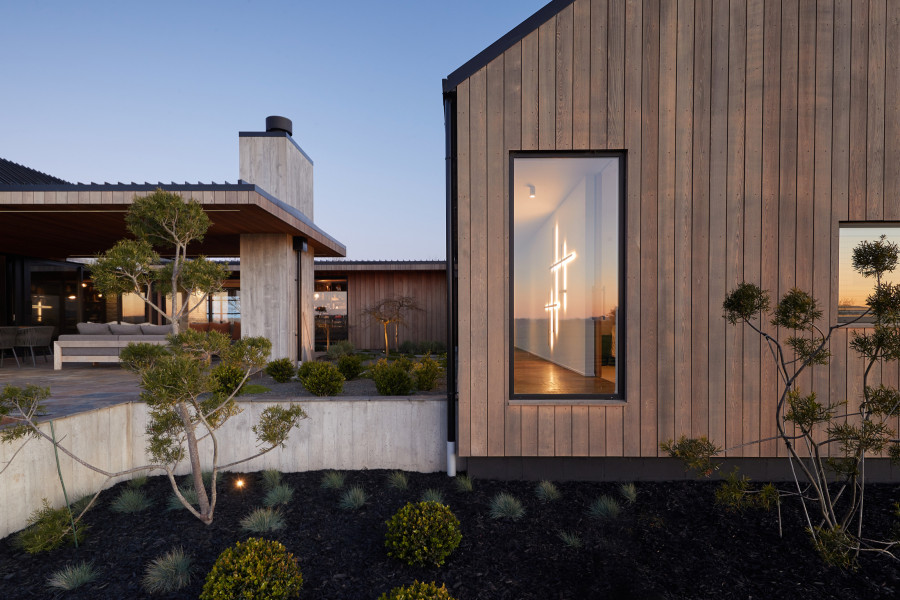
 Most Popular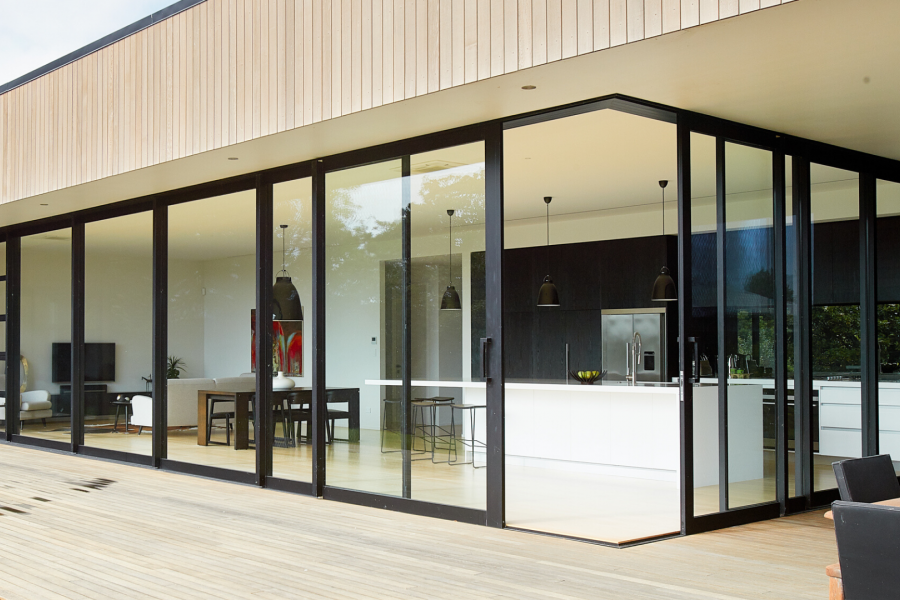

 Popular Blog Posts