 VANTAGE Windows & Doors
 Roofing Industries
 ALTHERM Window Systems
 Dimond Roofing
 Juralco Aluminium
 dormakaba



 Prolam
 Case Studies
 PGH Bricks
 Metwood







 EFAFLEX


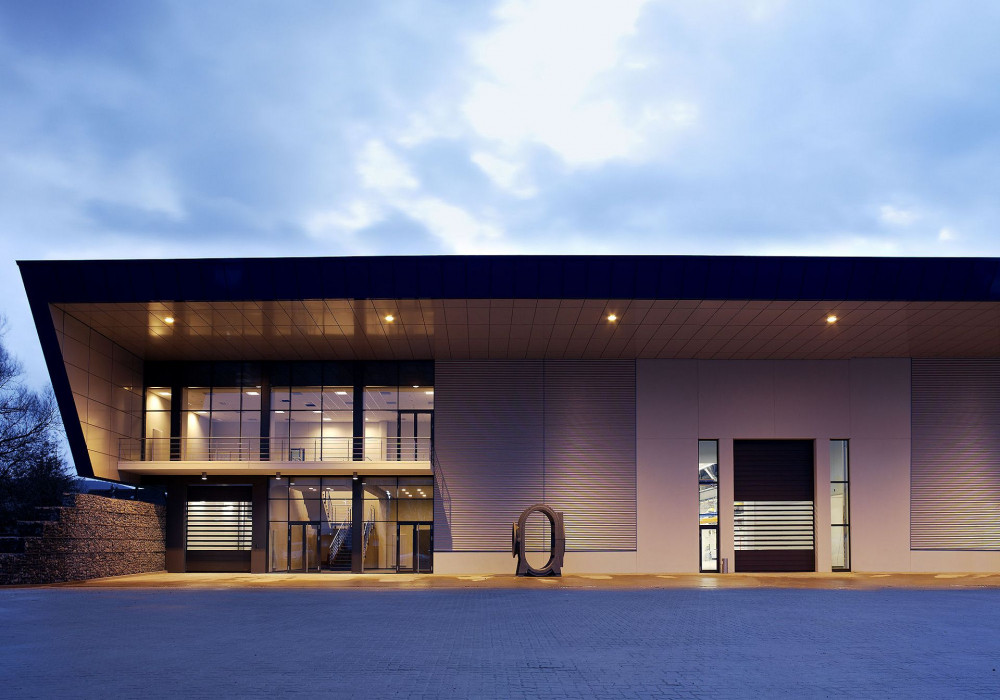

Modern industrial facilities are rarely uniform. From high-speed logistics to temperature-sensitive processing, each zone has unique operational demands. The door systems selected for these areas directly impact efficiency, safety, and energy performance.
EFAFLEX high-speed doors provide a zone-specific design strategy, offering certified, high-performance solutions for throughput, environmental control, and sustainability. A one-size-fits-all approach can lead to inefficiencies, but by matching the right door to the right application, facilities can achieve maximum productivity and ensure compliance with operational and regulatory requirements.
Zone 1: High-throughput production
The EFA-SST Spiral Door: Speed, durability, and reliability
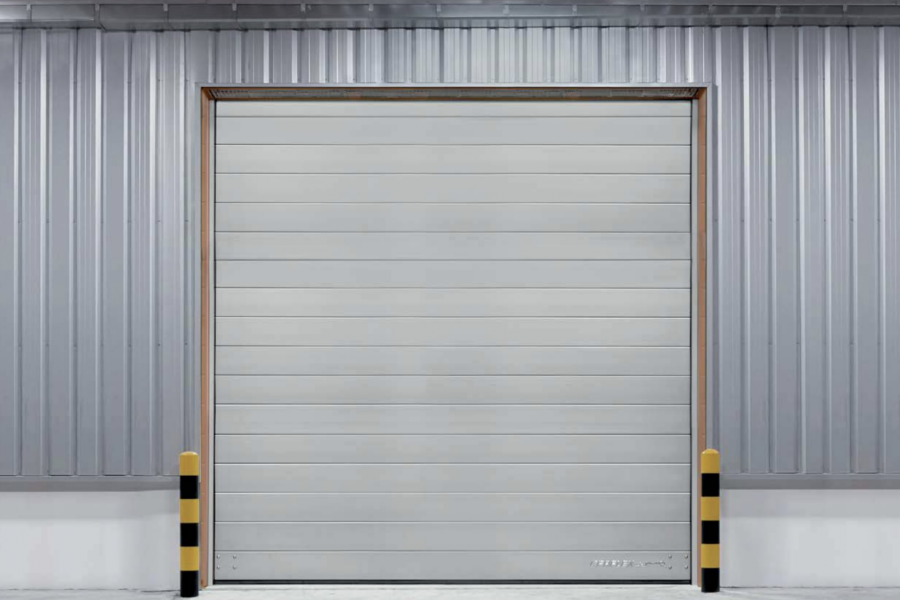
For production areas with constant movement of people and materials, the EFA-SST Spiral Door delivers fast cycle times without compromising durability. Its patented spiral design keeps the door leaf separate from the winding mechanism, which significantly reduces wear and tear.
Key benefits:
- Durability: Tested to over 1 million cycles (EN 13241), ensuring a long service life.
- Performance: Opening speeds eliminate bottlenecks. The door's Class 4 air permeability and wind resistance also help maintain stable climate control.
- Resilience: Withstanding up to a Class 4 wind load, provides efficient protection in exposed or high-pressure environments.
Zone 2: Visual oversight and controlled environments
The EFA-STT Transparent High-Speed Door: Clarity and control
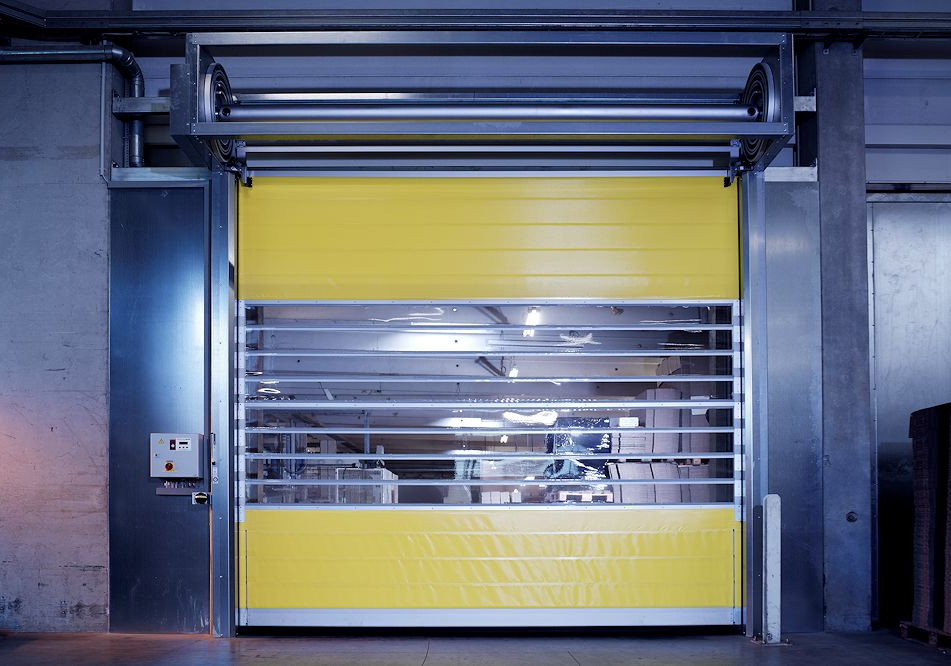
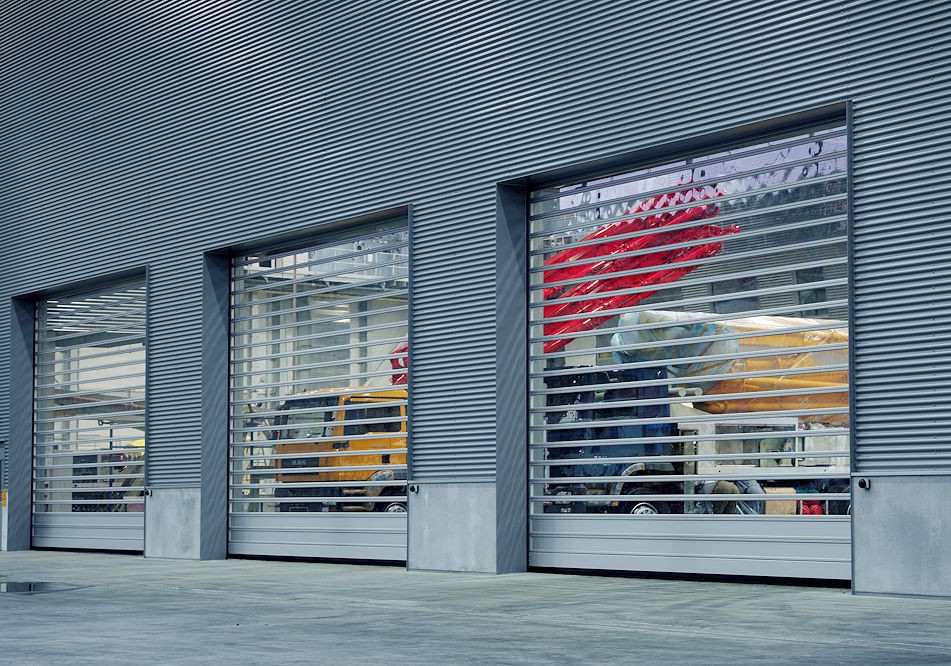
When visibility and environmental stability are both essential, the EFA-STT Transparent High-Speed Door is the ideal solution. Its clear design allows for visual oversight while maintaining a controlled environment.
Key benefits:
- Transparency: Aluminium slats with optional plastic infill provide a clear view for safety and process monitoring.
- Durability: Tested to over 1 million cycles.
- Performance: Features Class 2 air permeability, Class 4 wind load resistance, and a thermal resistance of ~6.0 W/m²K, making it suitable for temperature-sensitive applications.
Zone 3: Space-constrained and flexible applications
The EFA-STR Roll-Up Door: Compact, adaptable, and efficient
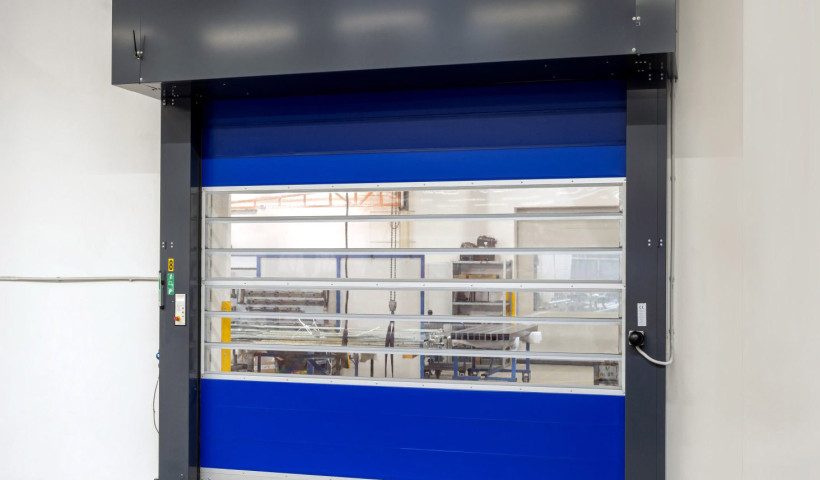
In areas where space is a priority or operational flexibility is key, the EFA-STR Roll-Up Door offers a compact and efficient solution.
Key benefits:
- Design: A flexible polyester fabric with aluminium profiles at 225mm intervals.
- Performance: The door provides Class 1 air permeability, Class 3 wind load resistance, a thermal resistance of ~5.6 W/m²K, and an acoustic reduction of 12 dB, which helps to separate noisy and quiet zones.
- Durability: The galvanised steel frame ensures a long service life.
Safety and compliance: A standard priority
EFAFLEX doors include advanced safety systems as a standard feature. These systems are designed to protect both personnel and equipment.
- Safety Integration: Includes safety switching strips and light grids for personnel protection, and the EFA-SCAN laser scanner for 3D monitoring in high-traffic areas.
- Certification: All doors are certified to EN 13241 for "Safe Opening" and "Operating Forces" requirements.
Energy efficiency and NZ compliance
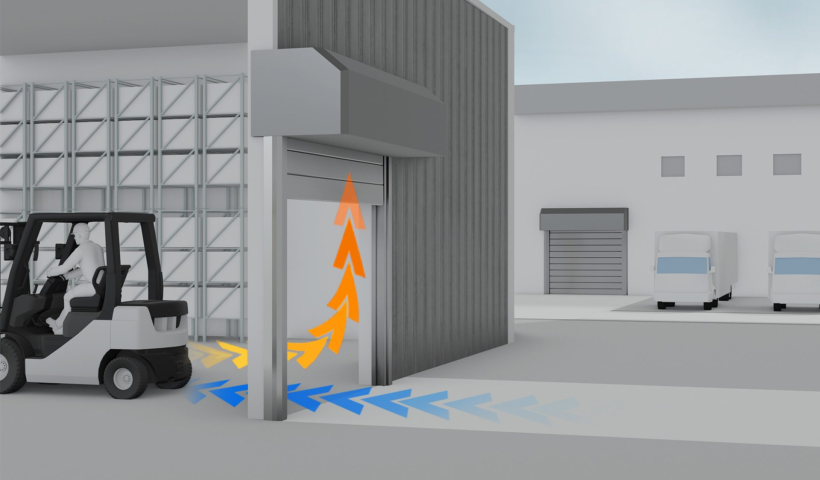
EFAFLEX doors help facilities meet NZBC Clause H1 energy efficiency requirements. Their superior sealing and thermal performance can reduce HVAC loads and operational costs, which is crucial for modern businesses.
The performance metrics of EFAFLEX doors also support Green Star and NABERSNZ energy modeling, with independently verified data that assists in sustainability reporting.
Collaborative design for measurable results
EFAFLEX works directly with architects, engineers, and facility managers to select zone-appropriate door systems backed by certified performance data. This collaborative approach ensures:
- Correct product specification from the initial concept stage.
- Compliance with New Zealand regulations.
- Maximum return on investment through longevity, reliability, and efficiency.
By strategically matching the right EFAFLEX door to each facility zone, operators can achieve a balanced blend of performance, safety, and sustainability. This approach not only improves day-to-day productivity but also delivers measurable, long-term value throughout the building's lifecycle.
Contact Brian Hill at [email protected] for more information.

 Popular Products from EFAFLEX
 Most Popular
 Popular Blog Posts