 VANTAGE Windows & Doors
 Roofing Industries
 ALTHERM Window Systems
 Dimond Roofing
 Juralco Aluminium
 SPAX
SPAX


 Prolam
 Case Studies
 PGH Bricks
 Metwood




 COLORSTEEL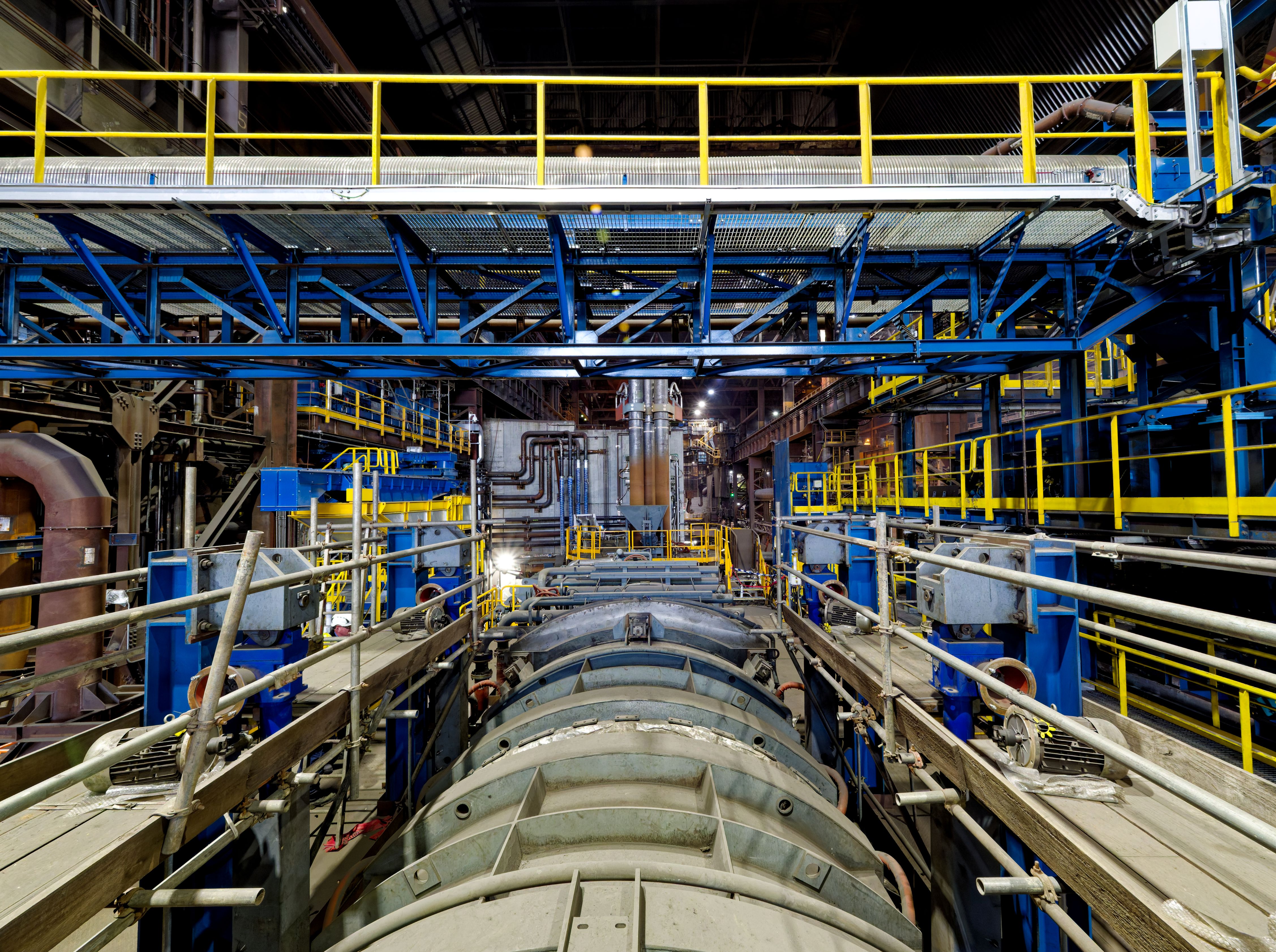
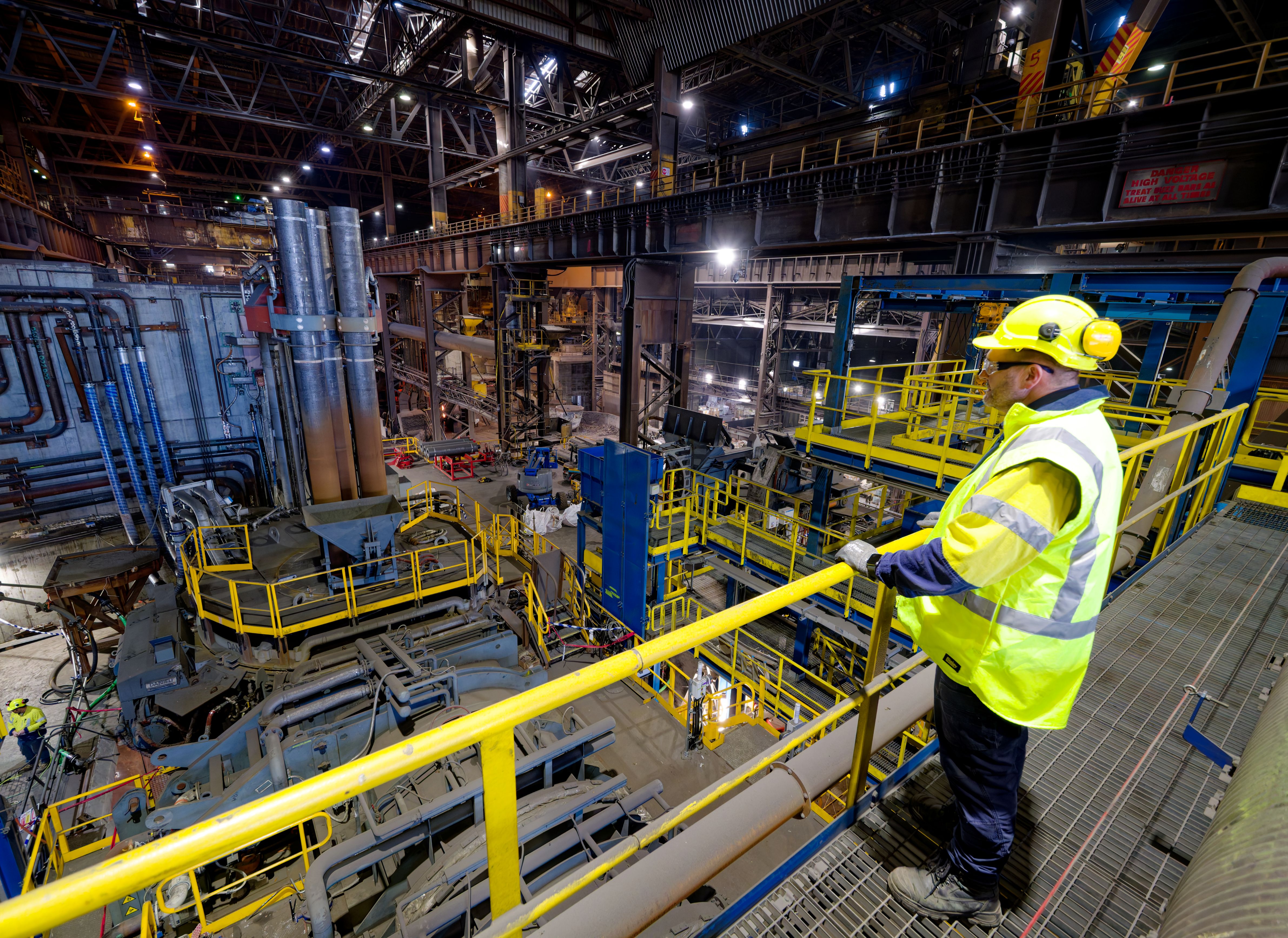
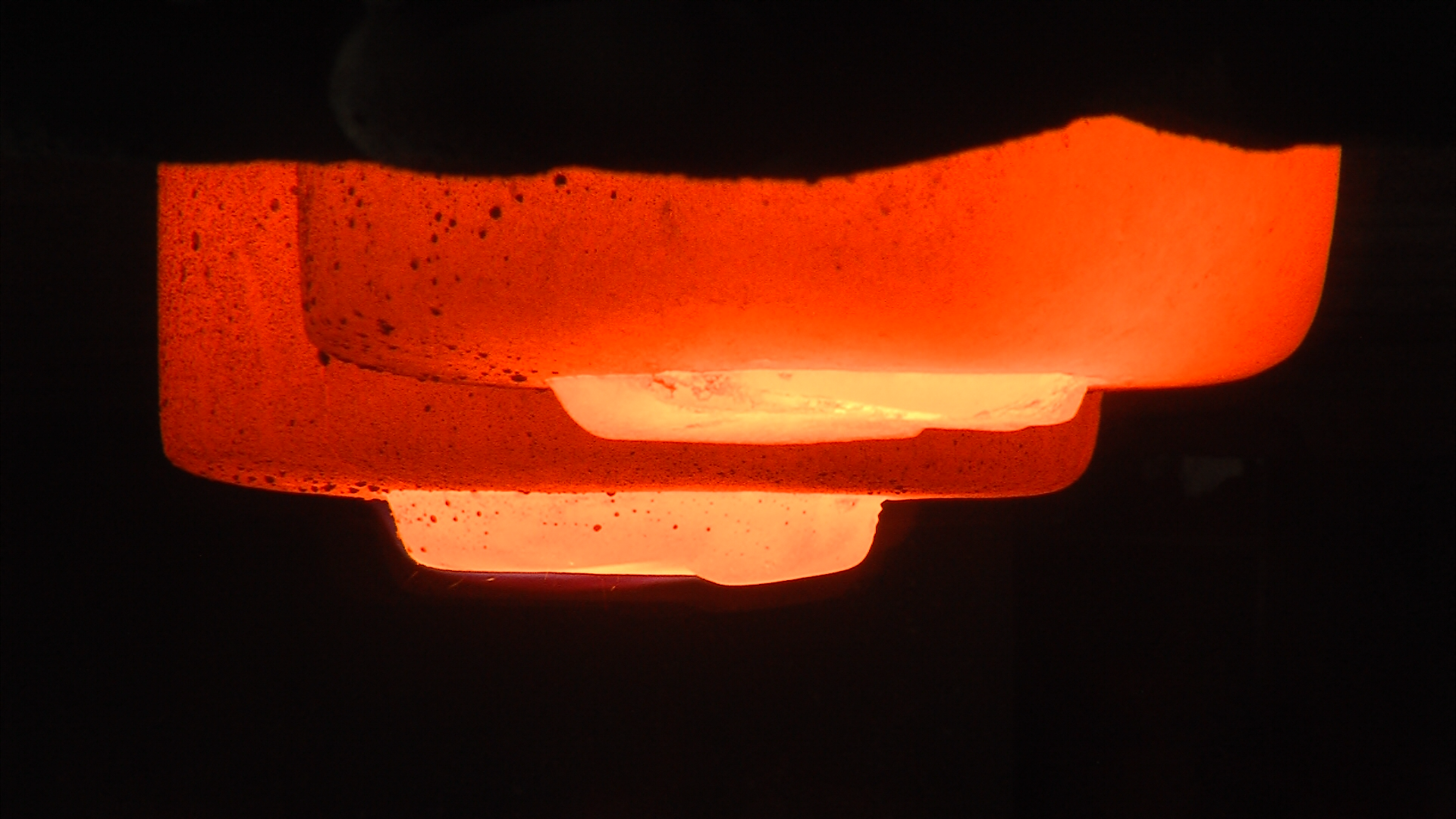




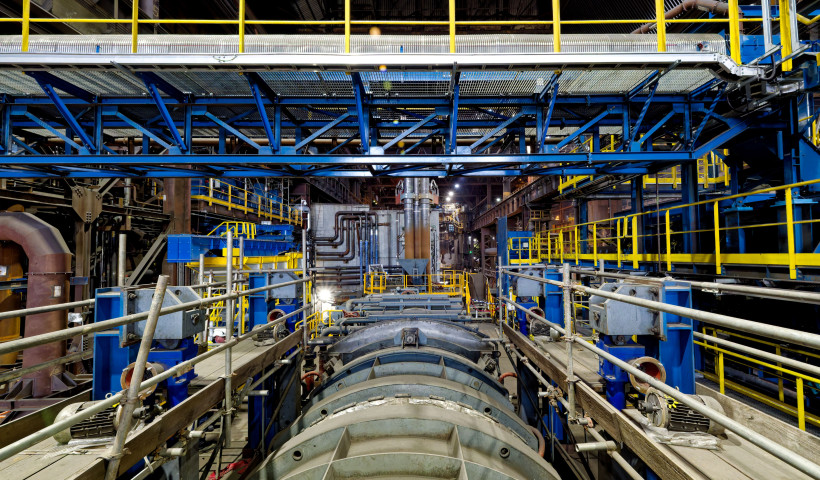
As production ramps up over the coming months, the EAF will enable the manufacture of some of the lowest-emissions steel using locally sourced scrap steel and utilising New Zealand's highly renewable electricity grid.
This landmark investment is New Zealand's largest single-site decarbonisation project, which reduces greenhouse gas emissions at the Glenbrook steelworks by more than 45%, creating a new generation of lower-emission steel products for the construction sector.
For architects, designers and builders, this is a powerful new lever to help meet increased carbon reduction targets from clients, investors and regulatory frameworks. Environmental Product Declarations (EPDs) have been published for the new EAF-based process, demonstrating substantial embodied carbon reductions.
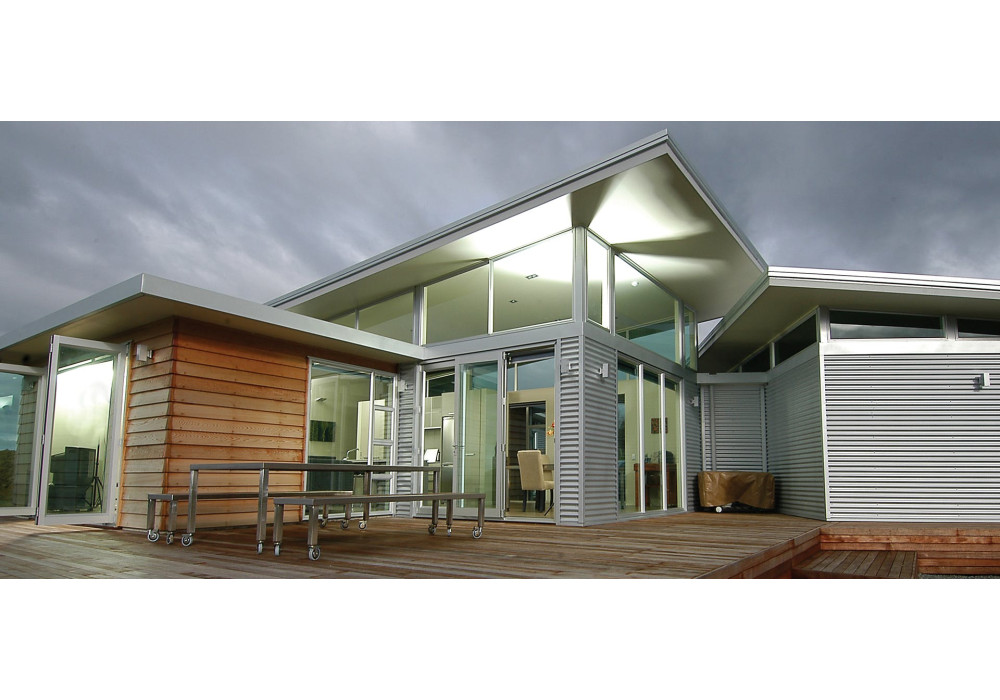
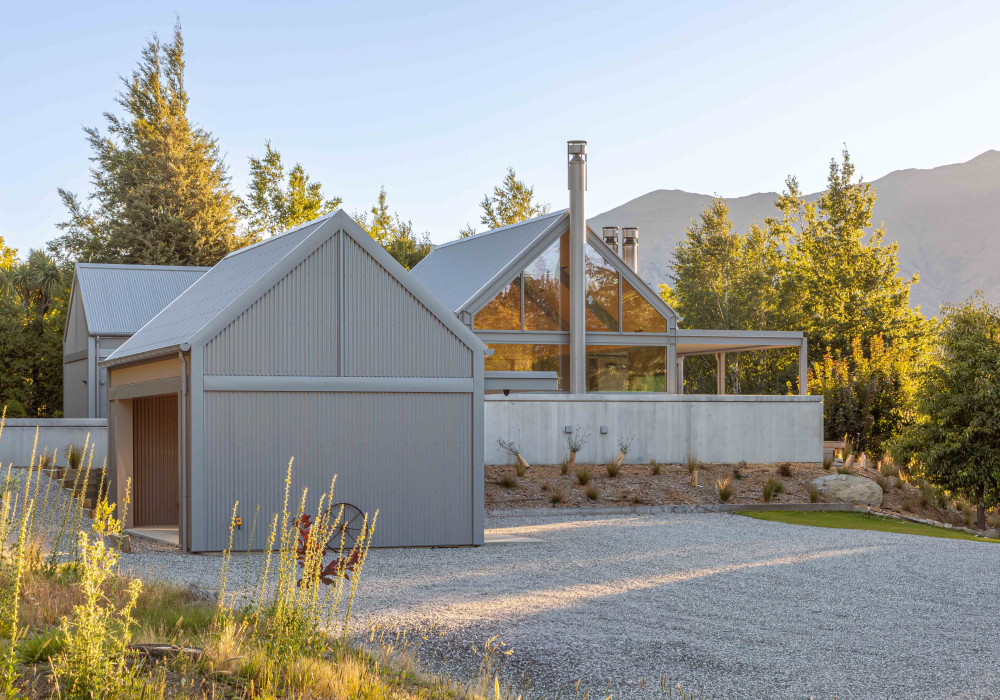
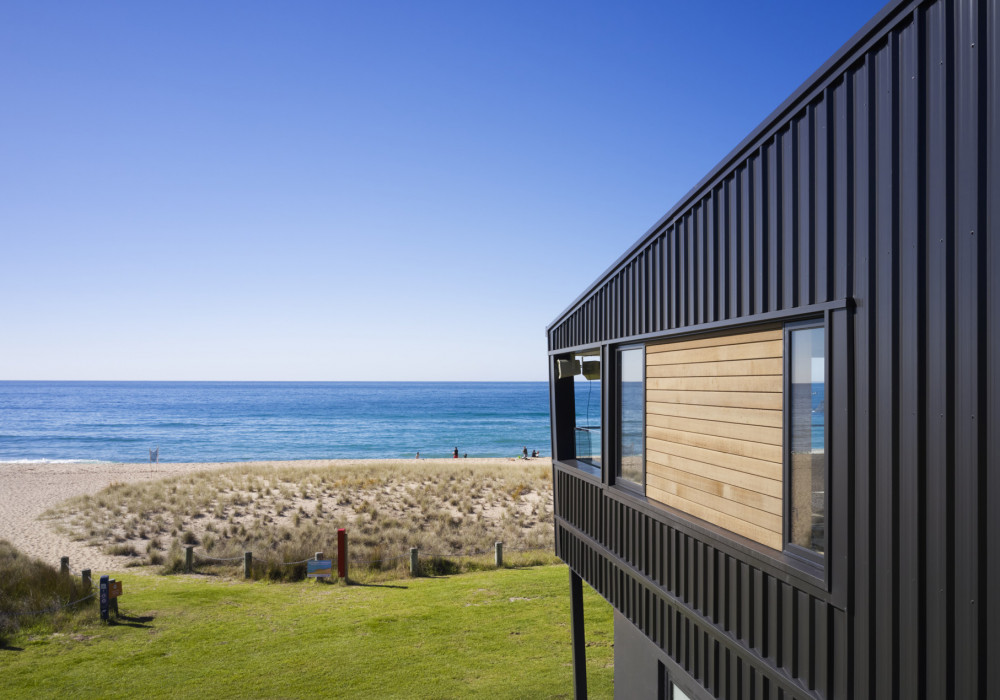
For coated steel products, including AXXIS steel framing, ZINCALUME and COLORSTEEL, A1-A3 embodied carbon reductions of 38-46% will be achieved. Hot-rolled products, including the Plate steel used in Steltech welded beams and PACIFIC reinforcing steel, show reductions of 46-52%.
The most significant opportunity lies in the DCRB range of reinforcing and plate steel. They demonstrate reductions of 86-88% in cradle-to-site (A1-A5) embodied carbon, making them the lowest embodied carbon reinforcing and plate steel products soon to be available in New Zealand.
This credible environmental impact data is critical for project teams seeking to reduce whole-of-life carbon impacts and supports sustainability frameworks such as Green Star, Homestar and client carbon reporting requirements.
The opportunity becomes even greater when viewed at a whole-building level. Independent modelling of the carbon footprints of typical commercial office and warehouse developments have been carried out by BECA. This showed embodied-carbon reductions of up to 35% at a project level when lower-carbon AXXIS framing, galvanised purlins and COLORSTEEL roofing and cladding are combined with Steltech welded beams using DCRB plate and PACIFIC DCRB reinforcing steel.
MBIE's Emissions Reduction Plan identifies reducing whole-of-life embodied carbon as a priority for the building and construction sector. With lower-emissions steel soon entering local commercial production, architects and builders have increasing opportunities to reduce project emissions through specification without compromising durability, resilience or performance.
Through the combination of lower-carbon steelmaking, verified environmental impact data and locally manufactured building solutions, COLORSTEEL, AXXIS, Steltech and PACIFIC DCRB are helping enable the next generation of lower-carbon buildings in New Zealand.

 Popular Products from COLORSTEEL
 Most Popular
 Popular Blog Posts