 VANTAGE Windows & Doors
 Roofing Industries
 ALTHERM Window Systems
 Dimond Roofing
 Juralco Aluminium
 SPAX
SPAX


 Prolam
 Case Studies
 PGH Bricks
 Metwood





 Viking Roofspec





 NEW
NEW
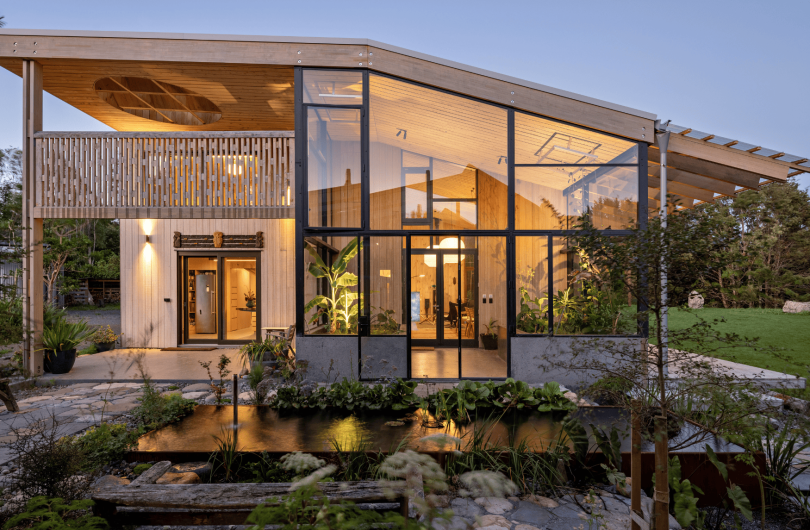
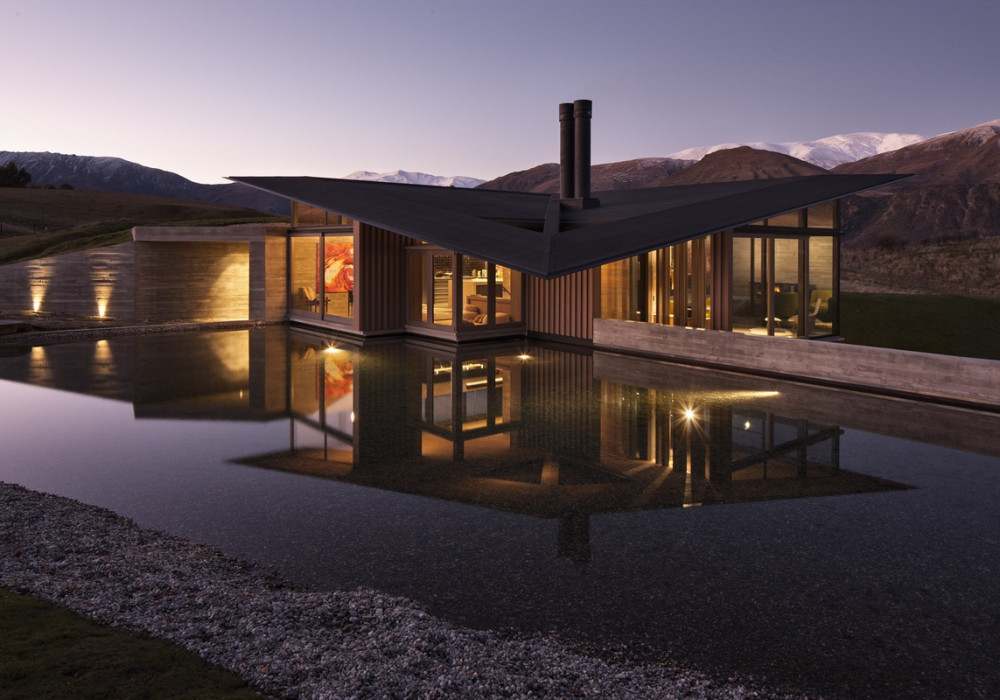
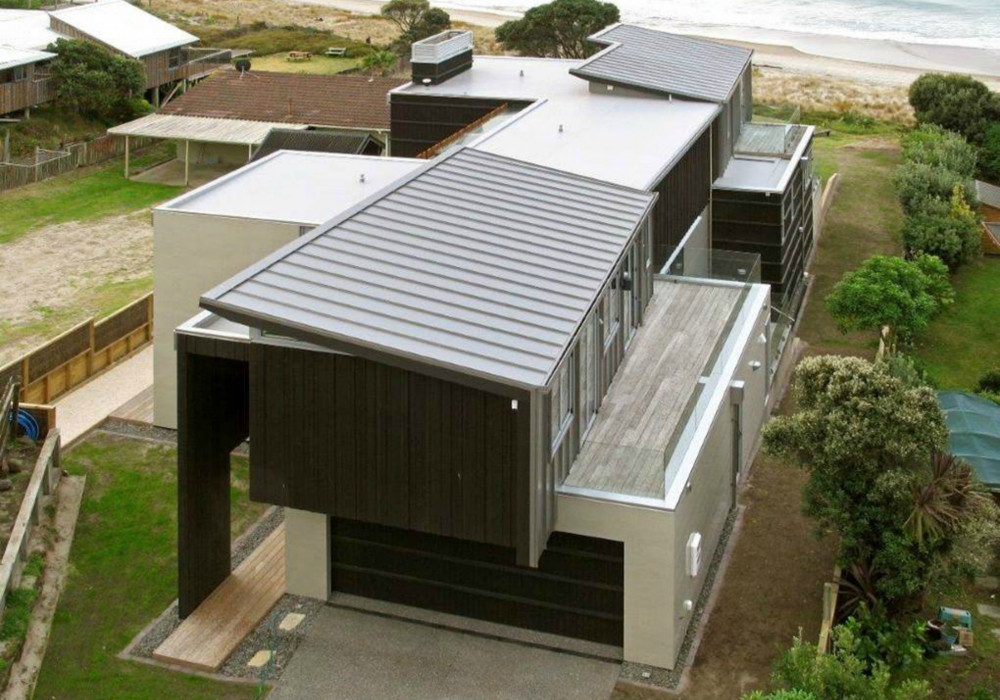
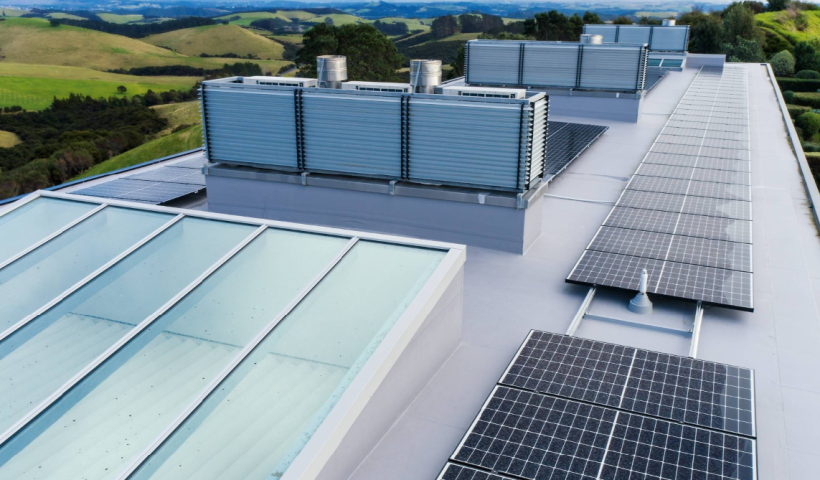
Low pitch roofs are a common feature of contemporary architecture, valued for their clean lines, reduced building height, and ability to integrate roof decks or concealed drainage.
Best practice involves getting water off the building fast, so Viking Roofspec continues to encourage specifiers to design to E2/AS1’s prescribed two degrees. However, falls below this pitch have become increasingly popular in the architectural sector, from skillion roofs in residential projects through to almost zero degree fall roofs on commercial buildings. Having recognised this, Viking has invested significant resource on engineer testing and compliance certification to ensure its materials will stand the test of time when installed at gradients below two degrees.
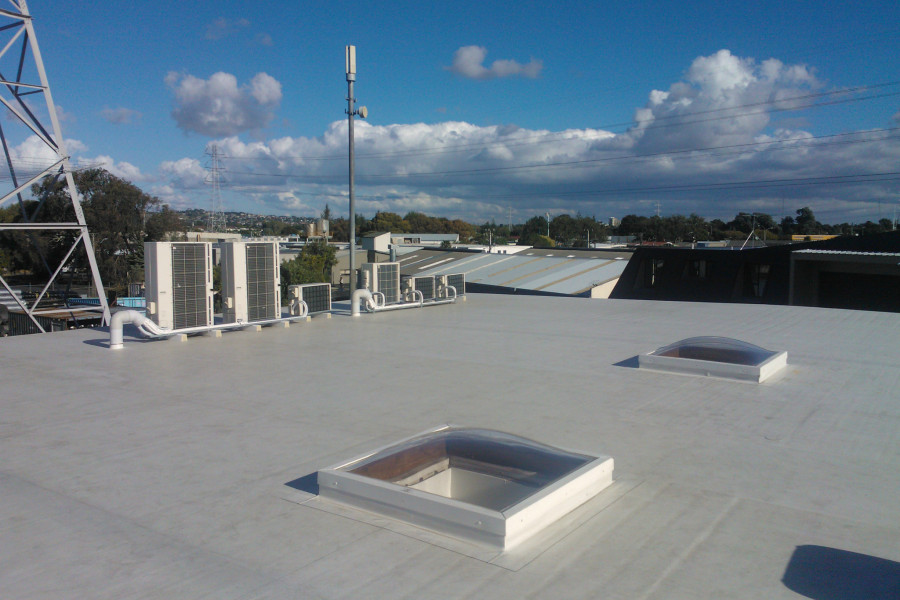
These low slope roof forms introduce specific performance challenges that must be addressed early in the design process. The most significant consideration is water management. As roof pitch decreases, reliance on gravity-driven water shedding is reduced, increasing the risk of water ponding and moisture ingress. Viking Roofspec systems are designed as fully waterproofed roof solutions rather than relying on fall alone. The membrane roofing systems provide continuous protection across the roof surface, making them suitable for low pitch applications where conventional profiled roofing may not perform reliably.
Durability is another key challenge. Low pitch roofs are often exposed to prolonged moisture, temperature extremes, and UV radiation, particularly where water takes longer to shed, so remains on the surface for longer. Viking Roofspec membranes are engineered to maintain flexibility and waterproof integrity under these conditions, accommodating thermal movement and structural deflection without compromising performance. This makes them well suited to both residential and commercial environments where long-term reliability is essential.
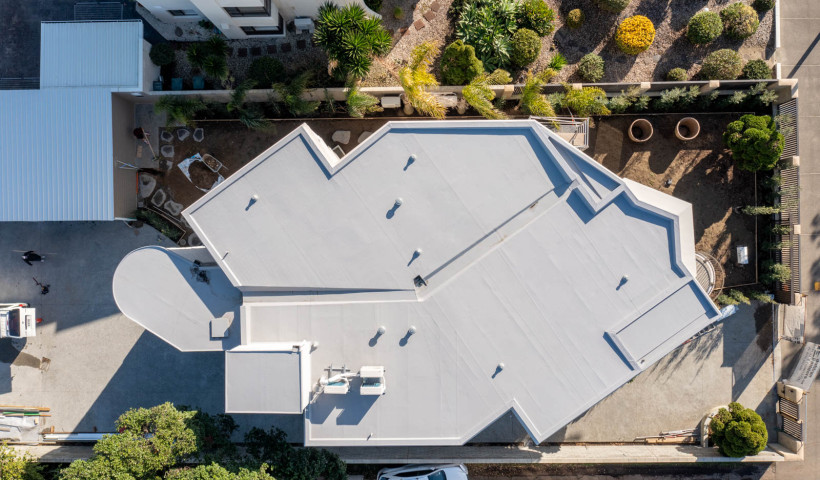
And then there’s detailing — a critical factor to the success of any low pitch roof. Penetrations, parapets, internal gutters, outlets, and transitions all require careful consideration to prevent leaks. Viking Roofspec takes a systems-based approach, providing proprietary components and detailing solutions that work together to make it a complete roof system. This reduces risk at junctions and ensures continuity of waterproofing across complex roof geometries.
Whether it’s heat weldable TPO membrane — Viking Enviroclad, or Viking’s two-layer Torch-On, both of which are CodeMark certified below 1° fall, Viking Roofspec membrane systems are designed to resolve the inherent challenges of low pitch roof design. By focusing on waterproof performance, durability, and well-resolved detailing, they enable architects and designers to achieve modern architectural outcomes without compromising building performance.
Viking Roofspec’s waterproofing systems are certified and distributed as exactly that — ‘systems’. Every component is a tested part of that system; not to be substituted. Viking’s materials are distributed exclusively through its network of qualified Approved Applicator businesses who are licensed in the installation of these materials.
 Popular Products from Viking Roofspec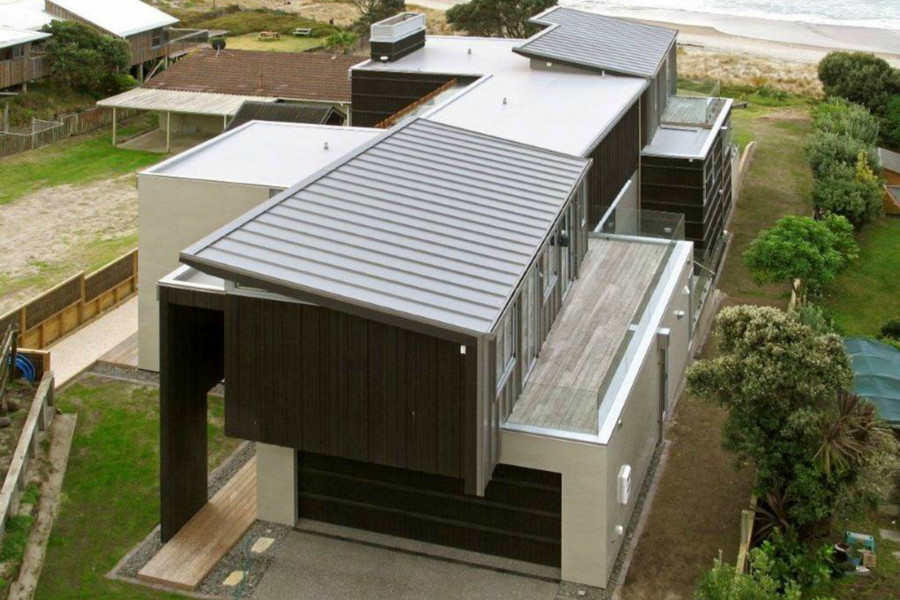
 Most Popular
 Popular Blog Posts