 VANTAGE Windows & Doors
 Roofing Industries
 ALTHERM Window Systems
 Dimond Roofing
 Juralco Aluminium
 SPAX
SPAX


 Prolam
 Case Studies
 PGH Bricks
 Metwood





 Tile Warehouse


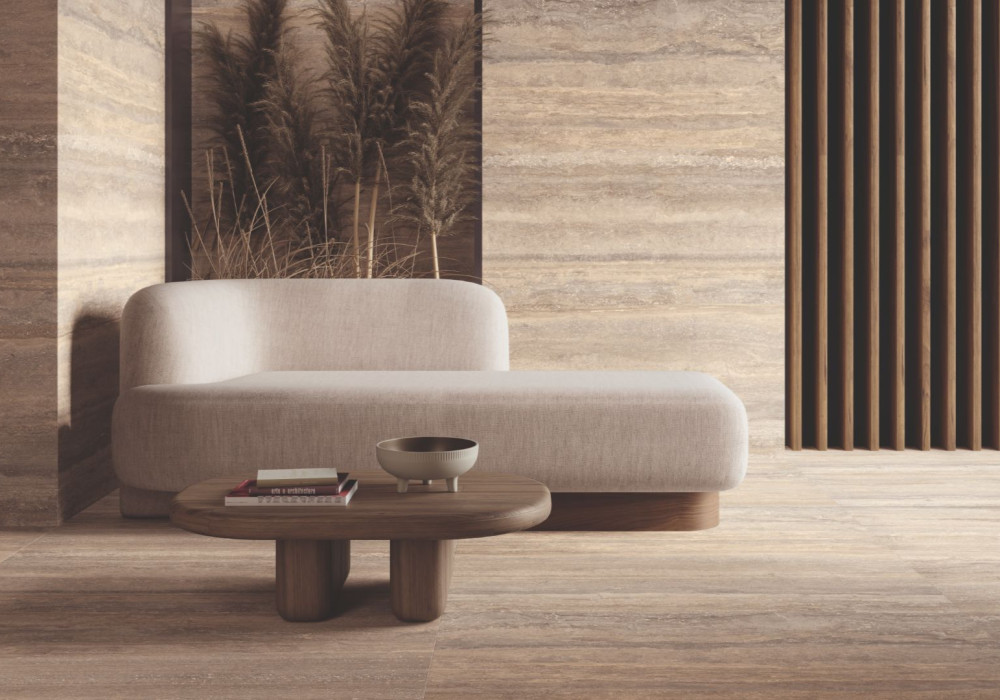
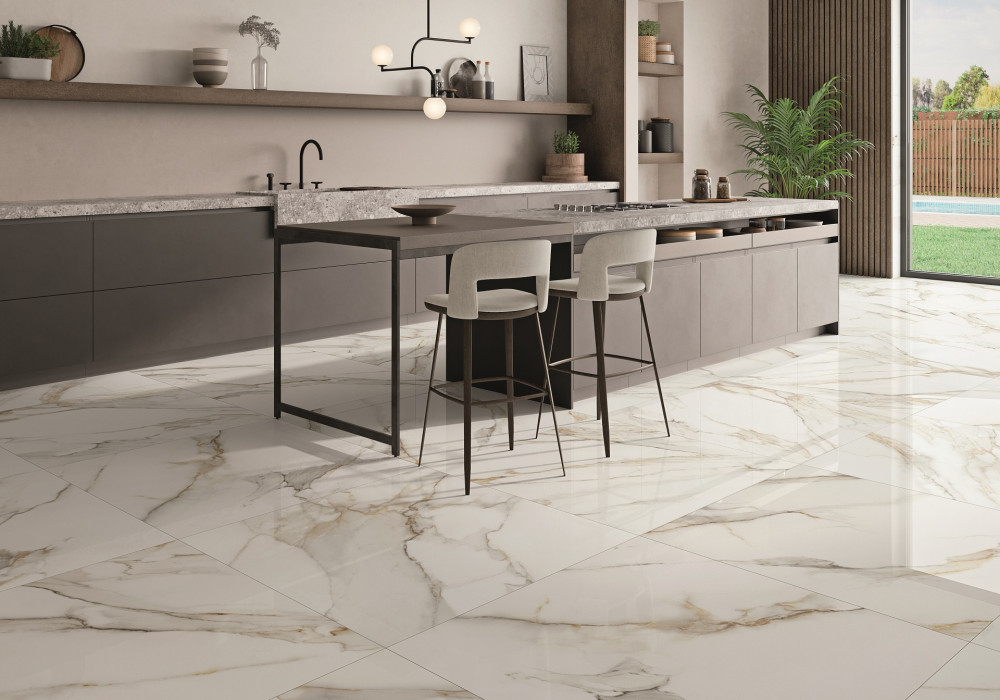
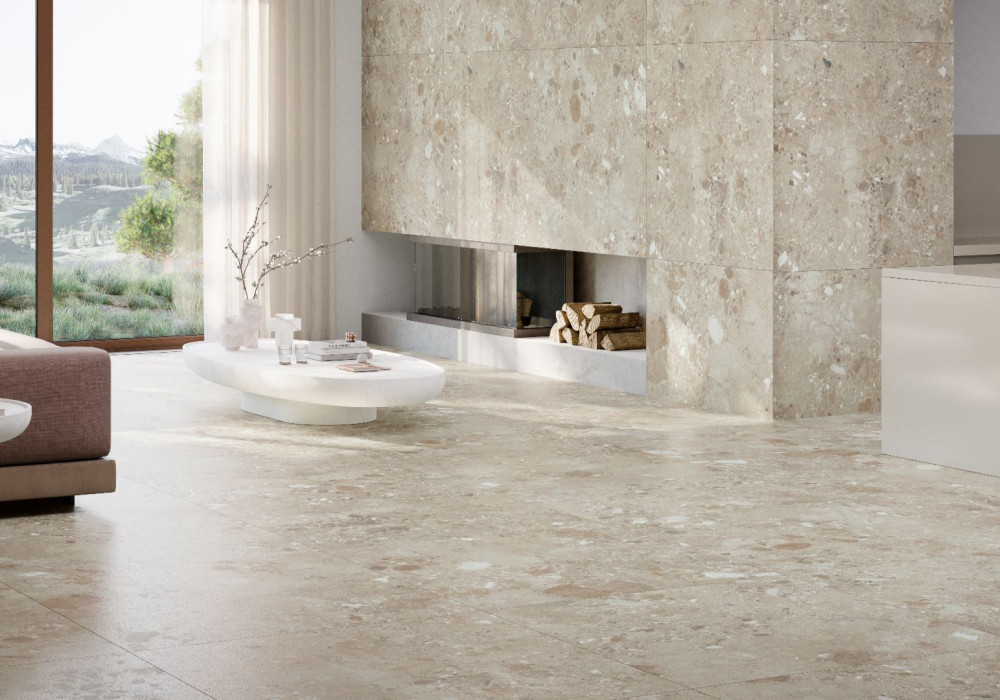
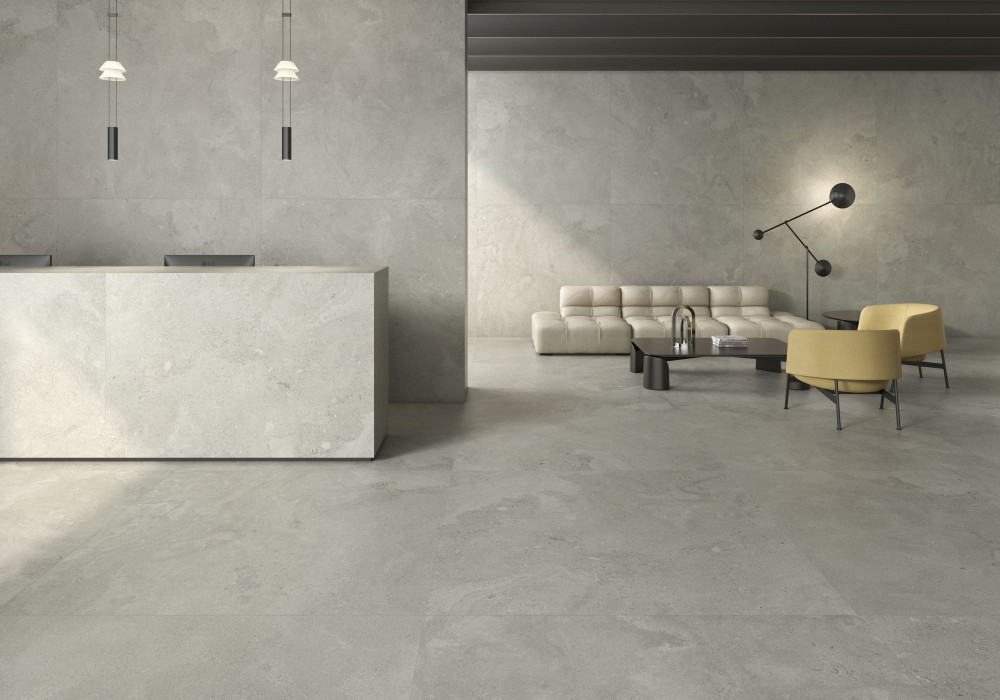

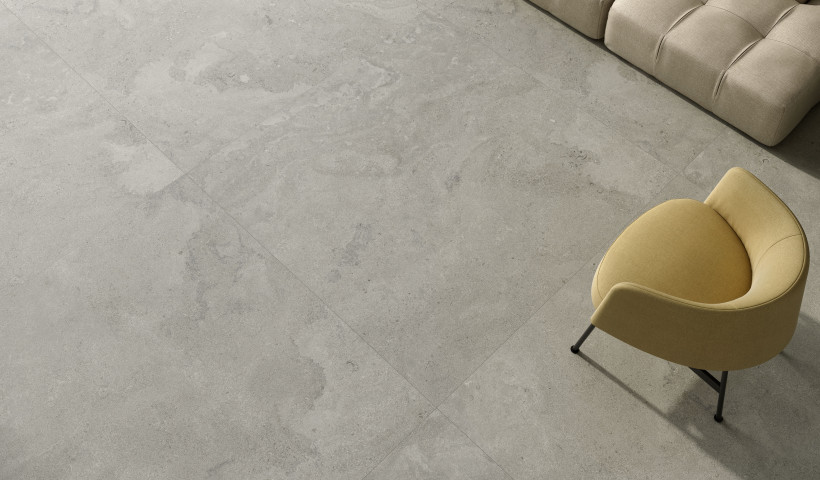
When designing high-performing residential spaces, particularly living areas and bedrooms, flooring specification plays a critical role in both thermal performance and occupant comfort. For architects and designers focused on energy efficiency and building envelope optimisation, porcelain tiles continue to offer a distinct advantage, primarily through their ability to deliver effective thermal mass. Additionally, because they are inert and do not absorb moisture, this reduces heating requirements in wet areas.
Using tiles for flooring is highly effective in passive solar design (absorbing heat during the day, releasing at night), which assists in meeting the overall energy efficiency performance required by H1/AS1.
Understanding thermal mass in flooring design
Thermal mass operates on a simple principle of physics: heat transfers from warmer surfaces to cooler ones. Materials with high thermal mass absorb, store, and gradually release heat, helping to stabilise internal temperatures.
Porcelain tiles excel in this regard. When exposed to solar gain during the day, tiled floors absorb heat and retain it within the material. As ambient temperatures drop in the evening, this stored heat is released back into the space, reducing temperature fluctuations and improving overall comfort. In warmer months, the same properties work in reverse, tiles remain cooler for longer, helping to moderate indoor temperatures and reduce reliance on mechanical cooling.
In well-designed homes that incorporate passive solar principles, tiled flooring becomes an integral part of the thermal strategy. Positioned in areas of direct sunlight, tiles maximise heat absorption, whereas floor coverings such as carpet or vinyl can inhibit this process by insulating the surface and preventing heat transfer.
Integrating tiles into the build envelope
For architects, tiled flooring offers a practical way to incorporate thermal mass directly into the building envelope. Compared to materials such as timber or carpet, tiles provide a significantly higher capacity to absorb and release heat, making them a reliable contributor to passive heating and cooling strategies.
Used correctly, with appropriate placement, insulation, and solar orientation, thermal mass can help maintain consistent indoor temperatures year-round, reducing energy demand and enhancing occupant comfort.
Underfloor heating: efficiency meets comfort
Beyond passive performance, tiles are also the ideal partner for underfloor heating (UFH) systems, one of the most efficient and comfortable heating solutions available.
Unlike forced-air systems, which distribute heat unevenly and from above, underfloor heating delivers a consistent, radiant warmth from the ground up. This creates an optimal vertical temperature gradient — warm at floor level and gradually cooler towards the ceiling — aligning with how the human body experiences comfort.
Tiles are particularly well-suited to UFH due to their thermal conductivity. They transfer heat efficiently from the system into the living space, ensuring minimal energy loss and faster response times. Other flooring materials often present limitations:
- Timber may require specialised systems and carries risks of warping or movement under temperature changes.
- Carpet must meet strict thermal resistance thresholds, often limiting product selection and reducing system efficiency.
As a result, tiles are frequently the preferred specification when designing with underfloor heating in mind.
System performance and specification considerations
Modern UFH systems, such as those offered by DEVI, provide flexible, scalable solutions suitable for everything from single residential spaces to multi-storey developments. These systems are designed to integrate seamlessly beneath tiled floors, offering both performance and ease of installation.
Key benefits include:
- Even, controlled heat distribution across the entire floor surface
- Low operating costs compared to conventional heating methods
- Slim-profile heating mats (approximately 3mm thick) that can be installed directly beneath tiles
- Open-weave construction allowing adhesives to bond effectively with the substrate
- Programmable thermostats enabling efficient “set and forget” operation
- Reduced moisture on floors, contributing to durability and easier maintenance
A holistic approach to comfort and efficiency
For specifiers aiming to balance aesthetics, performance, and sustainability, tiled flooring offers a compelling solution. Its ability to function as both a passive and active thermal component, through thermal mass and compatibility with underfloor heating, positions it as one of the most versatile flooring options available.
Incorporating tiles into living spaces and bedrooms is no longer purely a design decision; it is a strategic one. When aligned with broader environmental design principles, tiles can significantly enhance energy efficiency, reduce operational costs, and deliver a consistently comfortable indoor environment throughout the year.
 Popular Products from Tile Warehouse
 Most Popular
 Popular Blog Posts