 VANTAGE Windows & Doors
 Roofing Industries
 ALTHERM Window Systems
 Dimond Roofing
 Juralco Aluminium
 SPAX
SPAX



 Prolam
 Case Studies
 PGH Bricks
 Metwood





 Technoform




Windows will never match the R value of a well insulated wall, which is why designers should select high performance systems rather than code minimum components. When the frame, glass, and glass spacer work as an integrated system, they support indoor air quality, reduce condensation, improve occupant comfort, and protect long term durability.
Designing for healthy indoor environments begins with acknowledging the façade’s weakest point and strengthening it through integrated system thinking.
When H1 compliance creates “hot boxes"
As New Zealand homes become more airtight to meet H1 energy efficiency requirements, an unintended outcome is emerging: “hot boxes” with poor indoor air quality, elevated CO₂, and persistent condensation at the façade’s weak points. The issue is not glazing alone; it is the absence of a system-based approach to window specification.
Because windows cannot match R values of well insulated walls, roofs, or floors, treat them as systems rather than isolated components. Combining thermally broken frames, high performance IGUs, and warm edge spacers lifts interior surface temperatures, reduces condensation, and supports healthier indoor air quality.
Why minimum compliance falls short
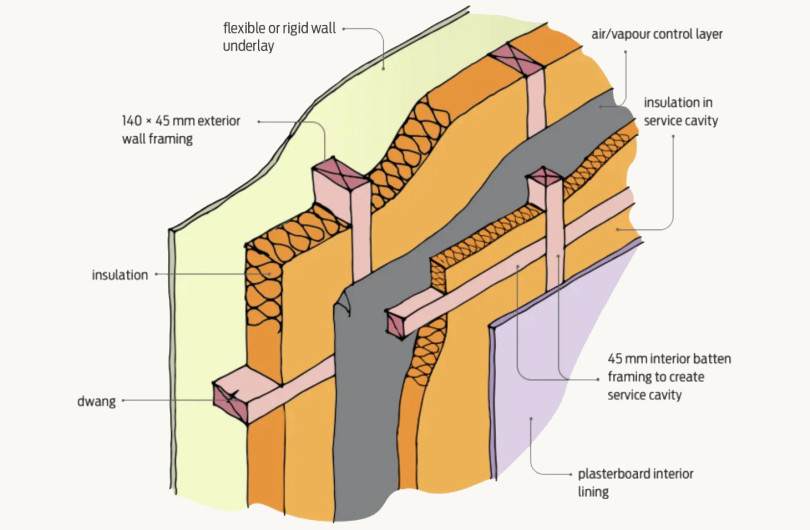
H1-minimum windows may comply on paper yet undermine comfort, durability, and indoor air quality. Cold frames, metal spacers, and thermally bridged installation details create condensation points that contribute to mould and reduced indoor quality (refer image 1). In airtight homes, the problem compounds when windows stay closed, trapping stale, humid air which increases overheating.
A system approach: Frame + glass + spacer
A high performance window is achieved only when all components perform together.
Thermally broken frames
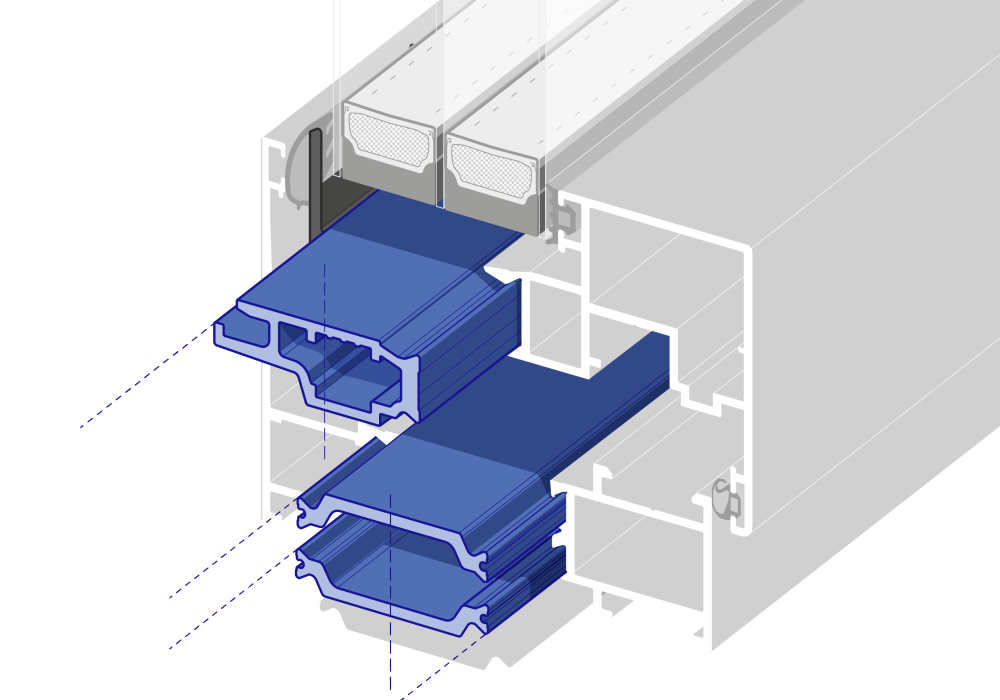
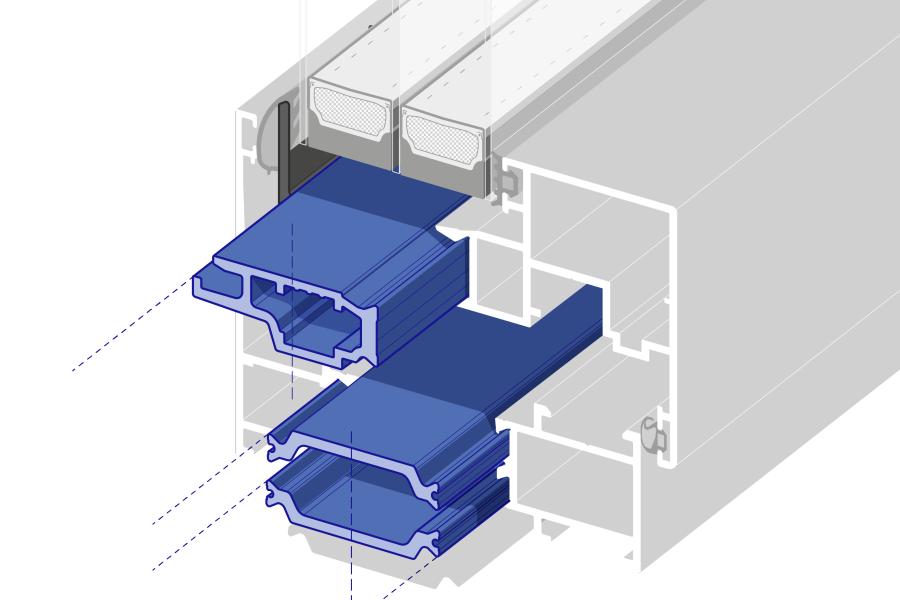
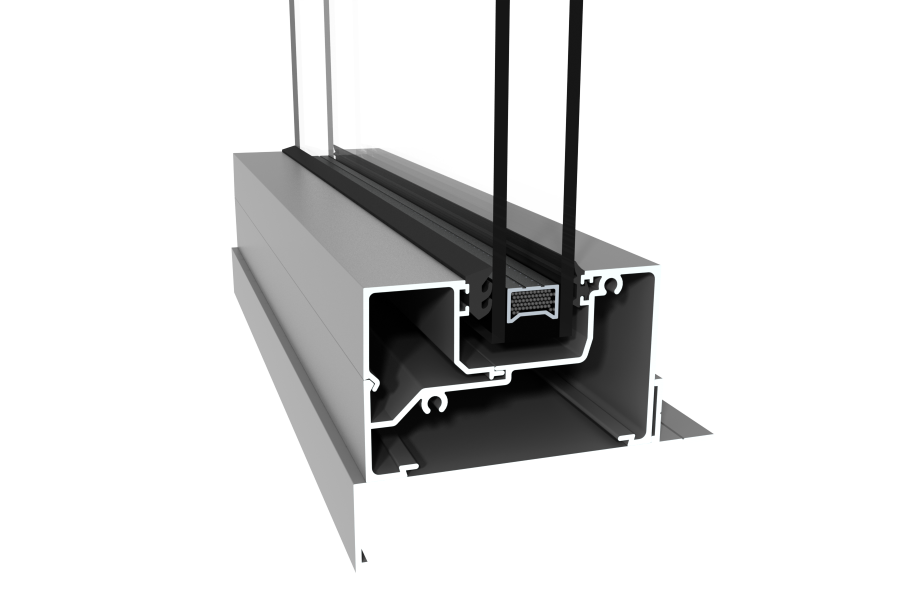
Aluminium window system designers in New Zealand use Technoform polyamide thermal breaks to support stable interior frame temperatures and improve condensation control. Globally, Technoform is trusted by leading system designers for thermally engineered durability and consistency, helping the frame and IGU operate as a high performance system (refer to image 2 above).
High performance IGUs
Glass is often the highest performing part of the window system, but only with deliberate specification. Low E coatings, argon fills, and optimised glazing cavities deliver full value when intentionally selected; minimum compliance defaults can limit performance even with a thermally broken frame.
Warm edge spacers
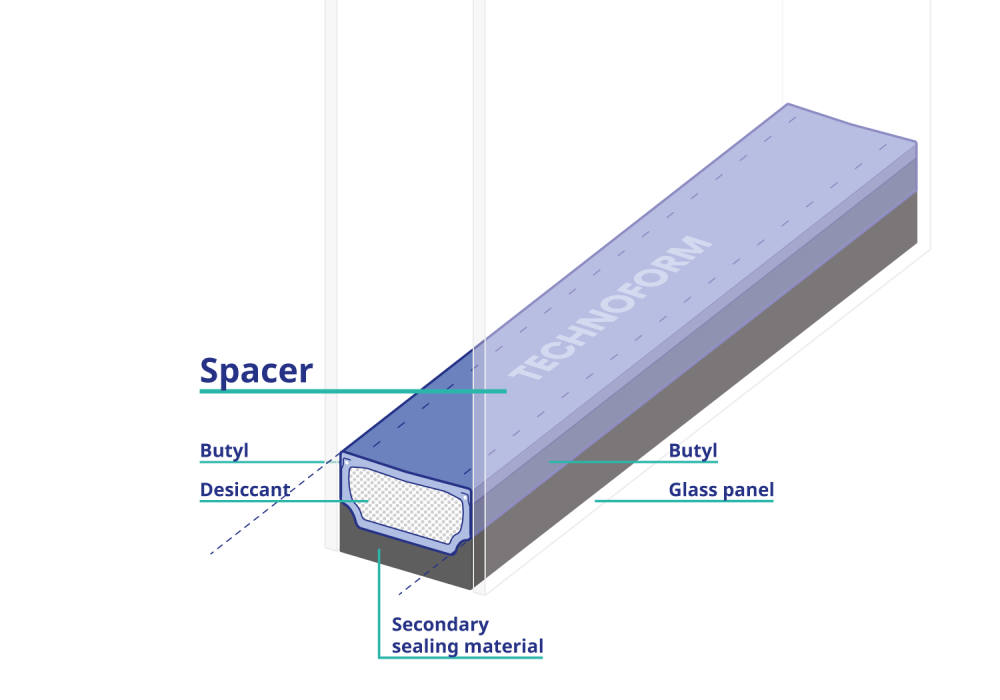
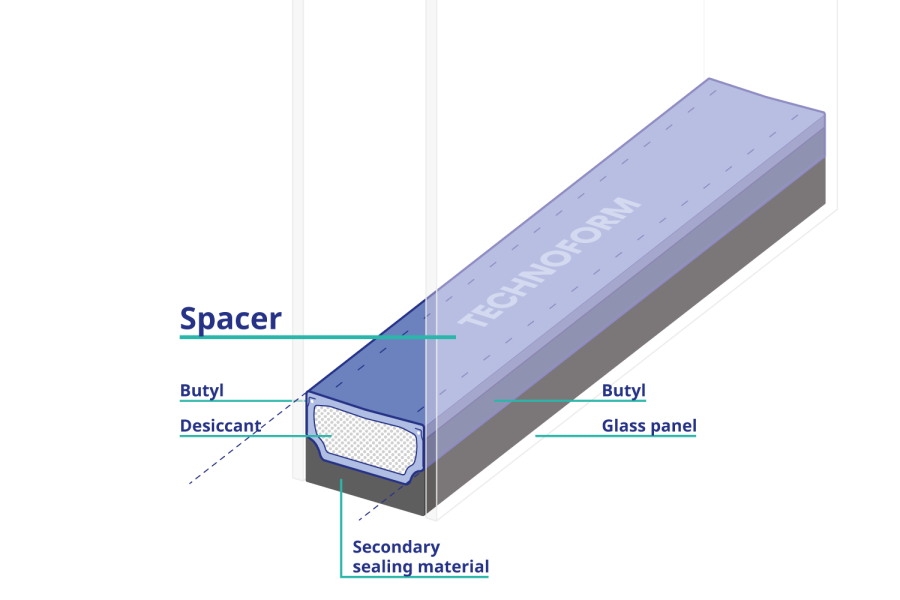
The IGU spacer is small yet has disproportionate impact. Because glass suppliers often choose the spacer, traditional metal options remain common creating a thermal bridge at the IGU edge, lowering interior surface temperatures and increasing condensation risk. Technoform warm edge spacers interrupt this path and raise edge of glass temperatures, improving condensation resistance, especially when paired with thermally broken frames (refer to image 3).
Give indoor air quality a fighting chance
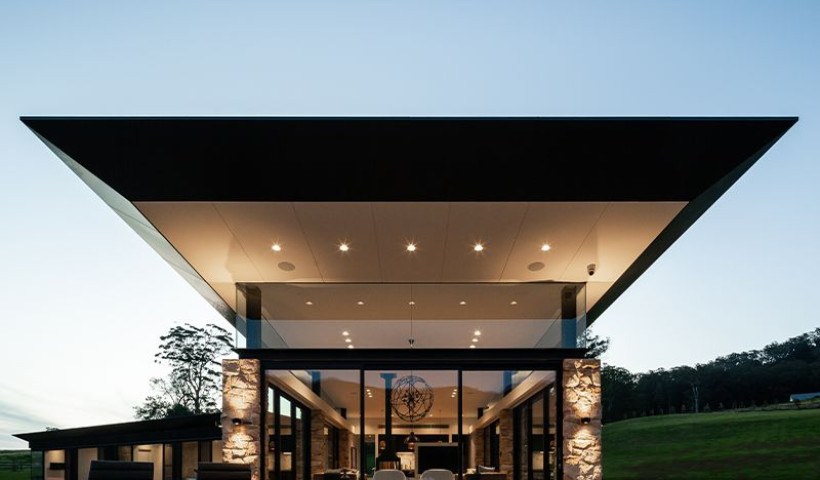
When windows are specified as a complete thermal system combining thermally broken frames, high performance glass, and Technoform warm edge spacers, the system lifts fRSI values (surface temperature, refer to image 4), reduces mould risk, and stabilises indoor conditions. This integrated approach gives indoor air quality a fighting chance and helps homes remain drier, more comfortable, and genuinely healthy.
Technoform offers window system‑agnostic guidance on:
- Thermal performance: Polyamide thermal breaks + warm edge spacers to lift fRSI, stabilise interior surface temperatures, and lower condensation risk.
- System integration: Advice on coordinating frame + IGU + spacer details to minimise thermal bridging.
- Specifier tools: Thermal modelling/fRSI checks, H1/AS1–VM1 guidance, and support for documentation for tender/specs.
- Applications: Residential, multi‑residential, schools, healthcare, and commercial façades.
Talk to a technical specialist: [email protected]

 Popular Products from Technoform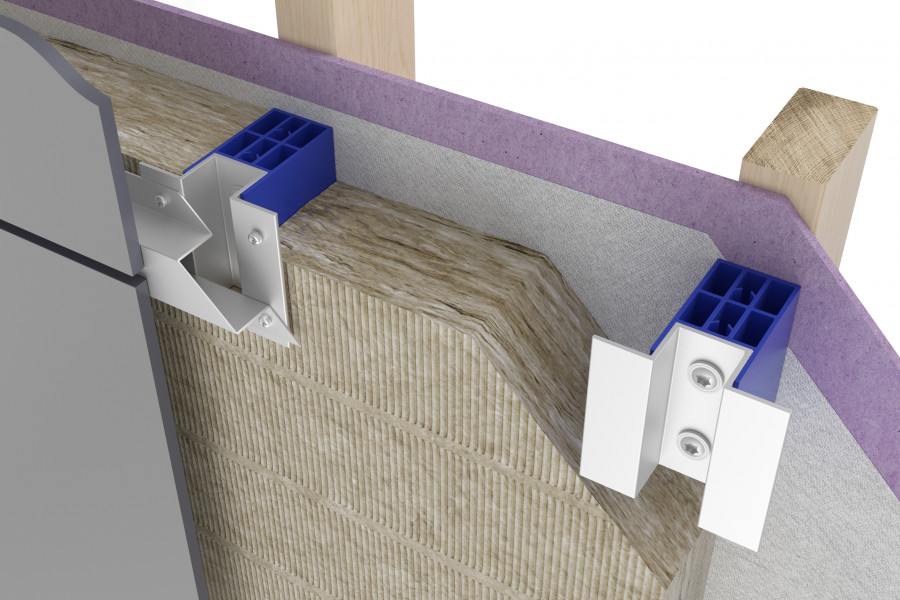
 Most Popular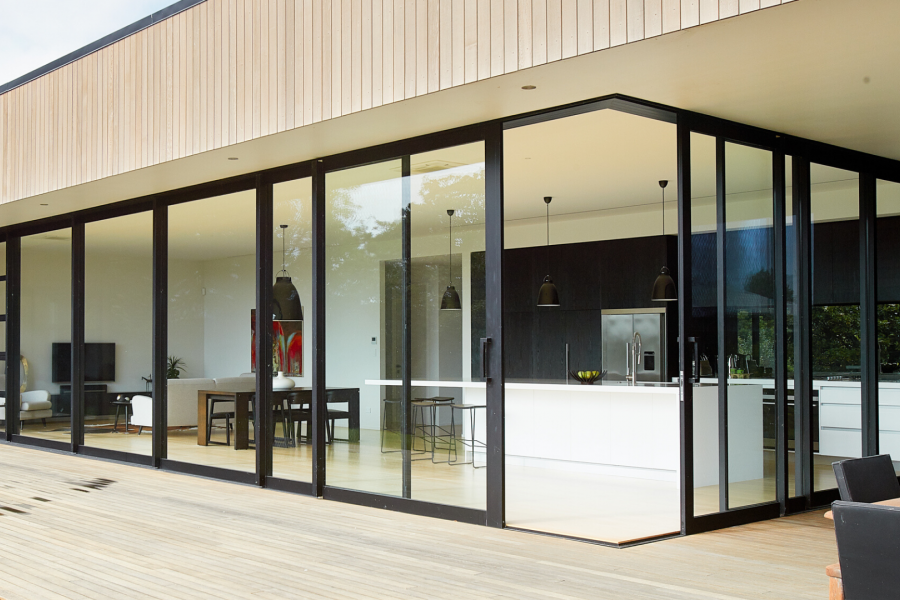
 Popular Blog Posts