 VANTAGE Windows & Doors
 Roofing Industries
 ALTHERM Window Systems
 Dimond Roofing
 Juralco Aluminium
 SPAX
SPAX



 Prolam
 Case Studies
 PGH Bricks
 Metwood







 Simx
Simx

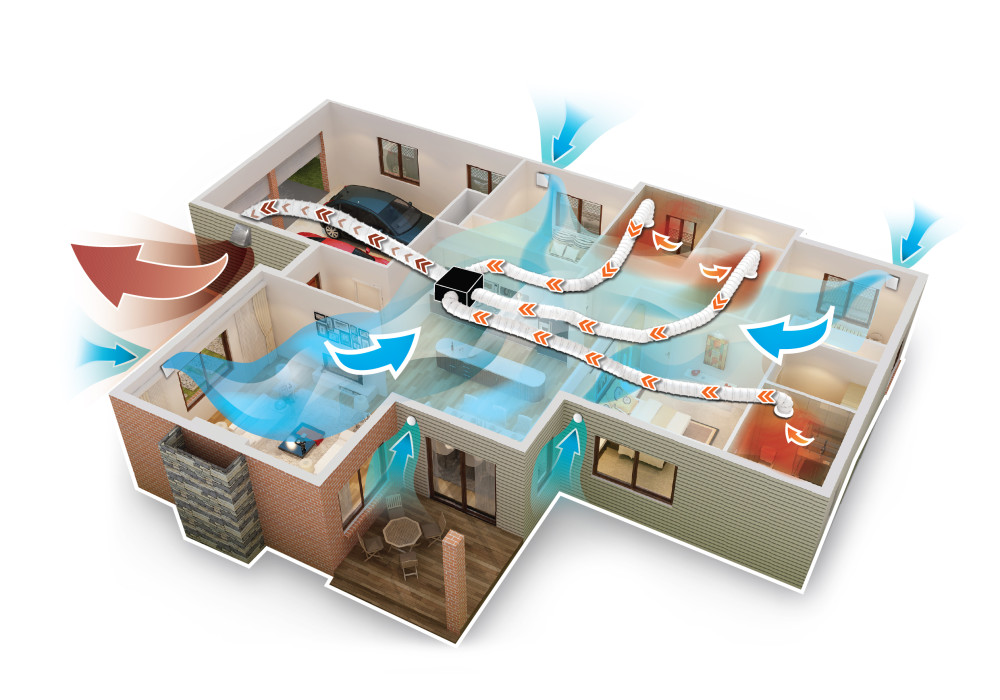


Our modern residential buildings often have a lot in common with goldfish bowls. Like the glass walls of a fishbowl, they often trap moisture and heat, creating ideal conditions for mould growth.
That’s why industry discussion has been so focused on mouldy new-builds, overheating townhouses, and moisture in odd places like ceiling cavities. The main contributors to these problems are changes in airtightness, increased design constraints, and changes in occupant behaviour.
Structural changes
The first challenge is increased airtightness. This keeps residential buildings warmer in winter but significantly reduces the natural air that flows indoors. Less air movement means more overheating and internal moisture.
The second challenge is other design constraints. Residential buildings are often built with restricted windows, limited opportunities for crossflow ventilation, and suffer from heat island effects. These limit the effectiveness of natural airflow at ventilating a space.
This lack of natural air movement means that moist, hot air builds up indoors, which is a leading contributor to the overheating and mould that the industry is seeing today.
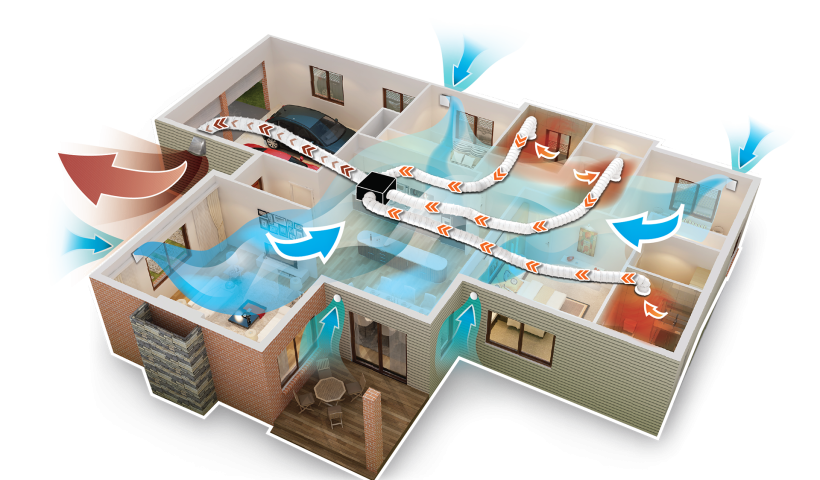
The solution here isn’t to walk back recent building innovations. Instead, as per Acceptable solution G4/AS1, deliberate mechanical ventilation is needed in every modern home to expel the moist, overheated air to support healthier indoor environments.
Lifestyle changes
The second half of the problem is lifestyle changes. Recent BRANZ research (bulletin issue 698) indicates that natural ventilation is incompatible with modern lifestyles.
To properly ventilate a residential property, occupants must be very diligent about opening windows and using extraction fans. This includes leaving them open or running for long enough, something that many occupants are unwilling to do due to security, privacy, or energy efficiency reasons.
The solution to this is either a system that runs automatically or constantly, ensuring consistent ventilation which reduces the risk of moisture buildup in buildings wet and habitable spaces.
The solution: Continuous mechanical ventilation
When taken together, recent changes in construction and lifestyles mean modern houses increasingly require continuous mechanical ventilation to reliably manage moisture and overheating.
As residential buildings become more airtight, natural and intermittent ventilation will continue to fall short. Continuous ventilation is no longer an upgrade, but a practical response to how homes are now built and used.
If you need help implementing continuous mechanical ventilation, Simx and SmartVent can support architects and designers with a free residential ventilation design service. This service aims to assist projects in meeting relevant ventilation building code compliance.
 Popular Products from Simx
 Most Popular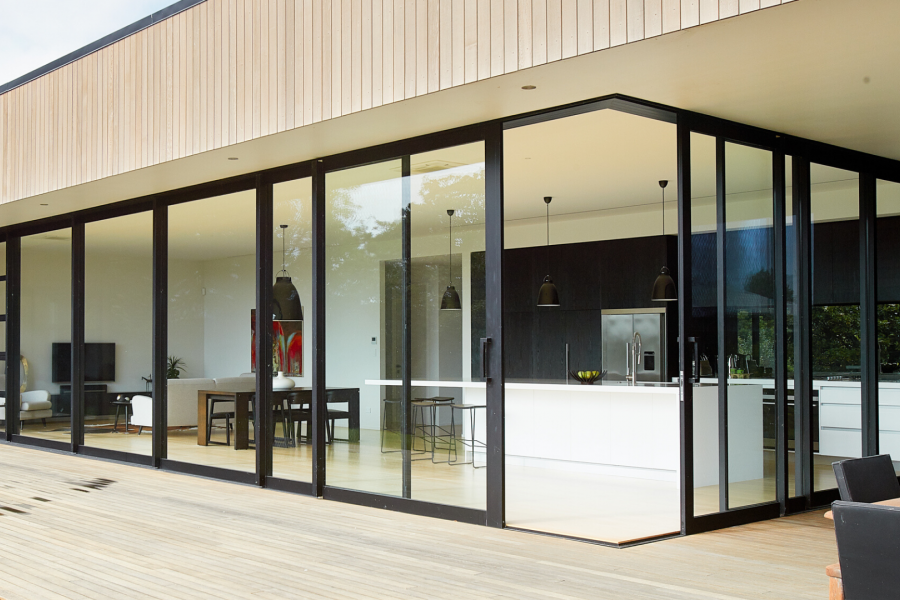
 Popular Blog Posts